Back pain is one of the most common reasons people seek out healthcare — and if you’ve ever woken up with a stiff, aching back or felt a sharp twinge while bending down to pick something up, you already know just how disruptive it can be. Whether it’s a dull, nagging ache that’s been lingering for weeks or a sudden, intense pain that stops you in your tracks, back pain has a way of affecting every single part of your day. Here at Natural Ways Chiropractic in Roseville, MN, Dr. Trish Wolff works with patients every week who are dealing with exactly these kinds of challenges — and the good news is that back pain is often very treatable without surgery or medication.
What Is Back Pain?
Back pain is discomfort, stiffness, or pain that originates anywhere along the spine — from the neck and upper back to the mid-back and lower lumbar region. It can range from mild and manageable to severe and debilitating. Back pain may be acute (short-term, lasting days to weeks) or chronic (persisting for three months or longer), and it affects people of all ages and activity levels.
Table of Contents
Common Causes of Back Pain
Back pain rarely has just one cause. Most of the time, it’s the result of a combination of factors — some structural, some lifestyle-related, and some tied to everyday habits that we don’t even think about. Understanding the root cause of your pain is the first step toward finding lasting relief, and that’s exactly what Dr. Trish Wolff focuses on when she evaluates patients at Natural Ways Chiropractic.
Muscle Strains and Ligament Sprains
One of the most frequent culprits behind back pain is a strained muscle or a sprained ligament. These soft tissue injuries can happen suddenly — during a heavy lift, an awkward twist, or an unexpected fall — or they can develop gradually through repetitive movements and poor posture. When the muscles and ligaments that support the spine are overworked or stretched beyond their limits, inflammation and pain follow quickly.
Spinal Misalignment and Joint Dysfunction
The spine is made up of 24 moveable vertebrae, and when one or more of those vertebrae shift out of their optimal position — a concept in chiropractic care known as a subluxation — it can create pressure on surrounding nerves, muscles, and discs. This kind of joint dysfunction doesn’t always result from a dramatic injury. Poor posture, prolonged sitting, repetitive stress, or even emotional tension can gradually pull the spine out of alignment. Many patients in Roseville, MN come to Natural Ways Chiropractic because they’ve been dealing with this kind of creeping, persistent discomfort for months.
Herniated or Bulging Discs
Between each vertebra sits a spinal disc — a cushion-like structure that absorbs shock and allows the spine to move freely. When a disc is damaged, worn down, or compressed, the inner material can bulge outward and press on nearby nerves. This can cause localized back pain as well as radiating pain down the legs — a condition commonly known as sciatica. Disc issues are more common with age, but they can also affect younger, active people who are exposed to repetitive stress or heavy lifting.
Poor Posture and Sedentary Lifestyle
Here in Roseville, MN, like everywhere else in the country, many people spend long hours sitting at a desk, driving, or looking down at a phone. Over time, this sustained poor posture puts enormous strain on the lower back, shoulders, and neck. The muscles in the posterior chain become weakened and overstretched while the muscles in the front of the body become tight and shortened — creating an imbalance that almost always leads to pain eventually. This is one of the most preventable causes of back pain, which is why Dr. Trish Wolff emphasizes postural education as a core part of care.
Degenerative Disc Disease and Arthritis
As we age, the spinal discs naturally lose some of their hydration and height, a process known as degenerative disc disease. Similarly, the joints of the spine can develop osteoarthritis — a wearing down of the cartilage that allows smooth movement. These conditions don’t necessarily cause pain on their own, but when combined with poor mechanics, muscle imbalances, or inflammation, they can become quite debilitating. The encouraging thing is that conservative, non-invasive care like chiropractic can still offer meaningful relief even in these cases.
Signs and Symptoms to Watch For
Back pain can show up in many different ways, and the specific symptoms you experience often provide important clues about what’s actually going on. Dr. Trish Wolff takes a thorough history and examination to piece those clues together. Some of the most common signs and symptoms include dull, aching pain in the lower back that worsens with prolonged sitting or standing. Others include sharp or stabbing pain that makes it difficult to stand up straight, pain or stiffness first thing in the morning, pain that radiates down one or both legs, numbness or tingling in the legs or feet, and muscle spasms along the sides of the spine.
It’s worth noting that the severity of pain doesn’t always reflect the severity of the underlying problem. Some serious structural issues can feel relatively mild at first, while a simple muscle strain can sometimes feel excruciating. That’s why getting a proper evaluation is so important rather than guessing at the cause on your own.
How Chiropractic Care Fits In
Chiropractic care is one of the most well-researched non-surgical approaches for managing and relieving back pain. The American College of Physicians (ACP) and other major health organizations recommend spinal manipulation as a first-line treatment option for both acute and chronic low back pain — making it a legitimate, evidence-informed choice for people looking to avoid medication or surgery.
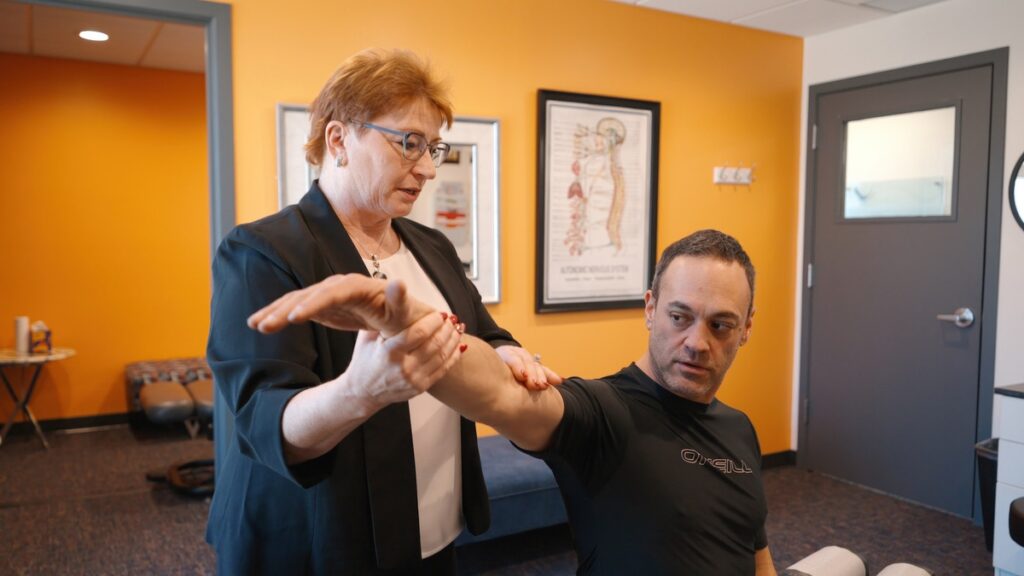
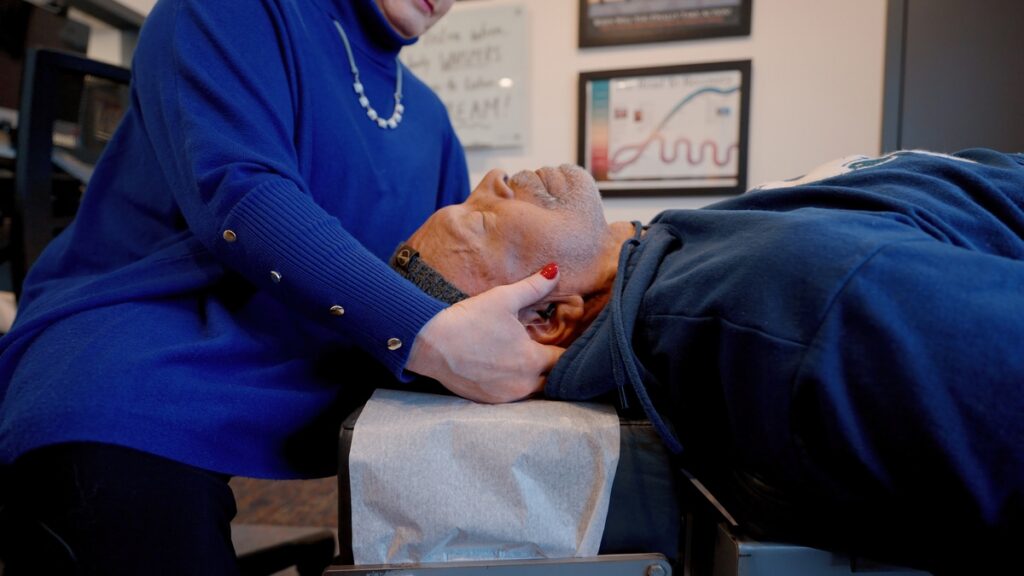
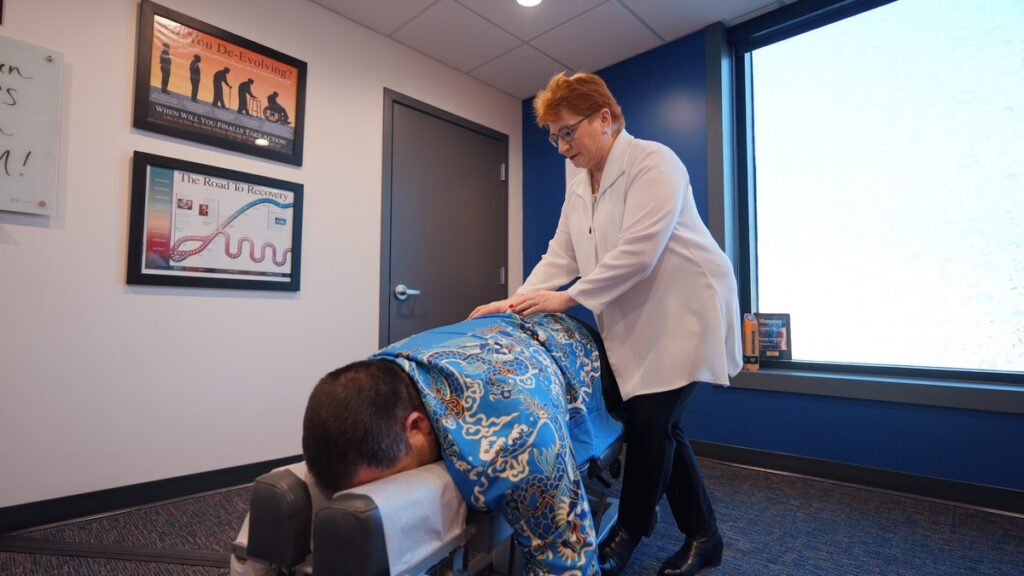
At Natural Ways Chiropractic in Roseville, MN, Dr. Trish Wolff takes an individualized, whole-body approach to care. Rather than simply treating the site of pain, she looks at the spine as an interconnected system and works to identify the mechanical and structural factors driving your discomfort. Chiropractic adjustments — also called spinal manipulation — involve applying a precise, controlled force to specific joints of the spine to restore proper movement, reduce nerve irritation, and relieve muscle tension.
Beyond adjustments, care at Natural Ways Chiropractic may also include soft tissue work, postural analysis, rehabilitative exercise guidance, and lifestyle coaching. The goal is never to create dependency on care, but to empower patients with the tools and knowledge they need to maintain a healthier spine long-term. Research suggests that a combination of spinal manipulation and active rehabilitation produces better outcomes than either approach alone — and that philosophy is baked into the care philosophy here.
Practical Tips for a Healthier Back
While professional care is often the most effective route when back pain has already set in, there is a great deal you can do day-to-day to protect your spine and reduce your risk of future episodes. These aren’t complicated changes — they’re simple, sustainable habits that make a real difference over time.
Paying attention to your posture throughout the day is one of the most impactful things you can do. Whether you’re sitting at a desk, driving, or standing at a kitchen counter, your spine functions best when it maintains its natural curves. Try to keep your ears aligned over your shoulders and your shoulders over your hips as much as possible. If you work at a computer, make sure your monitor is at eye level and your chair supports the natural curve of your lower back.
Movement is also incredibly important. The spine needs regular movement to stay healthy — it receives its nutrition partly through the pumping action of movement, not just through blood supply alone. Taking brief walking breaks every 30 to 45 minutes during long periods of sitting can dramatically reduce the cumulative stress on your lumbar spine. Even just standing up and gently moving for a minute or two makes a meaningful difference.
Strengthening the core muscles — the deep stabilizing muscles of the abdomen and back — provides the spine with the internal support it needs to handle daily demands. You don’t need to do intense exercise to accomplish this. Consistent, gentle core engagement through walking, yoga, Pilates, or specific stabilization exercises can go a long way. Dr. Trish Wolff often provides tailored guidance in this area for patients at Natural Ways Chiropractic.
When to See a Chiropractor
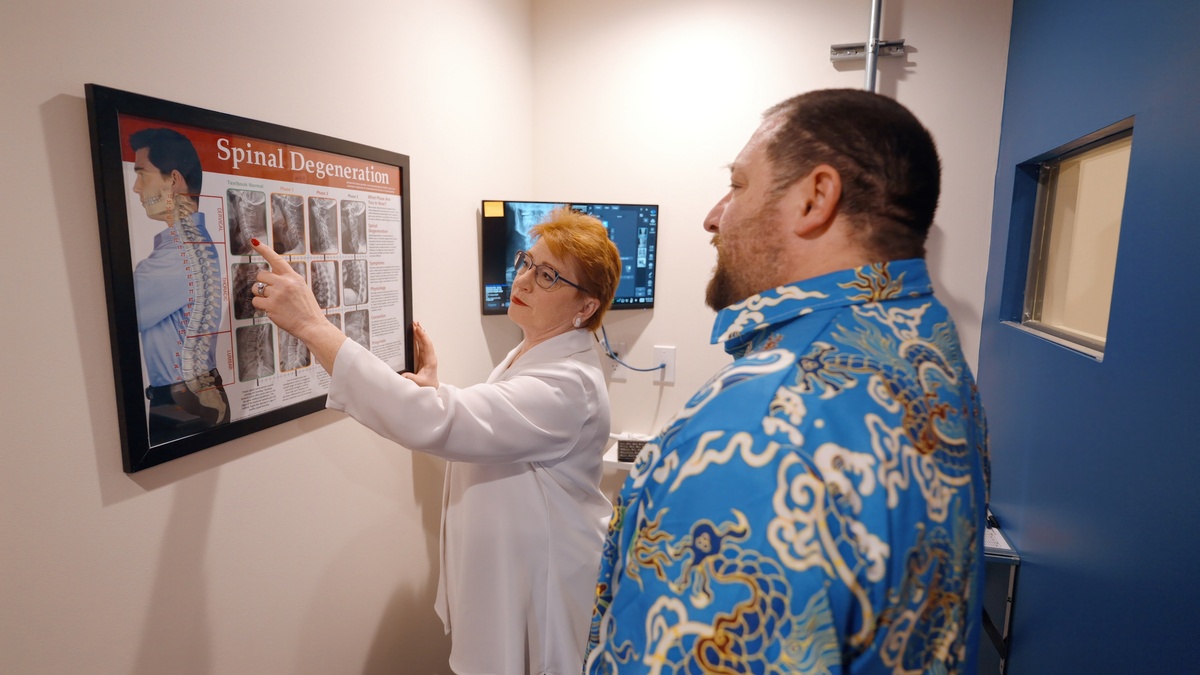
Many people wonder how long they should wait before seeking care for back pain. The honest answer is: sooner is usually better. Acute back pain that is addressed promptly tends to resolve more quickly and is less likely to become chronic. If your pain has been present for more than a few days, is affecting your sleep, your work, or your daily activities, or keeps coming back, those are strong signs that it’s time to get evaluated.
Chiropractic care is appropriate for a wide range of back pain presentations — muscle tension, joint dysfunction, disc-related issues, postural strain, and more. It’s safe for most adults and is generally well-tolerated, even by those who have never seen a chiropractor before.
However, there are certain red flags that warrant immediate medical attention rather than chiropractic care. These include back pain accompanied by loss of bladder or bowel control, back pain following significant trauma such as a car accident or fall, pain accompanied by unexplained weight loss or fever, or severe progressive weakness in the legs. If you experience any of these symptoms, please seek emergency or primary care evaluation right away. Dr. Trish Wolff and the team at Natural Ways Chiropractic will always refer patients to the appropriate provider when needed — your overall health and safety come first.
Back Pain at a Glance: Causes vs. Contributing Factors
|
Type of Back Pain |
Common Cause |
Key Contributing Factors |
|---|---|---|
|
Lower Back Pain (Lumbar) |
Muscle strain, disc herniation, joint dysfunction |
Prolonged sitting, heavy lifting, poor posture |
|
Mid-Back Pain (Thoracic) |
Postural strain, spinal joint restriction |
Desk work, forward head posture, rounded shoulders |
|
Upper Back and Neck Pain |
Muscle tension, cervical misalignment |
Phone/screen use, stress, poor sleeping position |
|
Radiating Leg Pain (Sciatica) |
Disc herniation, piriformis compression, nerve irritation |
Extended sitting, lumbar disc degeneration, muscle imbalance |
|
Degenerative disc disease, arthritis, ongoing joint dysfunction |
Age, sedentary lifestyle, unaddressed acute injuries |
Myths vs. Facts About Back Pain
Myth: Rest is always the best treatment for back pain.
Fact: While short-term rest may help in the very early stages of an acute injury, prolonged bed rest has actually been shown to slow recovery. The current evidence strongly favors staying gently active and keeping the spine moving during most episodes of back pain. Staying mobile — even with some discomfort — generally leads to faster healing than complete inactivity.
Myth: If you have back pain, you probably need an MRI or X-ray right away.
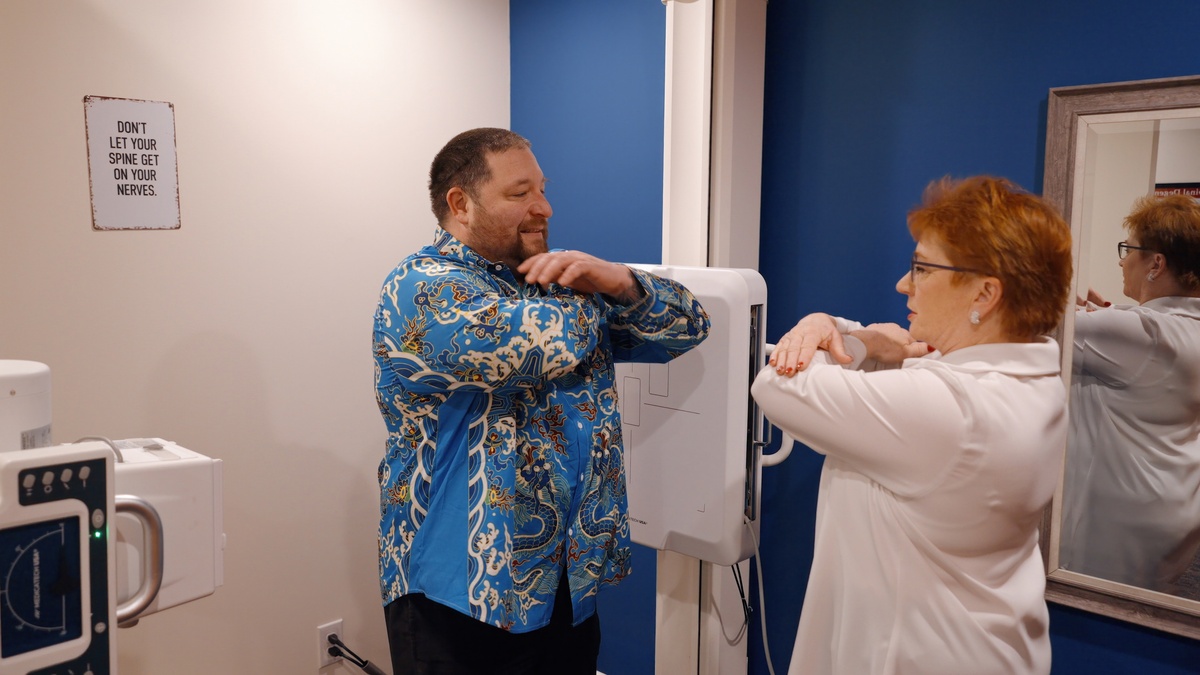
Fact: For most cases of acute, uncomplicated back pain, imaging is not immediately necessary and often doesn’t change the initial treatment plan. Clinical guidelines from organizations like the American College of Physicians suggest that imaging should be reserved for cases where a serious underlying condition is suspected. A thorough physical examination and health history are usually sufficient to guide early care.
Myth: Chiropractic adjustments are dangerous or will “crack your bones.”
Fact: Chiropractic adjustments are widely considered safe when performed by a licensed chiropractor. The audible “pop” or crack that sometimes occurs during an adjustment is simply the release of gas from within the joint — similar to what happens when you crack your knuckles. Serious adverse events from chiropractic care are rare. Dr. Trish Wolff performs thorough evaluations before any treatment to ensure adjustments are appropriate for each patient.
Myth: Back pain is just a normal part of aging and there’s nothing you can do about it.
Fact: While certain degenerative changes in the spine are a natural part of the aging process, chronic pain and disability are not inevitable. Many older adults experience significant improvement in pain, mobility, and function with consistent chiropractic care and lifestyle modifications. Age alone is not a barrier to feeling better.
Myth: You only need to see a chiropractor when you’re in pain.
Fact: Many patients at Natural Ways Chiropractic continue with periodic maintenance or wellness care even after their pain has resolved. Keeping the spine properly aligned and moving well can help prevent future episodes of pain and supports overall nervous system function. Think of it like regular dental cleanings — maintenance keeps bigger problems from developing down the road.
Final Thoughts
Back pain doesn’t have to be something you simply endure. Whether you’re dealing with a new injury, a recurring flare-up, or chronic discomfort that’s been with you for years, there are real, evidence-informed solutions available — and you don’t have to turn to surgery or medication to find relief. Chiropractic care offers a safe, gentle, and individualized approach to addressing the underlying causes of back pain rather than just masking the symptoms.
Here in Roseville, MN, the team at Natural Ways Chiropractic is proud to serve this community with compassionate, patient-centered care. Dr. Trish Wolff is dedicated to helping each patient understand what’s driving their pain, what their options are, and how to take an active role in their own healing. If you’ve been living with back pain — or if you want to prevent it from becoming a bigger issue — we’d love to be a part of your health journey. You deserve to feel well, and we’re here to help make that possible.
Frequently Asked Questions
How long does it take for chiropractic care to help with back pain?
This varies depending on the nature and duration of the pain, as well as individual health factors. Many patients with acute back pain notice improvement within a few visits, while chronic conditions may require a longer course of care. Dr. Trish Wolff will discuss realistic expectations with you during your initial evaluation at Natural Ways Chiropractic.
Is chiropractic care safe for lower back pain?
Yes, for most people chiropractic care is considered a safe, non-invasive option for lower back pain. Major health organizations, including the American College of Physicians, include spinal manipulation among their recommended first-line treatments for low back pain. A thorough evaluation is always performed first to confirm that chiropractic care is appropriate for your specific situation.
Can back pain go away on its own without treatment?
Some episodes of acute back pain do resolve on their own within a few weeks. However, without addressing the underlying cause, pain often returns — and repeated episodes can increase the risk of developing chronic back pain. Seeking care early generally leads to better, more lasting outcomes.
What’s the difference between acute and chronic back pain?
Acute back pain is typically defined as pain lasting less than four to twelve weeks, often tied to a specific injury or event. Chronic back pain persists for three months or longer and may not have an obvious single cause. Both types can respond well to chiropractic care, though the approach may differ between them.
Do I need a referral to see a chiropractor in Minnesota?
In Minnesota, you do not need a physician referral to see a chiropractor. You can contact Natural Ways Chiropractic in Roseville, MN directly to schedule an evaluation with Dr. Trish Wolff. Chiropractic care is considered a primary care entry point for musculoskeletal conditions in most states.
Can chiropractic care help with sciatica?
Sciatica — pain that radiates from the lower back down the leg along the sciatic nerve — is a condition that chiropractic care is often very well-suited to address. By relieving pressure on the affected nerve through spinal adjustments and soft tissue techniques, many patients find meaningful relief. A proper diagnosis is important first to determine the underlying cause of the sciatic irritation.
TL;DR Summary
-
Back pain is extremely common and can stem from many causes, including muscle strains, spinal misalignment, disc problems, poor posture, and degenerative changes.
-
Chiropractic care is a safe, evidence-supported, non-surgical approach recommended by major health organizations for both acute and chronic back pain.
-
At Natural Ways Chiropractic in Roseville, MN, Dr. Trish Wolff focuses on identifying and addressing the root cause of pain rather than just the symptoms.
-
Simple daily habits — better posture, regular movement, and core strengthening — can significantly reduce your risk of ongoing back problems.
-
Seek care sooner rather than later if your pain is persistent, recurring, or interfering with daily life — and watch for red flag symptoms that need immediate medical attention.