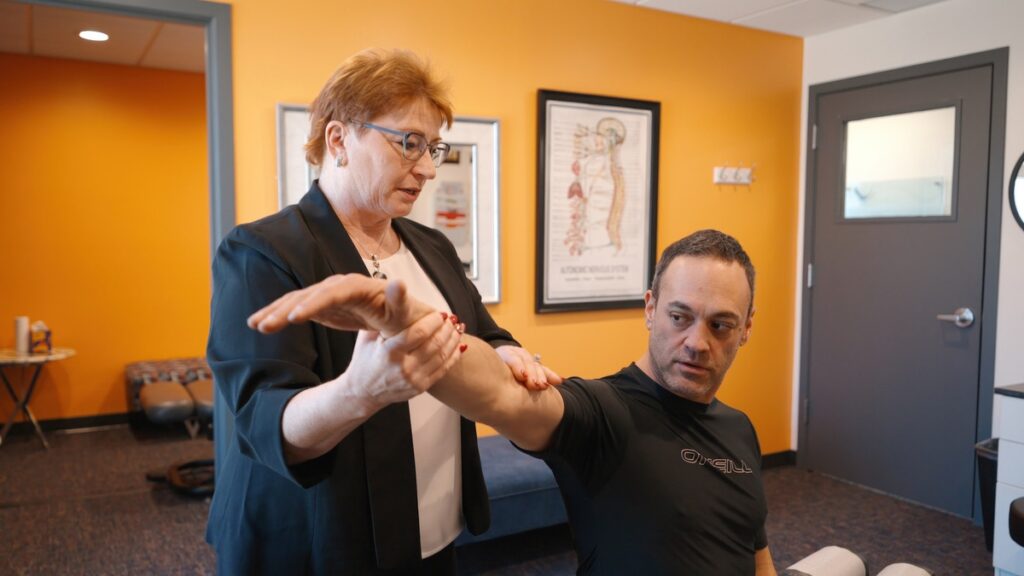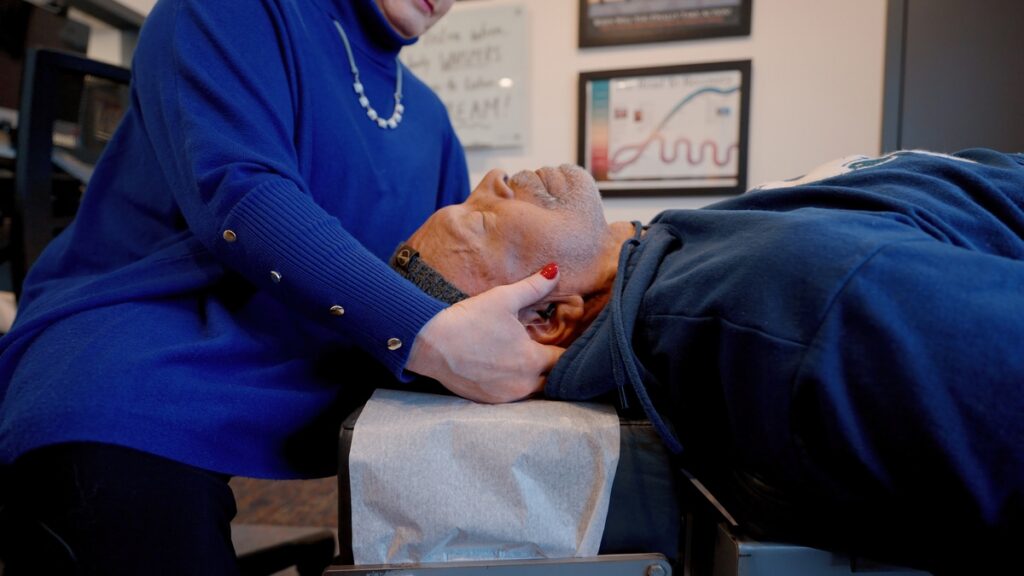
Improving your flexibility doesn’t have to be complicated, and as a chiropractor, I believe that enhancing your range of motion is essential for overall health and injury prevention. By incorporating a few simple techniques into your daily routine, you can experience the benefits of increased flexibility and spinal health. Whether it’s through stretching, foam rolling, or mindful breathing, each practice plays a vital role in your well-being and complements the natural healing that chiropractic care offers.
Curious about how to effectively blend these practices into your life? Here are some straightforward steps to help you achieve your flexibility goals while supporting your spine:
- Start with Stretching: Gentle stretches can significantly improve your flexibility. Focus on major muscle groups like your back, legs, and shoulders. Hold each stretch for 15-30 seconds, and remember to breathe deeply to enhance relaxation.
- Incorporate Foam Rolling: Foam rolling can help release muscle tightness and improve blood flow, which is essential for flexibility. Roll slowly over sore spots for a few minutes, focusing on areas that feel tight.
- Practice Mindful Breathing: Deep, mindful breathing not only calms your mind but also helps to relax your muscles. Take a moment each day to breathe deeply and consciously, allowing your body to release tension.
- Schedule Regular Chiropractic Visits: Chiropractic care is a powerful tool for maintaining flexibility and spinal health. Regular adjustments can help align your spine, reduce tension, and improve your overall range of motion.
- Stay Consistent: Like any other health practice, consistency is key. Set aside a few minutes each day to focus on your flexibility exercises, and you’ll start to notice improvements over time.
By integrating these simple techniques into your routine and prioritizing chiropractic care, you can enhance your flexibility, prevent injuries, and support your journey toward optimal health. Remember, taking care of your spine is an essential part of living a healthier, more active life.
Key Takeaways
- Incorporating daily stretching of major muscle groups is essential not only for improved flexibility but also for reducing muscle tension, which can help alleviate discomfort and promote overall wellness. By keeping your muscles limber, you support your spine’s health and function.
- Before engaging in any workout, consider dynamic stretching. This type of warm-up prepares your muscles and increases your range of motion, making it easier for your body to perform movements safely and effectively. It can also prevent injuries, which is crucial for maintaining an active lifestyle.
- After your workouts, practicing static stretching is beneficial for recovery. These stretches help maintain muscle length and can ease soreness, allowing your body to bounce back quicker. This is especially important for spinal health, as tight muscles can lead to misalignments and discomfort.
- Regularly using foam rolling can be an excellent addition to your routine. It helps relieve tight muscles and improve flexibility, which can enhance your overall movement quality. This self-care technique aligns beautifully with chiropractic care, as both aim to restore balance and function to your body.
- Lastly, don’t underestimate the power of mindfulness and deep breathing during your stretches. Focusing on your breath helps promote relaxation and increases your awareness of your body, supporting a holistic approach to wellness. This mental aspect can enhance the benefits of physical care, like chiropractic adjustments, as a relaxed body is more receptive to healing.
By integrating these techniques into your daily routine, you can take proactive steps toward better health, reduced pain, and improved flexibility—all of which complement the benefits of chiropractic care. Remember, the journey to optimal health is a holistic one, and these simple practices can make a significant difference.
Understanding Flexibility and Its Benefits
Flexibility isn’t just about bending and stretching; it’s a vital piece of the puzzle for your overall health and wellness. By understanding the importance of flexibility, you can see how it plays a role not just in your fitness routine but also in your everyday activities. Incorporating flexibility training into your life can greatly enhance your physical performance while helping to prevent injuries.
Imagine reaching for something on a high shelf or bending down to tie your shoes with ease – that’s the power of good flexibility!
Moreover, improving your flexibility can have a positive impact on your posture, which is crucial for preventing discomfort in your back and neck. With better flexibility, you’ll likely experience improved muscle coordination, making your workouts more effective. This goes hand-in-hand with your chiropractic care, which focuses on aligning your spine and enhancing your body’s natural ability to heal.
Flexibility training can also contribute to your mental well-being by relieving stress and promoting relaxation. Embracing this practice, alongside regular chiropractic adjustments, is a fantastic way to work towards a healthier, more balanced lifestyle.
Here are some simple tips you can incorporate into your routine:
- Daily Stretching: Spend a few minutes each day stretching different muscle groups. This can help improve your flexibility over time.
- Chiropractic Care: Regular visits to your chiropractor can help ensure your spine is aligned, which supports overall flexibility and mobility.
- Stay Hydrated: Drinking plenty of water keeps your muscles hydrated and helps them function better.
- Listen to Your Body: Pay attention to how your body feels during movements. If something doesn’t feel right, it’s essential to consult with your chiropractor.
The Role of Stretching in Flexibility
Stretching is a crucial part of enhancing your flexibility and overall mobility, which can significantly benefit your health and wellness. As a chiropractor, I emphasize the importance of incorporating regular stretching into your daily routine. Not only does it improve your range of motion and reduce muscle tension, but it also plays a key role in preventing injuries.
It’s important to focus on all major muscle groups, especially those areas that may feel tight or restricted. Static stretching, where you hold a position for a set amount of time, is particularly effective in lengthening muscles and gradually improving flexibility. This practice allows your muscles to relax and recover, paving the way for better performance in your daily activities and workouts.
Remember, a well-aligned spine is essential for optimal movement, and stretching can complement chiropractic care by enhancing your overall physical capabilities. Moreover, stretching increases blood flow to your muscles, which promotes faster recovery and helps reduce soreness.
It’s essential to listen to your body during this process; avoid pushing yourself to the point of pain. Instead, ease into each stretch, holding it gently and allowing your body to adapt. With consistent practice, you’ll likely notice significant improvements in your flexibility, making your body feel more mobile and agile.
Incorporating these stretching tips into your routine can contribute to a healthier lifestyle and enhance the benefits of chiropractic care. Consider pairing your stretching with regular chiropractic adjustments to achieve optimal alignment and wellness.
Together, these practices can help you maintain a balanced, pain-free body and support your journey towards natural healing and healthier living.
Dynamic Stretching: A Pre-Workout Essential
Before diving into your workout, it’s essential to prepare your body for optimal performance and to minimize the risk of injury. One of the best ways to do this is through dynamic stretching. Unlike static stretching, which holds muscles in place, dynamic stretches actively engage your muscles and joints, enhancing your range of motion and effectively priming your body for movement.
Here are some dynamic stretches that can benefit your workout routine:
- Leg Swings: Stand next to a wall or sturdy surface for support, and swing one leg forward and backward. This exercise helps loosen up your hip flexors and prepares your lower body for action.
- Arm Circles: Extend your arms out to the sides and rotate them in large circles. This movement warms up your shoulders and promotes better upper body mobility.
- Walking Lunges: Step forward into a lunge, alternating legs as you move forward. This stretch not only engages your lower body but also enhances balance and stability.
- High Knees: While jogging in place, lift your knees towards your chest. This exercise increases your heart rate and gets your blood flowing, which is vital for preparing your body for exercise.
- Butt Kicks: As you run in place, kick your heels towards your glutes. This movement stretches your quads and keeps your muscles engaged.
Incorporating these dynamic stretches into your warm-up routine can make a significant difference in how you feel during your workout. Not only will you feel more energized, but you’ll also be taking a proactive approach to your spinal health and overall wellness.
Remember, chiropractic care can further support your body’s performance. Regular adjustments can enhance your range of motion, reduce tension, and promote optimal functioning of your nervous system, which is crucial for achieving your health and fitness goals.
Static Stretching: Perfect for Post-Workout Recovery
After your workout, incorporating static stretching is essential for helping your muscles recover effectively. This practice not only aids in reducing soreness but also enhances flexibility over time, which can significantly contribute to your overall health and wellness.
As a chiropractor, I believe that taking care of your body naturally is the best way to achieve optimal health, and static stretching can be an integral part of that journey.
When you stretch, you’re not just benefiting your muscles; you’re also supporting your spine and overall alignment. Proper stretching can help alleviate tension that may build up in your back and neck, reducing discomfort and promoting a sense of well-being.
Here are some best practices for incorporating static stretches into your routine:
- Listen to Your Body: Always pay attention to how your body feels during stretching. If you experience pain, ease off the stretch. It’s important to differentiate between discomfort and pain.
- Hold Each Stretch: Aim to hold each static stretch for about 15 to 30 seconds. This allows your muscles to relax and elongate effectively.
- Breathe Deeply: Remember to breathe deeply as you stretch. Inhaling and exhaling can help your muscles relax and improve the effectiveness of the stretch.
- Focus on Major Muscle Groups: Pay special attention to areas that may be tight after your workout, such as your hamstrings, quadriceps, and lower back. These areas are crucial for maintaining proper spinal alignment.
- Incorporate Stretching into Your Routine: Make static stretching a regular part of your post-workout routine. This won’t only aid recovery but can also help prevent future injuries.
By integrating these practices into your post-workout routine, you’ll be taking a proactive step towards enhancing your health naturally.
Benefits for Muscle Recovery
While you may feel a sense of accomplishment after a tough workout, it’s important to include static stretching in your post-exercise routine to support optimal muscle recovery. Taking just a few minutes to stretch can offer significant benefits that help your body heal and rejuvenate naturally.
Here are some key advantages of incorporating static stretching into your routine:
- Reduces Muscle Soreness: Stretching helps alleviate the tightness in your muscles, leading to less soreness after intense workouts.
- Improves Blood Circulation: Enhanced blood flow can speed up the delivery of nutrients to your muscles, promoting quicker recovery.
- Increases Flexibility Over Time: Regular stretching can improve your overall flexibility, which is essential for maintaining a healthy range of motion and preventing injuries.
- Helps Prevent Injuries: By keeping your muscles flexible and balanced, you reduce the risk of strains and sprains during physical activities.
- Promotes Relaxation and Stress Relief: The calming effect of static stretching can help ease tension in both your body and mind, making it a great way to unwind after a workout.
These simple stretches target the muscles you’ve worked, allowing them to return to their original length and function.
As a chiropractor, I recommend that you don’t skip this essential step—it’s a natural way to support your body’s healing process and enhance your overall wellness.
In addition to stretching, consider regular chiropractic care to address any underlying issues that might affect your muscle recovery. Chiropractors focus on spinal health and body alignment, which can significantly impact your overall physical performance and recovery.
By keeping your spine aligned, you can reduce tension and improve your body’s natural healing capabilities.
Make stretching a consistent part of your post-exercise routine, and consider visiting your chiropractor regularly to ensure your body stays in optimal condition. Your muscles and overall well-being will thank you for it!
Best Practices for Stretching
How can you enhance your static stretching routine for optimal health and wellness? First and foremost, it’s best to stretch after your workout when your muscles are warm. This approach not only helps prevent injury but also promotes flexibility, which is vital for overall spinal health.
Aim to hold each stretch for 15 to 30 seconds while breathing deeply to encourage relaxation and enhance the benefits. Focus on major muscle groups that are essential for maintaining a strong and healthy spine, such as your hamstrings, quadriceps, and shoulders.
Remember, stretching should feel good, so avoid bouncing or forcing yourself into a stretch. Instead, ease into each position to prevent any strain. If you experience pain, it’s crucial to back off—stretching should never hurt.
Incorporate a variety of stretches to target different areas of your body, and try to stay consistent with your routine, aiming for at least three times a week. This regular practice not only aids in muscle recovery but also complements the benefits of chiropractic care, which focuses on optimizing your body’s function and promoting natural healing.
Consider adding stretching to your cool-down routine after exercising, as it helps your muscles recover and enhances your overall flexibility.
Incorporating Foam Rolling Into Your Routine
Incorporating foam rolling into your daily routine can significantly enhance your flexibility and support your recovery, making it a valuable addition to your overall wellness plan.
Foam rolling is a simple yet effective technique that helps release muscle tightness and improve blood flow, which is crucial for maintaining spinal health and overall well-being.
Here’s how you can effectively integrate foam rolling into your day while prioritizing your health:
- Roll before workouts: Use foam rolling as a warm-up to prepare your muscles for exercise. This helps reduce the risk of injury and ensures your body is ready for physical activity.
- Focus on tight areas: Spend extra time on sore or tight spots, particularly around the spine and larger muscle groups. This targeted approach can help release built-up tension and support your chiropractic care.
- Experiment with different pressures: Adjust the intensity of your foam rolling to suit your comfort level. If you encounter particularly tight areas, a firmer roll can help alleviate discomfort, but always listen to your body’s signals.
- Combine with stretching: For optimal results, use foam rolling before and after stretching. This combination can enhance your flexibility and further support your spinal health, making your chiropractic adjustments more effective.
- Stay consistent: Aim to foam roll for a few minutes several times a week. Consistency is key to seeing significant improvements in your flexibility and overall muscle health.
Remember, while foam rolling can be an excellent tool for self-care, it should complement regular chiropractic visits.
Chiropractic care focuses on addressing the root causes of pain and discomfort, promoting natural healing, and helping you achieve optimal health.
Yoga Poses to Enhance Flexibility
To enhance your flexibility and overall wellness, incorporating specific yoga poses into your routine can be incredibly beneficial. As a chiropractor, I believe in the power of natural healing and the importance of maintaining a healthy spine.
Start with the Downward-Facing Dog; this pose stretches your hamstrings, calves, and shoulders, promoting better posture and spinal alignment.
Next, move into the Cobra Pose to open up your chest and improve spinal flexibility. This pose not only feels great but also helps in counteracting the effects of prolonged sitting, which can lead to back pain.
The Triangle Pose is fantastic for stretching the sides of your body and enhancing hip flexibility, which is essential for a healthy range of motion.
Don’t overlook the Seated Forward Bend, as it targets your lower back and hamstrings, promoting deeper stretches. This pose can help alleviate tension in your back, making it a great addition to your routine.
The Pigeon Pose is excellent for loosening tight hips, which often contribute to discomfort and restricted movement. The Butterfly Pose encourages groin flexibility, enhancing your overall mobility.
Lastly, finish your practice with the Cat-Cow stretch; this dynamic movement improves spinal flexibility and helps release tension that can build up throughout the day.
Remember, while yoga can be a wonderful component of your wellness journey, regular chiropractic care is also vital for maintaining optimal health. Adjustments can help align your spine, reduce pain, and enhance your body’s ability to heal naturally.
Prioritize your health by combining yoga with chiropractic care for the best results!
The Importance of Consistency and Routine
While it may be tempting to skip a practice here and there, establishing a consistent routine is essential for enhancing your flexibility, spinal health, and overall well-being. When you commit to regular training, your body adapts, and you’ll notice improvements over time.
Here’s why consistency matters, especially in the context of chiropractic care:
- Builds Muscle Memory: Repeating stretches and movements helps your muscles remember the actions, making them easier over time. This is crucial for maintaining proper spinal alignment, which is a key focus in chiropractic care.
- Prevents Injury: Regular practice strengthens the muscles and connective tissues around your spine, reducing the risk of strains or sprains. A strong support system for your spine is essential to avoid discomfort and promote mobility.
- Enhances Progress: You’re more likely to see gains in flexibility and overall health when you stick to a schedule. Consistent practice complements the benefits of chiropractic adjustments, helping to maintain optimal spinal function.
- Boosts Motivation: A routine can help you stay focused and committed to your health journey. When you see progress, it reinforces your desire to continue with both your exercises and your chiropractic care.
- Improves Mental Health: Consistent practice not only helps your body but can also reduce stress and promote a sense of accomplishment. This holistic approach is something we encourage in our chiropractic practice, as mental well-being is closely tied to physical health.
Incorporate flexibility training into your daily schedule, and consider regular chiropractic visits to support your body’s transformation. Together, they can help you achieve a healthier, more balanced life!
Mindfulness and Breathing Techniques
Integrating mindfulness and breathing techniques into your daily routine can significantly complement your flexibility practice while also promoting spinal health. By focusing on your breath, you not only calm your mind but also enhance your body’s ability to stretch, which can lead to improved posture and spinal alignment. Before each session, take a moment to breathe deeply. Inhale through your nose, hold for a few seconds, and exhale slowly. This simple process prepares your muscles and joints for deeper stretches and can help prevent discomfort or injury.
Here’s a straightforward table to help you remember some key techniques that can benefit your overall wellness:
| Technique | Description | Benefits |
|---|---|---|
| Deep Breathing | Inhale deeply, exhale slowly | Reduces stress and tension |
| Body Scan | Mentally check each body part | Increases body awareness |
| Visualization | Picture your muscles stretching effectively | Enhances focus and reduces strain |
| Mindful Movement | Move slowly and intentionally | Improves control and flexibility |
Incorporating these techniques into your routine can not only enhance your flexibility but also support your overall health and wellness journey. Remember, regular chiropractic care can further optimize your spinal health, ensuring that your body is aligned and functioning at its best. By embracing these mindful practices along with chiropractic adjustments, you are taking a proactive approach toward achieving optimal health and natural pain relief.
Tracking Your Progress and Setting Goals
To truly enhance your flexibility and overall wellness, it’s essential to set clear objectives that guide your practice. Incorporating chiropractic care into your routine can significantly support your journey towards better flexibility and health. Regular adjustments can help align your spine and improve your range of motion, making it easier to achieve your goals.
As you work on your flexibility, take time to measure your improvements. This can be as simple as noting how far you can stretch or how you feel during daily activities. Keeping track of your progress not only helps you stay motivated but also allows you to adjust your goals as needed. Remember, every small victory counts!
By consistently monitoring your progress and utilizing chiropractic care, you can ensure you’re always moving forward on your path to wellness. Your spine is the foundation of your body’s health, and with proper alignment and care, you can experience greater flexibility, reduced pain, and an overall sense of well-being.
Here are some general tips to enhance your flexibility while supporting your spinal health:
- Incorporate Stretching: Regularly include stretching exercises into your daily routine, focusing on all major muscle groups.
- Stay Hydrated: Drinking plenty of water helps keep your muscles hydrated and functioning optimally.
- Practice Good Posture: Maintain proper posture throughout your day to reduce strain on your spine and muscles.
- Listen to Your Body: Pay attention to how your body feels during stretching and adjust your movements accordingly.
- Schedule Regular Chiropractic Visits: Regular chiropractic adjustments can help maintain spinal health and enhance your flexibility.
Establishing Clear Objectives
Establishing Clear Objectives for Your Flexibility Journey
Clear objectives act as a roadmap for your flexibility journey, guiding your efforts and helping you measure your progress. When you set clear goals, you create a focused plan that fosters commitment and motivation. Here are some helpful tips to assist you in setting those objectives, while also considering the role of chiropractic care in enhancing your flexibility and overall well-being:
- Identify Specific Areas: Pinpoint which aspects of your flexibility you want to improve, such as hamstring or hip flexibility. Chiropractic care can help identify any underlying spinal issues that may be limiting your mobility.
- Set Measurable Targets: Determine how much progress you’d like to achieve, like being able to touch your toes. With regular chiropractic adjustments, you can enhance your range of motion, making these targets more attainable.
- Create a Timeline: Establish a realistic timeframe for reaching your goals. A chiropractor can help you design a plan that aligns with your body’s unique needs and healing process.
- Break It Down: Divide larger goals into smaller, manageable milestones. This allows you to celebrate small victories along the way, reinforcing your commitment to flexibility and health.
- Stay Flexible: Be open to adjusting your objectives as you progress and learn more about your body. Regular check-ins with your chiropractor can provide valuable insights and support as you refine your goals.
By following these tips and incorporating chiropractic care into your wellness routine, you’re not just working towards improved flexibility—you’re investing in your overall health and natural healing.
Measuring Flexibility Improvements
As you embark on your journey to improve your flexibility, measuring your progress is crucial for maintaining motivation and understanding the benefits of your efforts. Tracking your range of motion through specific stretches or poses can provide valuable insights into how your body is responding.
Consider using a simple journal or a mobile app to record your performance weekly. Note how far you can reach or how deeply you can bend, and don’t forget to take photos for a visual record of your improvements. This documentation will allow you to observe tangible changes over time, which is key to appreciating the natural healing that takes place in your body.
Setting realistic, incremental goals is also important in keeping your focus sharp. For example, aim to increase your stretch duration by just one minute each week. Recognizing and celebrating these small victories can significantly boost your confidence and commitment to your wellness journey.
Additionally, incorporating chiropractic care into your routine can be a powerful ally in enhancing your flexibility and overall health. Regular chiropractic adjustments help align your spine, improve your posture, and increase your range of motion, making it easier to achieve your flexibility goals.
By addressing any underlying spinal issues, chiropractic care promotes natural healing and can reduce discomfort that may hinder your progress.
Adjusting Goals Regularly
As you work towards improving your flexibility, it’s crucial to regularly adjust your goals to ensure you’re on the path to optimal health and wellness. Flexibility isn’t just about stretching; it’s about maintaining a healthy spine and overall body function. Here are some helpful tips to keep you on track while embracing the benefits of chiropractic care:
- Reassess your flexibility level: Take the time to check in on your progress. This helps you identify which areas of your body may need more attention and can guide you in your chiropractic sessions.
- Set short-term goals: Rather than overwhelming yourself with one large goal, break it down into smaller, manageable milestones. For example, aim for a specific stretch or movement that you can work on each week with your chiropractor’s guidance.
- Celebrate achievements: Acknowledge your progress, no matter how small. Celebrate each milestone as a step towards better flexibility and overall health. This positive reinforcement can motivate you to continue your journey.
- Stay flexible with your goals: Just like your body, your goals should be adaptable. As you start to feel the benefits of chiropractic care and your body responds positively, be open to modifying your goals based on your progress and feedback from your chiropractor.
- Keep a journal: Documenting your journey can be incredibly beneficial. Write down your progress, any challenges you face, and how chiropractic care is helping you. This not only keeps you motivated but also provides valuable insights that can be shared with your chiropractor for tailored adjustments to your care plan.
By incorporating these strategies, you can enhance your flexibility while supporting your spinal health through chiropractic care.
Conclusion
By incorporating these simple techniques into your daily routine, you can significantly boost your flexibility and overall well-being, all while supporting your spinal health. As a chiropractor, I emphasize the importance of maintaining a healthy spine, which plays a crucial role in your body’s flexibility and function. Remember to stay consistent with your stretching, foam rolling, and mindfulness practices to help relieve tension and promote relaxation.
Setting clear goals and tracking your progress can keep you motivated on this journey. Additionally, regular chiropractic adjustments can enhance your flexibility by improving spinal alignment, reducing tightness, and increasing your range of motion. Through gentle, hands-on care, chiropractic can support your natural healing processes without the need for medications or surgeries.
Start today by incorporating simple stretches into your routine, focusing on areas that feel tight. Consider scheduling regular chiropractic visits to ensure your spine is in optimal condition. With dedication and patience, you’ll notice improvements not only in your flexibility but also in your overall health. Enjoy the journey toward a more flexible, healthier you!