Who Is a Good Candidate for Spinal Decompression Therapy? (Roseville, MN Guide)
If you’re dealing with stubborn neck or low back pain, shooting leg pain, or a lingering “pinched nerve,” it’s natural to wonder whether spinal decompression therapy could help. At Natural Ways Chiropractic here in Roseville, we use non-surgical spinal decompression as one of our frontline chiropractic tools to take pressure off irritated discs and nerves—safely, gently, and with a clear plan. In this article, I’ll explain who tends to do well with decompression, who should avoid it, and how we determine the best fit for your spine.
Quick answer: Adults with persistent neck or low back pain linked to disc bulges, herniations, sciatica, or spinal stenosis—without red flags—may be good candidates after a chiropractic evaluation. It is not appropriate for fractures, cancer, active infections, severe osteoporosis, recent spinal surgery, or during pregnancy. An in-person exam determines suitability.
Table of Contents
What Is Spinal Decompression Therapy?
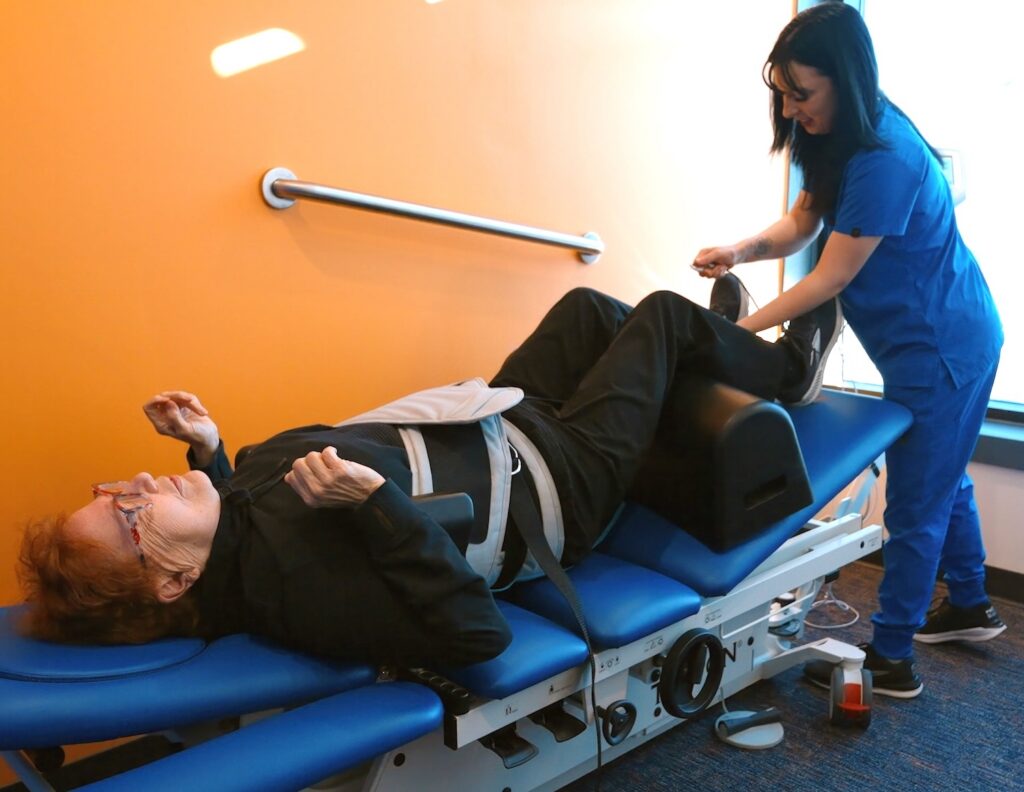
Non-surgical spinal decompression is a gentle, computer-guided traction therapy used by chiropractors to reduce pressure on spinal discs and nerves. You’re positioned comfortably on a specialized table while controlled, cyclical traction creates a slight “unloading” of the spine. The goal is to relieve nerve irritation, improve disc hydration and nutrient exchange, and create a better environment for healing.
It is different from surgical decompression. There are no incisions, no drugs, and no downtime. It’s a conservative, chiropractic-first option that can be incorporated into a personalized care plan when appropriate.
Who May Be a Good Candidate in Roseville?
We consider decompression when the spine shows signs of disc or nerve-related irritation and when your exam suggests you’ll respond well to gentle traction. Below are common patterns we see at Natural Ways Chiropractic.
| Common Situation | What You Might Feel | Why Decompression May Help |
|---|---|---|
| Lumbar disc bulge or herniation | Low back pain with sharp, shooting pain down one leg (sciatica); worse with bending/sitting | Reduces disc pressure and nerve irritation, allowing inflamed tissues to calm |
| Cervical disc irritation | Neck pain with radiating arm pain, tingling, or numbness; head-forward posture | Gently opens cervical spaces to ease pressure on irritated nerve roots |
| Degenerative disc changes | Stiffness, achy pain after activity or long sitting/standing | Promotes motion and fluid exchange to support disc nutrition |
| Spinal stenosis (mild-to-moderate) | Leg heaviness or pain with walking/standing that improves when sitting or bending | May create temporary relief by increasing space around nerves |
| Facet joint irritation | Localized back or neck pain, often worse with extension or twisting | Reduces compressive load on facet joints during traction cycles |
Every spine is unique, so we confirm candidacy with a thorough evaluation that includes history, orthopedic and neurological testing, and—when indicated—review of prior imaging or referral for new imaging.
Who Should Avoid Spinal Decompression?
There are conditions where decompression is not appropriate. Safety comes first. We do not recommend decompression in situations such as:
- Known spinal fracture, active cancer, or spinal infection
- Severe or unstable osteoporosis
- Recent spinal surgery or implanted spinal hardware that isn’t traction-compatible
- Spinal instability that makes traction unsafe
- Abdominal aortic aneurysm or certain vascular conditions
- Pregnancy (for lumbar decompression)
- Progressive neurological deficits (worsening weakness, loss of function)
If any red flags appear during your evaluation, we’ll discuss the best next steps and, when needed, coordinate appropriate medical referral. Your health always comes first.
How Chiropractic Care at Natural Ways Chiropractic Uses Decompression
At Natural Ways Chiropractic, chiropractic care is the foundation of your plan—not an add-on. Spinal decompression is a chiropractic tool we use when your exam shows it’s the right fit. Our focus is to restore healthy motion, improve alignment, calm irritated nerves, and help your body move the way it was designed.
Your care may include precise chiropractic adjustments, targeted decompression sessions, and simple home strategies to reinforce your progress. We monitor how you respond, adjust settings thoughtfully, and progress your plan as your mobility and comfort improve.
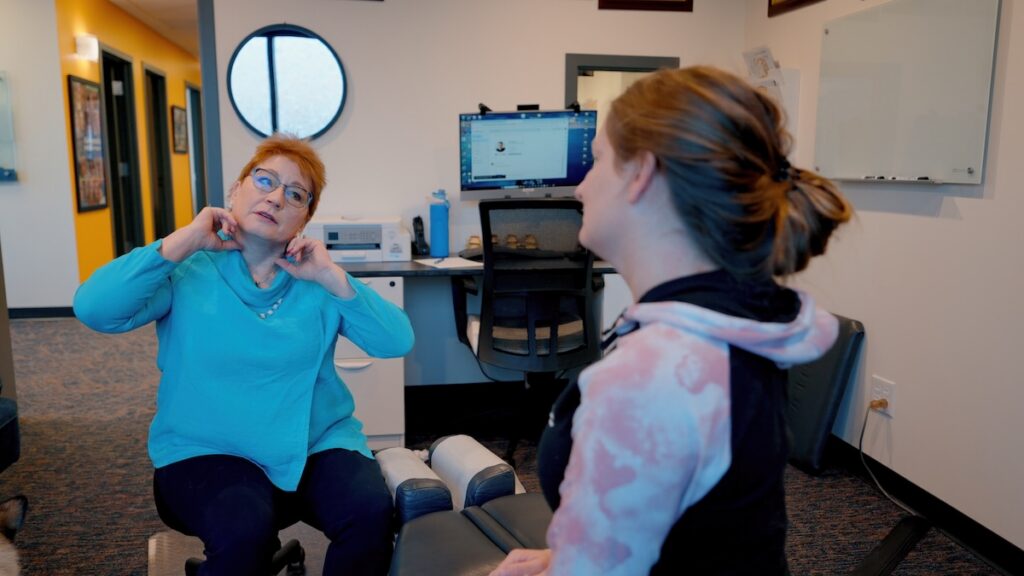
Most importantly, you’ll understand the “why” behind each step. We explain your findings in plain language so you feel confident about your choices and your body.
What to Expect at Your First Visit
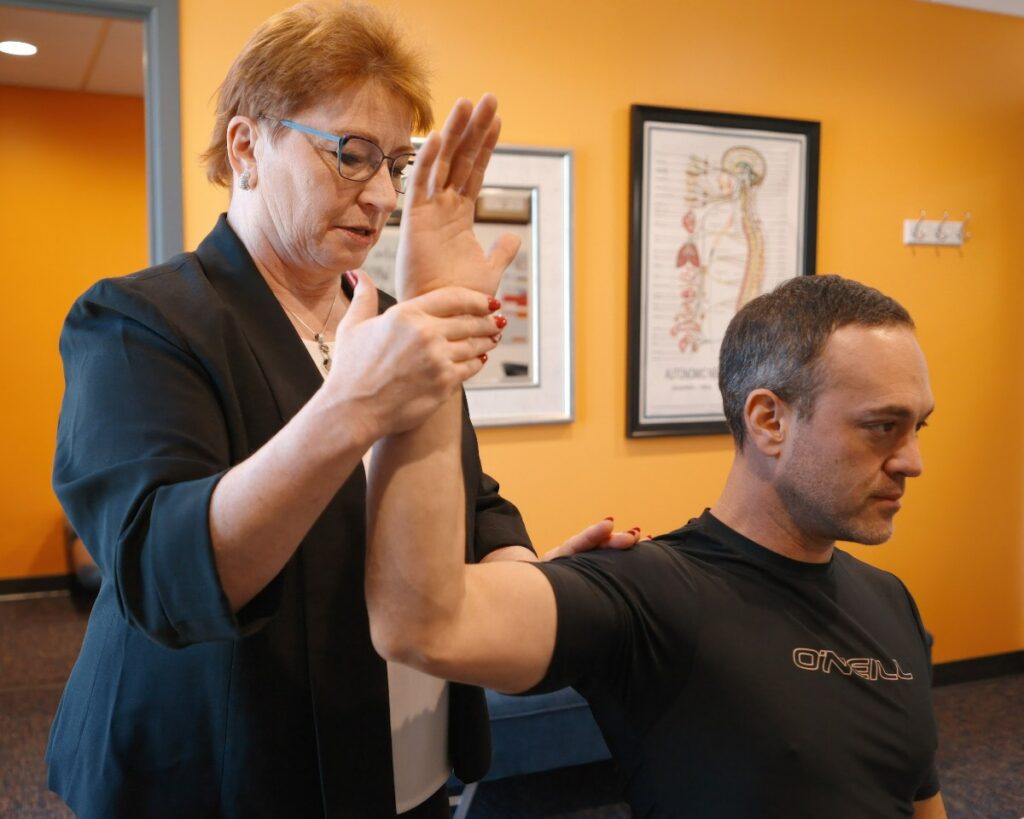
Your first visit in our Roseville office is all about clarity and comfort. We start with a detailed conversation about your symptoms, health history, daily activities, and goals. Then we perform a hands-on exam to check posture, range of motion, joint function, and nerve health.
If we believe decompression could help, we’ll explain exactly how it works, what the session feels like, and how we measure progress. If we do not think decompression is right for you, we’ll explain why and recommend a chiropractic plan that better fits your needs.
What Results Do People Typically Notice?
Responses vary, but many patients describe a sense of “pressure relief,” easier movement, or gradual reduction in radiating pain as inflammation settles. Some notice changes quickly, while others improve steadily over a series of visits as the spine regains motion and irritated tissues calm down.
Our role is to guide your progress safely, track your improvement, and fine-tune your plan so gains are steady and sustainable. We never promise overnight fixes—our focus is on durable, real-world results.
Practical Tips to Support Your Spine
- Change positions often. Set a timer to stand, walk, or stretch for 1–2 minutes every 30–45 minutes.
- Keep screens at eye level. This reduces forward head posture and neck strain.
- Use your hips, not your back. When lifting, hinge at the hips and keep objects close to your body.
- Sleep smart. Side-lying with a pillow between the knees or on your back with knees slightly elevated can ease pressure on the spine.
- Stay hydrated and walk daily. Discs rely on fluid exchange and gentle movement to stay healthy.
When to See a Chiropractor
Consider a chiropractic evaluation if you have:
- Back or neck pain lasting more than a couple of weeks
- Radiating pain, tingling, or numbness into an arm or leg
- Pain that keeps returning after “resting it” or taking breaks from activity
- Stiffness or reduced range of motion that limits daily life or work
- Pain after a minor strain or awkward lift that just isn’t settling
Chiropractic is a frontline, conservative approach for spine and nerve-related pain. The sooner we evaluate, the sooner we can map a plan that fits your body and goals.
When Urgent Medical Care Is Needed
Some symptoms require immediate medical attention rather than conservative care. Seek urgent care or emergency evaluation if you experience:
- New or worsening weakness in an arm or leg, loss of bowel or bladder control, or severe numbness in the “saddle” area
- Fever with severe back pain, history of cancer with new spine pain, or recent major trauma
- Unrelenting, night-waking pain that does not change with position
If any of these red flags appear during your visit, we will guide you to the appropriate next step right away.
Myths and Facts About Spinal Decompression
- Myth: Spinal decompression is the same as surgery.
- Fact: Non-surgical decompression is a conservative, traction-based chiropractic therapy—no incisions, no anesthesia, and typically no downtime.
- Myth: Decompression is a cure-all for every back problem.
- Fact: It’s a specific tool for specific spine and nerve issues. A proper exam determines if it’s the right fit.
- Myth: If I feel better once, I’m “fixed.”
- Fact: Pain relief is a start, but durable results come from restoring healthy motion, alignment, and daily habits over time.
- Myth: Traction always hurts.
- Fact: Modern decompression is designed to be gentle. If something doesn’t feel right, we adjust the settings or pause.
A Local Note from Our Roseville Team
We’re proud to serve the Roseville community with clear answers and careful, patient-first chiropractic care. If you’re curious whether spinal decompression could help your specific neck or back issue, we’d be happy to evaluate you, explain your options in plain language, and design a plan you can feel confident about.
FAQs
Is spinal decompression safe?
When used for the right patient and delivered by a trained chiropractor, decompression is generally considered safe. We screen for conditions that would make it inappropriate and monitor you closely.
How does decompression feel?
Most patients describe a gentle stretch or “unloading” sensation. It should not feel sharp or alarming. If you’re uncomfortable, we adjust the settings.
Will I need imaging before decompression?
Not always. We base the decision on your history and exam. If imaging will change the plan or improve safety, we’ll discuss it with you.
How soon will I notice improvement?
It varies. Some feel relief quickly, while others improve gradually over a series of visits. We track your progress and tailor care accordingly.
Is decompression the same as regular traction?
Decompression uses controlled, intermittent traction with specific angles and forces designed to reduce disc pressure. It’s more targeted than basic, static traction.
Can decompression help spinal stenosis?
Some people with mild-to-moderate stenosis report relief, especially when symptoms ease with bending or sitting. An exam helps determine fit.
TL;DR
- Spinal decompression is a gentle, non-surgical chiropractic therapy designed to reduce pressure on spinal discs and nerves.
- Good candidates often include adults with persistent neck or low back pain related to disc issues, sciatica, or certain cases of spinal stenosis.
- A proper chiropractic evaluation helps determine whether decompression is the right fit for your specific condition.
- At Natural Ways Chiropractic in Roseville, decompression is used as part of a personalized chiropractic care plan focused on improving movement, reducing nerve irritation, and supporting healing.
- If you’ve been dealing with ongoing spine-related pain, a professional evaluation can help identify the most appropriate treatment options.