If you’ve ever tried to reach for something on a high shelf, only to feel a sharp, stabbing pain in your shoulder that stops you in your tracks, you’re not alone. Frozen shoulder is one of those conditions that can sneak up on you, gradually limiting your movement until even the simplest tasks—like brushing your hair or fastening a seatbelt—become frustrating challenges. Here in Roseville, MN, we see many patients at Natural Ways Chiropractic who’ve been struggling with this condition, often for months, wondering if they’ll ever regain their full range of motion. The good news is that frozen shoulder, while uncomfortable and limiting, doesn’t have to be permanent. Understanding what’s happening in your shoulder joint and exploring conservative, drug-free approaches like chiropractic care can make a significant difference in your recovery journey.
What is frozen shoulder? Frozen shoulder, medically known as adhesive capsulitis, is a condition characterized by stiffness, pain, and severely restricted movement in the shoulder joint. The shoulder capsule—the connective tissue surrounding the joint—thickens and tightens, forming adhesions that limit mobility and cause discomfort.
Table of Contents
- Understanding Frozen Shoulder: What’s Really Happening
- Common Causes and Risk Factors
- Recognizing the Symptoms and Stages
- How Chiropractic Care Fits Into Your Recovery
- Practical Tips for Managing Frozen Shoulder at Home
- When to See a Chiropractor for Shoulder Pain
- Understanding Your Treatment Options
- Myths vs. Facts About Frozen Shoulder
- Final Thoughts from Natural Ways Chiropractic
Understanding Frozen Shoulder: What’s Really Happening
Your shoulder is one of the most mobile joints in your entire body, allowing you to reach, lift, throw, and rotate your arm in multiple directions. This incredible range of motion is made possible by the glenohumeral joint, where the rounded head of your upper arm bone fits into a shallow socket in your shoulder blade. Surrounding this joint is a capsule of connective tissue that holds everything together while allowing fluid movement.
In frozen shoulder, this capsule becomes inflamed and gradually thickens. Bands of scar tissue, called adhesions, begin to form. These adhesions restrict the capsule’s ability to expand and contract, which is why movement becomes so limited. Think of it like a balloon that’s slowly deflating and sticking to itself—it can no longer stretch in all directions the way it should.
The condition typically develops slowly and progresses through three distinct stages. The freezing stage involves increasing pain and stiffness over weeks to months. The frozen stage is characterized by less pain but maximum stiffness and severely limited range of motion. Finally, the thawing stage brings gradual improvement as mobility slowly returns. The entire process can take anywhere from one to three years if left untreated, though conservative care approaches can often speed recovery significantly.
Research published in the BMJ indicates that adhesive capsulitis affects approximately 2-5% of the general population, with higher rates among individuals with certain health conditions. At Natural Ways Chiropractic in Roseville, we’ve observed that many patients don’t realize what they’re dealing with at first, often dismissing early symptoms as a minor strain or age-related stiffness.
Common Causes and Risk Factors
Frozen shoulder doesn’t always have a clear, identifiable cause, which can be frustrating for patients trying to understand why it’s happening to them. However, certain factors do increase your risk of developing this condition.
One of the most common triggers is prolonged immobilization of the shoulder. This often happens after an injury, surgery, or stroke when the shoulder is kept in one position for an extended period. When the joint isn’t moving regularly, the capsule can begin to tighten and adhere to itself. We see this frequently in our Roseville practice among patients who’ve had to wear a sling for weeks or who’ve avoided using their shoulder due to pain from an unrelated injury.
Certain systemic conditions significantly increase the risk of frozen shoulder. Diabetes is perhaps the most significant risk factor, with research suggesting that people with diabetes are two to four times more likely to develop adhesive capsulitis than the general population. Thyroid disorders, including both hyperthyroidism and hypothyroidism, also show strong associations with frozen shoulder. Cardiovascular disease and Parkinson’s disease have been linked to higher incidence rates as well.
Age plays a role, too. Frozen shoulder most commonly affects people between 40 and 60 years old. Women are slightly more likely to develop the condition than men. If you’ve had frozen shoulder in one shoulder, you’re at increased risk of developing it in the other shoulder, though not necessarily at the same time.
Interestingly, there doesn’t always have to be a dramatic injury or obvious cause. Sometimes frozen shoulder develops gradually without any clear precipitating event. This is called primary or idiopathic frozen shoulder. When it develops following an injury or surgery, it’s termed secondary frozen shoulder.
Recognizing the Symptoms and Stages
The hallmark symptoms of frozen shoulder are pain and progressive stiffness in the shoulder joint, but the way these symptoms present can vary considerably depending on which stage you’re in.
The Freezing Stage typically lasts from six weeks to nine months. During this phase, you’ll notice gradually increasing pain in your shoulder, often worse at night. The pain can be sharp and severe, disrupting sleep when you roll onto the affected shoulder. Movement becomes progressively more limited, and you might start compensating by using your other arm more or avoiding certain motions altogether. Many patients describe a dull, aching sensation that radiates down the arm.
The Frozen Stage lasts from four to twelve months. Paradoxically, pain often improves during this phase, but stiffness reaches its peak. Your shoulder feels locked in place, and you may have difficulty with basic tasks like reaching behind your back to tuck in a shirt, reaching overhead to grab items from cabinets, or reaching across your body. External rotation—rotating your arm away from your body—is typically the most restricted movement. Patients at Natural Ways Chiropractic in Roseville often tell us this is when daily activities become most challenging.
The Thawing Stage can last anywhere from six months to two years. Range of motion gradually improves during this phase, though complete recovery to pre-injury mobility isn’t guaranteed without intervention. Strength may need rebuilding as muscles have weakened from disuse during the frozen stage.
It’s important to distinguish frozen shoulder from other shoulder conditions like rotator cuff tears or shoulder impingement. One key difference is that with frozen shoulder, both active movement (when you move your arm yourself) and passive movement (when someone else moves your arm for you) are restricted. With rotator cuff problems, passive movement is often less restricted than active movement.
How Chiropractic Care Fits Into Your Recovery
Chiropractic care offers a conservative, non-surgical approach to managing frozen shoulder that focuses on restoring proper joint mechanics, reducing inflammation, and improving overall shoulder function. At Natural Ways Chiropractic, we recognize that frozen shoulder isn’t just about the glenohumeral joint itself—the entire shoulder complex, including the spine, ribs, and surrounding soft tissues, plays a role in shoulder function and recovery.
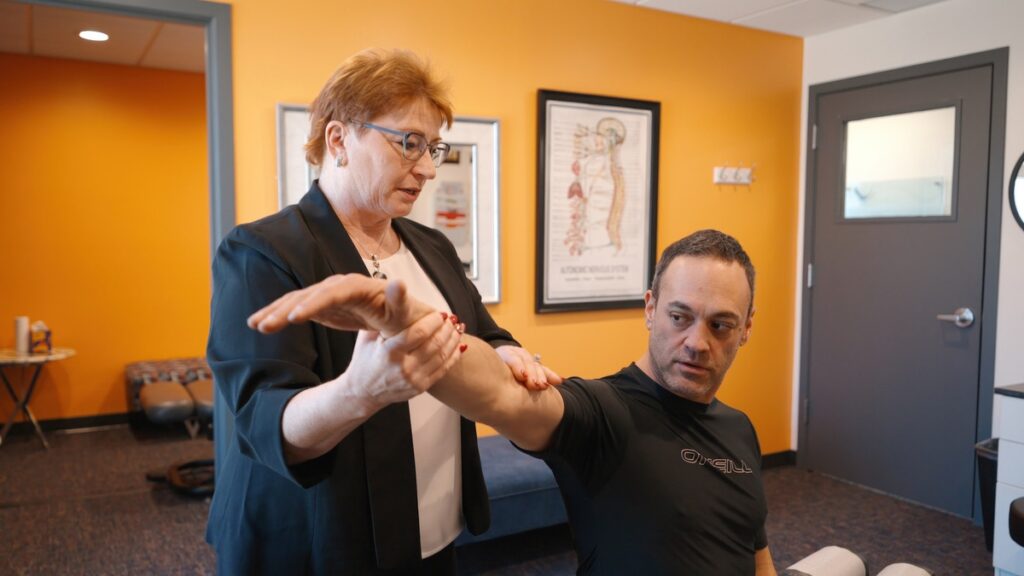
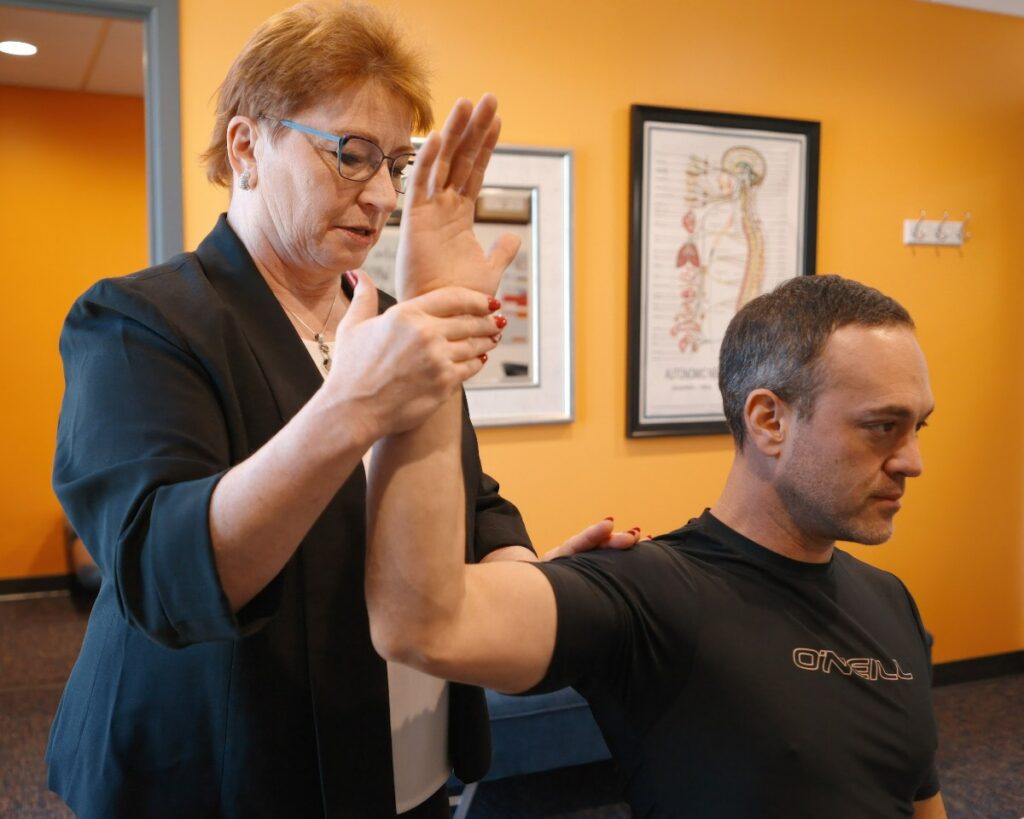
When you come to our Roseville office with shoulder complaints, we start with a thorough evaluation. This includes assessing your range of motion in all directions, examining posture and spinal alignment, checking for compensatory patterns in your neck and upper back, and identifying trigger points or muscle tension that may be contributing to your symptoms. We also consider your overall health history, as conditions like diabetes or thyroid disorders influence our approach to care.
Chiropractic treatment for frozen shoulder typically involves multiple components. Gentle joint mobilization helps restore movement to restricted areas without forcing the joint beyond its current capabilities. Evidence suggests that controlled, progressive mobilization can help break up adhesions and improve capsular mobility. We may also address restrictions in the thoracic spine and ribs, as these areas directly affect shoulder mechanics.
Soft tissue techniques target the muscles, fascia, and other connective tissues surrounding the shoulder. Techniques like instrument-assisted soft tissue mobilization or myofascial release can help reduce muscle tension, improve blood flow, and promote healing. The muscles of the rotator cuff, deltoid, pectoral muscles, and upper back all influence shoulder function and may need attention during treatment.
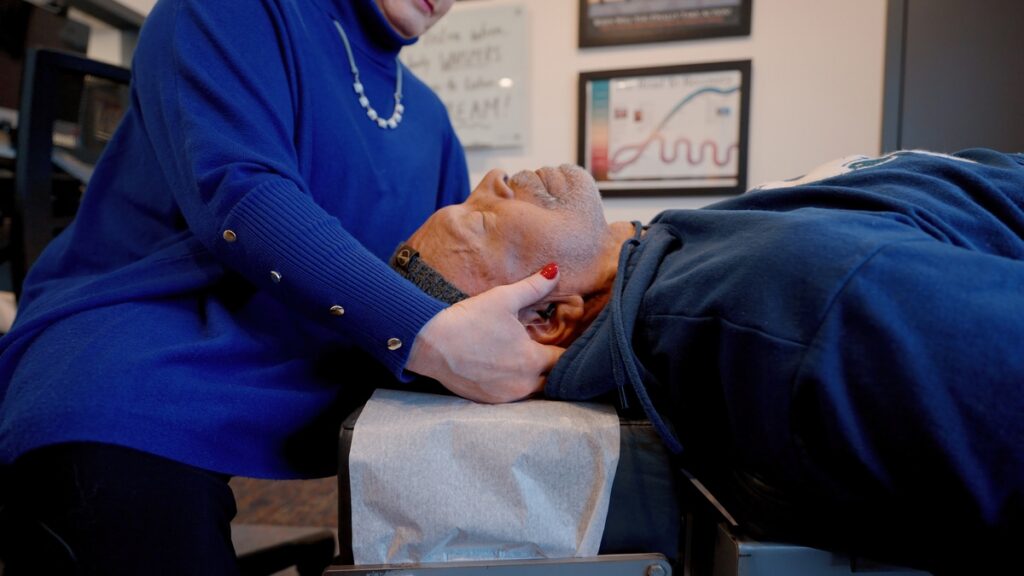
Many patients benefit from adjustments to the cervical and thoracic spine. When the spine isn’t moving properly, it can affect nerve function and create compensation patterns that worsen shoulder symptoms. Restoring proper spinal alignment and motion can improve overall function and reduce stress on the shoulder joint.
What sets chiropractic care apart is the individualized approach. There’s no one-size-fits-all treatment for frozen shoulder. Your care plan depends on which stage you’re in, your pain levels, your overall health, and how your body responds to initial treatment. During the freezing stage, we focus more on pain management and maintaining whatever motion remains. During the frozen stage, gentle mobilization becomes more prominent. In the thawing stage, we can be more aggressive with restoring full range of motion and rebuilding strength.
Research published in the Journal of Chiropractic Medicine has shown that multimodal chiropractic care, including joint manipulation and soft tissue therapy, can improve outcomes for patients with shoulder conditions. While frozen shoulder can be stubborn, many patients experience meaningful improvements in pain levels, range of motion, and function with consistent conservative care.
Practical Tips for Managing Frozen Shoulder at Home
While professional care is important for frozen shoulder, there’s a lot you can do at home to support your recovery. These strategies can help manage pain, maintain mobility, and prevent further stiffness.
Gentle Range-of-Motion Exercises: The key word here is gentle. Pendulum exercises are particularly helpful—lean forward slightly and let your affected arm hang down, then gently swing it in small circles, forward and back, and side to side. This uses gravity to move the arm without forcing it. Do these several times throughout the day.
Avoid Complete Immobilization: While rest is important when pain is severe, completely avoiding movement can make frozen shoulder worse. Try to move your shoulder through its available range of motion multiple times daily, even if that range is small. Move to the point of mild discomfort but not sharp pain.
Apply Heat Appropriately: Heat can help relax tight muscles and improve circulation before gentle stretching. Use a heating pad or warm shower for 10-15 minutes before doing range-of-motion exercises. Some people find alternating heat and ice helpful, but listen to your body—use what feels best.
Sleep Position Matters: Nighttime pain is common with frozen shoulder. Try sleeping on your unaffected side with a pillow between your arms to support the affected shoulder. If you must sleep on your back, place a pillow under your affected arm to prevent it from falling backward into external rotation, which can be painful.
Modify Daily Activities: Don’t push through severe pain trying to maintain your normal routine. Find alternative ways to accomplish tasks. Use your other arm when possible. Keep frequently used items at waist level rather than overhead. Break activities into smaller chunks with rest periods.
Stay Active Overall: While your shoulder is limited, don’t let the rest of your body become deconditioned. Walking, lower body exercises, and gentle core work can all continue. Maintaining overall fitness supports healing and prevents secondary problems from developing.
Mind Your Posture: Forward head posture and rounded shoulders put extra stress on the shoulder joint. Here in Roseville, many of our patients work at computers, which can worsen postural issues. Set reminders to check your posture throughout the day—keep your ears over your shoulders, shoulders back and down, and chest open.
Manage Stress: Chronic stress can increase muscle tension and inflammation throughout the body. Deep breathing, meditation, gentle yoga, or whatever relaxation techniques work for you can support the healing process.
When to See a Chiropractor for Shoulder Pain
Not every shoulder ache requires immediate professional attention, but certain signs indicate it’s time to seek evaluation and care. Understanding when to reach out can prevent a minor issue from becoming a chronic problem.
Consider scheduling an appointment at Natural Ways Chiropractic if your shoulder pain and stiffness have persisted for more than a few weeks despite home care measures. Early intervention often leads to better outcomes with frozen shoulder. If you’re noticing progressive loss of range of motion—each week you can reach a little less or rotate a little less—that’s a warning sign that shouldn’t be ignored.
Pain that consistently disrupts your sleep is another indicator that professional help may be beneficial. While some discomfort with position changes is normal when you’re injured, pain that regularly wakes you at night or prevents you from falling asleep deserves attention. Frozen shoulder is notorious for nighttime pain, particularly during the freezing stage.
If you’re having difficulty with basic daily activities—dressing yourself, washing your hair, reaching items from shelves, or performing job duties—it’s time to get evaluated. Quality of life matters, and you don’t have to simply endure severe functional limitations.
Certain red flags warrant prompt evaluation. Seek immediate medical attention if you experience sudden, severe shoulder pain following an injury or trauma. Shoulder pain accompanied by chest pain, shortness of breath, or feeling faint could indicate a cardiac issue and requires emergency care. If you have shoulder pain with fever, redness, or warmth around the joint, this could signal infection. Weakness or numbness that extends down your arm, particularly if accompanied by neck pain, might indicate a neurological issue.
For residents in the Roseville, Minnesota area, Natural Ways Chiropractic provides thorough evaluations to determine whether your symptoms are consistent with frozen shoulder or another condition requiring different care. We’ll also identify cases where co-management with other healthcare providers or referral to a medical specialist is appropriate.
Understanding Your Treatment Options
| Treatment Approach | What It Involves | Typical Timeline | Best For |
|---|---|---|---|
| Chiropractic Care | Joint mobilization, soft tissue therapy, spinal adjustments, rehabilitative exercises | Ongoing care over weeks to months | Non-invasive pain relief, restoring mobility, addressing biomechanical factors |
| Physical Therapy | Stretching, strengthening exercises, manual therapy, modalities | Several sessions weekly for weeks to months | Rebuilding strength, improving function, structured exercise programs |
| Pain Medications | Over-the-counter or prescription anti-inflammatories, pain relievers | Short-term use during acute pain phases | Temporary pain management, reducing inflammation |
| Corticosteroid Injections | Anti-inflammatory medication injected into shoulder joint | Single injection, effects last weeks to months | Severe pain interfering with therapy, early freezing stage |
| Surgical Intervention | Manipulation under anesthesia or arthroscopic capsular release | Surgery followed by intensive rehabilitation | Cases not responding to conservative care after 6-12 months |
Each approach has its place in managing frozen shoulder, and they’re not mutually exclusive. Many patients achieve the best results with a combination of conservative therapies. At Natural Ways Chiropractic in Roseville, we believe in starting with the least invasive approaches and escalating care only when necessary. The goal is always to help your body heal naturally while managing symptoms and restoring function.
Myths vs. Facts About Frozen Shoulder
Myth: Frozen shoulder will resolve on its own quickly, so treatment isn’t necessary
Fact: While frozen shoulder can eventually resolve without treatment, the natural course typically takes one to three years and may result in permanent limitation of range of motion. Conservative interventions like chiropractic care can significantly shorten recovery time and improve final outcomes. Research indicates that patients who receive appropriate care generally experience better long-term function than those who adopt a “wait and see” approach.
Myth: You should completely rest a frozen shoulder and avoid all movement
Fact: Complete immobilization typically worsens frozen shoulder rather than helping it heal. Gentle, controlled movement within your pain-free range is essential for preventing further adhesion formation and maintaining whatever mobility remains. The key is finding the balance between appropriate rest and maintaining movement—something a chiropractor can help guide you through based on your specific stage and symptoms.
Myth: Frozen shoulder is just a natural part of aging and nothing can be done about it
Fact: While frozen shoulder is more common in people over 40, it’s not an inevitable consequence of aging. It’s a specific condition involving inflammation and adhesion formation in the shoulder capsule. Multiple treatment approaches, including chiropractic care, manual therapy, and rehabilitative exercises, have been shown to improve outcomes. Age doesn’t mean you should simply accept limited function and chronic pain.
Myth: Aggressive stretching and “pushing through the pain” will break up a frozen shoulder faster
Fact: Overly aggressive stretching can actually increase inflammation and worsen symptoms, potentially causing additional injury. The frozen shoulder capsule is inflamed and fragile—forcing movement beyond your current range can create more damage and prolong recovery. Progressive, controlled mobilization guided by a healthcare provider is far more effective than aggressive self-treatment.
Myth: Chiropractic care is only for backs and necks, not shoulders
Fact: Chiropractors are trained in the diagnosis and treatment of musculoskeletal conditions throughout the entire body, including shoulders, hips, knees, and other extremity joints. Many chiropractors, including those of us at Natural Ways Chiropractic, have extensive experience treating shoulder conditions. Chiropractic education includes detailed study of extremity biomechanics, and many practitioners pursue additional training in extremity techniques specifically for conditions like frozen shoulder.
Final Thoughts from Natural Ways Chiropractic
Frozen shoulder can feel discouraging, especially when it interferes with your work, hobbies, and daily routines. But understanding what’s happening in your shoulder and knowing that effective, conservative treatment options exist can make all the difference in your outlook and recovery.
Here in Roseville, we’ve had the privilege of helping many patients work through frozen shoulder and regain the function they thought they’d lost permanently. Every case is unique, and recovery doesn’t always follow a perfectly straight path, but with patience, appropriate care, and consistency, most people experience significant improvement.
If you’re dealing with shoulder pain and stiffness that just won’t quit, don’t assume you simply have to live with it or wait years for improvement. Natural Ways Chiropractic is here to provide the thorough evaluation and individualized care you need. We’ll take the time to understand your specific situation, explain what’s happening in terms you can understand, and develop a treatment plan tailored to your needs and goals.
Your shoulder is designed for movement and function. When that’s compromised, it affects nearly everything you do. But with the right approach, that movement can be restored. We’re here in Roseville, MN, ready to help you break through the limitations of frozen shoulder and get back to living your life fully.
Frequently Asked Questions
How long does it take to recover from frozen shoulder with chiropractic care?
Recovery time varies significantly based on which stage you’re in when you begin care, the severity of adhesions, and how consistently you follow your treatment plan. Many patients notice improvements in pain and function within 4-8 weeks of starting care, though complete resolution typically takes several months. Starting treatment early, particularly during the freezing stage, generally leads to shorter overall recovery times than waiting until the frozen stage.
Can frozen shoulder come back after it’s healed?
Recurrence in the same shoulder is uncommon once frozen shoulder has fully resolved. However, research suggests that approximately 6-17% of people who’ve had frozen shoulder in one shoulder will eventually develop it in the opposite shoulder. Maintaining good shoulder mobility, addressing underlying health conditions like diabetes, and staying active can help reduce this risk.
Is frozen shoulder the same as a rotator cuff injury?
No, these are different conditions, though they can sometimes occur together. A rotator cuff injury involves damage to the muscles and tendons that stabilize the shoulder, while frozen shoulder involves inflammation and adhesions in the joint capsule itself. Rotator cuff injuries typically maintain relatively normal passive range of motion, whereas frozen shoulder restricts both active and passive movement equally.
Will insurance cover chiropractic treatment for frozen shoulder?
Many insurance plans include coverage for chiropractic care for extremity conditions like frozen shoulder, though coverage details vary widely between plans. We recommend calling Natural Ways Chiropractic directly to discuss your specific insurance situation. Our team can help you understand your benefits and determine what costs you might expect.
Can I still exercise if I have frozen shoulder?
Yes, staying active is generally beneficial, though you’ll need to modify your routine. Avoid activities that aggravate shoulder pain or require significant shoulder mobility. Lower body exercises, walking, and gentle core work can usually continue. Swimming and activities requiring overhead arm movements may need to be temporarily avoided or modified. Your chiropractor can provide specific guidance on which activities are appropriate for your current stage.
Should I use heat or ice for frozen shoulder pain?
Most people find heat more helpful for frozen shoulder, particularly before gentle stretching or range-of-motion exercises. Heat helps relax tight muscles and improve circulation. Ice can be useful if you’re experiencing acute inflammation or after activities that aggravate symptoms. Experiment with both to see what provides the most relief for your specific symptoms, and consider asking your chiropractor for personalized recommendations.
TL;DR – Key Takeaways
- Frozen shoulder (adhesive capsulitis) involves inflammation and thickening of the shoulder capsule, causing pain and severely restricted movement that progresses through three stages over months to years.
- Chiropractic care offers a conservative, drug-free approach focusing on gentle joint mobilization, soft tissue therapy, spinal alignment, and individualized rehabilitation to restore shoulder function and reduce pain.
- Risk factors include diabetes, thyroid disorders, prolonged immobilization, and age between 40-60 years, with women slightly more affected than men.
- Home management should include gentle daily range-of-motion exercises, appropriate heat application, proper sleep positioning, and postural awareness while avoiding complete immobilization or aggressive stretching.
- Early professional evaluation and treatment at Natural Ways Chiropractic in Roseville, MN, typically leads to better outcomes and shorter recovery times than waiting for natural resolution, which can take years.