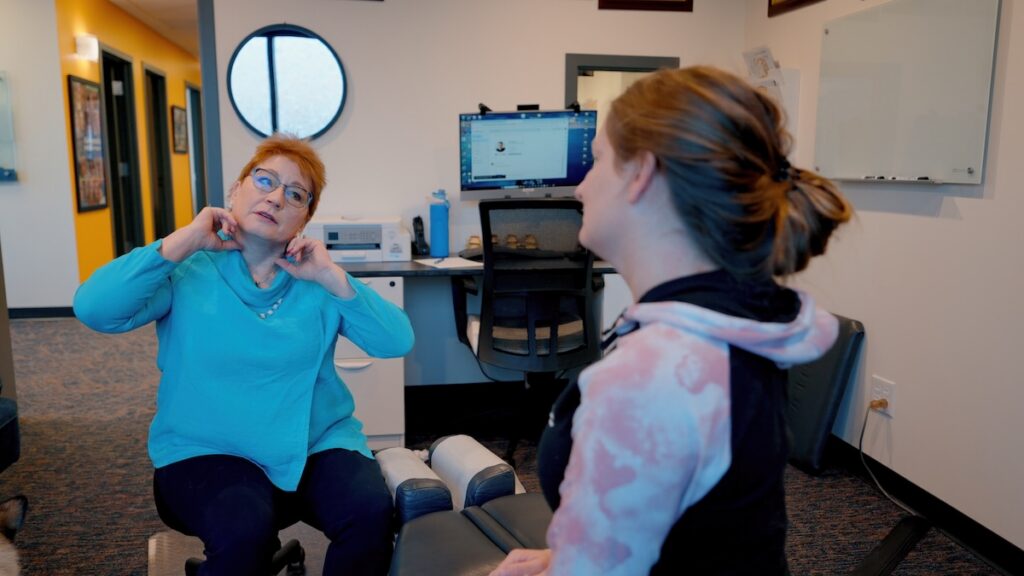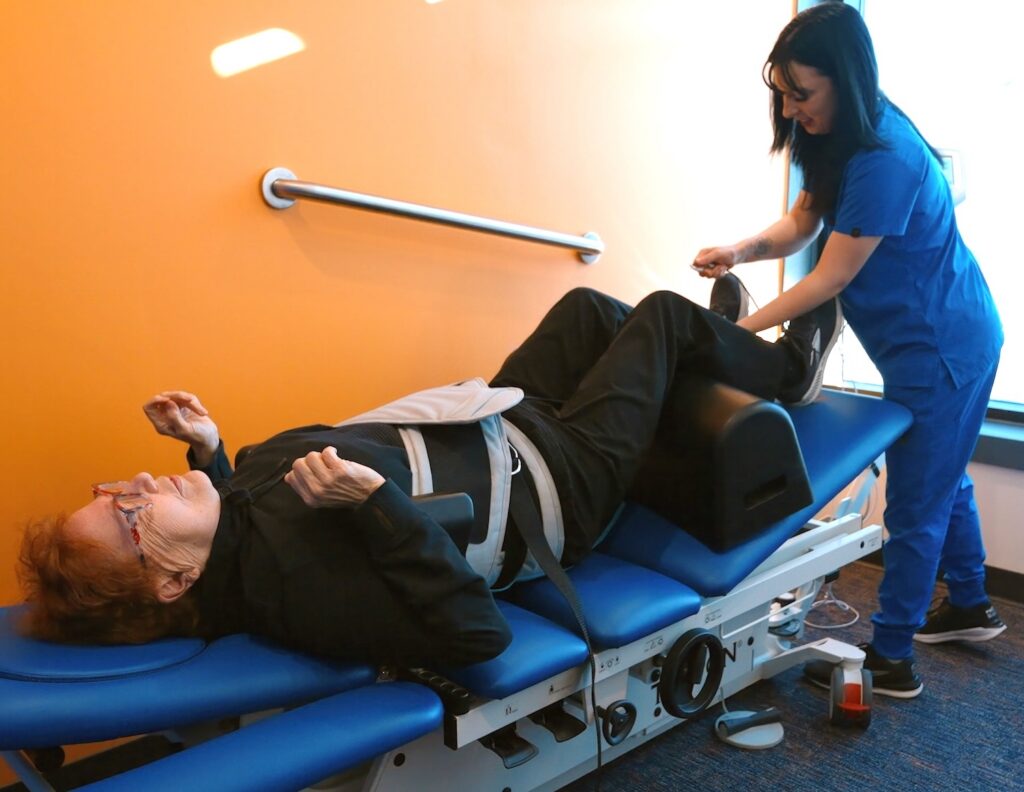
Improving joint flexibility is essential for enhancing your overall mobility and minimizing the risk of injuries. As a local chiropractor, I want to share how incorporating chiropractic care into your routine can effectively target tight muscles and restricted joints, helping you achieve optimal health.
Chiropractic adjustments play a crucial role in promoting flexibility by aligning your spine and improving your body’s function. When your spine is in proper alignment, it allows for better nerve communication and blood flow, which can lead to increased flexibility and reduced tension in your muscles and joints.
In addition to chiropractic adjustments, consider adding some gentle stretches and mobility exercises to your daily routine. Simple movements, such as neck rolls, shoulder shrugs, and gentle hip openers, can help keep your joints limber. Always listen to your body and avoid pushing yourself too hard—consistency is key to seeing improvements over time.
Another effective strategy is to incorporate myofascial release techniques, which can be done using a foam roller or massage ball. This helps to release tight fascia around your muscles and joints, enhancing your flexibility and overall comfort.
Remember, regular visits to your chiropractor can provide ongoing support in your flexibility journey. Your chiropractor can guide you on proper techniques tailored to your specific needs, ensuring that you’re on the right path to achieving and maintaining optimal health naturally.
By focusing on these chiropractic-centered approaches and incorporating simple stretches into your daily routine, you can significantly improve your joint flexibility and enjoy a healthier, more active lifestyle.
Key Takeaways
- As a chiropractor, I want to emphasize that manual therapy techniques, such as joint mobilization, are fantastic ways to relieve movement restrictions and significantly improve your joint flexibility. These hands-on approaches can make a real difference in how you feel and move.
- Another effective method we often use is soft tissue manipulation. This technique helps to release tension in the muscles surrounding your joints, which can enhance your overall flexibility and allow for better joint movement.
- I also encourage you to incorporate foam rolling into your wellness routine. This simple tool can help reduce muscle tightness and speed up recovery, which is essential for maintaining optimal joint function.
- Regular stretching is crucial for keeping your joints flexible. Both dynamic stretching (which involves movement) and static stretching (holding a position) should be part of your daily activities to help improve and maintain flexibility over time.
- Finally, seeking professional guidance from a chiropractor can be incredibly beneficial. We can provide personalized techniques tailored to your unique flexibility needs and help you optimize your spinal health. Remember, chiropractic care is a natural way to achieve better health and wellness without the need for medications or surgeries. Embrace these tips, and you’ll be on your way to feeling your best!
Understanding Joint Flexibility and Its Importance
Joint flexibility is vital for maintaining overall physical health and mobility. When your joints move freely and smoothly, everyday activities become easier and more comfortable. Good flexibility not only enhances your range of motion but also boosts your athletic performance and minimizes the risk of injuries. Simple tasks like bending, lifting, and reaching can be accomplished with greater ease and efficiency.
Moreover, understanding joint flexibility allows you to appreciate its role in maintaining proper posture and alignment. When your joints are flexible, they contribute to better body mechanics, which reduces strain on muscles and ligaments. This balance is key to preventing chronic pain and discomfort, keeping you active and engaged in all aspects of life.
As a chiropractor, I encourage you to incorporate joint flexibility exercises into your daily routine. This can lead to long-term benefits, including improved strength and endurance. Prioritizing flexibility is an investment in your well-being, allowing you to enjoy a more active and fulfilling lifestyle.
Here are a few tips to help you enhance your joint flexibility naturally:
- Stretch Regularly: Incorporate stretches into your daily routine. Simple stretches can improve your flexibility and help relieve tension in your muscles.
- Stay Hydrated: Drink plenty of water to keep your joints lubricated and functioning well.
- Warm-Up Before Activity: Always warm up your body before engaging in physical activity. This helps prepare your joints for movement and reduces the risk of injury.
- Focus on Posture: Pay attention to your posture throughout the day. Good posture supports joint alignment and reduces unnecessary strain.
- Consider Chiropractic Care: Regular chiropractic adjustments can help maintain joint flexibility by ensuring that your spine and joints are properly aligned. This promotes overall joint health and can alleviate discomfort.
The Role of Stretching in Enhancing Flexibility
Stretching is a vital component in enhancing flexibility and maintaining overall spinal health. It directly influences the range of motion in your joints, which is crucial for a healthy, active lifestyle. By weaving regular stretching into your daily routine, you can significantly improve your muscle elasticity and joint mobility, which is essential for preventing pain and promoting natural healing.
Dynamic stretching is particularly beneficial as it warms up your muscles and prepares them for physical activity. On the other hand, static stretching is great for lengthening muscles and increasing flexibility after exercise. Both types of stretching can help alleviate muscle tightness and boost blood flow, aiding recovery and minimizing the risk of injury.
Incorporating stretching into your routine can also relieve tension, making everyday activities more manageable and enjoyable. Aim to stretch your major muscle groups at least three times a week, holding each stretch for 15 to 30 seconds. With consistent practice, you’ll notice improvements in flexibility, better posture, and enhanced overall physical performance.
As a chiropractor, I encourage you to make stretching a priority for your health. Remember, a flexible body is less prone to injury and discomfort. If you ever experience pain or tightness, consider consulting with a chiropractor who can guide you through appropriate stretches and adjustments tailored to your individual needs.
Prioritizing stretching and chiropractic care can lead you to a path of optimal health and wellness.
Manual Therapy Techniques for Joint Mobility
After adding stretching to your daily routine, consider how chiropractic care can further enhance your joint mobility. Techniques such as joint mobilization and soft tissue manipulation, which are integral to chiropractic practice, can effectively address restrictions in movement.
By focusing on specific joints, we can help improve their range of motion and reduce discomfort, making everyday activities easier and more enjoyable.
When you visit a chiropractor, they’ll assess your individual needs and apply the right techniques tailored to your situation. For instance, gentle mobilization can help release tension around the joint, while soft tissue work can alleviate tightness in the surrounding muscles, promoting better function and overall wellness.
You may notice immediate benefits from chiropractic care, such as reduced pain and increased flexibility. It’s important to share any feelings of discomfort or progress with your chiropractor during your sessions, as open communication helps us provide the best care possible.
By integrating chiropractic care with your stretching routine, you can create a powerful approach to achieving greater joint mobility and overall flexibility.
Here are a few tips to help you get the most out of your chiropractic experience:
- Stay Consistent: Regular visits to your chiropractor can maximize the benefits of your treatment.
- Incorporate Daily Movement: Engage in light physical activity daily to keep your joints mobile.
- Practice Good Posture: Maintaining proper alignment can prevent unnecessary strain on your joints and muscles.
- Stay Hydrated: Drinking enough water supports joint health and overall bodily functions.
Embrace chiropractic care as a natural and effective way to achieve optimal health and wellness, allowing you to live life to the fullest!
Specialized Exercises to Improve Flexibility
To enhance your flexibility effectively and promote overall well-being, incorporating specialized exercises into your routine is essential.
These exercises target specific muscle groups and joints, promoting a greater range of motion while supporting your spinal health. As a chiropractor, I believe that maintaining flexibility plays a crucial role in preventing pain and enhancing your body’s natural healing abilities.
Here are four key exercises you can easily add to your regimen:
- Dynamic Stretching: Begin your workout with dynamic movements, such as gentle leg swings or arm circles. These movements not only help warm up your joints and muscles but also prepare your body for the physical activity ahead, reducing the risk of injury.
- Static Stretching: After your workout, take a moment to hold each stretch for 15-30 seconds. Focus on areas such as your hamstrings, quadriceps, and shoulders. This practice helps improve overall flexibility and can alleviate tension that builds up in your muscles, contributing to better spinal alignment.
- Yoga Poses: Consider incorporating yoga poses like Downward Dog or Cobra into your routine. These poses encourage muscle lengthening and promote balance, which are vital for maintaining a healthy spine. Yoga can also be a great way to reduce stress, further enhancing your overall wellness.
- Foam Rolling: Using a foam roller can be an effective way to release tight muscles and fascia. This not only improves your flexibility but also aids in reducing muscle soreness, allowing your body to recover more efficiently after physical activities.
In addition to these exercises, remember to stay hydrated and listen to your body.
If you feel any discomfort, take a step back and consult with a chiropractic professional who can provide personalized advice and care tailored to your needs.
The Benefits of Warm-Up and Cool-Down Routines
As a local chiropractor, I want to emphasize the importance of warm-up and cool-down routines for your overall health and wellness. These practices aren’t only vital for enhancing your joint flexibility but also play a crucial role in improving your performance in daily activities and sports.
Warm-ups prepare your body for movement by increasing circulation and blood flow, which helps to loosen your muscles and joints. This is particularly important for preventing injuries and strains, as a well-prepared body is less likely to experience discomfort. Incorporating gentle stretches and dynamic movements into your warm-up can make a significant difference in how your body feels during and after your activities.
Cool-down routines are equally important. They help your body transition back to a resting state and can aid in the recovery process. Engaging in light stretching or deep-breathing exercises after your workout can help reduce muscle soreness and promote relaxation.
As you incorporate these routines into your life, remember that chiropractic care can enhance the benefits. Regular visits to your chiropractor can help ensure that your spine is in alignment, which supports better movement and overall wellness. By focusing on spinal health, you can improve your body’s ability to perform and recover from physical activities.
Here are some simple tips to get you started:
- Warm-Up: Begin with 5-10 minutes of light aerobic activity, like walking or cycling, followed by dynamic stretches such as arm circles and leg swings.
- Cool-Down: After your activity, spend 5-10 minutes doing gentle stretches, focusing on major muscle groups you used during your workout.
- Listen to Your Body: If you feel pain or discomfort during your warm-up or cool-down, consult your chiropractor for guidance on how to adjust your routine.
- Stay Consistent: Make these routines a regular part of your fitness regimen to promote long-term health and wellness.
Enhancing Circulation and Blood Flow
Engaging in warm-up and cool-down routines is essential for enhancing circulation and blood flow, which can significantly benefit your overall joint flexibility and health. As a chiropractor, I want to emphasize the importance of these practices and how they can help you achieve optimal wellness naturally. Here are some key advantages of prioritizing warm-ups and cool-downs:
- Increased Oxygen Supply: Improved blood flow means more oxygen reaches your muscles and joints, which can enhance your performance during physical activities. This is especially important for those looking to stay active without discomfort.
- Enhanced Nutrient Delivery: Good circulation is crucial for transporting essential nutrients to your muscles and joints. This not only aids in recovery but also supports flexibility, helping you feel your best as you move throughout your day.
- Reduced Muscle Stiffness: Warm-ups are a fantastic way to prepare your muscles for activity. They make your muscles more pliable, reducing the risk of stiffness and discomfort. Think of it as getting your body ready for action, just like warming up your car on a cold morning!
- Improved Joint Lubrication: Increased blood flow promotes the circulation of synovial fluid, which lubricates your joints and keeps them functioning smoothly. This is vital for maintaining joint health and preventing pain.
Incorporating warm-up and cool-down routines into your daily regimen can greatly enhance your joint flexibility and overall physical performance.
Remember, chiropractic care is also a powerful tool for achieving optimal health naturally. Regular visits to a chiropractor can help ensure your spine is aligned and functioning properly, further supporting your body’s ability to heal and thrive.
To get started, try dedicating a few minutes before and after your physical activities to gentle stretches and movements. Focus on areas that feel tight or sore, and always listen to your body.
With these simple practices, you can take significant steps toward improving your overall health and well-being.
Preventing Injury and Strain
As a local chiropractor, I want to emphasize the crucial role that warm-up and cool-down routines play in maintaining your health and preventing injury during physical activities. Many people overlook these practices, but they’re essential for keeping your body in optimal condition.
Starting with a proper warm-up is vital. It gently increases your heart rate and boosts blood flow to your muscles, making them more flexible and ready for movement. Incorporating simple dynamic stretches into your warm-up can significantly enhance your joint flexibility, which helps reduce the risk of sprains or strains.
Remember, a well-prepared body is less prone to injury.
Equally important is the cool-down phase after your workout. Gradually lowering your heart rate and stretching your muscles can prevent stiffness and soreness, allowing your body to recover effectively. This routine not only aids in recovery but also prepares you for your next physical activity session.
By incorporating these warm-up and cool-down practices into your routine, you aren’t only protecting your body but also setting yourself up for a more enjoyable and sustainable physical experience.
And if you do experience any discomfort or pain, chiropractic care is an excellent choice for natural healing. Chiropractors can help align your spine and improve overall function, which can lead to better movement and less pain.
Make it a habit to prioritize these routines, and consider visiting your chiropractor for personalized advice and treatment. Together, we can help you achieve optimal health and wellness through natural methods.
Improving Overall Performance Levels
When you include effective warm-up and cool-down routines in your exercise routine, you not only boost your flexibility but also significantly enhance your overall performance. These practices help prepare your body for physical activity and aid in recovery afterward. Here’s how they contribute to your health and wellness:
- Increased Blood Flow: Warming up elevates your heart rate, which ensures your muscles receive the oxygen they need to perform at their best. This is crucial for maintaining healthy spinal function and reducing the risk of injury.
- Enhanced Range of Motion: Gentle stretching during your warm-up improves joint flexibility, promoting smoother movements. This is particularly important for maintaining spinal alignment and preventing discomfort.
- Reduced Muscle Soreness: Cooling down helps flush out lactic acid from your muscles, minimizing post-exercise discomfort. By taking the time to cool down, you’re promoting natural healing and supporting your body’s recovery processes.
- Mental Preparation: A proper warm-up not only gets your body ready but also helps you focus mentally. This sets a positive tone for your workout, allowing you to engage fully and effectively, which can further support your spinal health.
By incorporating these routines into your exercise regimen, not only do you improve your physical performance, but you also support your overall health.
Remember, taking care of your spine is essential for a healthy lifestyle. If you ever experience pain or discomfort, consider chiropractic care as a natural and effective way to achieve optimal health and wellness.
Prioritizing your body’s needs through exercise, combined with chiropractic adjustments, can lead to a happier, healthier you.
Incorporating Foam Rolling for Muscle Recovery
Foam rolling can be a transformative addition to your muscle recovery routine, especially when paired with chiropractic care. Understanding the benefits of foam rolling and mastering effective techniques can help enhance your flexibility and reduce muscle soreness, promoting overall wellness.
As a chiropractor, I often emphasize the importance of natural healing methods to support your body’s recovery. Foam rolling can complement your chiropractic treatments by releasing tension in your muscles and fascia, which can lead to improved spinal alignment and mobility.
To incorporate foam rolling effectively into your regimen, aim to roll on major muscle groups for about 1-2 minutes each, focusing on areas that feel tight or sore. You can do this several times a week, especially after workouts or chiropractic adjustments, to maximize your recovery.
Remember, it’s essential to listen to your body. If you find certain areas particularly sensitive, spend a bit more time there, but avoid rolling over bony areas or joints.
Pairing foam rolling with regular chiropractic visits can help you maintain optimal health and function, allowing you to live a more active and pain-free life.
Benefits of Foam Rolling
Incorporating foam rolling into your muscle recovery routine can significantly enhance your overall flexibility and reduce soreness, complementing the benefits of chiropractic care. This simple practice offers several advantages that can help you feel your best after workouts, promoting natural healing and wellness.
Here are four key benefits of foam rolling that align with a holistic approach to health:
- Increased Blood Flow: Foam rolling stimulates circulation, which is essential for delivering nutrients to your muscles. This improved blood flow can aid in faster recovery and support your body’s natural healing processes, making it a great addition to your wellness routine alongside regular chiropractic adjustments.
- Pain Relief: By targeting tight areas and muscle knots, foam rolling can help alleviate discomfort. While chiropractic care addresses alignment and spinal health, foam rolling can enhance your recovery by releasing tension in your muscles, contributing to overall pain relief.
- Enhanced Range of Motion: Regular foam rolling helps to loosen tight muscles, allowing for better joint movement. This is particularly beneficial for maintaining flexibility and mobility, which are vital for overall health and can be supported by chiropractic adjustments to ensure your spine and joints function optimally.
- Stress Reduction: The process of foam rolling can be quite relaxing, promoting a sense of calm. Reducing stress is crucial for overall wellness, and when combined with chiropractic care, you can achieve a more balanced and healthy lifestyle.
For best results, consider incorporating foam rolling into your post-workout routine, ideally after you’ve received chiropractic care to ensure your body is properly aligned.
Always listen to your body and focus on areas that feel tight or sore. Remember, both foam rolling and chiropractic care work hand in hand to promote natural healing and optimal health, allowing you to live your best life free from pain and discomfort.
Techniques for Effective Rolling
To effectively harness the benefits of foam rolling for muscle recovery, it’s essential to understand the proper techniques that can enhance your overall wellness. Foam rolling can be a great complement to chiropractic care, helping to relieve muscle tension and promote better spinal health.
Start by focusing on specific muscle groups, rolling slowly over each area for about 30 seconds. It’s important to apply moderate pressure, but always listen to your body—if you feel too much discomfort, ease off. Concentrate on areas that feel tight or sore, and take a moment to pause on those trigger points to help release tension. Maintaining a steady rhythm while you roll ensures that you cover each area evenly and effectively.
Here’s a quick reference for some effective foam rolling techniques that can aid in muscle recovery:
| Technique | Duration | Pressure Level |
|---|---|---|
| Quadriceps | 30-60 sec | Moderate |
| Hamstrings | 30-60 sec | Moderate |
| Calves | 30-60 sec | Gentle |
| Upper Back | 30-60 sec | Moderate |
| IT Band | 30-60 sec | Moderate |
Incorporating foam rolling into your routine can significantly enhance the benefits you receive from chiropractic adjustments. Remember, regular chiropractic care not only helps with pain relief but also supports your body’s natural ability to heal and maintain optimal health. So, consider adding foam rolling to your self-care regimen to complement your chiropractic treatments and promote a healthier, more balanced lifestyle. Always consult with your chiropractor for personalized advice on integrating these techniques into your wellness plan.
Frequency and Duration Guidelines
Regular foam rolling is a fantastic way to enhance muscle recovery and is an important addition to your overall wellness routine. Incorporating this practice can complement the benefits of chiropractic care, which is aimed at achieving optimal health naturally.
Here are some easy-to-follow guidelines for effective foam rolling:
- Frequency: Try to foam roll 3-4 times a week. This consistency will help you feel your best.
- Duration: Spend 1-2 minutes on each muscle group. This will help relieve tension and improve your mobility, making it easier to maintain a healthy spine.
- Post-Workout: Use foam rolling right after your workout. This can enhance recovery and keep your muscles relaxed, which is vital for overall wellness.
- Listen to Your Body: If you notice tightness or soreness, feel free to increase your foam rolling sessions to daily. This is a natural way to alleviate discomfort, allowing your body to heal.
Remember, foam rolling is just one piece of the puzzle.
Combining it with regular chiropractic adjustments can lead to even greater benefits. Chiropractic care focuses on maintaining proper alignment and function of your spine, which is essential for your overall health.
The Impact of Nutrition on Joint Health
While it may not be the first thing that comes to mind, nutrition plays a vital role in maintaining joint health, which is closely tied to your overall well-being. What you eat can significantly affect inflammation levels and how well your joints function. Incorporating anti-inflammatory foods like fatty fish, nuts, and leafy greens into your diet can help alleviate joint pain and stiffness. Omega-3 fatty acids, particularly abundant in fish, are crucial for keeping your joints well-lubricated and functioning smoothly.
Hydration is equally important! Drinking plenty of water is essential for joint lubrication and helps maintain the structure of your cartilage. Consider making hydration a daily priority to support your joints effectively.
Don’t overlook the importance of vitamins and minerals, like vitamin D and calcium, which are key players in promoting bone health and joint stability. You can ensure you’re getting enough of these nutrients through a balanced diet or natural supplements.
It’s also wise to steer clear of excessive sugar and processed foods, as these can lead to increased inflammation and discomfort in your joints. By focusing on nourishing your body with wholesome foods, you’re not only supporting your joints but also laying the groundwork for a healthier, more active lifestyle.
Remember, chiropractic care is an excellent approach to supporting your joint health naturally. Regular adjustments can help improve your range of motion and reduce pain, making it easier for you to enjoy activities you love.
Creating a Personalized Flexibility Routine
When you prioritize flexibility in your fitness routine, you’re not just enhancing your joint health; you’re also improving your overall physical performance, which is essential for maintaining a healthy spine.
As a chiropractor, I believe that creating a personalized flexibility routine can significantly contribute to natural healing and wellness. Here’s how you can get started on your journey to better flexibility and spinal health:
1. Assess Your Needs: Begin by identifying areas of your body that feel tight or restricted. This will help you focus on the muscle groups that are vital for supporting your spine and overall posture.
2. Set Specific Goals: Think about what you want to achieve with your flexibility routine. Whether it’s improving your range of motion, reducing soreness, or preventing injuries, having clear goals can guide your efforts and keep you motivated.
3. Choose Techniques: Incorporate a variety of flexibility techniques such as static stretching (holding a stretch for a period), dynamic stretching (moving through a range of motion), and foam rolling (self-myofascial release).
These methods can keep your routine engaging and effective, promoting spinal health and overall wellness.
4. Schedule Consistency: Aim to include flexibility training at least 2-3 times a week. Consistency is key; regular practice can lead to noticeable improvements in your flexibility and help alleviate discomfort, supporting your chiropractic care.
Remember, flexibility plays a crucial role in maintaining a healthy spine and preventing injuries. Your chiropractor can provide personalized guidance tailored to your specific needs, ensuring you achieve optimal health naturally.
Conclusion
Incorporating chiropractic care and therapy techniques into your routine can significantly enhance your joint flexibility and overall mobility. Understanding the importance of stretching, manual therapy, and foam rolling, especially under the guidance of a chiropractor, can help you create a personalized approach that meets your unique needs.
Don’t overlook the benefits of proper warm-up and cool-down routines, which can be easily integrated into your daily activities. Additionally, focusing on nutrition that supports joint health is crucial for maintaining flexibility. Remember, chiropractic care not only aids in improving your flexibility but also plays a vital role in reducing the risk of injuries and boosting your physical performance.
By committing to these practices and working closely with a chiropractor, you’ll be taking a natural path toward optimal health and wellness. Embrace the benefits of chiropractic care, and you’ll be well on your way to a more flexible, pain-free life.