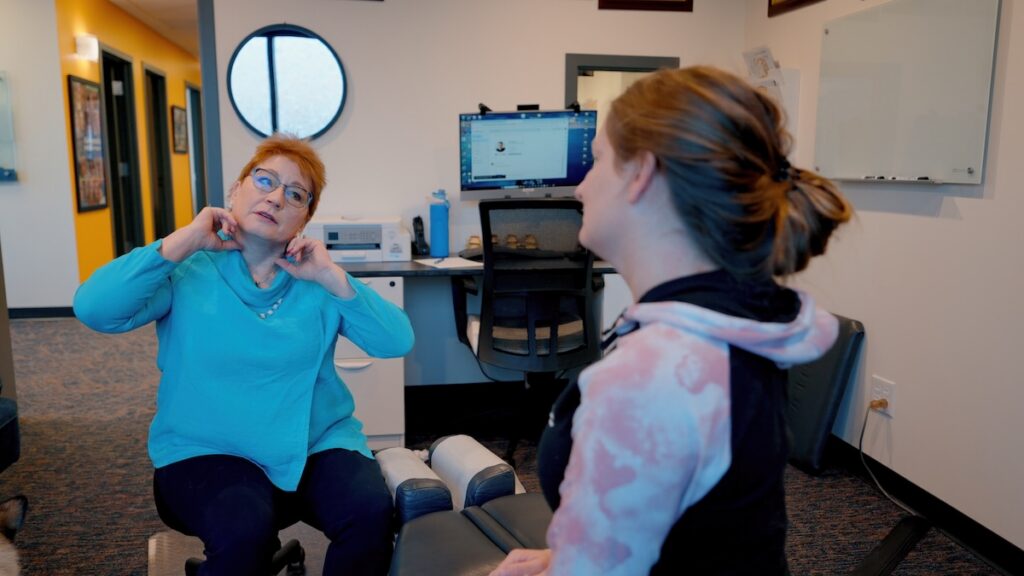
You might not realize how much your posture affects your overall health and well-being. Poor alignment can lead to chronic pain, fatigue, and even impact your mood. As a local chiropractor, I want to help you understand the importance of good posture and how chiropractic care can be a vital part of achieving and maintaining it. By learning about the causes of poor posture and the benefits of proper alignment, you can start making simple changes that promote natural healing and healthier living.
Are you curious about how to assess your posture and improve it? Here are some practical strategies you can incorporate into your daily routine:
- Regular Chiropractic Adjustments: Visiting a chiropractor can help correct misalignments in your spine and improve your posture. Regular adjustments can lead to better alignment, reduced pain, and enhanced overall health.
- Mind Your Sitting Habits: Whether you’re working at a desk or relaxing at home, be mindful of how you sit. Choose a chair that supports your lower back, and remember to keep your feet flat on the floor and your knees at a right angle.
- Strengthen Your Core: Your core muscles play a significant role in supporting your spine. Incorporate exercises like planks and bridges into your routine to build strength and stability, which can help improve your posture.
- Stretch Regularly: Tight muscles can pull your body out of alignment. Make it a habit to stretch throughout the day, especially if you find yourself sitting for long periods. Focus on areas like your neck, shoulders, and hips.
- Be Mindful of Your Tech Use: With the prevalence of smartphones and computers, it’s easy to slip into poor posture. Try to keep your screen at eye level and take regular breaks to stand and stretch.
- Practice Good Sleeping Positions: Your sleep position can also impact your posture. Use a supportive pillow that keeps your neck aligned with your spine, and try to sleep on your back or side rather than your stomach.
By incorporating these strategies into your daily life, you can start to transform your posture and enhance your well-being. Remember, chiropractic care is a natural, effective way to support your journey to better health and pain relief. If you’re looking to make lasting changes, consider visiting your local chiropractor for personalized guidance and support. Your body will thank you!
Key Takeaways
- To promote overall health, it’s essential to maintain proper alignment. Make sure your feet are flat on the ground and your back is fully supported whether you are sitting or standing. This small adjustment can make a significant difference in your well-being.
- Regular visits to a chiropractor can help alleviate pain and enhance your posture. By addressing misalignments in your spine, chiropractic adjustments support your body’s natural healing processes, allowing you to feel your best without relying on medications or surgeries.
- Strengthening your core is vital for better posture. Simple exercises like planks and bridges can significantly improve your muscle strength, which in turn supports your spine and overall posture. Incorporating these exercises into your routine can lead to lasting improvements.
- It’s crucial to take breaks throughout your day. Aim to stretch and move every 30 minutes to fight off stiffness and maintain flexibility. These short breaks not only help your body, but they also give your mind a quick refresh.
- Be aware of your posture while using devices. Holding your phone at eye level can help prevent neck strain and encourage better alignment. This mindful practice is a simple yet effective way to support your spine throughout the day.
By integrating these tips into your daily routine and prioritizing chiropractic care, you can pave the way for a healthier, pain-free life. Remember, your spine is the foundation of your overall health, and taking care of it is essential for your well-being.
Understanding Posture and Its Impact on Health
Posture is a crucial aspect of your overall health, significantly impacting everything from your spine to your mood. As a chiropractor, I want to emphasize how maintaining good posture supports your body’s natural alignment. When your spine is aligned properly, it helps distribute weight evenly throughout your body. This alignment reduces strain on your muscles and joints, which can prevent discomfort and fatigue.
One of the benefits of good posture is that it enhances your lung capacity, making breathing easier and improving oxygen flow. This isn’t only vital for physical health but can also uplift your mood and energy levels. In fact, standing or sitting up straight can boost your confidence and self-esteem, influencing how others perceive you.
On the flip side, poor posture can lead to chronic pain, decreased energy, and an overall negative impact on your well-being.
As you go about your day, I encourage you to become more aware of your posture. Here are some simple tips to help you maintain good posture and promote your health:
- Be Mindful: Regularly check in with your posture throughout the day. Whether you’re sitting at a desk or standing in line, make sure your shoulders are back and your spine is straight.
- Ergonomic Setup: If you spend a lot of time at a desk, ensure your workspace is ergonomically friendly. Adjust your chair height, use a supportive backrest, and keep your feet flat on the ground.
- Take Breaks: Stand up and stretch every hour to relieve tension and reset your posture. Simple stretches can make a big difference.
- Strengthen Your Core: Engaging in exercises that strengthen your core muscles can provide better support for your spine.
- Chiropractic Care: Regular visits to a chiropractor can help ensure your spine is aligned and functioning optimally. Chiropractic care is an effective way to alleviate pain and promote natural wellness without the need for medications or surgeries.
By prioritizing your posture and incorporating these tips into your daily routine, you can contribute to long-term health benefits.
Common Causes of Poor Posture
Maintaining good posture is crucial for your overall health, but it can be challenging due to several factors that contribute to poor alignment. One of the most common causes is prolonged sitting, especially at desks or in front of screens. This can lead to slouching, which places unnecessary strain on your spine.
To combat this, consider taking regular breaks to stand, stretch, and move around—this can help reset your posture and relieve tension.
Carrying heavy bags on one shoulder is another frequent culprit. This practice creates an imbalance that can strain your back and shoulders. A simple solution is to use a backpack that distributes weight evenly across both shoulders, promoting better alignment.
Footwear plays a significant role in your posture as well. Unsupportive shoes can throw off your body’s natural alignment, leading to discomfort and pain. Opt for shoes that provide proper support and cushioning to help maintain a healthy posture.
Muscle imbalances, whether from a lack of exercise or repetitive movements, can weaken certain muscle groups while tightening others. Engaging in regular physical activity, focusing on strength and flexibility, can help correct these imbalances.
Simple exercises, such as stretches for tight muscles and strengthening for weak ones, can be incredibly beneficial.
Stress is another factor that often goes unnoticed. When you’re tense, you might hunch your shoulders or tighten your neck, which can negatively impact your posture. Incorporating relaxation techniques such as deep breathing, yoga, or mindfulness can help alleviate stress and promote better alignment.
Lastly, many people lack awareness of their posture throughout the day, leading to habits that can harm their alignment. To improve this, try setting reminders to check in on your posture. Use a timer or an app to help you stay mindful of your body’s position.
Recognizing these causes is the first step toward making positive changes.
And remember, chiropractic care is an excellent way to support your journey to better posture and overall wellness. A chiropractor can help assess your alignment, provide personalized treatment plans, and teach you techniques to maintain a healthy posture.
The Benefits of Good Posture
Good alignment is essential for your overall well-being, and chiropractic care plays a vital role in helping you achieve and maintain good posture. When you practice good posture, you reduce strain on your muscles and joints, leading to less pain and discomfort—a key benefit of regular chiropractic adjustments. These adjustments help realign your spine and improve your body’s mechanics, making it easier for you to stand tall and move freely.
Maintaining good posture doesn’t just alleviate physical pain; it can also boost your confidence. When you sit or stand up straight, you not only project a self-assured image but also feel more secure within yourself. This newfound confidence can enhance your interactions with others and positively influence how they perceive you.
Additionally, proper spinal alignment can significantly improve your concentration. When your spine is aligned, blood flow to the brain increases, which enhances cognitive function and focus. Many of my patients notice that their productivity levels rise after regular chiropractic care, allowing them to tackle daily tasks with greater ease.
Incorporating good posture into your daily routine is crucial for a healthier and happier you. Here are some tips to help you maintain good posture:
- Be Mindful of Your Sitting Position: Keep your feet flat on the floor, your knees at a right angle, and your back fully supported by your chair. Using a lumbar support pillow can help maintain the natural curve of your lower back.
- Stand Tall: When standing, distribute your weight evenly on both feet, keep your shoulders back, and engage your core muscles. This helps maintain the natural alignment of your spine.
- Take Regular Breaks: If you sit for extended periods, take short breaks to stretch and move around. This helps relieve tension and promotes better circulation.
- Strengthen Your Core: Engaging in exercises that strengthen your core muscles can provide better support for your spine and improve your posture.
- Schedule Regular Chiropractic Check-ups: Regular visits to your chiropractor can help ensure your spine is aligned and functioning optimally, which is essential for maintaining good posture.
Assessing Your Current Posture
To improve your posture effectively, it’s crucial to first recognize any common issues you may be experiencing. As a local chiropractor, I encourage you to take a moment to assess how you stand or sit throughout the day.
Pay attention to any discomfort or tension you might feel in your back, neck, or shoulders. These sensations often signal misalignments in your spine that can lead to chronic pain if left unaddressed.
By identifying these habits, you can begin to make positive changes for better health. Here are a few simple tips to get you started:
- Mind Your Alignment: When sitting, ensure your feet are flat on the ground, and your back is supported by the chair. For standing, distribute your weight evenly on both feet.
- Take Breaks: If you sit for long periods, set a timer to remind yourself to stand up, stretch, and move around every 30 minutes. This helps to relieve tension and improve circulation.
- Strengthen Your Core: Engaging in exercises that strengthen your core muscles can provide better support for your spine, helping you maintain a healthier posture.
- Chiropractic Care: Regular visits to a chiropractor can help correct spinal misalignments and relieve tension, ultimately improving your posture and overall well-being. Chiropractic adjustments are a natural and effective way to achieve and maintain optimal spinal health.
Common Posture Issues
While many people may not realize it, your posture can significantly impact your overall health and well-being. As a chiropractor, I often see common posture issues such as slouching, forward head posture, and rounded shoulders.
Slouching can lead to not only back pain but also fatigue, making it harder to enjoy daily activities. Forward head posture, which is common in our tech-driven world, puts additional strain on your neck and can result in tension headaches. Rounded shoulders often develop from spending too much time in front of computers and can contribute to upper back discomfort.
If you find yourself leaning to one side or frequently adjusting your position, these habits can lead to muscle imbalances over time. Recognizing these posture issues is the first step toward improvement.
Here are some simple tips to help you stand tall and feel better:
- Mind Your Posture: Take a moment to check in with your posture throughout the day. Sit up straight with your shoulders back and your head aligned over your spine.
- Take Breaks: If you work at a computer, make it a habit to take short breaks every 30 minutes. Stand up, stretch, and give your body a chance to reset.
- Strengthen Your Core: A strong core supports your spine. Incorporate exercises like planks and bridges into your routine to build strength in your abdominal muscles.
- Stay Active: Regular physical activity helps maintain good posture. Activities like yoga or Pilates can improve flexibility and strengthen the muscles that support your spine.
- Visit a Chiropractor: Regular chiropractic adjustments can help correct posture issues and alleviate pain naturally. We can work together to develop a personalized plan to keep your spine healthy and aligned.
By acknowledging how your posture affects you daily, you can start making necessary adjustments for a healthier, more aligned body.
Self-Assessment Techniques
Are you aware that your posture could be impacting your overall health? A simple self-assessment can help you identify any issues. Stand against a wall with your heels, back, and head touching it. If you notice a significant gap between your lower back and the wall, or if your head is leaning forward, these could be signs of poor posture that may lead to discomfort.
Pay attention to these emotional and physical signals:
- Do you often experience aches and pains after sitting for extended periods?
- Is it difficult for you to take deep, comfortable breaths?
- Do you find yourself feeling fatigued or lacking energy more often than not?
Recognizing these signs is crucial, as they can indicate that your posture needs improvement. Maintaining proper posture not only helps alleviate pain but also promotes overall well-being.
Chiropractic care is an excellent way to address these posture-related concerns. By visiting a chiropractor, you can receive personalized adjustments and techniques that align your spine and improve your posture, leading to enhanced health and vitality.
To further support your posture, here are some helpful tips you can incorporate into your daily routine:
- Be mindful of your sitting position. Use a chair with good lumbar support and keep your feet flat on the floor.
- Take regular breaks when sitting for long periods. Stand up, stretch, and move around to relieve tension.
- Strengthen your core muscles with exercises that promote stability and support your spine.
- Practice deep breathing exercises to help open up your chest and improve your lung capacity.
Practical Tips for Posture Improvement
Improving your posture is an essential step towards achieving optimal health, and it doesn’t have to feel overwhelming. As a local chiropractor, I want to emphasize that small, consistent changes can lead to significant improvements in your spinal health and overall well-being. Here are some practical tips to help you enhance your posture:
| Tip | Description |
|---|---|
| Adjust your workspace | Make sure your chair and desk are at the right height to support your spine. A well-aligned workspace can reduce strain on your back and neck. |
| Use supportive seating | Opt for chairs that support your lower back. This will help maintain the natural curve of your spine and prevent discomfort. |
| Keep your feet flat | When sitting, keep your feet flat on the ground. This promotes better alignment and circulation. |
| Take regular breaks | Stand up and stretch every hour. This simple habit helps combat stiffness and keeps your muscles engaged. |
| Strengthen your core | Engaging your core muscles while sitting or standing provides stability to your spine, promoting better posture and reducing the risk of injury. |
Implementing these tips can create a more comfortable environment and gradually lead to better posture. Remember, consistency is key; the more you practice these habits, the more natural good posture will become.
Additionally, consider regular chiropractic care as a vital part of your wellness routine. Chiropractic adjustments can help align your spine, relieve pain, and support your body’s natural healing processes. By prioritizing your spinal health, you’ll not only improve your posture but also enhance your overall quality of life. Embrace these changes, and let chiropractic care guide you on your journey to better health!
Exercises to Strengthen Postural Muscles
To enhance your posture and overall well-being, it’s essential to focus on strengthening the muscles that support your spine. As a local chiropractor, I can tell you that incorporating specific exercises into your daily routine can lead to remarkable improvements in how you carry yourself.
Let’s delve into some practical workouts that can help you build those crucial postural muscles while promoting natural healing and a healthier lifestyle.
- Plank: This exercise targets your core, which plays a vital role in maintaining good posture. Start in a push-up position, ensuring that your body forms a straight line from head to heels. Hold this position for as long as you can, gradually increasing the time as you get stronger.
- Wall Angels: Stand with your back against a wall, feet a few inches away from it. Keeping your arms at a 90-degree angle, slowly raise them overhead while maintaining contact with the wall. This exercise helps open up your chest and strengthen the upper back, which is essential for good posture.
- Bridges: Lying on your back with your knees bent and feet flat on the floor, lift your hips towards the ceiling. This movement strengthens the glutes and lower back, both of which are crucial for proper spinal alignment.
- Cat-Cow Stretch: This gentle yoga move promotes flexibility and balance in your spine. Start on your hands and knees, arch your back while inhaling (Cat), and then dip your spine while exhaling (Cow). This flow helps maintain mobility and encourages a healthy posture.
- Seated Rows: Using a resistance band, sit with your legs extended and pull the band towards you, keeping your elbows close to your body. This exercise strengthens the upper back and shoulders, which aids in better posture.
Remember, while these exercises can significantly benefit your posture, regular chiropractic care is the best way to maintain spinal health and wellness. A chiropractor can help identify any underlying issues affecting your posture and provide tailored adjustments to enhance your overall alignment.
Incorporating these exercises into your daily routine, combined with regular chiropractic visits, can pave the way towards a healthier, pain-free life.
Always listen to your body and consult with your chiropractor before starting any new exercise program, especially if you have existing health concerns. Together, we can work towards achieving optimal health and well-being!
Essential Muscle Groups
Maintaining strong postural muscles is vital for a healthy spine and can significantly reduce discomfort. By focusing on these key muscle groups, you can’t only improve your posture but also enhance your overall well-being, all of which aligns perfectly with the principles of chiropractic care.
Here are some essential muscle groups to consider strengthening, along with tips to help you on your journey to better health:
- Core Muscles: Your core muscles play a crucial role in stabilizing your spine and supporting your upper body. To strengthen your core, try simple exercises like planks or bridges. Engaging these muscles helps to create a solid foundation for your spine, making chiropractic adjustments more effective.
- Back Muscles: Strong back muscles are essential for maintaining an upright position and reducing strain on your spine. Incorporate exercises like rows or back extensions into your routine. Remember, a well-aligned spine takes the pressure off your nerves, allowing your body to function optimally.
- Shoulder Muscles: Strengthening your shoulder muscles can help prevent slumping and promote proper alignment of your spine. Try exercises like shoulder presses or resistance band pulls. Keeping your shoulders strong supports your neck and upper back, enhancing the benefits you receive from chiropractic care.
In addition to these exercises, here are some general tips to promote spinal health:
- Practice Good Posture: Be mindful of your posture throughout the day. When sitting or standing, keep your shoulders back and your spine aligned.
- Stay Active: Regular physical activity is crucial for maintaining muscle strength and flexibility. Aim for at least 30 minutes of moderate exercise most days of the week.
- Listen to Your Body: If you feel discomfort, don’t ignore it. Seeking chiropractic care can help address underlying issues and support your natural healing process.
- Stay Hydrated: Proper hydration is important for maintaining the health of your spinal discs and overall well-being.
By incorporating these practices into your daily routine and embracing chiropractic care, you can achieve optimal health and enjoy a pain-free life.
Taking proactive steps toward strengthening your postural muscles not only enhances your posture but also supports your spine, helping you live your best life.
Effective Strengthening Exercises
As a chiropractor, I want to emphasize the vital role that targeted strengthening exercises play in supporting your spine and overall health. Strengthening your postural muscles is essential for maintaining good alignment, which in turn can help alleviate pain and enhance your well-being.
Incorporate simple exercises like planks, bridges, and rows into your routine. Planks are fantastic for engaging your core, providing stability that supports your spine. Bridges work wonders for strengthening your glutes and lower back, two key areas that can influence your posture. Rows, whether using resistance bands or weights, effectively target your upper back and shoulders, which are crucial for maintaining proper alignment.
Don’t overlook wall angels! This exercise helps open up your chest and improves shoulder mobility, making it easier to maintain good posture throughout your day. Aim to perform these exercises two to three times a week, gradually increasing the intensity as you become stronger.
Remember, consistency is key—stick with it! By committing to these exercises, you’ll likely notice improvements not just in your posture, but in your overall health and well-being.
Daily Routine Integration
Integrating posture-strengthening exercises into your daily routine can make a remarkable difference in your overall health and wellness. As a chiropractor, I emphasize the importance of maintaining a healthy spine for optimal functioning.
By committing just a few minutes each day to these exercises, you can improve your posture, alleviate discomfort, and boost your confidence—all without the need for medications or surgeries. Here are some simple ways to incorporate these exercises into your daily life:
- Stand Tall: While waiting in line or working at your desk, practice standing tall. This engages your core muscles and promotes spinal alignment, making it a natural way to support your back throughout the day.
- Wall Shoulder Blade Squeezes: Use a wall to practice shoulder blade squeezes while watching TV. This simple exercise helps reinforce proper shoulder alignment and counteracts the effects of slouching, keeping your spine healthy.
- Chest Openers: Take short breaks to do chest openers. Stretching your chest not only relieves tension but also helps improve your posture by counteracting the forward hunch many of us develop from sitting. This can uplift your mood and increase your energy levels.
By making these small adjustments in your daily routine, you can achieve significant results. You’ll feel more energized, experience less discomfort, and be better prepared to face the challenges of the day.
Maintaining Good Posture in Daily Activities
Good posture isn’t just important at your desk; it’s crucial for your overall health in every daily activity. Whether you’re cooking, shopping, or simply walking, maintaining a strong, aligned posture can significantly contribute to your well-being.
As a chiropractor, I want to emphasize how these simple adjustments can help alleviate pain and enhance your quality of life without the need for invasive treatments.
When standing, distribute your weight evenly across both feet and avoid locking your knees. Engaging your core muscles supports your spine, while keeping your shoulders back and relaxed fosters a balanced posture. This not only helps prevent discomfort but also promotes better spinal health.
While sitting, ensure your feet are flat on the floor and your back is straight. This can help prevent strain on your spine and reduce the risk of pain. If you need to lift something heavy, remember to bend at your hips and knees, using your legs to do the heavy lifting. This technique protects your back and maintains proper alignment.
When using your phone, it’s best to hold it at eye level. This prevents unnecessary strain on your neck and helps you maintain a good posture throughout the day. A simple habit to incorporate into your routine is to regularly check in with your posture; this can make a world of difference in how you feel.
By integrating these easy tips into your daily life, you can feel more energized and less fatigued.
Remember, maintaining good posture isn’t just about looking good—it’s about supporting your body’s natural alignment and promoting overall health.
Embrace chiropractic care as a natural, effective approach to achieving optimal health and wellness, free from the need for surgeries or medications. Your spine will thank you!
Conclusion
Incorporating posture correction into your daily routine can significantly enhance your health and well-being, and chiropractic care is a key component in achieving this. Understanding the importance of good posture is crucial; it not only helps alleviate pain but also promotes overall wellness. Common pitfalls, such as slouching or improper ergonomics, can easily be addressed with the right guidance.
As a local chiropractor, I emphasize the importance of practical tips and exercises that can seamlessly fit into your lifestyle. Simple adjustments like sitting up straight, aligning your head over your shoulders, and taking regular breaks to stretch can make a world of difference. Regular chiropractic assessments can help identify any underlying issues and provide tailored recommendations for maintaining optimal posture.
By committing to these changes and seeking chiropractic care, you can experience a remarkable boost in energy, confidence, and overall health. Remember, good posture isn’t just about looking good; it’s about feeling good and living your best life. Take charge of your posture today, and embrace a more vibrant, pain-free existence through the natural healing power of chiropractic care!