
If you or someone you love has been told they have scoliosis, the first reaction is often a mix of concern and confusion. What does it mean for daily life? Will it get worse? Is there anything you can do about it? These are completely natural questions, and the good news is that understanding scoliosis — and how to support your spine — can make a real difference. Here at Natural Ways Chiropractic in Roseville, MN, Dr. Trish Wolff works with patients of all ages who are navigating life with scoliosis, helping them feel more confident, more comfortable, and more in control of their spinal health.
What Is Scoliosis?
Scoliosis is an abnormal lateral (side-to-side) curvature of the spine. Rather than running in a straight vertical line when viewed from behind, a spine affected by scoliosis curves in an “S” or “C” shape. This condition can affect people at any age, though it is most commonly identified during childhood and adolescence. The degree of curvature and its location in the spine can vary widely from person to person.
Understanding Scoliosis: More Than Just a Curve
Many people think of scoliosis simply as a “curved spine,” but there is quite a bit more to it than that. The spine is a complex, dynamic structure made up of 33 vertebrae, intervertebral discs, muscles, ligaments, and nerves. When scoliosis is present, the spine doesn’t just curve sideways — the vertebrae often rotate as well, which can affect the entire architecture of the trunk. This rotation is part of why scoliosis can cause visible asymmetry in the shoulders, ribcage, and hips.
The condition exists on a broad spectrum. Some people have very mild curves that cause minimal disruption to daily life, while others experience more significant curvature that affects posture, movement, and comfort. The Cobb angle — a measurement taken on an X-ray — is how healthcare providers quantify the degree of spinal curvature. A curve under 10 degrees is generally not classified as clinical scoliosis. Curves between 10 and 25 degrees are considered mild, 25 to 40 degrees moderate, and anything above 40 degrees is typically considered severe.
It is important to understand that scoliosis is not simply a posture problem that can be “fixed” by standing up straight. The curvature is structural, meaning it exists in the bones and tissues of the spine itself. That said, how you carry yourself, how you move, and how well you support your spinal muscles can absolutely influence how scoliosis feels and how it affects your quality of life.
Common Causes and Types of Scoliosis
When most people hear about scoliosis, they assume there must be one clear cause — but that is rarely the case. The most common form is called idiopathic scoliosis, which simply means the cause is unknown. Idiopathic scoliosis accounts for the vast majority of cases and is typically first detected in adolescence, often during a growth spurt. It affects both boys and girls, though research suggests that girls are more likely to develop curves that progress and require monitoring or treatment.
Beyond idiopathic scoliosis, there are several other recognized types. Congenital scoliosis develops before birth due to abnormal vertebral formation. Neuromuscular scoliosis is associated with conditions like cerebral palsy, muscular dystrophy, or spinal cord injuries, where the muscles that support the spine are affected. Degenerative scoliosis, sometimes called adult-onset or de novo scoliosis, develops later in life as the spinal discs and joints wear down unevenly over time. This form is increasingly common among older adults and is something Dr. Trish Wolff sees regularly among patients in the Roseville, MN community.
Genetic factors appear to play a role in idiopathic scoliosis, and it does tend to run in families. However, having a parent or sibling with scoliosis does not guarantee that you will develop it — it simply increases the likelihood of careful screening being worthwhile.
Signs, Symptoms, and Postural Changes
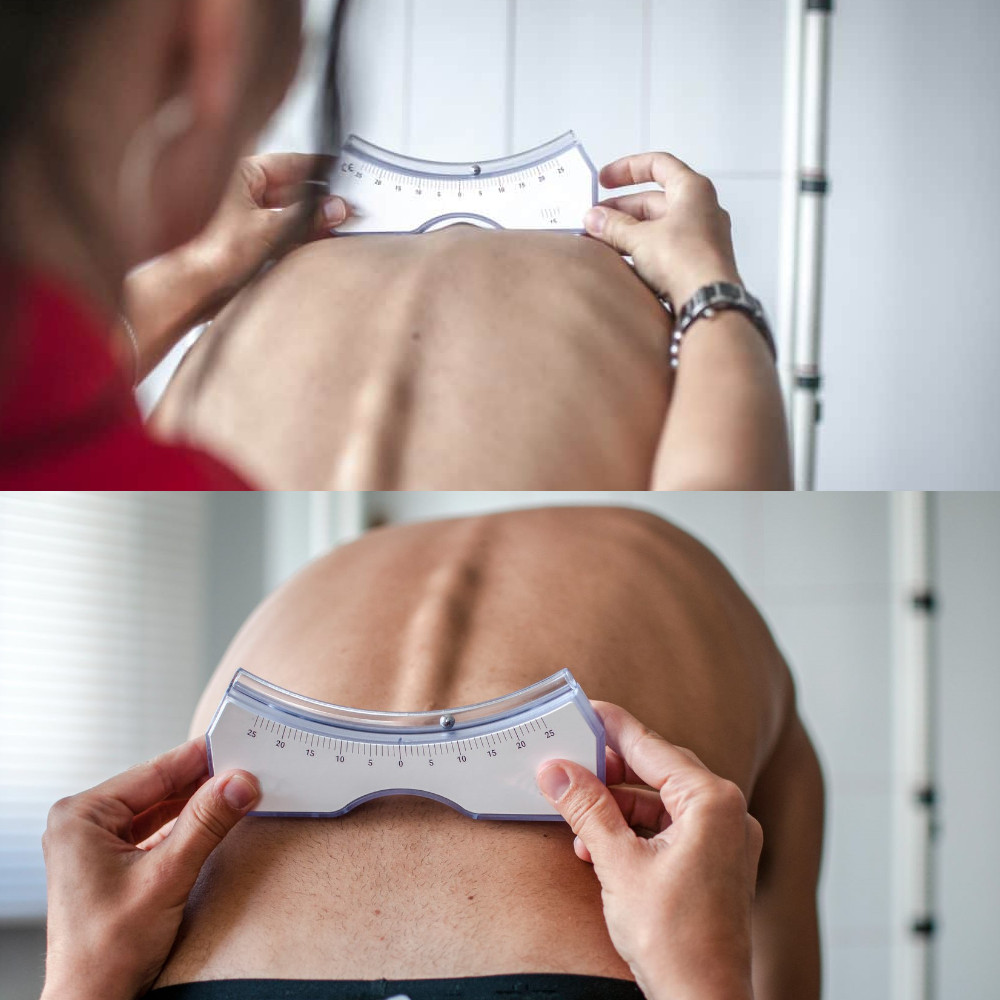
Scoliosis can be surprisingly subtle, especially in its early stages. One of the most common ways it is identified in younger patients is through a school screening program using the Adams Forward Bend Test, where a child bends forward and a healthcare provider checks for uneven elevation along the back. Parents and caregivers may also notice signs at home, such as uneven shoulder heights, one hip appearing higher than the other, clothing fitting unevenly, or the head appearing off-center relative to the pelvis.
In adults, scoliosis may present differently. Back pain and fatigue — particularly along one side of the spine — are common complaints. Some people experience muscle tightness or spasms that seem to recur in the same areas. Others notice that their posture has gradually shifted, with one shoulder drooping or their body leaning to one side when standing. In more advanced cases, nerve-related symptoms like radiating pain, numbness, or tingling in the arms or legs may develop if the spinal curvature is affecting nerve roots.
It is worth noting that pain is not always proportional to the severity of the curve. Some individuals with larger curves experience relatively little discomfort, while others with smaller curves deal with significant daily pain. This is why individualized evaluation — rather than a one-size-fits-all approach — is so important when it comes to scoliosis care.
How Chiropractic Care Fits Into Scoliosis Management
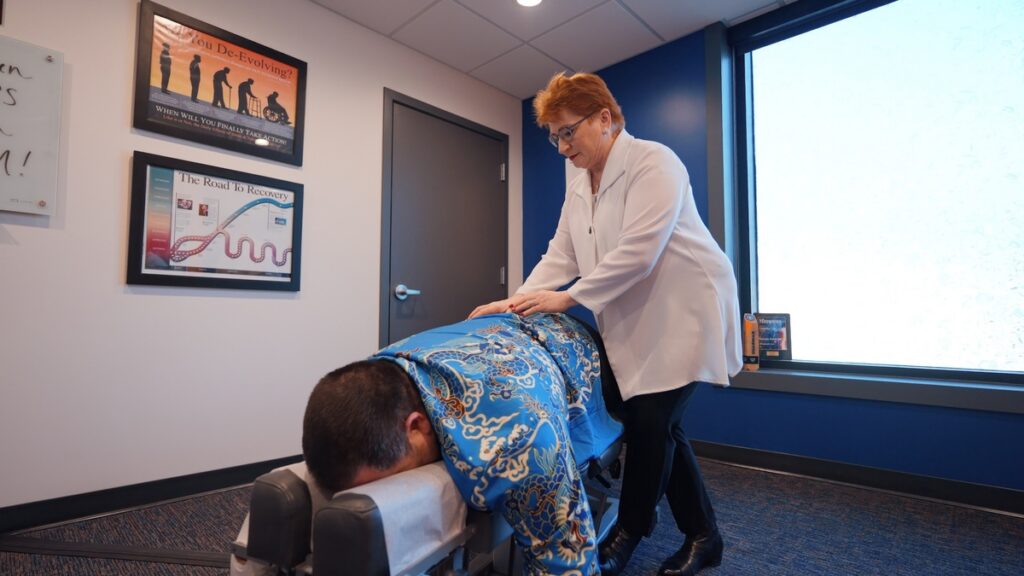
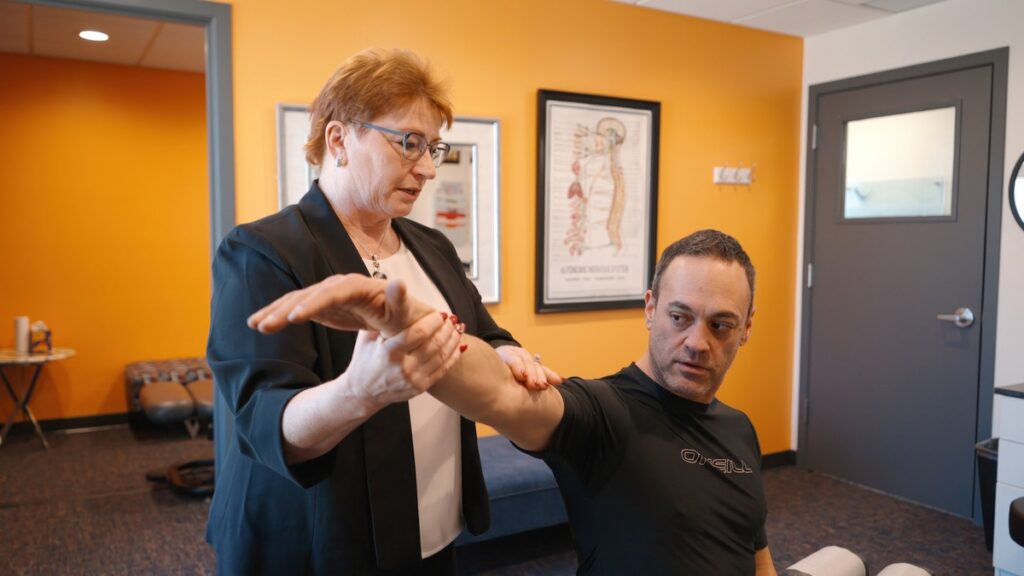
Chiropractic care is not a cure for scoliosis, and any honest healthcare provider will tell you that upfront. However, it can play a meaningful supportive role in helping patients manage symptoms, maintain spinal function, and improve overall quality of life. At Natural Ways Chiropractic in Roseville, MN, Dr. Trish Wolff takes a thoughtful, individualized approach to each patient with scoliosis, beginning with a thorough evaluation to understand the type, location, and degree of curvature, as well as how it is affecting daily function.
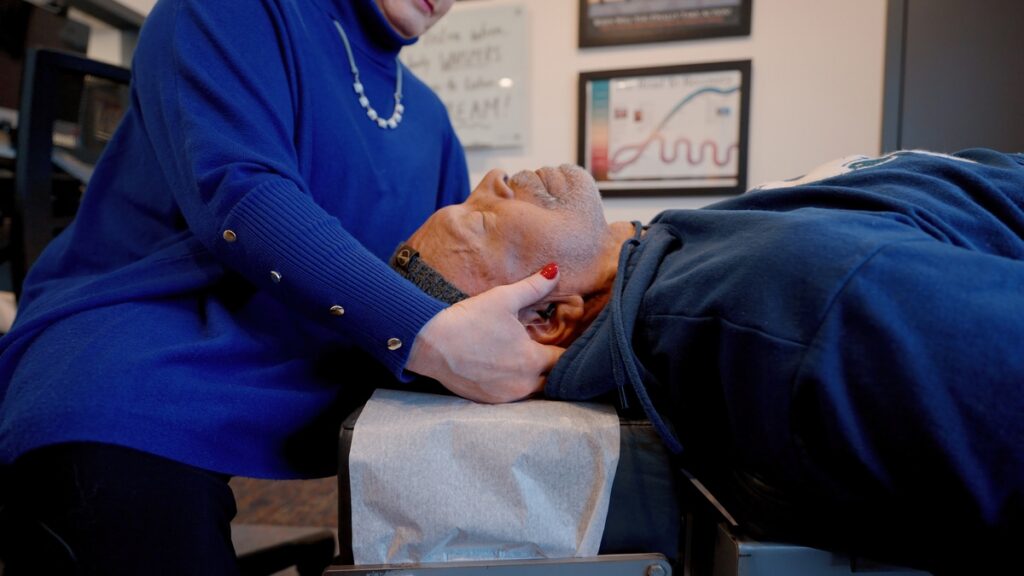
Chiropractic adjustments can help address areas of joint restriction or dysfunction that often develop alongside spinal curvature. When certain spinal segments become stiff or misaligned, the surrounding muscles and tissues can become overworked and painful. Gentle, targeted adjustments may help restore more normal movement patterns, reduce muscle tension, and alleviate discomfort. Evidence indicates that chiropractic care, when applied appropriately, can be beneficial for managing the musculoskeletal symptoms associated with scoliosis.
In addition to spinal adjustments, care at Natural Ways Chiropractic may include soft tissue work, rehabilitative exercise guidance, and posture coaching. Dr. Trish Wolff understands that living with scoliosis requires a long-term perspective, and she works with patients to build habits and strategies that support spinal health over time. For younger patients who are still growing, conservative care and regular monitoring are especially important to track any changes in curvature.
It is also worth mentioning that chiropractic care works best as part of a broader healthcare team when needed. For patients with significant curvatures or those who may benefit from bracing or specialist consultation, Dr. Trish Wolff is committed to making appropriate referrals and collaborating with other providers in the Roseville area to ensure her patients receive well-rounded care.
Practical Tips for Maintaining a Healthy Spine with Scoliosis
While scoliosis itself is a structural condition that cannot be changed through lifestyle habits alone, there are many things you can do to support your spine and reduce discomfort on a day-to-day basis. One of the most impactful things is building core strength. The muscles of the core — including the deep stabilizers of the abdomen and spine — act like a natural brace for the vertebral column. Strengthening these muscles through gentle, appropriate exercises can help reduce the load on the spine and improve postural endurance.
Staying active is generally encouraged for people with scoliosis. Low-impact activities like walking, swimming, and yoga can support spinal mobility and overall fitness without placing excessive stress on the spine. Swimming in particular is often recommended because the buoyancy of water reduces gravitational loading while still allowing the spinal muscles to work. Always work with a qualified provider before starting a new exercise program, especially if your scoliosis is moderate or severe.
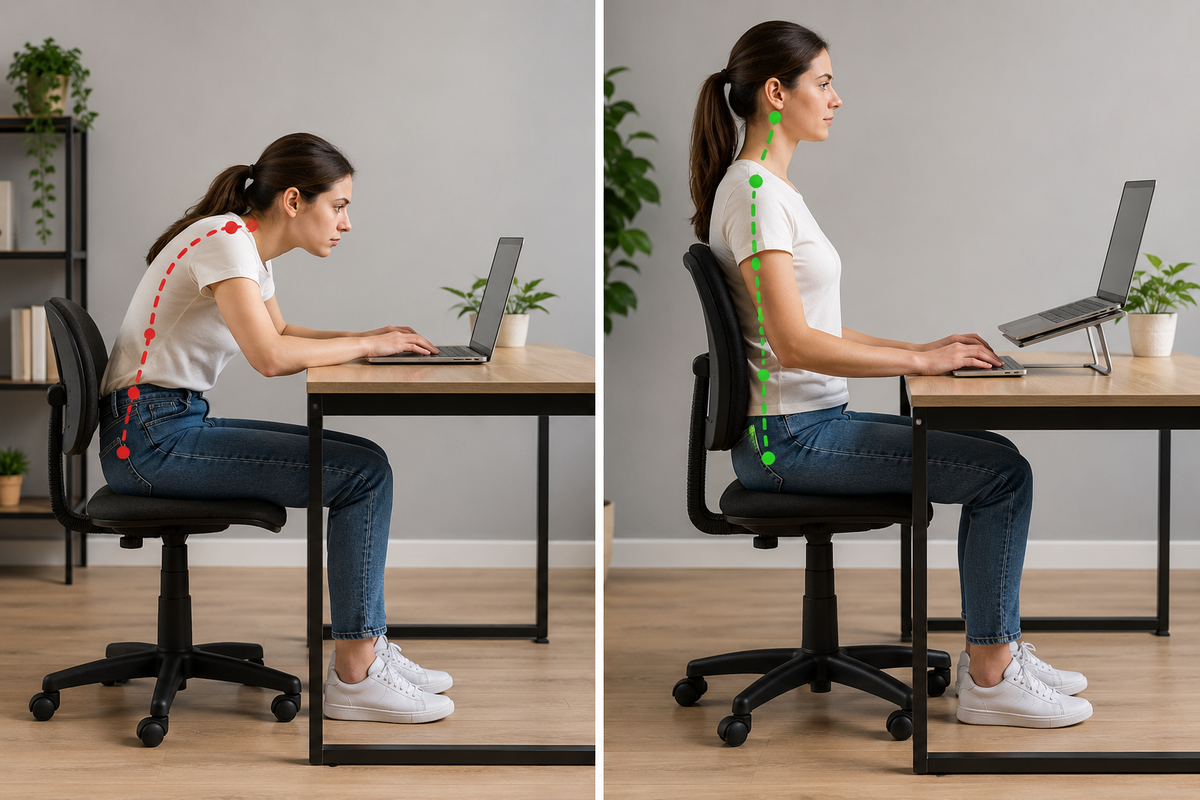
Ergonomics matter more than most people realize. Paying attention to how you sit, sleep, and carry weight throughout the day can significantly affect how your spine feels. Sleeping on a supportive mattress with proper pillow alignment, using ergonomic seating at work, and avoiding carrying heavy bags on one shoulder are all practical ways to reduce unnecessary strain on an already-compromised spinal structure.
Mindful awareness of posture is also valuable. While scoliosis cannot be corrected through posture alone, avoiding extreme postural habits — like slumping for long periods or sitting with the pelvis tilted unevenly — can help reduce muscle fatigue and discomfort. Taking regular movement breaks throughout the day is one of the simplest and most effective habits anyone with scoliosis can adopt.
When to See a Chiropractor for Scoliosis
If you suspect you or your child may have scoliosis — perhaps because of uneven shoulders, a visible spinal curve, or persistent back discomfort — scheduling an evaluation sooner rather than later is a wise decision. Early identification allows for early monitoring, which is key in adolescent scoliosis where the spine is still developing. Here in Roseville, MN, Dr. Trish Wolff welcomes patients of all ages for spinal health evaluations.
Adults experiencing back pain, postural changes, or nerve-related symptoms that could be associated with scoliosis should also seek professional evaluation. Even if you have had scoliosis for many years and it has been well-managed, changes in symptoms — like new or worsening pain, increased stiffness, or radiating discomfort into the arms or legs — are worth bringing to a chiropractor’s attention.
There are certain red flag symptoms that should prompt you to seek more urgent medical attention. These include sudden, severe pain, loss of bladder or bowel control, significant weakness in the limbs, or rapidly progressive neurological symptoms. In these cases, it is important to contact a medical physician promptly. Chiropractic care is appropriate for the vast majority of scoliosis presentations, but patient safety always comes first at Natural Ways Chiropractic.
Postural Habits: Helpful vs. Harmful
|
Postural Habit |
Helpful for Scoliosis |
Harmful for Scoliosis |
|---|---|---|
|
Sitting position |
Sitting with hips level, feet flat on the floor, lumbar support |
Slumping, sitting with legs crossed for extended periods, leaning heavily to one side |
|
Carrying bags |
Using a backpack with two straps worn evenly on both shoulders |
Consistently carrying a heavy bag on one shoulder |
|
Sleep position |
Sleeping on a supportive mattress with a pillow that keeps the neck aligned |
Sleeping on a very soft mattress that allows the spine to sag |
|
Exercise choices |
Swimming, walking, core-strengthening exercises, yoga |
High-impact, asymmetrical sports without compensatory training (case-dependent) |
|
Work ergonomics |
Ergonomic chair, monitor at eye level, regular movement breaks |
Prolonged static postures, working hunched over a low surface |
Myths vs. Facts About Scoliosis
Myth: Scoliosis is caused by poor posture or carrying a heavy backpack.
Fact: The most common form of scoliosis — idiopathic scoliosis — has no identified single cause. Poor posture and heavy backpacks do not cause structural scoliosis. They may contribute to general spinal discomfort, but they do not create the lateral curvature seen in true scoliosis. This is a widely accepted understanding in the medical and chiropractic communities.
Myth: Only teenagers get scoliosis.
Fact: While adolescent idiopathic scoliosis is the most commonly discussed form, scoliosis can develop at any age. Degenerative scoliosis in adults — particularly in the aging population — is increasingly recognized as a significant cause of back pain and functional decline. Many adults in Roseville, MN seek care at Natural Ways Chiropractic specifically for adult-onset scoliosis concerns.
Myth: If you have scoliosis, you should avoid exercise and physical activity.
Fact: For the vast majority of people with scoliosis, appropriate physical activity is strongly encouraged. Movement supports spinal muscle strength, flexibility, and overall function. Remaining sedentary can actually worsen muscle imbalances and discomfort over time. The key is choosing activities that are appropriate for your specific degree and type of curvature.
Myth: Chiropractic care can straighten a scoliotic spine.
Fact: Chiropractic care does not structurally straighten a scoliotic spine. What it can do is help manage associated muscle tension, joint dysfunction, and pain — improving how you feel and how you move. Dr. Trish Wolff is transparent with her patients about what chiropractic care realistically offers, which is why her patients trust her with their long-term spinal health.
Myth: Scoliosis always gets worse over time.
Fact: This is not true for everyone. Many people with mild to moderate scoliosis — particularly those who have finished growing — have curves that remain stable for decades. The risk of progression is highest during periods of rapid growth in adolescence. Regular monitoring and appropriate care can help track any changes and respond accordingly.
Final Thoughts from Natural Ways Chiropractic
Living with scoliosis does not have to mean living with constant discomfort or uncertainty. Understanding your condition, building supportive habits, and working with a knowledgeable provider are all steps in the right direction. Here in Roseville, MN, the team at Natural Ways Chiropractic is proud to serve the local community with honest, compassionate, evidence-informed care.
Dr. Trish Wolff believes deeply in educating her patients — not just treating them. When you understand what is happening in your body and why, you are better equipped to make choices that serve your long-term health. Whether you are a parent concerned about your child’s posture, an adult dealing with a newly diagnosed curve, or someone who has managed scoliosis for years and is looking for additional support, Natural Ways Chiropractic is here to walk alongside you.
You don’t have to figure this out alone. A healthy spine is a lifelong investment, and small, consistent steps can add up to meaningful change over time. We welcome you to reach out to Natural Ways Chiropractic in Roseville, MN, and take that first step toward better understanding and supporting your spinal health.
Frequently Asked Questions
Can chiropractic care help reduce scoliosis-related back pain?
Research suggests that chiropractic care can help manage the musculoskeletal pain and discomfort associated with scoliosis. While it does not alter the structural curve, adjustments and soft tissue work can reduce tension and improve spinal function. Each patient’s response to care is individual and depends on the nature of their condition.
How often should someone with scoliosis see a chiropractor?
The frequency of care depends on the severity of symptoms, the degree of curvature, age, and overall health. Dr. Trish Wolff assesses each patient individually and recommends a care plan tailored to their specific needs. Some patients benefit from more frequent initial visits, while others do well with periodic maintenance care.
Is scoliosis hereditary?
There does appear to be a genetic component to idiopathic scoliosis, meaning it can run in families. However, having a family member with scoliosis does not guarantee you will develop it. If you have a family history, it is worth discussing screening options with a healthcare provider.
What exercises are safe for people with scoliosis?
Low-impact activities like swimming, walking, and carefully guided yoga or Pilates are generally considered safe and beneficial for people with scoliosis. Core-strengthening exercises can also be helpful. It is always best to consult with a provider like Dr. Trish Wolff before beginning a new exercise program to ensure the activities are appropriate for your specific curve pattern.
At what age is scoliosis most commonly diagnosed?
Idiopathic scoliosis is most often identified between the ages of 10 and 15, during the adolescent growth spurt. However, scoliosis can also be identified in younger children (early-onset) or develop in adults due to degenerative changes in the spine.
Can scoliosis cause symptoms beyond back pain?
Yes, in some cases. Depending on the location and degree of curvature, scoliosis can contribute to muscle imbalances, postural asymmetry, fatigue, and in more advanced cases, nerve-related symptoms like radiating pain or numbness. If you experience neurological symptoms, it is important to have them evaluated promptly.
TL;DR
-
Scoliosis is a structural lateral curvature of the spine that exists on a wide spectrum of severity and affects people of all ages.
-
The most common type — idiopathic scoliosis — has no single known cause and is not the result of poor posture or lifestyle habits.
-
Chiropractic care, as offered by Dr. Trish Wolff at Natural Ways Chiropractic in Roseville, MN, can help manage pain, reduce muscle tension, and support spinal function — though it does not structurally correct the curve.
-
Staying active with appropriate low-impact exercise, maintaining good ergonomic habits, and building core strength are practical ways to support spinal health with scoliosis.
-
Early evaluation and regular monitoring are key — especially for adolescents who are still growing — so do not hesitate to seek a professional opinion if you have concerns.