If you were recently in a fender-bender (generally over 10 mph can cause whiplash) or took a hard hit during your sporting activity here in Roseville, you might be wondering whether your neck pain is just soreness—or something more. As your Twin Cities based chiropractor at Natural Ways Chiropractic, I help people recognize whiplash symptoms early and get the right care fast. In this guide, you’ll learn what whiplash looks like, why prompt attention matters, and how chiropractic care supports safe, steady recovery.
What is whiplash? Whiplash is a neck injury caused by a rapid back-and-forth motion of the head, most often from a car accident or sports impact. It primarily affects the soft tissues and joints of the neck and upper back, leading to pain, stiffness, and reduced movement.
What Is Whiplash and How It Happens
Whiplash happens when the head and neck are suddenly forced into a quick acceleration–deceleration movement. This can overstretch or strain neck muscles, ligaments, and joint capsules, and it can irritate the small facet joints of the cervical spine. The upper back often gets involved too, because the neck and mid-back work together for posture and head support.
Common causes include rear-end collisions, contact sports, slips and falls, or sudden stops on a bike or scooter. Even minor vehicle damage can produce significant forces on the neck, so never assume that a “small” crash means a “small” injury.
Common Whiplash Symptoms You Shouldn’t Ignore
Symptoms can appear right away or show up hours to days after the incident. It’s normal for people to feel okay at the scene and then wake up the next day with a stiff, painful neck. Pay attention to how your symptoms change over the first 48–72 hours.
| Symptom | What It May Indicate |
|---|---|
| Neck pain and stiffness, worse with turning | Soft-tissue strain and irritated facet joints in the cervical spine |
| Headaches (often starting at the base of the skull) | Referred pain from the upper cervical joints and muscular tension |
| Reduced range of motion | Protective muscle guarding and joint restriction |
| Shoulder or upper-back soreness | Postural strain and shared muscle involvement between neck and thoracic area |
| Tingling or heaviness in an arm | Possible nerve irritation or soft tissue swelling affecting nerve pathways |
| Dizziness or blurred focus | Neck-related tension and disturbed proprioception |
| Fatigue and poor sleep | Body guarding, discomfort, and stress response after injury |
While many whiplash injuries are mild to moderate, they still benefit from a prompt exam. The sooner we address joint and soft-tissue mechanics, the easier it is to reduce pain, restore motion, and help you return to normal activity.
Why Prompt Care Matters for Neck Injuries
After a neck sprain/strain, your body naturally tightens muscles to protect the area. In the short term, that can be helpful. If this pattern lingers, it can limit movement, alter posture, and keep joints from gliding the way they should. This sets the stage for longer-lasting discomfort.
Early, conservative care focuses on safe movement and proper alignment. Addressing restrictions before they become habits can shorten recovery time, reduce compensations in the upper back and shoulders, and support better sleep and concentration. If you live or work in Roseville and your pain is making daily life harder, don’t wait it out—get checked.
How Chiropractic Care Helps Whiplash Recovery
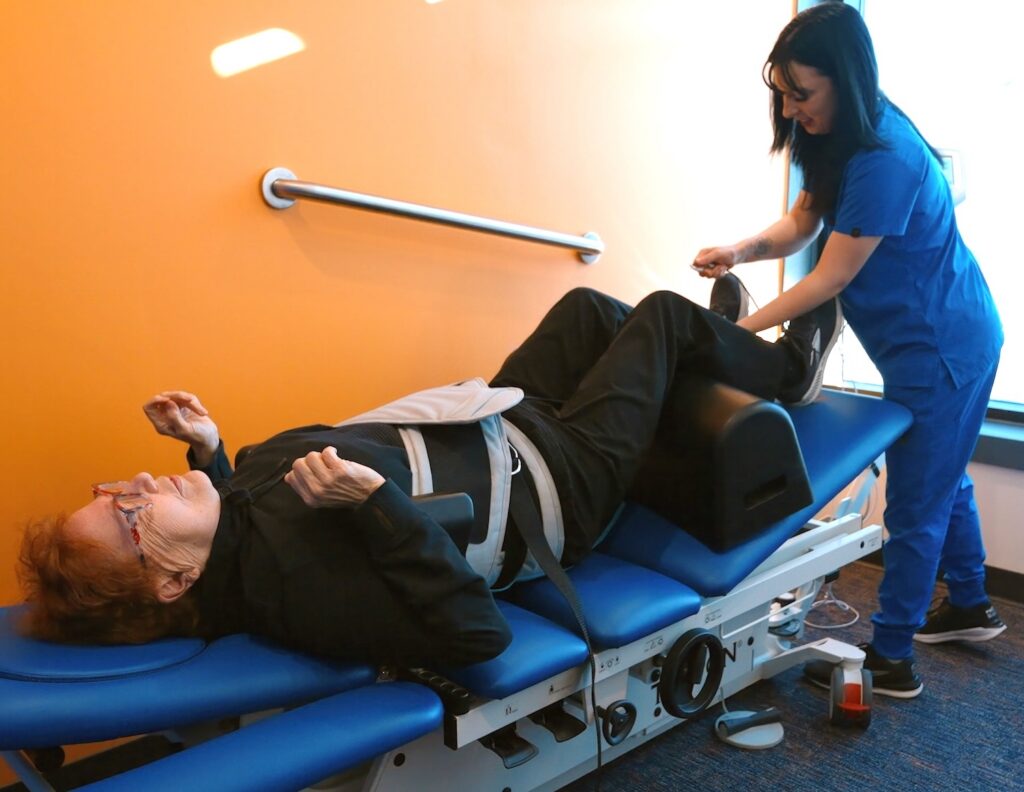
Chiropractic care is a frontline, non-narcotic approach for whiplash-related neck pain and stiffness. Our focus is to restore healthy joint motion, calm irritated tissues, and guide you back to confident movement. For many patients, that includes precise spinal adjustments, gentle mobilization, soft-tissue techniques, and simple therapeutic exercises that reinforce stability.
Adjustments target areas where joints have become restricted—often the upper neck and mid-back. When those segments move better, muscles don’t have to overwork to hold you upright, which can reduce pain and improve range of motion. We pair this with home strategies so you feel better not just on the table, but all day long.
What does the evidence say? Research suggests that spinal manipulation and mobilization can help reduce pain and improve function for some forms of neck pain, including whiplash-associated disorders. Two helpful overviews include the Cochrane Review on manipulation and mobilization for neck pain and the NIH’s National Center for Complementary and Integrative Health summary of spinal manipulation for neck pain:
- Cochrane Library: Manipulation and mobilization for neck pain (systematic review)
- NIH/NCCIH: Spinal Manipulation — What the Science Says
Every case is unique. Our job is to evaluate your specific presentation and tailor care to your goals and comfort level.
What to Expect at Natural Ways Chiropractic in Roseville
Here’s how we typically approach a new whiplash case in our Roseville office:
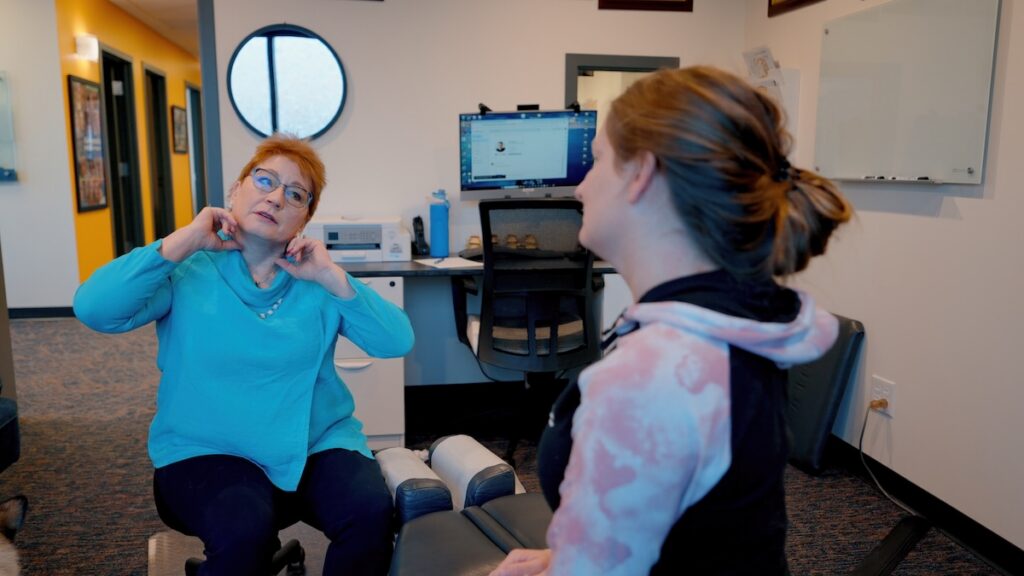
- History and exam. We’ll talk through the accident or incident, your current symptoms, and what activities you need to get back to. Orthopedic and neurologic tests help us pinpoint irritated joints and soft tissues.
- Clear plan. You’ll get a straightforward explanation of what’s going on and how we plan to help. If we see signs that call for imaging or a medical referral, we’ll guide you on that promptly and coordinate as appropriate.
- Care that fits you. Most plans start with more frequent visits early on, then taper as you improve. Your plan may include chiropractic adjustments, gentle mobilization, soft-tissue work, and simple exercises you can do at home to support the changes we make in the office.
- Ongoing guidance. We’ll check in on sleep setups, desk ergonomics, and the right time to resume workouts, driving confidence, or sports. You’ll know what to do, what to avoid, and how to pace your return to full activity.
Simple At-Home Tips While You Heal
These small habits can make a big difference as tissues recover and your spine regains normal motion. None of these replace an exam—think of them as helpful support between visits.
- Move gently and often. Short, pain-free range-of-motion movements for the neck help prevent stiffness. Avoid pushing into sharp pain.
- Use short, periodic cold or heat. In the first couple of days, brief cold packs can calm irritation; later, gentle heat may relax muscle tension. Always protect your skin and limit sessions to about 10–15 minutes.
- Prioritize posture breaks. Every 30–45 minutes, stand up, roll your shoulders, and look far into the distance to give neck muscles a reset.
- Sleep smart. Use a supportive pillow that keeps your neck neutral. Back or side sleeping generally works better than stomach sleeping.
- Hydrate and nourish. Soft tissues heal best when you’re well hydrated and fueling with balanced meals.
- Ease back into activity. Start with light walks and low-impact movement. Save heavy lifting and contact sports for later in recovery.
When to See a Chiropractor vs. When to Seek Urgent Care
Most whiplash injuries are appropriate for chiropractic evaluation—especially if you’re noticing increasing stiffness, headaches at the base of the skull, or pain that limits daily tasks. The sooner we evaluate your spine’s motion, the more directly we can address the problem.
However, some signs call for urgent medical assessment before any conservative care. Seek emergency or urgent care if you experience:
- Severe neck pain after a high-speed impact or a fall from height
- Loss of consciousness at the time of injury or worsening confusion
- Progressive weakness, numbness, or trouble using your hands or legs
- Loss of bladder or bowel control
- Severe, sudden headache unlike your usual pattern
- Known osteoporosis, use of blood thinners, or cancer history with significant trauma
- Fever, chills, or signs of infection alongside neck pain
If you’re unsure, call our Roseville office. We’ll help you determine the safest next step.
Recovery Timeline: What’s Realistic
Healing time varies with impact force, your general health, and how quickly you begin appropriate care. Mild whiplash may improve meaningfully within 2–6 weeks. Moderate cases can take 6–12 weeks, and more complex injuries may require additional time and a more gradual return to full activity.
We don’t rush your neck; we guide it. Our goal is steady, measurable progress—less pain, more motion, better sleep, and growing confidence with daily tasks. If something isn’t changing as expected, we adjust the plan and, when appropriate, coordinate further evaluation.
Mistakes That Can Slow Your Healing
- Waiting it out. Early attention to joint motion and alignment helps prevent chronic patterns from setting in. If your symptoms aren’t improving or are interfering with life, don’t delay care.
- Too much rest, too long. Brief rest has its place, but long periods of immobility can increase stiffness. Gentle, guided movement is your friend.
- Relying on a soft collar for days or weeks. Collars can be helpful briefly in specific situations, but prolonged use can weaken support muscles and delay recovery. We’ll advise you based on your exam.
- Pushing through sharp pain. Smart progression matters. We’ll help you find the right mix of movement and protection so you can build momentum without setbacks.
Our Local Perspective: Roseville Roads, Sports, and Daily Life
Here in Roseville, we see a lot of whiplash from commuter traffic on I-80 and Douglas Boulevard, as well as weekend activities like cycling, soccer, and youth sports. Even a minor bumper tap can lead to next-day neck pain. If you’re navigating work, family schedules, and tight timelines, it can be tempting to ignore symptoms. A brief chiropractic evaluation can give you clarity and a clear plan—so you can keep life moving without guessing.
Final Thoughts
Whiplash can be frustrating, but it’s also highly manageable with the right approach. At Natural Ways Chiropractic in Roseville, we focus on restoring the way your spine moves so your body can heal the way it’s designed to. If you’re noticing neck pain, stiffness, or headaches after a car accident or impact, reach out. We’re here to answer questions, perform a thorough exam, and help you move forward with confidence.
FAQs
What are the first signs of whiplash?
Neck pain and stiffness, headaches starting near the base of the skull, and reduced range of motion are common early signs. You may also notice shoulder or upper-back soreness and difficulty getting comfortable at night.
Can whiplash symptoms be delayed?
Yes. It’s common for symptoms to appear or worsen hours to a day after the incident as inflammation builds and protective muscle guarding sets in. Don’t wait if symptoms are limiting your daily life—get evaluated.
Do I need imaging for whiplash?
Not always. Many whiplash cases do not require imaging. If your history or exam suggests a higher-risk injury or red flags, we’ll guide you to the appropriate imaging or medical referral.
Is chiropractic care safe after a car accident?
In most non-emergency cases, chiropractic care is a safe, conservative option for managing whiplash-related neck pain and stiffness. We always screen for red flags first and tailor techniques to your comfort and condition. X-rays are available on site for your particular case.
How long should I wait before seeing a chiropractor for whiplash?
If pain or stiffness lasts more than a day or two—or if you’re unsure what to do next—schedule an evaluation. Early attention to joint motion and posture often leads to a smoother recovery.
Can whiplash cause headaches or dizziness?
Yes. Irritated joints and muscles in the upper neck can refer pain to the head and affect balance and focus. A focused chiropractic plan aims to improve neck mechanics and reduce those symptoms.
TL;DR
- Whiplash is a neck injury from sudden head movement; symptoms can show up hours to days later.
- Common signs include neck pain, stiffness, headaches, and reduced range of motion.
- Chiropractic care is a frontline, non-drug approach to restore motion and support healing after whiplash.
- Seek urgent care for red flags like severe pain after high-speed impact, progressive weakness, loss of bladder/bowel control, or severe new headache.
- If you’re in Roseville or nearby in the Twin Cities and unsure what to do, a prompt chiropractic evaluation can provide clarity and a clear plan.
References
- Cochrane Library. Manipulation and mobilization for neck pain. Systematic review summary available at the Cochrane Library.
- National Center for Complementary and Integrative Health (NIH). Spinal Manipulation: What the Science Says.