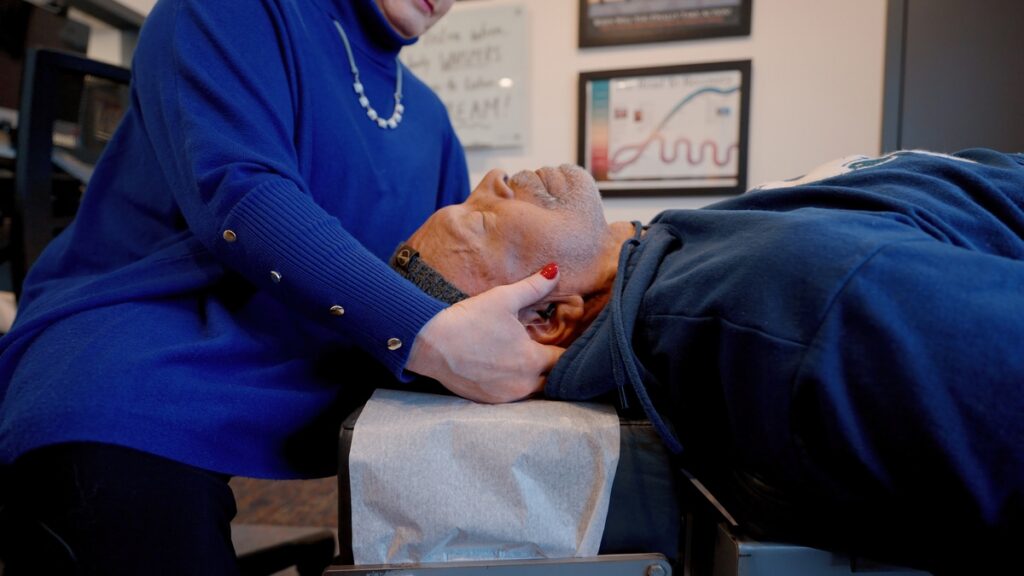
Chronic back pain can be a frustrating experience, but there’s no need to rely solely on medications for relief. As a local chiropractor, I want to share some natural remedies that can help alleviate your discomfort and promote overall wellness. Chiropractic care is one of the most effective ways to address back pain, focusing on spinal health and alignment to support your body’s natural healing process.
In addition to regular chiropractic adjustments, there are various complementary strategies you can incorporate into your routine. Gentle yoga practices can enhance flexibility and strengthen the muscles that support your spine. Simple stretches, particularly those targeting the back and hips, can alleviate tension and improve your range of motion.
Another helpful approach is to consider the benefits of herbal supplements, such as turmeric or ginger, known for their anti-inflammatory properties. These can be a great addition to your wellness routine, but always consult with your chiropractor to ensure they fit well with your overall treatment plan.
Staying active is also crucial. Engaging in light, low-impact exercises, like walking or swimming, can keep your body moving without putting too much strain on your back. Remember to pay attention to your posture throughout the day, whether you’re sitting at a desk or lifting objects. Good posture can significantly reduce strain on your spine.
Lastly, don’t underestimate the power of proper rest. Quality sleep is essential for healing, so make sure your mattress and pillows support your spine adequately.
By prioritizing chiropractic care and integrating these natural strategies into your lifestyle, you can work towards alleviating chronic back pain effectively and promoting a healthier, more balanced life. If you have any questions about these approaches or how chiropractic care can help you, please don’t hesitate to reach out. Your journey to optimal health starts with understanding and taking care of your spine.
Key Takeaways
Chronic back pain can be a frustrating issue, but there are natural remedies that can help alleviate discomfort while supporting overall spinal health. As a chiropractor, I believe that chiropractic care is the best way to promote healing and wellness in the body. Here are some natural remedies to consider alongside regular chiropractic adjustments:
- Turmeric: This golden spice is packed with curcumin, which has anti-inflammatory properties. Incorporating turmeric into your diet may help reduce inflammation in your back, making it a great addition to your meals or as a supplement.
- Willow Bark: Traditionally used for its natural pain-relieving effects, willow bark can provide relief from discomfort. It’s important to consult with your chiropractor about using herbal remedies like this as part of your overall wellness plan.
- Gentle Stretching and Low-Impact Exercises: Engaging in gentle stretches and exercises can significantly improve flexibility and strengthen your core muscles. A strong core supports your spine, reducing the likelihood of pain. Consider working with your chiropractor to develop a personalized exercise plan that suits your needs.
- Heat Therapy: Applying heat to your back can help relax tight muscles and improve blood flow. This can promote healing in the affected areas. Use a warm towel, heating pad, or take a warm bath to ease tension.
- Cold Therapy: Cold packs can be beneficial for numbing sharp pain and reducing inflammation, especially after physical activity or injury. Just be sure to wrap the ice pack in a cloth to protect your skin.
In addition to these remedies, regular chiropractic care is essential for maintaining your spinal health. Chiropractors focus on correcting misalignments in the spine, which can lead to pain and discomfort. By addressing the root cause of your back pain, you can achieve long-lasting relief and improved overall wellness. Remember, it’s always best to consult with your chiropractor before starting any new treatment or remedy to ensure it’s right for you.
Understanding Chronic Back Pain
Chronic back pain can be more than just a physical issue; it often impacts your daily life and emotional health. You may find that even simple tasks, like bending down to tie your shoes or lifting groceries, turn into daunting challenges. This ongoing discomfort can lead to feelings of frustration, anxiety, or even depression, creating a cycle that feels difficult to escape.
Understanding the underlying causes of your pain is crucial. It may be due to poor posture, muscle strain, or other factors affecting your spine. You might notice that certain activities make your pain worse, while others provide some relief. Listening to your body is key—pay attention to what triggers your pain and what helps ease it.
Chiropractic care is a powerful tool that can help you manage and alleviate chronic back pain naturally. By focusing on spinal health, chiropractors can identify misalignments and other issues that may be contributing to your discomfort. Gentle adjustments and targeted therapies can help restore proper function to your spine, reduce inflammation, and promote healing.
Here are some general tips to help you manage your back pain and enhance your overall wellness:
- Maintain Good Posture: Whether sitting, standing, or lifting, always be mindful of your posture. Keeping your spine aligned can prevent strain and discomfort.
- Stay Active: Engage in low-impact exercises such as walking, swimming, or yoga. These activities can strengthen your back and improve flexibility.
- Stretch Regularly: Incorporate gentle stretches into your daily routine to relieve tension in your back muscles.
- Use Proper Lifting Techniques: When lifting heavy objects, bend at your knees and keep the object close to your body to protect your back.
- Stay Hydrated: Drink plenty of water to keep your discs hydrated and support overall spinal health.
- Consult a Chiropractor: Regular visits to a chiropractor can help keep your spine in optimal condition and address issues before they become bigger problems.
Remember, chiropractic care not only addresses pain but also promotes a healthier lifestyle. By empowering yourself with knowledge about your body and seeking natural solutions, you can take significant steps toward achieving optimal health and wellness.
If you’re struggling with chronic back pain, reach out to a chiropractic professional to discuss your specific situation and explore effective, natural management options.
The Role of Herbal Supplements
As a local chiropractor, I believe in the power of natural healing and the body’s ability to recover through proper care. Herbal supplements can play a supportive role in managing chronic back pain and enhancing overall wellness, but they should complement, not replace, the benefits of chiropractic care.
Certain herbs are known for their anti-inflammatory and pain-relieving properties. For example, turmeric contains curcumin, which can help reduce inflammation. Incorporating turmeric into your diet, whether in smoothies or as a spice in meals, can be a great way to support your body. Willow bark is another natural remedy that has been used for ages to alleviate pain, acting in a way similar to aspirin.
Ginger is also a fantastic option; its anti-inflammatory effects can soothe sore muscles and joints. Adding fresh ginger to your meals or enjoying it as a tea can be beneficial. Devil’s claw is another herb that has shown promise in studies for reducing pain and improving mobility.
While these herbal options can be helpful, it’s crucial to remember that chiropractic care addresses the root causes of pain and discomfort. Regular adjustments can help align your spine, reduce tension, and improve your overall function, leading to lasting relief.
Always consult with a healthcare professional before starting any new supplement, especially if you’re already receiving chiropractic care. Together, we can create a holistic approach to your health that combines the best of natural remedies with the effectiveness of chiropractic adjustments.
In addition to considering herbal supplements, maintaining a healthy lifestyle is vital. Here are some tips to enhance your well-being:
- Stay Active: Regular exercise strengthens your back and can help reduce pain.
- Practice Good Posture: Be mindful of your posture while sitting, standing, and lifting to prevent strain on your spine.
- Hydrate: Drinking plenty of water keeps your discs hydrated and supports overall health.
- Get Enough Sleep: Quality sleep is crucial for healing and recovery.
- Manage Stress: Incorporate relaxation techniques like deep breathing or meditation into your routine.
Benefits of Essential Oils
As a local chiropractor, I understand the importance of natural remedies for back pain, and I want to share how essential oils can play a supportive role in your wellness journey. These concentrated plant extracts can complement chiropractic care by offering benefits that may help alleviate discomfort and promote overall well-being.
For instance, oils like lavender and chamomile are known for their calming properties. Reducing stress and tension is crucial, as these factors often exacerbate back pain. When you incorporate these oils into your routine, you may find relief from the tightness that can stem from daily life.
Applying essential oils topically can directly target sore muscles, promoting relaxation and enhancing the effects of your chiropractic adjustments. Additionally, peppermint oil has a cooling effect that can help reduce inflammation and improve blood circulation, further contributing to pain relief.
Using essential oils in a diffuser can also create a soothing environment in your home, which can enhance your overall sense of well-being and aid in recovery. To ensure safe application, remember to mix essential oils with a carrier oil before applying them to your skin.
While essential oils can be a wonderful addition to your wellness toolkit, they should be used alongside regular chiropractic care. By prioritizing spinal health and combining it with the calming benefits of essential oils, you can support your back health and enhance your comfort naturally. Always consult with your chiropractor to find the best approach for your specific needs, and remember that a holistic approach to health is key to achieving optimal wellness.
Incorporating Gentle Yoga Practices
Incorporating gentle yoga practices into your daily routine can significantly enhance your back pain management, complementing the benefits of chiropractic care. By focusing on stretching, strengthening, and relaxation, yoga can help improve your flexibility and posture, which are crucial for alleviating discomfort. Simple poses like Child’s Pose, Cat-Cow, and Savasana are excellent starting points to gently stretch your spine and release tension.
You don’t need to be an expert; just pay attention to your body and its signals. Aim for a few minutes of yoga each day, gradually increasing the duration as you become more comfortable. Breathing techniques can also enhance your practice, promoting relaxation and reducing stress, which is essential for overall wellness.
While I recommend considering chiropractic care for comprehensive pain relief and natural healing, adding gentle yoga into your routine can be a beneficial complement. If you’re unsure where to start, look for local classes or online tutorials specifically designed for back pain relief. Consistency is key—over time, you may notice improved mobility and reduced pain.
As you embrace these gentle movements through yoga, remember that you’re not just supporting your back; you’re also cultivating a sense of well-being and mindfulness that enhances your overall health. Always consult with your chiropractor to ensure that your yoga practice aligns with your specific health needs and complements your chiropractic care for optimal results.
The Power of Heat and Cold Therapy
When it comes to managing chronic back pain, understanding the benefits of heat and cold therapy can be a game changer. As your local chiropractor, I want to share how these simple methods can complement your journey to wellness and highlight the importance of chiropractic care.
Using heat therapy is a fantastic way to relax tight muscles and boost blood flow. This increased circulation helps deliver vital nutrients to the affected areas, promoting healing and soothing discomfort. On the other hand, cold therapy can be a powerful tool in reducing inflammation and numbing sharp pain. It’s essential to know when to use each method to maximize your relief.
Here are some general tips to help you effectively incorporate heat and cold therapy into your routine:
- Heat Therapy: Use a warm compress or heating pad on tense areas for about 15-20 minutes. This can be especially helpful before stretching or engaging in physical activity. However, be cautious not to apply heat for too long to avoid burns.
- Cold Therapy: Apply an ice pack wrapped in a cloth to painful areas for about 10-15 minutes. This is particularly effective after activity or for acute pain episodes, as it can help reduce swelling.
- Listen to Your Body: Pay attention to how your back responds to each therapy. If one method seems to worsen your pain, it may be best to switch to the other.
- Combine with Chiropractic Care: While heat and cold therapy are beneficial, integrating these practices with regular chiropractic adjustments can significantly enhance your healing process. Chiropractic care targets the underlying causes of pain, ensuring long-term relief and optimal health.
- Stay Active: Gentle movement and stretching can complement your therapy. Consult with your chiropractor for exercises tailored to your specific condition.
Benefits of Heat Application
Heat application is a fantastic method for managing chronic back pain, and many of my patients have found great relief this way. When you use heat, it boosts blood flow to the area, which helps to relax tight muscles and ease discomfort. This increased circulation brings essential nutrients and oxygen to your back, promoting healing and recovery.
You can utilize various heat sources to find what works best for you. Simple options include heating pads, warm towels, or even soaking in a hot bath. These methods can help alleviate stiffness and enhance your flexibility, making daily activities feel more manageable.
Moreover, heat can stimulate the release of endorphins, which are your body’s natural painkillers. This additional relief can make a significant difference in your daily comfort.
Incorporating heat therapy into your routine is a great way to complement your chiropractic care. It can help you manage pain effectively and support your journey toward optimal health. Remember, while heat can provide relief, the best long-term solution for back pain is often found through regular chiropractic adjustments, which address the root cause of your pain and promote overall wellness.
Always listen to your body and find what combination of heat therapy and chiropractic care works best for you. Taking proactive steps toward your health can lead to a more comfortable and active lifestyle!
Cold Therapy Techniques
Cold therapy techniques can be a valuable part of your wellness routine, especially for managing chronic back pain that may arise after physical activity or during flare-ups. When you apply ice packs or cold compresses to the affected area, you can effectively reduce inflammation and numb sharp pain, allowing your body to heal naturally.
For an easy and effective cold therapy solution, consider using a gel pack or even a bag of frozen vegetables wrapped in a cloth. Aim for 15-20 minutes of cold application, and remember to let your skin return to its normal temperature before reapplying. This simple practice can make a significant difference in your comfort levels.
In addition to targeted cold applications, taking a cool bath or shower can also provide relief and help soothe your muscles. It’s important to listen to your body during these treatments; if you start to feel uncomfortable, it’s best to stop.
While cold therapy can be beneficial, it’s essential to remember that chiropractic care is the best choice for achieving optimal health and managing pain. A chiropractor can help identify the underlying causes of your discomfort and guide you through natural healing techniques that promote a healthier lifestyle.
When to Use Which
Understanding when to apply heat or cold therapy can significantly enhance your pain management strategy and support your journey towards optimal health. Each method has its unique benefits, and knowing when to use them can make a substantial difference in your relief.
- Cold Therapy: It’s best to use cold therapy within the first 48 hours after an injury. This helps reduce inflammation and numbs sharp pain, allowing your body to begin the healing process. Applying an ice pack wrapped in a cloth for about 15-20 minutes can be very effective.
- Heat Therapy: After the initial swelling has gone down, heat therapy becomes beneficial, especially for muscle tension or stiffness. A warm compress or heating pad can help soothe tight muscles and promote relaxation, which is essential for recovery.
- Switching Methods: Alternating between heat and cold can be a great strategy. This technique promotes circulation and can help ease muscle spasms, providing a balanced approach to relief.
- Consult a Professional: If you’re ever unsure about which therapy to use or if your pain persists, consulting a chiropractor is a great step. They can provide tailored advice and treatments that align with your individual needs, focusing on natural healing methods.
Incorporating these simple tips into your routine can appreciably improve your comfort and overall wellness. Remember, chiropractic care not only addresses pain relief but also enhances your body’s natural ability to heal itself, promoting a healthier, happier life.
Exploring Acupuncture and Acupressure
Exploring acupuncture and acupressure can provide alternative methods for managing chronic back pain, but as a chiropractor, I must emphasize that chiropractic care is often the most effective choice for achieving optimal health and pain relief. Chiropractic adjustments focus on realigning the spine and improving nerve function, which can help alleviate discomfort and enhance your overall well-being.
While acupuncture involves inserting needles into specific points on your body to promote healing, chiropractic care directly addresses the root causes of pain by correcting misalignments in the spine. This can lead to improved blood flow, reduced inflammation, and the release of natural pain-relieving endorphins.
Acupressure, which utilizes finger pressure instead of needles, can be a helpful technique you can practice at home. However, it’s important to remember that only a trained chiropractor can provide the comprehensive care needed to address underlying issues. Regular chiropractic adjustments not only help with pain relief but also improve mobility and enhance your body’s ability to heal.
For those dealing with back pain, I recommend incorporating some simple self-care tips into your routine. Stretch regularly to maintain flexibility, practice good posture to support your spine, and stay active with low-impact exercises. These habits, combined with regular chiropractic visits, can lead to a more comfortable and healthier life.
If you’re considering options for pain relief, I encourage you to consult a qualified chiropractor who can help you find the best approach tailored to your specific needs. Embracing chiropractic care may be the key to unlocking a healthier, pain-free lifestyle.
The Importance of Proper Nutrition
To effectively manage chronic back pain, it’s important to recognize that while treatments like chiropractic care can provide significant relief, nutrition also plays a vital role in your overall health and wellness. What you eat can influence inflammation levels and affect your experience with back pain.
Here are four simple nutritional tips to keep in mind that can complement your chiropractic care:
- Omega-3 Fatty Acids: Incorporate foods like salmon, walnuts, and flaxseeds into your diet. These foods are known for their anti-inflammatory properties and can help reduce discomfort.
- Antioxidant-Rich Foods: Include plenty of berries, leafy greens, and nuts in your meals. These foods help protect your body from oxidative stress and support healing, which is essential for anyone dealing with pain.
- Hydration: Make sure to drink plenty of water throughout the day. Staying hydrated is crucial for keeping your spinal discs healthy and functioning properly, which can help alleviate pain.
- Limit Processed Foods: Try to cut back on sugary snacks and trans fats. These types of foods can trigger inflammation and worsen your pain, so focusing on whole, natural foods is a better choice for your health.
By integrating these nutritional tips into your daily routine and continuing with regular chiropractic adjustments, you can enhance your body’s ability to heal and manage pain naturally.
Mindfulness and Stress Reduction Techniques
Chronic back pain can often feel overwhelming, but incorporating mindfulness and stress reduction techniques into your daily routine can significantly enhance your ability to cope with discomfort. As a chiropractor, I believe that chiropractic care is a vital component in achieving optimal health and pain relief. However, combining it with mindfulness practices can further support your wellness journey.
Simple techniques like deep breathing, meditation, and progressive muscle relaxation can help you stay present and reduce anxiety, which can often make pain feel worse. Consider setting aside a few minutes each day to practice mindfulness. Focus on your breath, and observe your thoughts without judgment. This mindful approach can foster a sense of calm and empower you to manage pain more effectively.
Engaging in mindful activities such as yoga or tai chi can also be beneficial. These practices not only enhance your body awareness but also promote relaxation, complementing your chiropractic care. They can help with how you perceive pain and improve your emotional resilience, making it easier to tackle daily challenges.
Staying Active: Low-Impact Exercises
Staying active is crucial for managing chronic back pain, and low-impact exercises are an excellent way to stay fit without putting unnecessary strain on your body. These exercises not only enhance your strength and flexibility but also contribute to your overall well-being, making them a valuable addition to your routine. As a chiropractor, I want to share how these activities can complement your chiropractic care and help you on your journey toward optimal health.
Engaging in low-impact exercises can support your spinal health by improving posture and promoting better alignment. When your spine is aligned correctly, it can help reduce pain and discomfort, allowing you to live a more active life.
Here are some benefits of low-impact exercises and a few activities you can easily incorporate into your daily routine:
- Improved Strength and Stability: Strengthening your core muscles is essential for back support. Consider activities like swimming, walking, or gentle yoga, which can help build and maintain muscle strength without jarring your spine.
- Enhanced Flexibility: Stretching is vital for maintaining flexibility in your muscles and joints. Incorporating gentle stretches, such as those found in Pilates or yoga, can help alleviate tension and improve your range of motion.
- Better Posture: Low-impact exercises encourage awareness of your body mechanics, which can lead to improved posture. This, in turn, can help reduce strain on your spine and surrounding muscles.
- Stress Relief: Physical activity is a great way to relieve stress, which can often exacerbate back pain. Activities like tai chi or leisurely walks not only promote relaxation but also enhance your mood.
- Overall Wellness: Staying active contributes to better overall health, which is fundamental for pain management. Regular exercise can boost your energy levels and improve your quality of life.
Tips for Incorporating Low-Impact Exercises:
- Start slowly and listen to your body. If you feel any discomfort, it’s essential to stop and consult with your chiropractor.
- Aim for consistency rather than intensity. Short, regular sessions can be more beneficial than infrequent, intense workouts.
- Combine different types of exercises to keep your routine balanced and engaging. This can include walking, swimming, cycling, or yoga.
Benefits of Low-Impact Exercise
Regularly engaging in low-impact exercises can be incredibly beneficial for those experiencing chronic back pain. These gentle movements not only help you maintain strength and flexibility but also contribute to your overall wellness without putting unnecessary strain on your back. As a local chiropractor, I want to emphasize the importance of integrating these activities into your routine for better spinal health.
Here are some key benefits of low-impact exercise:
- Improved Mobility: Low-impact exercises can enhance your range of motion, making everyday activities like bending, lifting, and reaching much easier. This improvement in mobility is essential for maintaining an active lifestyle.
- Reduced Pain: Engaging in regular physical activity can help release endorphins—your body’s natural pain relievers. This means that staying active may help reduce your discomfort and make daily life more manageable.
- Enhanced Strength: Focusing on strengthening your core muscles is crucial for supporting your spine. A strong core can help stabilize your back, reducing the risk of future injuries and promoting overall spinal health.
- Better Posture: Many low-impact exercises encourage awareness of body alignment, which can lead to improved posture. Maintaining good posture not only relieves strain on your back but also contributes to better overall health.
Incorporating low-impact exercises into your daily routine can have a profoundly positive impact on your back health and overall quality of life. Remember, chiropractic care can also play a vital role in your wellness journey.
Regular adjustments can help align your spine, reduce pain, and enhance your body’s natural healing abilities.
Here are a few tips to help you get started:
- Start Slow: If you’re new to exercise, begin with gentle activities like walking or stretching. Gradually increase the intensity as your body allows.
- Listen to Your Body: Pay attention to how you feel during and after exercise. If something doesn’t feel right, stop and consult with a chiropractor for guidance.
- Stay Consistent: Aim for regular activity, even if it’s just a short daily walk. Consistency is key to seeing improvements in strength and mobility.
Recommended Exercises to Try
Incorporating low-impact exercises into your daily routine isn’t only great for your overall wellness but also essential in managing chronic back pain. As a chiropractor, I emphasize the importance of movement for spinal health. Activities like swimming, walking, and cycling are fantastic options that reduce strain on your back while enhancing your mobility. Gentle yoga or Pilates can also be particularly beneficial, as they focus on stretching and strengthening your core muscles. These exercises improve your flexibility and stability, which can help alleviate discomfort.
Using resistance bands for light strength training can also target your back and abdominal muscles effectively. Remember, it’s crucial to listen to your body; if something doesn’t feel right, don’t hesitate to modify the activity or take a break.
Consistency is vital—aim for at least 30 minutes of activity most days. Staying active won’t only help reduce your back pain but also significantly enhance your quality of life. Additionally, consider regular chiropractic care as part of your wellness routine; it can play a key role in maintaining a healthy spine and overall body function. By choosing natural healing methods and staying active, you can achieve optimal health and well-being.