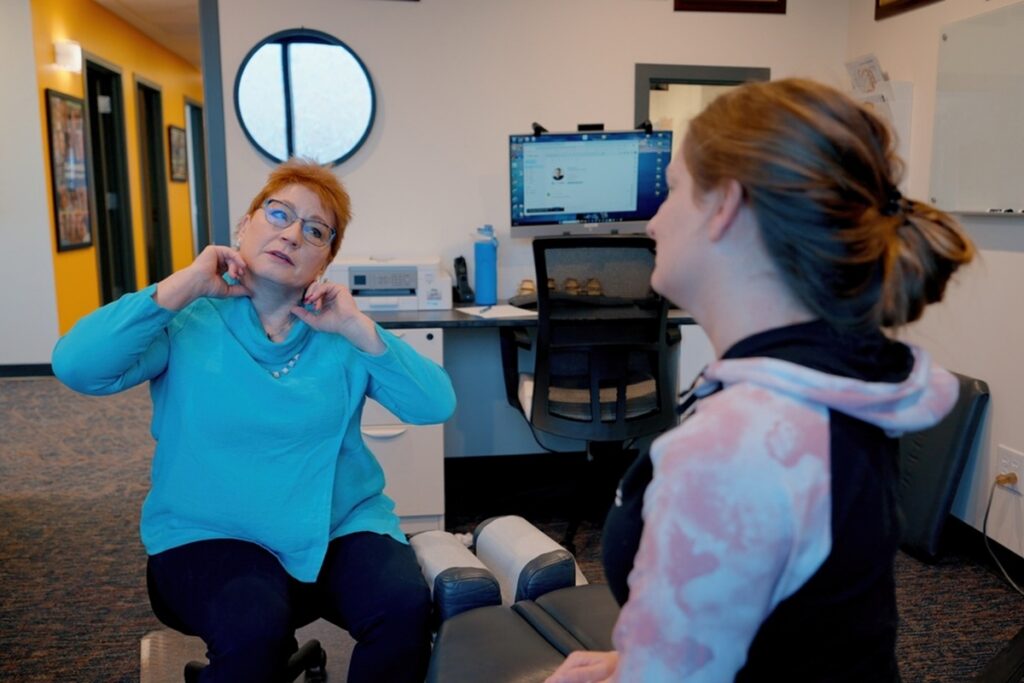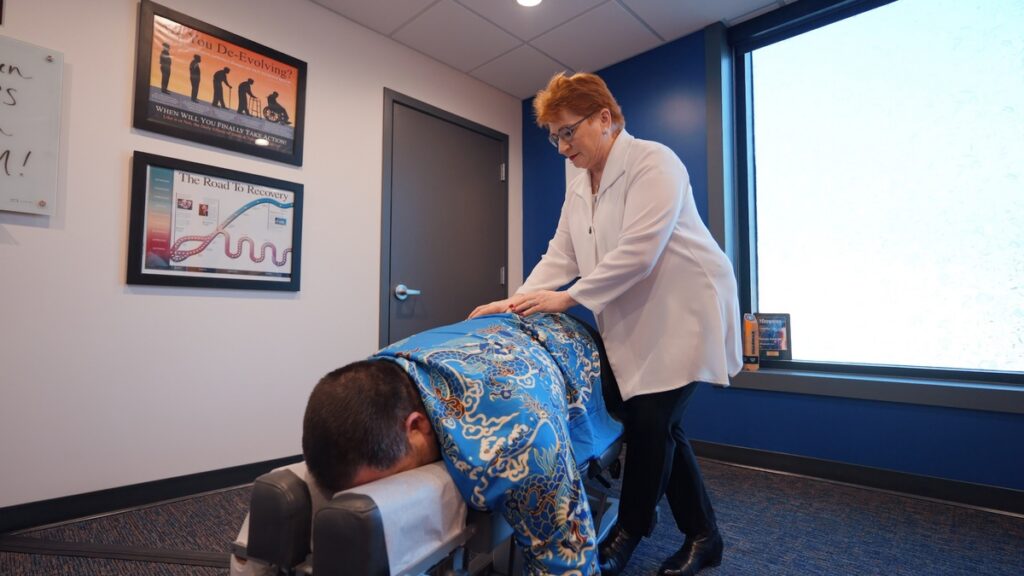
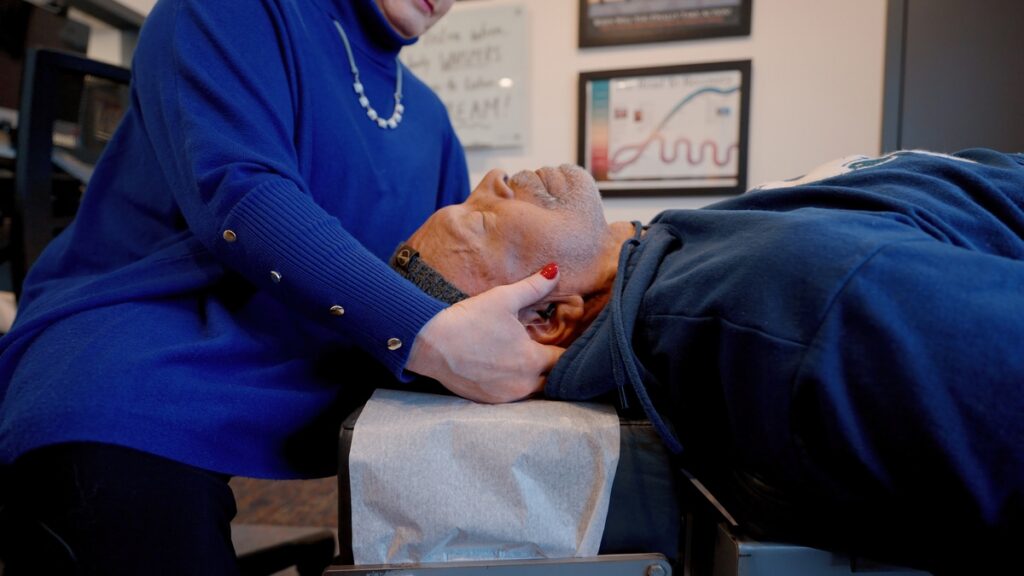
Headaches have a way of stopping your day in its tracks. Whether it’s a dull ache behind your eyes, a throbbing sensation at your temples, or a band of tension wrapping around your skull, headache pain is one of the most common complaints we hear about here at Natural Ways Chiropractic in Roseville, MN. The good news? Many headaches are not random, unavoidable events. They often have identifiable triggers and root causes — and that means they can frequently be prevented with the right strategies in place.
This article is designed to help you understand what’s really driving your headaches and what you can do about it. Dr. Trish Wolff and the team at Natural Ways Chiropractic are passionate about helping members of the Roseville community find lasting relief without relying on medications alone. Let’s walk through the most important headache prevention strategies so you can start building a more pain-free life today.
What are headache prevention strategies? Headache prevention strategies are practical, evidence-informed habits, lifestyle adjustments, and treatment approaches designed to reduce the frequency, intensity, and duration of recurring headaches. Rather than just treating pain after it starts, prevention addresses the underlying triggers and contributing factors — such as posture, muscle tension, hydration, and spinal health — before a headache has the chance to develop.
Understanding the Types of Headaches
Before you can prevent headaches effectively, it helps to understand what kind you’re dealing with. Not all headaches are the same, and their causes can vary quite a bit. The three most common types seen in everyday chiropractic practice are tension headaches, cervicogenic headaches, and migraines.
Tension headaches are by far the most prevalent. They typically feel like a steady pressure or tightening sensation around the forehead, temples, or the back of the head. They’re often linked to muscle tightness in the neck, shoulders, and upper back — areas that tend to carry a lot of stress and poor posture strain throughout the day.
Cervicogenic headaches are particularly relevant from a chiropractic standpoint. The word “cervicogenic” simply means the headache originates from the cervical spine — your neck. When the joints, muscles, or nerves in the neck are irritated or not functioning properly, pain can radiate upward into the head. Many people don’t realize that what feels like a headache actually starts in the neck.
Migraines are more complex and often involve neurological components. They frequently come with additional symptoms like light or sound sensitivity, nausea, or visual disturbances. While the exact mechanisms of migraines are still being studied, certain triggers — including spinal tension, poor sleep, and lifestyle factors — are commonly associated with their onset.
Common Headache Triggers You May Not Recognize
One of the most empowering steps toward headache prevention is learning to identify your personal triggers. Triggers are the specific factors that push your body over the edge into headache territory. Here in Roseville, many of our patients at Natural Ways Chiropractic are surprised to discover that some of their most persistent headaches trace back to habits they had never connected to head pain.
Dehydration is one of the most overlooked triggers. When your body doesn’t have enough fluid, blood volume can decrease, which affects oxygen delivery to the brain. Even mild dehydration has been shown to contribute to headache onset. Most adults benefit from consistent water intake throughout the day, not just when they feel thirsty.
Poor sleep is another significant contributor. Sleep is when your nervous system and muscles recover and reset. Disrupted or insufficient sleep increases overall tension in the body and can lower your pain threshold, making headaches more likely. Irregular sleep schedules — especially common in our busy, overscheduled lives — are particularly problematic.
Screen time and forward head posture deserve special mention. Most of us spend hours each day looking at phones, computers, and tablets. Every inch your head drifts forward from its natural position over the spine places additional strain on the neck muscles. This accumulated tension is a primary driver of both tension headaches and cervicogenic headaches. We’ll come back to this point in a moment when we talk about posture.
Stress, jaw clenching, caffeine fluctuations, skipping meals, and certain foods can all play a role as well. Keeping a simple headache journal — noting when headaches occur, what you were doing, what you ate, and how you slept — can reveal patterns that might surprise you.
The Posture and Spine Connection
If there’s one thing Dr. Trish Wolff emphasizes consistently with patients at Natural Ways Chiropractic, it’s that the health of your spine has a profound impact on headache frequency and severity. Many people think of headaches as a “head” problem, but the cervical spine and the muscles surrounding it play a critical role.
The cervical spine — the seven vertebrae in your neck — houses the nerves that communicate between your brain and your body. When those vertebrae are misaligned, restricted in motion, or under chronic muscular tension, they can irritate the surrounding nerves and trigger referred pain that travels up into the skull. This is the mechanism behind cervicogenic headaches, and it’s more common than most people realize.
Forward head posture — sometimes called “tech neck” — is a growing concern in our increasingly screen-dominated world. Research suggests that for every inch your head moves forward from its neutral position, the effective weight your neck muscles must support can increase significantly. Over hours, days, and years, this creates a pattern of chronic muscle overuse and spinal stress that feeds directly into headache patterns.
The thoracic spine (mid-back) and shoulders also contribute. When the upper back rounds and the shoulders hunch forward, the neck compensates by extending upward, compressing structures at the base of the skull. This compensation pattern is remarkably common and frequently goes unaddressed until it starts producing regular headaches.
Improving spinal alignment and posture isn’t about sitting perfectly rigid all day — it’s about restoring balance so your body isn’t constantly working against itself. That’s where a well-designed care plan can make a meaningful difference.
How Chiropractic Care Supports Headache Prevention
Chiropractic care is a non-invasive, drug-free approach that focuses on restoring proper function to the spine and nervous system. For patients dealing with recurring headaches, chiropractic evaluation often reveals underlying restrictions in the cervical spine that have been quietly contributing to the problem for months or even years.
Evidence from organizations like the American Chiropractic Association and research published in respected chiropractic and medical literature indicates that spinal manipulation — particularly of the cervical and upper thoracic regions — may help reduce the frequency and intensity of tension-type and cervicogenic headaches. While results vary from person to person, many patients report meaningful improvement when chiropractic care is incorporated into their overall headache management approach.
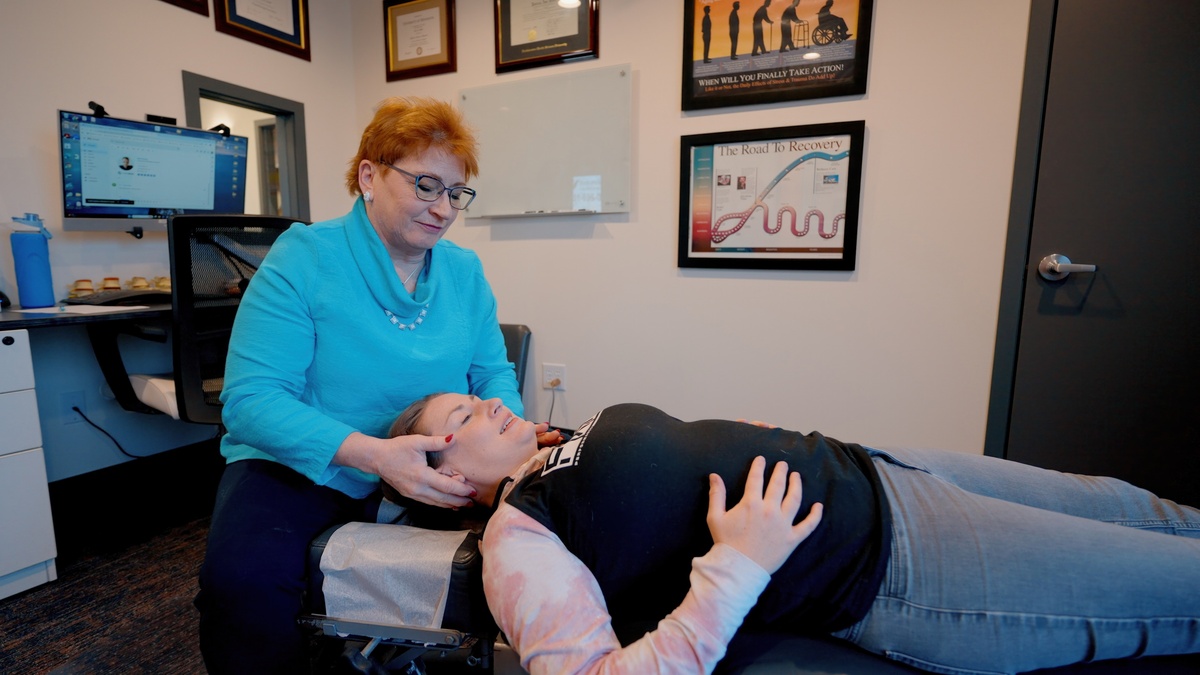
At Natural Ways Chiropractic in Roseville, MN, Dr. Trish Wolff takes a thorough, individualized approach to care. This typically begins with a detailed health history and physical assessment to understand where spinal restrictions, muscle imbalances, and postural patterns may be contributing to headache symptoms. From there, a care plan is tailored to each patient’s specific needs and goals.
Chiropractic adjustments aim to restore proper joint motion, reduce nerve irritation, and relieve muscle tension. Many patients also benefit from complementary guidance on posture correction, ergonomic adjustments, and lifestyle modifications that reinforce the work done in the office. This whole-person approach is what sets chiropractic care apart from simply masking symptoms.
It’s important to be clear: chiropractic care does not cure headaches or migraines. What it can do is address some of the musculoskeletal and spinal factors that contribute to headache patterns — and for many people, that makes a significant difference in quality of life.
Practical Headache Prevention Tips for Daily Life
Beyond regular chiropractic care, there are several practical steps you can take to reduce your headache frequency. These strategies are rooted in what we know about anatomy, muscle function, and lifestyle habits — and they’re things you can start implementing right away.
First, prioritize hydration. Start your morning with a full glass of water before reaching for your coffee. Keep a water bottle visible on your desk as a reminder. Aim for consistent fluid intake throughout the day, especially if you’re physically active or work in a dry environment like many offices in the Roseville area during our long Minnesota winters.
Second, take movement breaks. If your work involves sitting at a desk or looking at screens for extended periods, set a reminder to stand, stretch your neck and shoulders, and reset your posture every 30 to 45 minutes. Even 60 seconds of gentle neck movement can interrupt the tension-building cycle that leads to headaches.
Third, be mindful of your sleep environment. Your pillow should support the natural curve of your neck, keeping your head in a neutral position throughout the night. Sleeping on your stomach forces your neck into a rotated position for hours at a time, which can contribute to morning headaches and neck stiffness. Dr. Trish Wolff can offer specific guidance on sleep positioning and pillow selection based on your individual needs.
Fourth, manage stress actively. Chronic stress keeps your neck and shoulder muscles in a near-constant state of guarded tension. Whether it’s a short walk, deep breathing, light stretching, or a hobby you enjoy — finding consistent outlets for stress is a genuine headache prevention tool, not just a luxury.
Fifth, watch your screen setup. Your monitor should be at eye level so your head doesn’t tilt up or down. Keep your phone raised when reading or texting instead of dropping your chin toward your chest. These small ergonomic adjustments compound over time and can meaningfully reduce neck and head strain.
|
Headache Type |
Common Triggers |
Primary Muscles/Structures Involved |
Chiropractic Relevance |
|---|---|---|---|
|
Tension Headache |
Stress, poor posture, screen time, dehydration |
Neck, upper traps, suboccipital muscles |
High — cervical adjustments and soft tissue work often helpful |
|
Cervicogenic Headache |
Neck joint restriction, whiplash, sustained postures |
Cervical vertebrae, facet joints, nerve roots |
Very high — originates from spinal structures chiropractic directly addresses |
|
Migraine |
Hormonal changes, sleep disruption, light, food, stress |
Trigeminal nerve, neck muscles, vascular factors |
Moderate — chiropractic may help reduce frequency as a complementary approach |
|
Sinus Headache |
Allergies, congestion, sinus pressure |
Frontal and maxillary sinuses, nasal passages |
Low to moderate — may help with associated neck tension and drainage posture |
When to See a Chiropractor for Headaches
If you’re experiencing headaches more than once or twice a week, if they’re consistently affecting your ability to work or enjoy daily life, or if over-the-counter pain relievers are something you find yourself reaching for regularly — these are all good reasons to schedule an evaluation with a chiropractor. Frequent or chronic headaches are your body’s way of communicating that something needs attention.
Cervicogenic headaches, in particular, respond well to chiropractic care because their root cause is structural. If your headaches tend to start in the neck and radiate upward, or if neck stiffness is a consistent companion to your head pain, a chiropractic evaluation is a logical and conservative first step.
That said, some headaches warrant immediate medical attention rather than a chiropractic visit. Please seek emergency care if you experience a sudden, severe “thunderclap” headache that is the worst of your life, a headache accompanied by fever, stiff neck, confusion, vision changes, weakness, or numbness, or a headache following a head injury. These can be signs of a serious medical condition that requires urgent evaluation.
For the vast majority of everyday headache sufferers, though, chiropractic care represents a safe, sensible starting point. At Natural Ways Chiropractic in Roseville, MN, Dr. Trish Wolff is experienced in evaluating headache patterns and helping patients understand what’s driving them — so that care is targeted, not guesswork.
Myths vs. Facts About Headaches
Myth: Headaches are just a normal part of life and nothing can be done.
Fact: While headaches are extremely common, frequent headaches are not something you simply have to accept. Many people experience meaningful reductions in headache frequency when underlying triggers and spinal factors are properly addressed. Recurring pain is a signal worth listening to, not ignoring.
Myth: Only migraines are serious — tension headaches don’t need treatment.
Fact: Tension headaches can be just as disruptive to daily life as migraines, even if they lack the same neurological features. Chronic tension headaches can also gradually worsen over time if the contributing factors — like poor posture and neck tension — go unaddressed. All recurring headaches deserve proper evaluation.
Myth: Chiropractic adjustments can cure headaches permanently.
Fact: Chiropractic care is not a cure for any condition, including headaches. What it can do is address specific musculoskeletal and spinal contributors to headache patterns, which may reduce their frequency and intensity. Results vary based on the type of headache, individual health factors, and consistency of care and lifestyle habits.
Myth: Taking pain medication daily is the safest long-term headache solution.
Fact: Frequent use of over-the-counter pain relievers can actually lead to what’s known as “medication overuse headache” — a rebound cycle where the headaches worsen with continued reliance on medication. Conservative, non-pharmacological approaches — including chiropractic care, hydration, sleep, and posture habits — are often recommended as first-line strategies for recurring headaches.
Myth: Headaches that come with neck pain are always a sign of something dangerous.
Fact: Neck pain and headaches frequently occur together simply because of the shared muscular and nerve pathways in the cervical region. In most cases, this combination points to a musculoskeletal origin — not something dangerous. However, when neck pain and headache are accompanied by fever, neurological symptoms, or follow a trauma, that warrants prompt medical evaluation.
Final Thoughts from Natural Ways Chiropractic in Roseville, MN
Living with frequent headaches takes a real toll — on your focus, your mood, your productivity, and your quality of life. But the reassuring truth is that most everyday headaches have identifiable, addressable causes. With the right information, some lifestyle adjustments, and appropriate professional support, many people are able to dramatically reduce how often headaches disrupt their lives.
At Natural Ways Chiropractic, we genuinely care about the long-term wellbeing of our Roseville neighbors. Dr. Trish Wolff approaches every patient as an individual — taking the time to understand your full health picture before recommending any course of care. Our goal is always to help you understand what’s happening in your body and to support you with honest, effective, evidence-informed care.
If recurring headaches have become a regular part of your life, we encourage you to reach out and schedule a conversation with our team. You deserve to feel well — and taking that first step toward understanding your headaches is one of the most important things you can do for yourself.
Frequently Asked Questions About Headache Prevention
Can chiropractic care help with migraine headaches?
Research suggests that chiropractic care may help some migraine sufferers reduce the frequency or intensity of their episodes, particularly when neck tension and spinal restrictions are contributing factors. Chiropractic is generally considered a complementary approach for migraines rather than a standalone treatment, and results vary by individual.
How many chiropractic visits does it typically take to see improvement in headaches?
This varies significantly depending on the type of headache, how long it has been present, and individual health factors. Some patients notice improvement within a few visits, while others benefit from a longer course of care. Dr. Trish Wolff typically reassesses progress regularly and adjusts the care plan accordingly.
Is it safe to get a chiropractic adjustment if I have a headache right now?
In most cases, yes — chiropractic adjustments are safe during an active headache, particularly for tension-type or cervicogenic headaches. However, your chiropractor will always complete a thorough assessment before proceeding to ensure care is appropriate for your specific situation.
What is the difference between a tension headache and a cervicogenic headache?
Tension headaches are primarily driven by muscle tension and often feel like a band of pressure around the head. Cervicogenic headaches originate specifically from dysfunction in the cervical spine — neck joints, discs, or nerves — and typically involve neck stiffness alongside the head pain. Both can benefit from chiropractic evaluation.
Can poor posture really cause headaches?
Yes. Poor posture — particularly forward head posture and rounded upper back — places chronic strain on the neck muscles and cervical spine. Over time, this accumulated tension can directly contribute to both tension headaches and cervicogenic headaches. Improving posture is one of the most impactful long-term headache prevention strategies.
Should I keep a headache journal?
Absolutely. Tracking when your headaches occur, along with details like sleep quality, water intake, stress levels, foods eaten, and activities, can reveal meaningful patterns. This information is also incredibly helpful for your chiropractor or any other healthcare provider working with you on headache prevention.
TL;DR — Key Takeaways
-
Many recurring headaches are driven by identifiable triggers like poor posture, dehydration, sleep disruption, and spinal tension — all of which can be addressed.
-
The cervical spine plays a major role in headache patterns; cervicogenic and tension headaches are directly linked to neck and upper back dysfunction.
-
Chiropractic care — offered at Natural Ways Chiropractic in Roseville, MN by Dr. Trish Wolff — is a non-invasive, evidence-informed option for reducing headache frequency related to spinal and musculoskeletal causes.
-
Daily habits like hydration, movement breaks, ergonomic screen setup, and stress management are essential components of any headache prevention plan.
-
Seek emergency care for sudden severe headaches, headaches with neurological symptoms, or headaches following head trauma — these require immediate medical attention.