If you’ve ever spent a long day at your desk and felt that nagging ache creeping up your neck, you’re not alone. Neck pain has become one of the most common complaints we see here at Natural Ways Chiropractic in Roseville, MN. The good news? Much of this discomfort is preventable, and understanding the connection between your posture and your neck health is the first step toward feeling better. In this article, we’ll explore how poor posture contributes to neck pain, what chiropractic care can do to help correct postural imbalances, and practical strategies you can implement today to protect your neck for years to come.
What is the connection between posture and neck pain? Poor posture places excessive stress on the muscles, ligaments, and joints of the cervical spine (your neck). When your head shifts forward—a common consequence of slouching or looking down at screens—it can add up to 60 pounds of extra force on your neck structures, leading to pain, stiffness, and long-term structural changes.
Table of Contents
- Understanding Posture and Its Impact on Neck Health
- Common Causes of Poor Posture Leading to Neck Pain
- The Biomechanics: How Your Posture Affects Your Neck
- How Chiropractic Care Addresses Postural Problems
- Practical Tips for Better Posture Throughout Your Day
- When to Seek Chiropractic Care for Neck Pain
- Posture Mistakes vs. Corrections Comparison
- Myths vs. Facts About Posture and Neck Pain
- Final Thoughts from Natural Ways Chiropractic
Understanding Posture and Its Impact on Neck Health
Posture refers to the position your body holds while sitting, standing, or lying down. Ideal posture maintains the natural curves of your spine—including the gentle forward curve in your neck—while distributing weight evenly across your musculoskeletal system. When this balance is disrupted, certain structures bear more load than they were designed to handle.
Your neck, or cervical spine, consists of seven small vertebrae that support your head’s weight (typically 10-12 pounds). These vertebrae are separated by cushioning discs and supported by muscles, tendons, and ligaments. When your posture is aligned, this system functions smoothly with minimal strain. However, when you consistently hold your head in a forward position or slump your shoulders, the natural mechanics change dramatically.
Research suggests that for every inch your head moves forward from its neutral position, the effective weight on your cervical spine increases significantly. This phenomenon, often called “forward head posture” or “text neck,” has become increasingly common in our digital age. The muscles at the back of your neck must work overtime to prevent your head from falling forward, leading to muscle fatigue, trigger points, and eventually chronic pain.
Here in Roseville, many patients who come to Natural Ways Chiropractic describe their neck pain as a constant companion—something that started gradually and has progressively worsened over months or years. Often, they don’t realize their daily posture habits are the underlying culprit. Understanding this connection is empowering because it means you have more control over your neck health than you might think.
Common Causes of Poor Posture Leading to Neck Pain
Several factors in modern life contribute to poor posture and the resulting neck pain. Recognizing these triggers in your own routine is essential for making meaningful changes.
Prolonged Screen Time: Whether you’re working on a computer, scrolling through your phone, or binge-watching your favorite series, extended screen time typically involves looking downward or forward. This position pulls your head out of alignment and strains your neck muscles. Many people spend 8-12 hours daily in front of screens, creating chronic stress on cervical structures.
Sedentary Lifestyle: Sitting for long periods weakens the core and postural muscles that support proper alignment. When these muscles become deconditioned, maintaining good posture requires more effort, and people naturally slouch into positions that feel easier but are biomechanically harmful.
Poor Workstation Ergonomics: An improperly set up desk—monitor too low, chair without lumbar support, keyboard at the wrong height—forces your body into awkward positions. Over time, these positions become habitual, and your body adapts in ways that compromise neck health.
Stress and Tension: Emotional stress often manifests physically. Many people unconsciously tense their neck and shoulder muscles when stressed, pulling their shoulders up toward their ears and creating muscle imbalances that affect posture. This tension can become so habitual that you don’t even notice you’re doing it.
Previous Injuries: Past accidents, whiplash, or sports injuries can alter how you hold your body. Compensatory patterns develop as you unconsciously protect injured areas, and these patterns can persist long after the initial injury has healed, contributing to postural problems and pain.
Carrying Heavy Bags: Regularly carrying a heavy purse, backpack, or briefcase on one shoulder creates asymmetrical loading that pulls your spine out of alignment. This uneven stress affects not just your shoulders but also travels up into your neck.
The Biomechanics: How Your Posture Affects Your Neck
To understand why posture matters so much, it helps to know what’s happening beneath the surface when your alignment is off.
Your spine is designed with natural curves that help absorb shock and distribute weight efficiently. The cervical spine has a lordotic curve—a gentle C-shape that curves forward. This curve positions your head directly over your shoulders, minimizing the work your neck muscles must do to hold it up.
When you slouch or shift your head forward, several biomechanical changes occur. First, the natural cervical curve can flatten or even reverse. This alteration changes how forces are distributed across your spinal discs and joints. Instead of load being spread evenly, certain areas bear excessive pressure, accelerating wear and tear.
Second, the muscles along the back of your neck must contract continuously to prevent your head from dropping forward. These muscles—including the upper trapezius, levator scapulae, and suboccipital muscles—weren’t designed for constant contraction. Over time, they develop trigger points, become chronically tight, and lose their normal elasticity. This creates a cycle where tight muscles pull your posture further out of alignment, which then requires even more muscle tension to compensate.
Third, poor posture affects the facet joints—small joints that connect each vertebra to the next. When alignment is compromised, these joints may become stuck or move improperly, a condition chiropractors call joint dysfunction or subluxation. This can irritate surrounding nerves and create localized inflammation.
Fourth, the muscles in the front of your neck and chest often become shortened and tight in poor posture. This creates an imbalance where the front of your body pulls you forward while the back struggles to pull you back. Breaking this pattern requires both releasing tight anterior structures and strengthening weakened posterior ones.
Evidence indicates that addressing these biomechanical issues through postural correction can significantly reduce neck pain and improve function. The key is identifying where your specific imbalances lie and implementing targeted corrections.
How Chiropractic Care Addresses Postural Problems
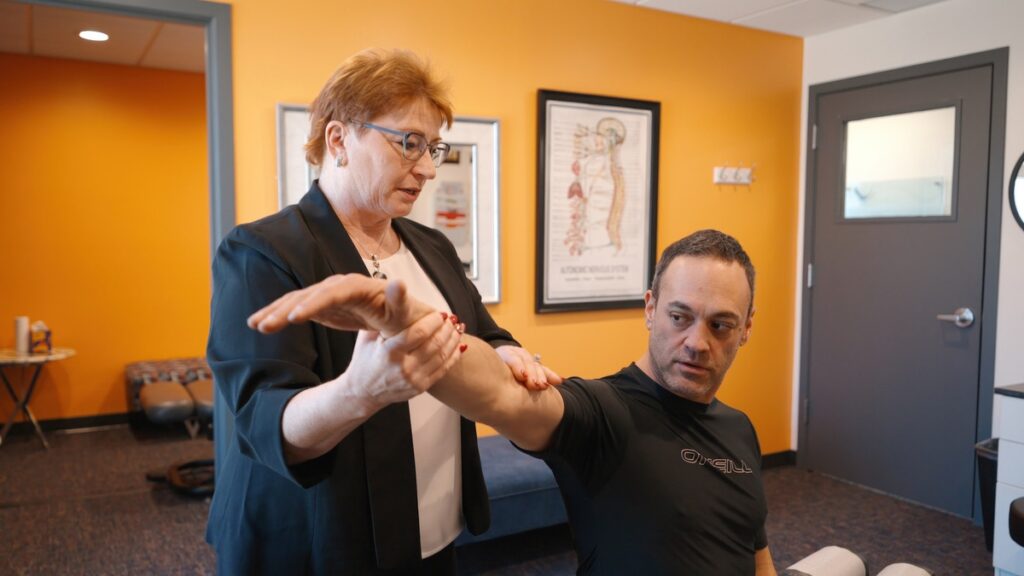
Chiropractic care offers a comprehensive, non-invasive approach to correcting the postural imbalances that contribute to neck pain. At Natural Ways Chiropractic in Roseville, we focus on addressing the root causes of your discomfort, not just temporarily masking symptoms.
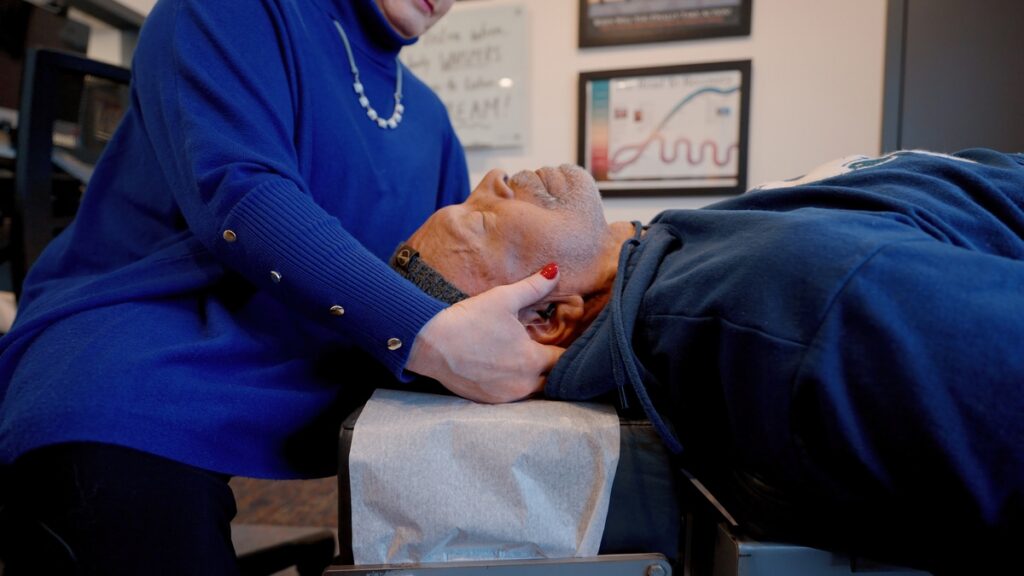
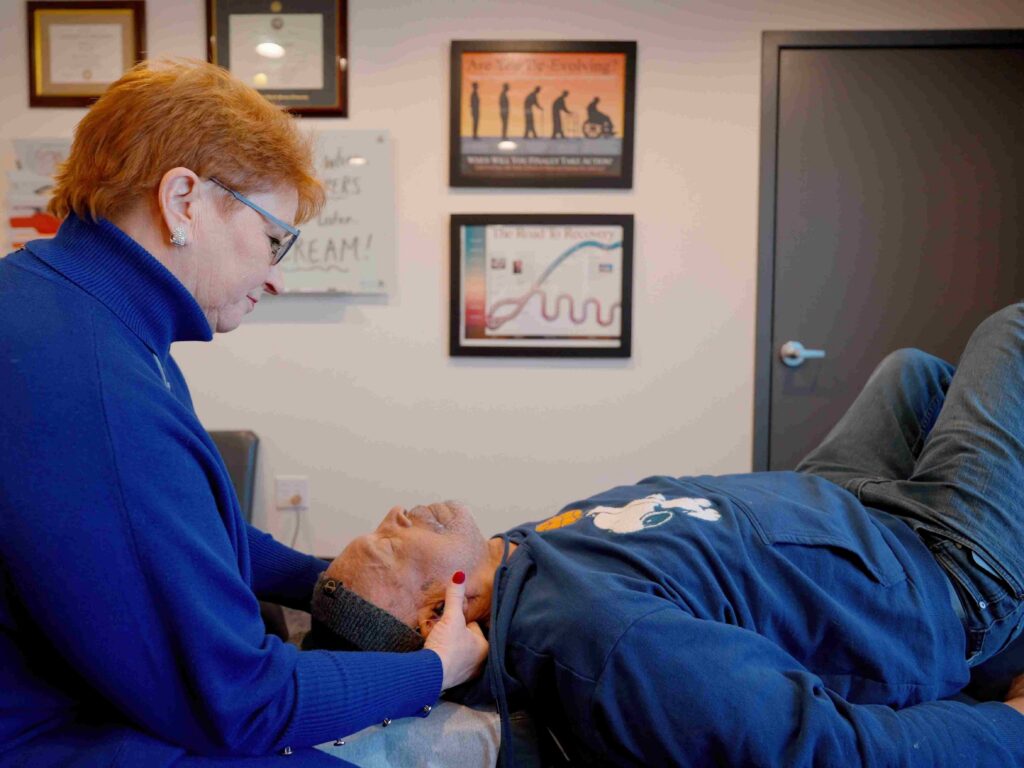
Spinal Adjustments: The cornerstone of chiropractic care involves specific adjustments to restore proper motion and alignment to spinal joints. When vertebrae are misaligned or not moving correctly, gentle adjustments can help restore normal biomechanics. This reduces joint irritation, decreases muscle tension, and allows your body to maintain better posture with less effort.
Postural Assessment: We begin by carefully analyzing your posture from multiple angles. This assessment identifies specific imbalances, such as forward head position, rounded shoulders, or asymmetrical weight distribution. Understanding your unique postural pattern allows us to create a personalized correction strategy.
Soft Tissue Therapy: Tight, knotted muscles perpetuate poor posture. We use various soft tissue techniques to release muscle tension, break up trigger points, and improve tissue flexibility. This makes it easier for your body to adopt healthier postural positions.
Corrective Exercises: Sustainable posture improvement requires strengthening weak muscles and stretching tight ones. We provide targeted exercises you can do at home to reinforce the changes made during your visits. These exercises focus on building core strength, improving neck stability, and balancing muscle groups.
Ergonomic Guidance: We help you optimize your work and home environments to support better posture. This includes recommendations for workstation setup, sleeping positions, and daily activities that may be contributing to your problems.
Education and Awareness: Many people simply aren’t aware of their postural habits. We help you develop body awareness so you can catch yourself before poor posture becomes painful. This mindfulness is a powerful tool for preventing future problems.
What makes chiropractic care particularly effective for posture-related neck pain is its individualized, whole-body approach. We don’t just treat your neck in isolation; we look at how your entire spine and musculoskeletal system are functioning together. This comprehensive perspective addresses the underlying causes of your pain rather than just chasing symptoms.
Many patients at Natural Ways Chiropractic report not only reduced neck pain but also improved energy, better sleep, and enhanced overall well-being as their posture improves. When your body is properly aligned, everything functions more efficiently.
Practical Tips for Better Posture Throughout Your Day
While professional chiropractic care provides essential correction and support, what you do between visits matters just as much. Here are practical strategies you can implement immediately to protect your neck and improve your posture.
Optimize Your Workstation: Position your computer monitor so the top of the screen is at or slightly below eye level. This prevents you from looking down or tilting your head forward. Your chair should support your lower back’s natural curve, and your feet should rest flat on the floor. Keep your keyboard and mouse close enough that your elbows can stay near your sides at roughly 90 degrees.
Follow the 20-20-20 Rule: Every 20 minutes, take a 20-second break and look at something 20 feet away. This simple practice reduces eye strain and reminds you to check your posture. Use these micro-breaks to roll your shoulders back, gently tuck your chin, and reset your alignment.
Mind Your Phone Position: Instead of looking down at your phone, bring it up to eye level. This small adjustment dramatically reduces the forward head position that contributes to “text neck.” Be conscious of how much time you spend on your device and take regular breaks.
Strengthen Your Core: Your core muscles—including your abdominals, back muscles, and pelvic floor—provide the foundation for good posture. Simple exercises like planks, bird dogs, and dead bugs performed a few times weekly can significantly improve your postural endurance.
Practice Chin Tucks: This gentle exercise helps counteract forward head posture. Sit or stand with good alignment, then gently draw your chin straight back, creating a “double chin” appearance. Hold for 5 seconds and repeat 10 times. This strengthens the deep neck flexors that support proper head position.
Stretch Your Chest: Tight chest muscles pull your shoulders forward. Stand in a doorway with your arm extended along the door frame at shoulder height. Gently step forward until you feel a stretch across your chest. Hold for 30 seconds on each side. Do this several times daily, especially if you work at a desk.
Check Your Sleep Position: Your pillow should support your neck’s natural curve without pushing your head too far forward or letting it drop backward. Side sleepers need a thicker pillow than back sleepers. Avoid sleeping on your stomach, as this position twists your neck for hours at a time.
Stay Active: Regular movement keeps your muscles balanced and prevents the stiffness that comes from prolonged static positions. Walking, swimming, and yoga are particularly beneficial for maintaining healthy posture. Even standing up and moving around your home or office every hour makes a difference.
Practice Postural Awareness: Throughout your day, periodically check in with your body. Are your shoulders creeping up toward your ears? Is your head jutting forward? Is your lower back arched or slumped? Simply noticing these patterns is the first step toward changing them.
Balance Your Load: If you carry a bag, alternate shoulders regularly or use a backpack with both straps. Keep the weight as light as possible and position heavier items close to your back. Avoid consistently carrying children on the same hip.
When to Seek Chiropractic Care for Neck Pain
While many postural habits can be self-corrected, there are times when professional chiropractic care becomes important for preventing chronic problems or addressing existing pain.
Consider scheduling an evaluation at Natural Ways Chiropractic if you experience neck pain that persists for more than a few days despite self-care measures. Occasional discomfort after a particularly long day at your desk is common, but pain that becomes your new normal deserves attention.
Frequent headaches, particularly those that start at the base of your skull and radiate forward, often stem from neck and postural issues. These cervicogenic headaches respond well to chiropractic care that addresses the underlying neck dysfunction.
If you notice reduced range of motion in your neck—difficulty looking over your shoulder while driving, stiffness when turning your head, or inability to look up or down comfortably—this indicates joint restriction that may benefit from chiropractic adjustments.
Numbness, tingling, or pain that radiates down your arm can indicate nerve involvement. While not all arm symptoms are serious, they warrant professional evaluation to determine the cause and appropriate care strategy.
Postural changes you can see—such as one shoulder higher than the other, head tilting to one side, or noticeable forward head position—suggest structural imbalances that are best addressed with professional guidance rather than self-treatment alone.
Prevention is always easier than correction. If you work in an environment that you know is hard on your neck—extensive computer work, repetitive movements, heavy lifting—regular chiropractic check-ups can help catch and correct small problems before they become major issues.
You should seek immediate medical attention (not chiropractic care initially) if your neck pain follows significant trauma like a car accident or fall, is accompanied by fever and severe headache, involves loss of bladder or bowel control, or comes with progressive weakness in your arms or legs. These red flags may indicate conditions requiring emergency medical evaluation.
For most posture-related neck pain, however, chiropractic care offers a safe, effective, drug-free approach. We work collaboratively with other healthcare providers when necessary to ensure you receive comprehensive care tailored to your specific needs.
Posture Mistakes vs. Corrections Comparison
| Common Posture Mistake | Why It Causes Neck Pain | Proper Correction |
|---|---|---|
| Head jutting forward while at computer | Adds 30-60 lbs of extra force on cervical spine; strains posterior neck muscles | Position monitor at eye level; keep ears aligned over shoulders |
| Looking down at phone for extended periods | Creates severe forward head position; compresses cervical discs | Bring phone to eye level; limit screen time; take frequent breaks |
| Rounded shoulders and sunken chest | Pulls neck forward; creates muscle imbalances; restricts breathing | Perform chest stretches; strengthen upper back muscles; practice shoulder blade squeezes |
| Cradling phone between ear and shoulder | Side-bends and rotates neck unnaturally; strains muscles on one side | Use speakerphone or headset; never trap phone against shoulder |
| Sleeping with multiple pillows or very flat pillow | Forces neck into flexion or extension for hours; prevents muscle relaxation | Use one supportive pillow that maintains natural neck curve; replace flat pillows |
| Sitting without lumbar support | Causes lower back slouching which leads to compensatory forward head position | Use chair with lumbar support or add small cushion; sit back in chair |
Myths vs. Facts About Posture and Neck Pain
Myth: Good posture means sitting up perfectly straight with military rigidity
Fact: Healthy posture maintains your spine’s natural curves and allows for comfortable, sustainable positioning. Forcing yourself into an overly rigid position creates tension and is difficult to maintain. Good posture should feel balanced and relatively effortless, not strained or uncomfortable. The goal is neutral alignment, not military stiffness.
Myth: If you have good posture, you’ll never get neck pain
Fact: While proper posture significantly reduces your risk of neck pain, it’s not a guarantee against all discomfort. Other factors like previous injuries, genetic factors, repetitive strain, acute trauma, or underlying conditions can also contribute to neck problems. However, maintaining good posture remains one of the most effective preventive strategies you can control.
Myth: You can permanently fix your posture in just a few chiropractic visits
Fact: Correcting posture, especially long-standing postural imbalances, takes time and consistent effort. While chiropractic adjustments can provide immediate improvements in joint function and pain relief, retraining your body’s habits requires weeks or months of ongoing care, home exercises, and conscious attention to your daily positions. Sustainable change is a process, not a quick fix.
Myth: Neck pain from poor posture only affects older adults
Fact: Posture-related neck pain increasingly affects people of all ages, including teenagers and young adults. The widespread use of smartphones, tablets, and computers has created an epidemic of “text neck” in younger populations. Research suggests that postural problems are developing earlier in life than ever before, making prevention and early correction more important across all age groups.
Myth: Strong neck muscles alone will prevent posture-related pain
Fact: While strong neck muscles are beneficial, balanced strength throughout your entire kinetic chain matters more. Your posture depends on coordination between your core, shoulders, upper back, and neck. Focusing only on neck strengthening while neglecting other areas can actually create new imbalances. A comprehensive approach addressing flexibility, strength, and proper movement patterns is most effective.
Final Thoughts from Natural Ways Chiropractic
Your posture is one of the most powerful tools you have for preventing neck pain and maintaining long-term spinal health. While our modern lifestyle presents unique challenges—from desk work to constant screen time—understanding the connection between how you hold your body and how you feel empowers you to make meaningful changes.
Here at Natural Ways Chiropractic in Roseville, Minnesota, we’re committed to helping our community understand that neck pain doesn’t have to be your new normal. Through comprehensive chiropractic care focused on correcting postural imbalances, combined with education and practical strategies you can use every day, lasting improvement is absolutely achievable.
Remember that small, consistent changes add up over time. You don’t need to overhaul your entire life overnight. Start with one or two of the practical tips we’ve discussed—perhaps adjusting your monitor height or practicing chin tucks during your workday. As these become habits, add more strategies. Be patient with yourself as your body relearns healthier patterns.
If you’re currently dealing with neck pain or want to prevent it from developing, we’d be honored to be part of your health journey. Our team takes the time to understand your unique situation, identify the specific postural factors contributing to your discomfort, and create an individualized care plan that fits your lifestyle and goals.
Taking care of your neck and posture is an investment in your quality of life—your ability to work comfortably, play with your children or grandchildren, enjoy your hobbies, and simply move through your day without constant discomfort. You deserve to feel your best, and we’re here to help you get there.
Frequently Asked Questions
How long does it take to correct forward head posture with chiropractic care?
The timeline varies based on how long you’ve had the postural imbalance, its severity, and your consistency with home exercises and postural awareness. Many patients notice improvements in pain and function within 4-6 weeks of regular care, though significant structural changes may take 3-6 months or longer. Sustainable correction requires ongoing attention even after initial improvements.
Can poor posture cause permanent damage to my neck?
Long-standing postural problems can lead to degenerative changes in your cervical spine, including disc degeneration, arthritis, and bone spurs. However, even if some structural changes have occurred, improving your posture can prevent further deterioration, reduce pain, and improve function. It’s never too late to benefit from better postural habits and appropriate care.
Is it normal for my neck to hurt more when I first start trying to improve my posture?
Some temporary discomfort is common as your muscles adapt to new positions. Your body has likely compensated for poor posture for years, so holding yourself differently requires muscles that may be weak or tight to work in new ways. This adjustment period typically lasts a few days to a couple of weeks and should gradually improve, not worsen progressively.
Do posture corrector braces or devices actually work?
Posture braces can serve as temporary reminders or training tools, but they shouldn’t be relied upon as a sole solution. Over-dependence on external support can actually weaken the muscles that need to support your posture naturally. The most effective approach combines professional care, targeted exercises to strengthen postural muscles, and conscious awareness of your positioning throughout the day.
Can chiropractic adjustments alone fix my posture, or do I need to do exercises too?
While chiropractic adjustments are valuable for restoring proper joint function and reducing pain, lasting postural correction requires active participation on your part. Adjustments address joint restrictions and biomechanical problems, but exercises strengthen weak muscles and retrain movement patterns. The combination of professional care and home exercises produces the best long-term results.
How often should I get chiropractic adjustments for postural neck pain?
Treatment frequency depends on your specific condition, severity, and how your body responds to care. Initially, more frequent visits (1-3 times per week) may be beneficial for addressing acute pain and beginning postural correction. As you improve, visits typically become less frequent, transitioning to maintenance care (monthly or as needed) to support ongoing postural health and prevent recurrence.
TL;DR – Key Takeaways
- Poor posture, especially forward head position, significantly increases stress on your neck structures and is a leading cause of neck pain in modern life.
- Chiropractic care addresses posture-related neck pain through spinal adjustments, soft tissue therapy, corrective exercises, and ergonomic guidance—providing a comprehensive, non-invasive approach.
- Practical daily changes like optimizing your workstation, practicing proper phone positioning, and performing simple exercises can dramatically reduce your risk of developing neck pain.
- Sustainable posture correction takes time and requires both professional care and consistent attention to your daily habits; quick fixes don’t create lasting change.
- Seeking chiropractic care early when you notice postural problems or persistent neck discomfort can prevent minor issues from becoming chronic conditions that are harder to resolve.