If you’ve ever felt a tingling, burning, or numb sensation in your hand or wrist, you know how distracting — and worrying — it can be. These sensations are often the first warning signs of carpal tunnel syndrome, a condition that affects millions of people and can quietly interfere with everyday life. Whether you’re typing at a desk, cooking dinner, or simply trying to sleep, carpal tunnel syndrome can make even the simplest tasks feel frustrating. The good news? Understanding what’s behind this condition is the first step toward finding relief, and there are real, non-invasive options available to help.
What Is Carpal Tunnel Syndrome?
Carpal tunnel syndrome occurs when the median nerve — which runs from your forearm into your hand through a narrow passageway in the wrist called the carpal tunnel — becomes compressed or irritated. This compression leads to pain, numbness, tingling, and weakness in the hand and fingers. It’s one of the most common nerve-related conditions affecting the upper extremities, and it’s far more treatable than many people realize.
- Understanding the Carpal Tunnel
- Top Causes of Carpal Tunnel Syndrome
- Signs & Symptoms to Watch For
- How Chiropractic Care Can Help
- Practical Tips for Managing Carpal Tunnel
- When To See a Chiropractor
- Myths vs. Facts About Carpal Tunnel Syndrome
- Final Thoughts From Natural Ways Chiropractic
Understanding the Carpal Tunnel
The carpal tunnel is a narrow channel formed by the bones and ligaments at the base of your wrist. Through this tunnel passes the median nerve, along with tendons that help your fingers move. When any structure inside that tunnel becomes inflamed or swollen — even slightly — the space shrinks, and the median nerve gets pinched.
Think of it like a garden hose with something pressing down on it. When the flow is restricted, things downstream don’t work as well. In the case of carpal tunnel syndrome, it’s the signals between your brain and your hand that get disrupted. That’s why the symptoms often feel like electricity, numbness, or a heavy achiness rather than a straightforward muscle pain.
Here in Roseville, MN, the team at Natural Ways Chiropractic sees patients dealing with this condition regularly. Many of them are surprised to learn that carpal tunnel syndrome doesn’t just come from typing — it has a wide variety of causes that are worth understanding.
Top Causes of Carpal Tunnel Syndrome
One of the most common misconceptions about carpal tunnel syndrome is that it only affects office workers. In reality, there are several contributing factors that can lead to median nerve compression, and many of them have nothing to do with a keyboard. Here’s a closer look at the most well-recognized causes.
Repetitive Hand and Wrist Movements
Repetitive motions that involve the wrist — such as typing, using a mouse, playing an instrument, or performing assembly work — can gradually inflame the tendons inside the carpal tunnel. Over time, this inflammation narrows the space and puts pressure on the median nerve. It’s not just one day of hard work that causes the problem; it’s the cumulative effect of doing the same motion day after day without adequate recovery.
Poor Wrist Position and Ergonomics
Working with your wrists in a bent or awkward position puts additional stress on the structures inside the carpal tunnel. Many people type with their wrists dropped below the keyboard, flex their wrists while gripping tools, or sleep with their wrists curled tightly under their pillow. These positions reduce the available space in the carpal tunnel and can trigger or worsen symptoms over time.
Underlying Health Conditions
Certain health conditions are known to increase the risk of carpal tunnel syndrome. Diabetes, hypothyroidism, rheumatoid arthritis, and pregnancy-related fluid retention can all contribute to inflammation and swelling in the wrist area. If you have one of these conditions and are experiencing hand symptoms, it’s especially important to have the connection evaluated by a healthcare professional.
Anatomical Factors
Some people are simply born with a smaller carpal tunnel, which means there’s less room for error before symptoms develop. A previous wrist fracture, dislocation, or injury can also alter the anatomy of the tunnel and narrow the available space. These structural factors don’t guarantee you’ll develop carpal tunnel syndrome, but they can make you more susceptible to it.
Inflammation and Fluid Retention
Systemic inflammation — from conditions like arthritis or even prolonged poor posture — can lead to swelling throughout the body, including within the carpal tunnel. Pregnancy is a particularly well-known trigger because hormonal changes cause fluid retention that can put pressure on the median nerve. For many pregnant women, symptoms often improve after delivery as fluid levels normalize.
Cervical Spine and Nerve Root Involvement
This is a factor that many people overlook, and it’s one that chiropractors like Dr. Trish Wolff at Natural Ways Chiropractic pay close attention to. The median nerve doesn’t start at the wrist — it originates from nerve roots in the cervical spine (your neck). Misalignments or dysfunction in the cervical vertebrae can interfere with nerve signaling and contribute to symptoms that feel very much like carpal tunnel syndrome, even when the primary problem is higher up. This is sometimes called a “double crush” phenomenon, where the nerve is irritated at more than one point along its path.
Signs & Symptoms to Watch For
Carpal tunnel syndrome doesn’t always start dramatically. Most people notice gradual changes that seem minor at first but worsen over weeks or months. Common symptoms include numbness and tingling in the thumb, index, middle, and part of the ring finger. Many people also experience a burning or aching sensation in the wrist or forearm, and some describe a feeling of weakness when gripping objects.
One of the hallmark signs is symptoms that worsen at night. Many patients at Natural Ways Chiropractic in Roseville, MN describe being awakened by numbness or pain and needing to shake their hands to get relief. This nighttime pattern often happens because people curl their wrists while sleeping, further compressing the median nerve.
As the condition progresses, symptoms may begin to occur during the day as well. Dropping objects, struggling to button clothing, or losing fine motor control in the fingers can indicate that the nerve compression is becoming more significant. At this stage, professional evaluation becomes especially important.
How Chiropractic Care Can Help
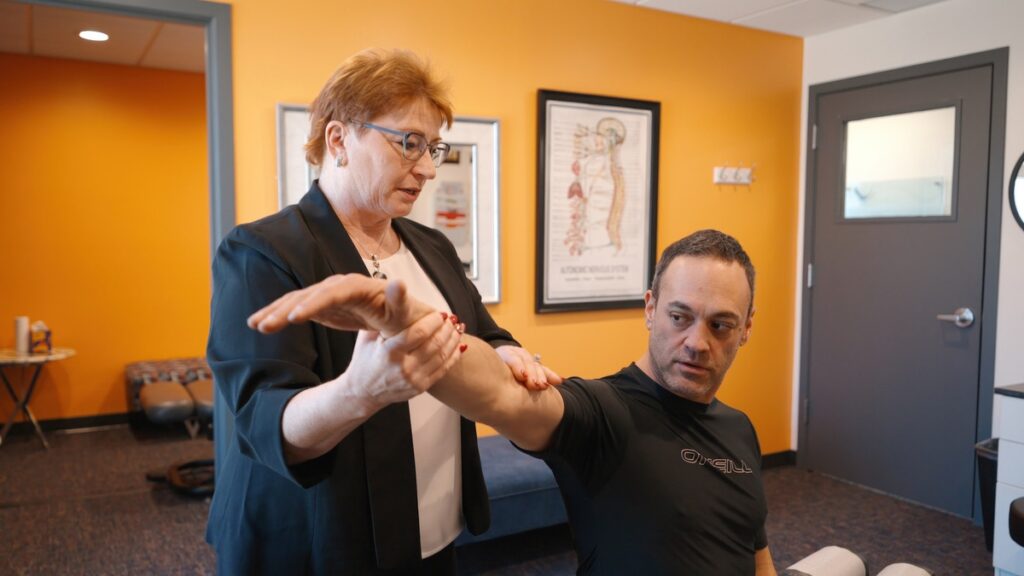
Chiropractic care offers a non-invasive, drug-free approach to addressing carpal tunnel syndrome. Rather than masking symptoms, chiropractic focuses on identifying and addressing the underlying mechanical causes of nerve compression. At Natural Ways Chiropractic in Roseville, MN, Dr. Trish Wolff takes a whole-body approach — meaning she doesn’t just look at the wrist in isolation.
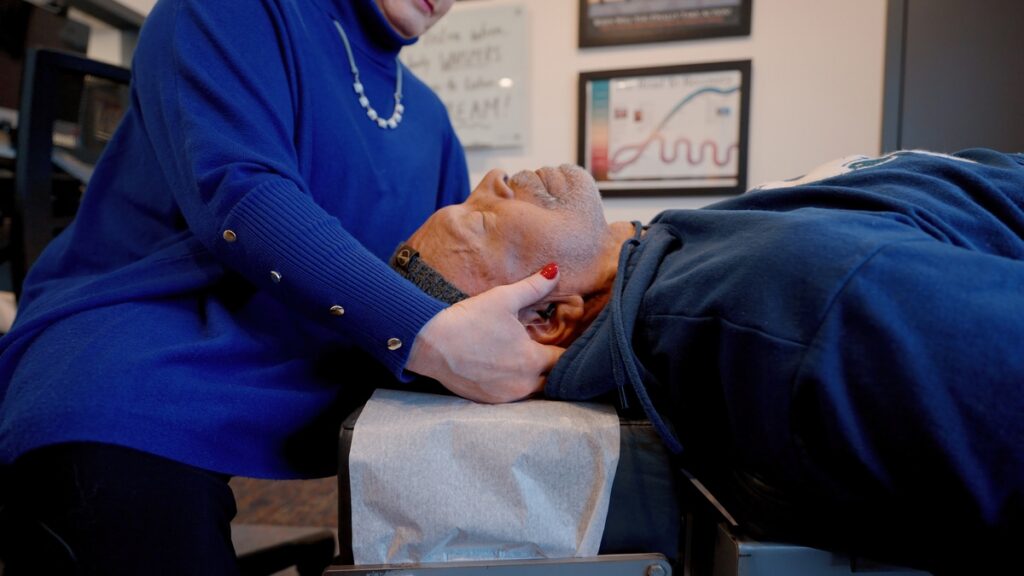
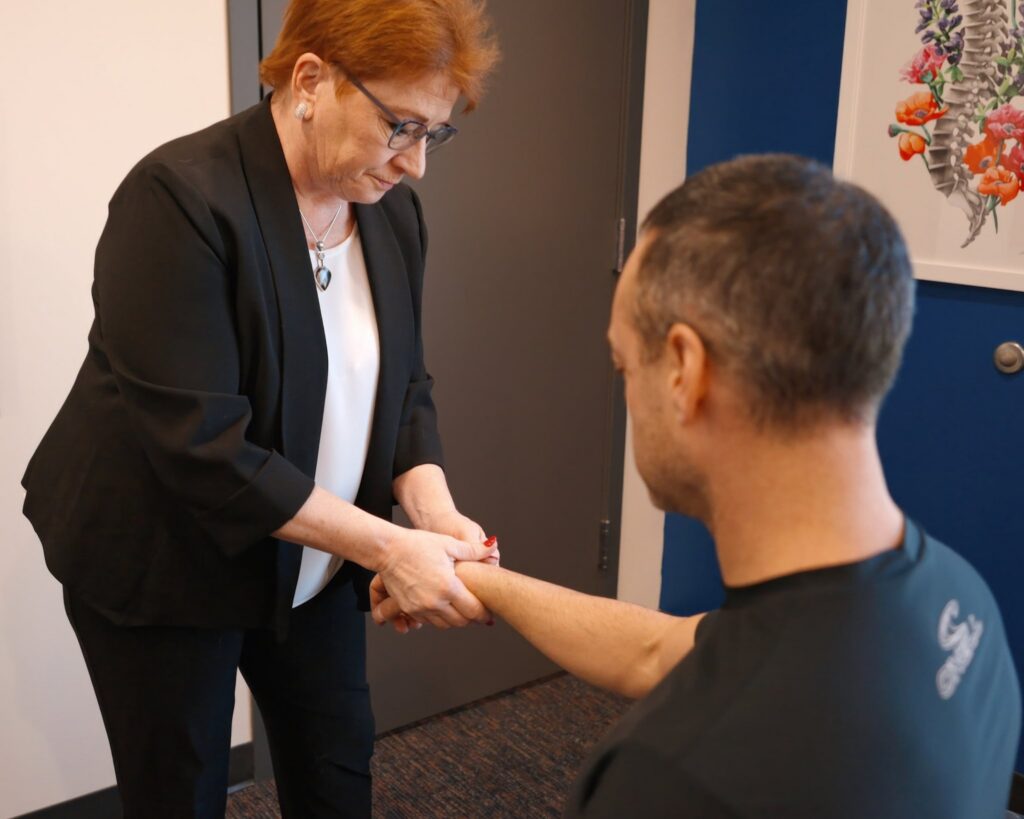
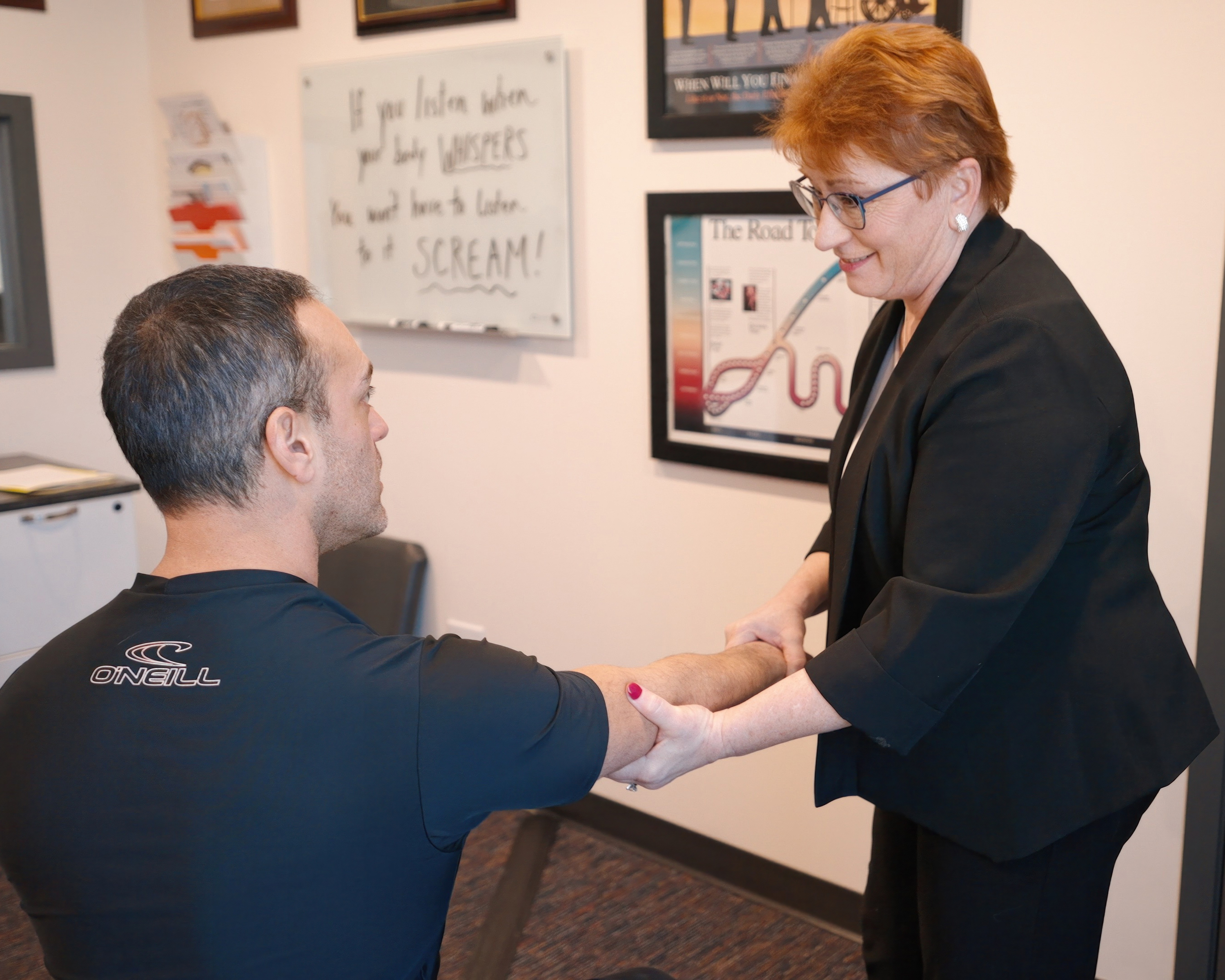
Because the median nerve travels from the cervical spine all the way down to the hand, Dr. Trish Wolff evaluates the entire pathway. This includes the cervical vertebrae, shoulder, elbow, and wrist. If there are areas of restriction or misalignment contributing to nerve irritation, gentle chiropractic adjustments can help restore normal movement and reduce pressure on the nerve.
Research suggests that conservative, manual care approaches may be helpful in reducing symptoms associated with carpal tunnel syndrome, particularly in mild to moderate cases. The goal of care at Natural Ways Chiropractic is to improve joint function, reduce inflammation, and help patients return to their normal activities more comfortably.
In addition to spinal and wrist adjustments, Dr. Trish Wolff may incorporate soft tissue techniques, recommendations for wrist positioning, and lifestyle guidance tailored to each patient’s specific situation. Chiropractic care is always individualized — there’s no one-size-fits-all approach here.
Practical Tips for Managing Carpal Tunnel
While professional care is important, there are also meaningful steps you can take at home to support your recovery and prevent symptoms from worsening. Ergonomics play a huge role in managing carpal tunnel syndrome, and small adjustments can make a real difference over time.
Start by evaluating your workspace. Your wrists should remain in a neutral position while typing — not bent upward or downward. Your keyboard and mouse should be at a height where your forearms are roughly parallel to the floor. If you work on a laptop for extended periods, consider an external keyboard and mouse to give yourself more control over your wrist positioning.
Take regular breaks from repetitive hand activities. Even a one-to-two-minute break every 30 to 45 minutes can give inflamed tissues a chance to recover. Gentle wrist stretches during those breaks — slowly extending and flexing the wrist through its full range of motion — can help maintain circulation and reduce stiffness.
Pay attention to how you sleep. Wearing a neutral wrist splint at night can prevent the wrist from curling into a compressed position while you sleep. Many patients find this one change significantly reduces their nighttime symptoms. These splints are widely available and inexpensive, and Dr. Trish Wolff can advise you on how to use one properly.
When To See a Chiropractor
You don’t need to be in severe pain to benefit from a chiropractic evaluation. If you’ve been noticing persistent tingling, numbness, or discomfort in your hand or wrist for more than a few days — especially if it’s affecting your sleep or daily tasks — it’s a good time to get checked out. Early intervention typically leads to better outcomes and may prevent the need for more aggressive treatment down the line.
Mild to moderate carpal tunnel syndrome is often very responsive to conservative care. However, there are some red flags that warrant prompt medical attention. If you’re experiencing significant weakness in your hand, muscle wasting at the base of the thumb, or you’ve completely lost sensation in your fingers, these are signs that nerve compression may be severe and require additional medical evaluation. A good chiropractor will always refer out when necessary and work collaboratively with other providers for your benefit.
Ergonomic Setups: What Helps vs. What Hurts
| Ergonomic Factor | What Helps | What Hurts |
|---|---|---|
| Wrist Position While Typing | Neutral, straight wrist alignment | Bent downward or upward (flexion/extension) |
| Keyboard Height | Forearms parallel to the floor | Keyboard too high or too low |
| Mouse Use | Ergonomic mouse with wrist support | Standard mouse with wrist hanging off the desk |
| Sleep Position | Wrist splint in neutral position | Curled wrists tucked under pillow or body |
| Break Frequency | Short breaks every 30-45 minutes | Hours of continuous repetitive motion |
| Grip Pressure | Light, relaxed grip on tools or devices | Tight, forceful gripping for extended periods |
Myths vs. Facts About Carpal Tunnel Syndrome
Myth: Only People Who Type All Day Get Carpal Tunnel Syndrome
Fact: While repetitive keyboard use is a known contributing factor, carpal tunnel syndrome affects people across many professions and lifestyles — including construction workers, musicians, cashiers, and even athletes. Underlying health conditions, anatomy, and sleep habits all play significant roles as well.
Myth: Surgery Is the Only Way to Fix Carpal Tunnel Syndrome
Fact: Surgery is typically considered a last resort after conservative treatments have been explored. Evidence indicates that many people with mild to moderate carpal tunnel syndrome can experience meaningful improvement through chiropractic care, physical therapy, wrist splinting, and ergonomic adjustments. Surgery may be necessary in severe or long-standing cases, but it’s not the first or only option.
Myth: Carpal Tunnel Syndrome Will Go Away on Its Own If You Ignore It
Fact: In some mild cases — such as pregnancy-related carpal tunnel — symptoms may resolve once the underlying cause is addressed. However, in most situations, ignoring carpal tunnel syndrome allows the nerve compression to persist and potentially worsen. Early care leads to better long-term outcomes.
Myth: Carpal Tunnel Syndrome Is Just a Wrist Problem
Fact: The median nerve originates from the cervical spine, and dysfunction anywhere along its path can contribute to symptoms. A thorough evaluation — like the one Dr. Trish Wolff provides at Natural Ways Chiropractic — looks at the whole nerve pathway, not just the wrist, to identify all contributing factors.
Myth: If You Have Hand Numbness, It Must Be Carpal Tunnel Syndrome
Fact: Hand numbness and tingling can have several causes, including cervical disc issues, thoracic outlet syndrome, cubital tunnel syndrome (ulnar nerve), and circulation problems. Accurate diagnosis is essential before starting any treatment plan, which is why a proper evaluation is so important.
Final Thoughts From Natural Ways Chiropractic
Living with carpal tunnel syndrome doesn’t have to be your new normal. Whether your symptoms are just beginning or you’ve been dealing with them for a while, there are real, effective, non-invasive options to explore before considering more aggressive interventions. Understanding what’s causing your symptoms is the foundation of getting better, and that’s exactly what the team at Natural Ways Chiropractic is here to help with.
Here in Roseville, MN, Dr. Trish Wolff has helped many patients work through the discomfort and limitations that come with carpal tunnel syndrome. With a thorough, whole-body approach to care, her goal is to find the root cause of your symptoms and support your body’s natural ability to heal. You deserve to feel comfortable in your own hands again — and taking that first step toward an evaluation could make all the difference.
If you’re in the Roseville area and you’ve been noticing hand pain, wrist tingling, or nighttime numbness, don’t wait for things to get worse. Reach out to Natural Ways Chiropractic and let the team help you understand what’s going on and what can be done about it.
Frequently Asked Questions About Carpal Tunnel Syndrome
Can a chiropractor actually treat carpal tunnel syndrome?
Yes, chiropractic care can be a helpful part of a conservative treatment plan for carpal tunnel syndrome. Chiropractors evaluate the entire nerve pathway — from the cervical spine to the wrist — and use adjustments and other manual techniques to reduce nerve irritation and restore proper function. Research suggests that conservative care is effective for many mild to moderate cases.
How long does it take to see improvement with chiropractic care?
This varies depending on the severity of the condition, how long symptoms have been present, and individual health factors. Some patients notice improvement within a few weeks of beginning care, while others with more chronic cases may take longer. Dr. Trish Wolff will discuss realistic expectations during your evaluation at Natural Ways Chiropractic.
Is carpal tunnel syndrome more common in women?
Yes, carpal tunnel syndrome is statistically more common in women than men. This may be partly due to women generally having a smaller carpal tunnel, as well as hormonal factors related to pregnancy and menopause that can increase fluid retention and inflammation in the wrist.
What’s the difference between carpal tunnel syndrome and tendinitis?
Carpal tunnel syndrome involves compression of the median nerve, whereas tendinitis involves inflammation of tendons. Both can cause wrist and hand discomfort, but the symptoms and affected structures differ. Proper evaluation is needed to distinguish between the two, as treatment approaches vary.
Does wearing a wrist brace actually help?
Wrist braces or splints can be helpful, especially at night, by keeping the wrist in a neutral position and reducing nerve compression. They’re generally considered a useful conservative measure, but they work best as part of a broader care plan that addresses underlying causes rather than as a standalone solution.
Can carpal tunnel syndrome come back after treatment?
Yes, it can recur if the underlying contributing factors — such as poor ergonomics, repetitive motions, or posture habits — are not addressed. That’s why Dr. Trish Wolff at Natural Ways Chiropractic emphasizes education and lifestyle guidance alongside hands-on care, helping patients make changes that support long-term results.
TL;DR — Key Takeaways
- Carpal tunnel syndrome is caused by compression of the median nerve at the wrist, with contributing factors that include repetitive motion, poor ergonomics, underlying health conditions, and cervical spine dysfunction.
- Symptoms include hand numbness, tingling, burning, and weakness — often worse at night — and should be evaluated early for best outcomes.
- Chiropractic care, like the care provided by Dr. Trish Wolff at Natural Ways Chiropractic in Roseville, MN, takes a whole-body approach that evaluates the entire nerve pathway, not just the wrist.
- Simple ergonomic changes — neutral wrist position, regular breaks, and nighttime splinting — can meaningfully reduce symptoms and support recovery.
- Surgery is not the only option. Many mild to moderate cases respond well to conservative, non-invasive treatment when addressed in a timely manner.