

Neck pain is one of the most common complaints we see here at Natural Ways Chiropractic in Roseville, MN. It can range from a dull, nagging ache that lingers for days to a sharp, stabbing sensation that stops you in your tracks. Whether yours crept up gradually or appeared suddenly after sleeping in an awkward position, one thing is clear — neck pain deserves attention, not just a couple of over-the-counter pain relievers and a hope that it goes away. Understanding why your neck hurts and what type of neck pain you are experiencing is the first step toward feeling better and keeping it from coming back.
What is neck pain, exactly? Neck pain refers to any discomfort, stiffness, or soreness that originates in the cervical spine — the uppermost portion of your spine, consisting of seven vertebrae that support your head and allow for a wide range of motion. It is one of the most prevalent musculoskeletal complaints worldwide, affecting people of all ages and activity levels.
The Main Types of Neck Pain
Not all neck pain is created equal. The cervical spine is a complex structure made up of bones, discs, joints, muscles, ligaments, and nerves. When any one of those components is irritated, compressed, or inflamed, it can create a very specific and unique pain experience. Recognizing which type of neck pain you have is important because it guides the most appropriate approach to care.
Muscle-Related Neck Pain (Cervical Muscle Strain)
This is probably the most common type of neck pain people experience. Muscle strains in the neck happen when the soft tissue — the muscles and tendons — becomes overstretched or irritated. It often feels like tightness, achiness, or a “knot” sensation, particularly at the base of the skull, across the upper shoulders, or along the sides of the neck. Many patients who visit Natural Ways Chiropractic in Roseville describe this as the classic “I slept wrong” kind of neck pain.
Joint-Related Neck Pain (Cervical Facet Syndrome)
Each vertebra in your cervical spine is connected to the ones above and below it through small joints called facet joints. When these joints become irritated, inflamed, or worn down over time, they can cause localized neck pain that is often made worse by turning your head or bending your neck backward. This type of pain tends to be more pinpoint and may radiate into the shoulder or upper back.
Disc-Related Neck Pain (Cervical Disc Involvement)
The discs between your cervical vertebrae act as cushions and shock absorbers. When a disc becomes compressed, bulges, or herniates, it can create a deep, aching pain in the neck that may radiate down the arm. This is sometimes accompanied by numbness, tingling, or weakness in the hand or fingers — a pattern often referred to as cervical radiculopathy. It can feel alarming, but it is something Dr. Trish Wolff evaluates regularly and addresses with a thoughtful, conservative approach.
Nerve-Related Neck Pain (Cervical Radiculopathy)
As mentioned above, when a spinal nerve root in the neck becomes compressed or irritated — whether from a disc issue, bone spur, or joint inflammation — the resulting pain can travel down the arm, sometimes all the way to the fingers. Patients often describe this as a burning, electric, or shooting sensation. It is distinct from pure muscle pain and requires careful evaluation.
Posture-Related Neck Pain (Tech Neck)
This type has become increasingly prevalent in recent years. Here in Roseville and across the country, people are spending more time looking down at phones, slouching over laptops, and sitting at poorly arranged workstations. This forward-head posture places significant stress on the cervical spine and the surrounding muscles. For every inch your head tilts forward, the effective weight on your spine increases substantially — and over hours and days, that adds up to real pain and dysfunction.
Common Causes of Neck Pain
Understanding the root causes of neck pain helps you make better daily choices and empowers you to take an active role in your recovery. While the specific cause varies from person to person, some contributing factors show up again and again in our Roseville patients.
Poor posture is perhaps the single most widespread cause of chronic neck pain today. Prolonged sitting, especially with the head jutted forward or the shoulders rounded, places enormous strain on the cervical muscles and joints over time. When these structures are under constant stress without adequate rest or movement, pain and stiffness are the natural result.
Repetitive motion or overuse is another common culprit. People whose work or hobbies involve looking in one direction for extended periods — think painters, drivers, or office workers — place asymmetrical demands on their cervical spine. Over time, this can lead to muscle imbalances, joint irritation, and reduced range of motion.
Acute injury is also a significant cause. Whiplash from a car accident, a sports collision, or even an unexpected fall can strain the muscles and ligaments of the neck rapidly. These injuries can be deceptive — symptoms sometimes take a day or two to fully develop, which is why early evaluation after any trauma to the neck is so important.
Degenerative changes, such as osteoarthritis or cervical disc degeneration, become more common with age. As the discs lose hydration and the joints experience wear, the cushioning between vertebrae diminishes. This can lead to increased bone-on-bone friction, osteophyte (bone spur) formation, and narrowing of the spaces through which nerve roots pass.
Stress and emotional tension are often overlooked but genuinely relevant. When people are under significant emotional stress, they tend to unconsciously tighten the muscles of the neck and shoulders — sometimes for hours at a time. This chronic muscular tension can become a cycle that is surprisingly hard to break without some intentional intervention.
Signs & Symptoms to Watch For
Neck pain rarely exists in complete isolation. It often comes packaged with a constellation of related symptoms that can offer important clues about what is happening in the cervical spine. Paying attention to these details — and sharing them with Dr. Trish Wolff during your visit — helps build a clearer picture of your condition.
Stiffness and reduced range of motion are among the most common accompanying symptoms. If you find it painful or difficult to turn your head from side to side, look up toward the ceiling, or bring your chin toward your chest, the joints or muscles of your cervical spine are likely involved. Morning stiffness that loosens with gentle movement often points to joint involvement.
Headaches are frequently associated with neck pain, particularly tension-type headaches and a category known as cervicogenic headaches — headaches that originate from structures in the neck. These often present as a dull ache that starts at the base of the skull and radiates forward over the top of the head or behind the eyes.
Radiating arm symptoms — numbness, tingling, weakness, or a burning sensation extending into the shoulder, arm, or hand — are a signal that a nerve may be involved. This warrants prompt evaluation to determine whether conservative chiropractic care is appropriate or whether further imaging or referral is needed.
Shoulder blade pain and upper back tension frequently travel alongside neck pain because the muscles in these regions are interconnected. When the cervical spine is under stress, the surrounding musculature often compensates, leading to a broader zone of discomfort.
How Chiropractic Care Fits In
Chiropractic care is a non-invasive, drug-free approach to musculoskeletal health that focuses on restoring proper alignment, mobility, and function to the spine and surrounding tissues. For neck pain specifically, evidence from organizations such as the American College of Physicians and the National Center for Complementary and Integrative Health suggests that spinal manipulation and manual therapies can be effective options for certain types of cervical pain — particularly as part of a conservative, first-line approach.
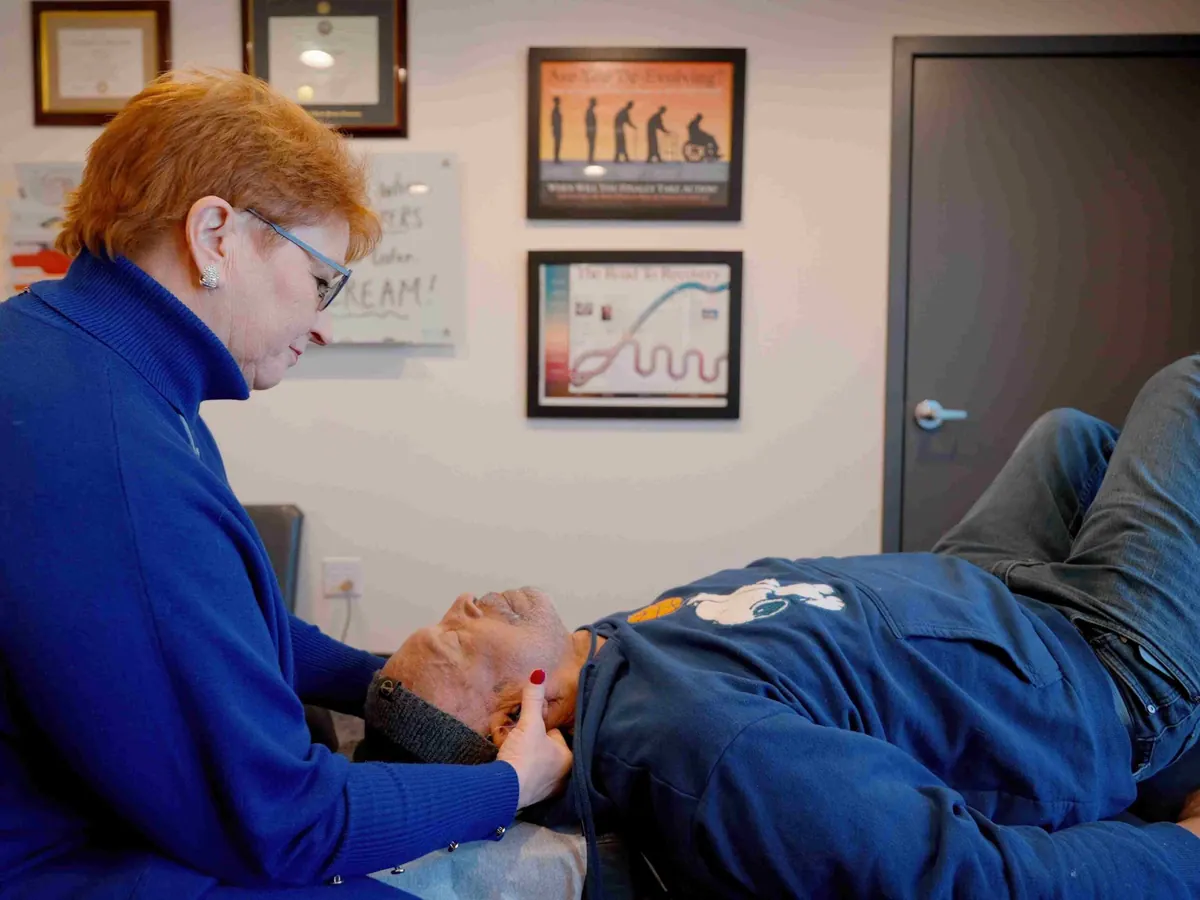
At Natural Ways Chiropractic in Roseville, MN, Dr. Trish Wolff begins with a thorough evaluation that includes a detailed health history, postural assessment, orthopedic and neurological testing, and when appropriate, a discussion of any prior imaging you may have. This careful process ensures that care is individualized — not one-size-fits-all.
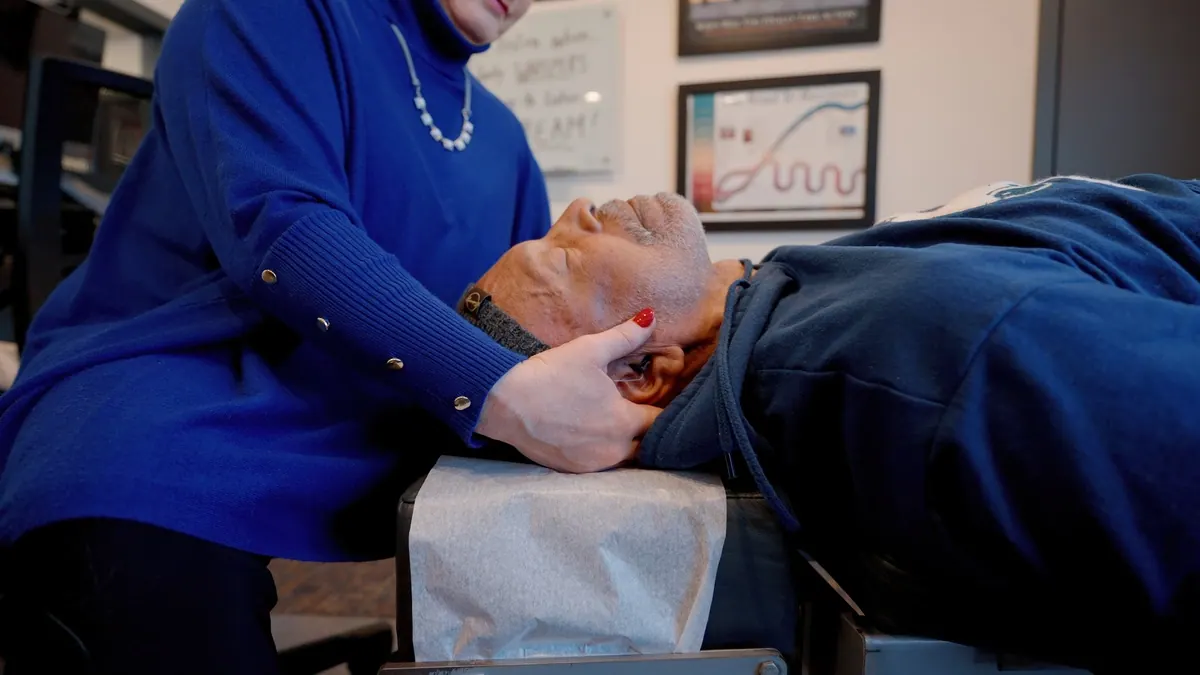
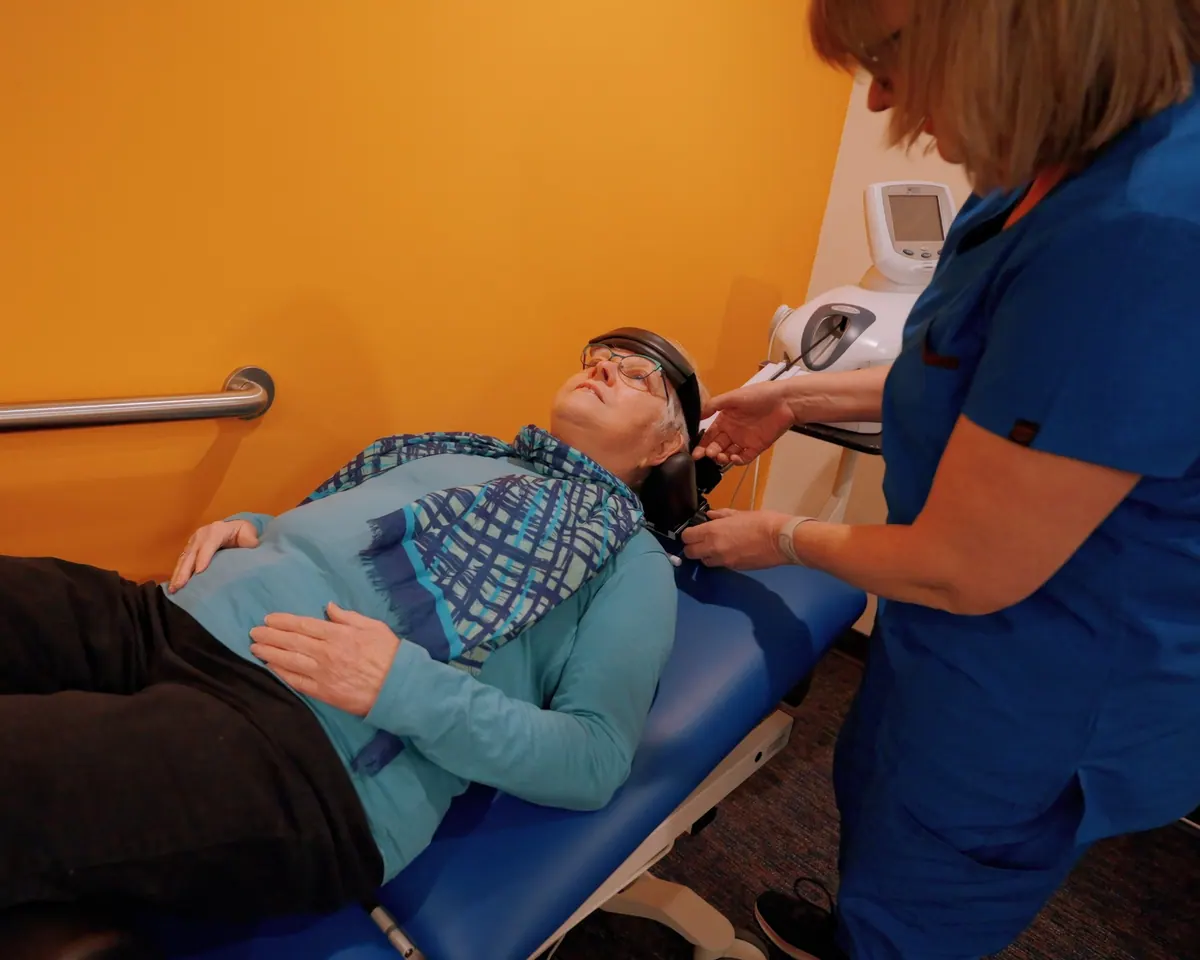
Depending on the findings, care may include cervical spinal adjustments to restore joint mobility, soft tissue work to address muscle tension and trigger points, and corrective exercises or stretching guidance to support lasting improvement. The goal is always to help the body move and function better naturally — without relying on medication or surgical intervention whenever possible.
It is worth noting that chiropractic care is not appropriate for every single presentation of neck pain. If imaging or clinical findings indicate a serious structural issue, Dr. Trish Wolff will make the appropriate referral. Patient safety and wellbeing always guide decision-making at Natural Ways Chiropractic.
Practical Tips for Managing Neck Pain
While professional care is often the most efficient path toward relief, there are meaningful steps you can take on your own to support your neck health day to day. These suggestions are general in nature — always consult with Dr. Trish Wolff or another qualified provider before making significant changes if you have an existing condition.
Workstation ergonomics matter enormously. If you work at a desk, position your monitor so the top of the screen is at or just below eye level. Keep your keyboard at a height that allows your elbows to remain at approximately 90 degrees. Avoid cradling a phone between your ear and shoulder — this is one of the fastest ways to create muscular imbalance in the cervical region.
Sleep position also plays a role. Sleeping on your stomach forces your head into a rotated position for hours, which can significantly strain cervical muscles and joints. Side sleeping with a supportive pillow that keeps your neck in a neutral alignment is generally a more spine-friendly choice for most people.
Take movement breaks. If you are sitting for extended periods — whether working, driving, or watching a screen — set a reminder to stand up, roll your shoulders back, and gently move your neck through its natural range of motion every 30 to 45 minutes. Sustained static postures are a primary driver of the kind of neck stiffness that builds gradually and becomes very hard to shake.
Manage stress intentionally. Because emotional tension often manifests physically in the neck and shoulders, practices like deep breathing, gentle yoga, or even a short daily walk can make a real difference in reducing that unconscious muscular guarding pattern.
When to See a Chiropractor
Many people wait longer than necessary before seeking care for neck pain, hoping it will resolve on its own. While some mild strains do improve with rest and time, there are clear indicators that professional evaluation is warranted — and sooner is generally better than later when it comes to musculoskeletal issues.
If your neck pain has persisted for more than a week or two without improvement, it is a good idea to get it evaluated. Likewise, if the pain followed a specific incident — a car accident, a fall, or a sports injury — do not wait for symptoms to worsen before seeking care. Early intervention often leads to more straightforward recovery.
If you are experiencing any of the following, seek evaluation promptly: pain that radiates down your arm or into your hand, numbness or tingling in your fingers, significant weakness in your arm or hand, or severe headaches associated with neck pain.
There are also situations where neck pain requires urgent medical attention rather than chiropractic care. These red flags include neck pain following a significant trauma with possible fracture risk, pain accompanied by fever and stiffness that may indicate infection or meningitis, sudden severe headache described as the worst of your life, or any loss of coordination or bowel and bladder function. In these cases, please seek emergency medical care immediately.
Neck Pain Types at a Glance
Type of Neck Pain | Common Cause | Typical Symptoms | Common Triggers |
|---|---|---|---|
Muscle Strain | Overuse, poor posture, sleeping position | Aching, stiffness, muscle knots | Sustained posture, stress, overexertion |
Facet Joint Syndrome | Joint irritation, degeneration, injury | Pinpoint pain, worse with extension or rotation | Head movement, prolonged static position |
Disc-Related Pain | Disc bulge or herniation | Deep aching, possible arm radiation | Bending, lifting, prolonged sitting |
Cervical Radiculopathy | Nerve root compression | Burning, tingling, or weakness into the arm | Certain head positions, sustained pressure |
Tech Neck / Postural Pain | Forward-head posture, screen use | Generalized aching, fatigue, headaches | Prolonged device use, poor workstation setup |
Myths vs. Facts About Neck Pain
Myth: Neck pain always means something is seriously wrong with your spine.
Fact: The majority of neck pain episodes are mechanical in nature — meaning they stem from muscles, joints, or posture rather than serious pathology. While every case deserves proper evaluation, most neck pain responds well to conservative care and does not indicate a dangerous underlying condition.
Myth: If you have neck pain, you should rest and avoid all movement.
Fact: Extended rest and avoiding movement can actually slow recovery for most types of neck pain. Gentle, appropriate movement helps reduce stiffness, improve circulation, and support tissue healing. Staying active within a comfortable range is generally encouraged, though the specific approach should be guided by a qualified provider like Dr. Trish Wolff.
Myth: Cracking your own neck is just as effective as a chiropractic adjustment.
Fact: Self-manipulation — particularly of the neck — does not replicate a chiropractic adjustment. A cervical adjustment is a precise, controlled technique applied to a specific joint. Habitual self-cracking may provide momentary relief but can contribute to joint hypermobility and surrounding muscle tension over time if done excessively.
Myth: Neck pain is just a normal part of getting older and there is nothing you can do about it.
Fact: While degenerative changes in the cervical spine do become more common with age, experiencing significant pain and dysfunction is not inevitable. Many people maintain excellent cervical spine health well into older age through regular movement, good ergonomics, and appropriate conservative care when needed.
Myth: Chiropractic adjustments for the neck are dangerous.
Fact: Chiropractic cervical care, when performed by a trained and licensed chiropractor following a thorough evaluation, is considered a generally safe intervention for appropriate candidates. A qualified chiropractor will identify any contraindications before providing care and will always prioritize your safety.
Final Thoughts
Neck pain is something that touches the lives of an enormous number of people in our Roseville community and beyond. The good news is that understanding the different types of neck pain — and the factors that contribute to them — puts you in a much stronger position to address it effectively. You do not have to simply accept discomfort as part of your daily life.
At Natural Ways Chiropractic in Roseville, MN, Dr. Trish Wolff is passionate about helping patients get to the root of their neck pain rather than just masking the symptoms. Whether your pain stems from years of desk work, a recent injury, or gradual wear on the spine, there is a thoughtful, personalized approach waiting for you. We are here to listen, evaluate carefully, and partner with you in building a healthier, more comfortable life — right here in your local community.
If your neck has been bothering you — or if you simply want to understand your spinal health better — we encourage you to reach out to our team at Natural Ways Chiropractic. Taking that first step toward care is often the most important one you can take.
Frequently Asked Questions
Can neck pain cause headaches?
Yes — cervicogenic headaches, which originate from structures in the neck, are a well-recognized type of headache. Tension in the cervical muscles and joints can refer pain upward through the skull, often presenting as a dull ache starting at the base of the head. Addressing the underlying neck dysfunction can often help reduce the frequency and intensity of these headaches.
How long does it typically take for neck pain to resolve with chiropractic care?
The timeline varies depending on the type of neck pain, how long it has been present, and the individual’s overall health. Acute cases that are addressed early often respond more quickly than chronic conditions that have developed over months or years. Dr. Trish Wolff will discuss realistic expectations based on your specific evaluation findings.
Is it safe to see a chiropractor for neck pain after a car accident?
Chiropractic care is commonly sought after motor vehicle accidents, particularly for whiplash-related cervical injuries. Following an accident, a thorough evaluation is important to rule out fractures or other serious injuries before any hands-on care begins. Once cleared, conservative chiropractic care is often a beneficial part of the recovery process.
What is tech neck and how do I know if I have it?
Tech neck refers to neck pain and postural changes caused by prolonged forward-head posture — typically from looking down at phones, tablets, or laptops. Common signs include aching in the front and back of the neck, upper back tension, and headaches that worsen later in the day. An evaluation at Natural Ways Chiropractic in Roseville can help confirm whether posture is a primary contributing factor for you.
Should I use heat or ice for neck pain?
Generally, ice is preferred for acute injuries or recent flare-ups to help manage inflammation, while heat tends to be more soothing for chronic muscle tightness and stiffness. However, the right choice depends on the specific nature of your neck pain. It is always a good idea to check with your chiropractor before applying either to ensure it is appropriate for your condition.
Can stress cause neck pain?
Absolutely. Emotional and psychological stress frequently manifests as physical tension in the neck and shoulder muscles. Many people unconsciously elevate and tighten their shoulders and upper traps when under stress, which over time contributes to muscle fatigue, pain, and restricted range of motion. Addressing both the physical and lifestyle components of neck pain leads to better outcomes.
TL;DR
Neck pain comes in several distinct types — including muscle strain, facet joint irritation, disc-related pain, nerve compression, and posture-driven pain — each with its own common causes and characteristics.
Poor posture, repetitive motion, acute injury, age-related degeneration, and chronic stress are among the most frequent contributors to neck pain in everyday life.
Chiropractic care offers a non-invasive, drug-free approach that focuses on restoring proper alignment and movement to the cervical spine and surrounding tissues.
Practical steps like improving workstation ergonomics, adjusting sleep position, taking movement breaks, and managing stress can meaningfully support neck health between visits.
Certain symptoms — including arm numbness, radiating weakness, or neck pain following trauma — warrant prompt evaluation, and red-flag symptoms require immediate medical attention.