If you’ve ever felt a headache coming on and wondered what caused it this time, you’re not alone. Headaches and migraines affect millions of people, and identifying their triggers can feel like detective work. From stress and sleep disruption to posture and dietary factors, the list of potential culprits is long—and often frustrating. But understanding what sets off your headaches is the first step toward finding lasting relief. Here in Roseville, MN, many patients at Natural Ways Chiropractic have discovered that addressing the underlying causes of their headaches, rather than just masking symptoms, can make a significant difference in how they feel day to day.
While headache and migraine triggers vary from person to person, certain patterns emerge again and again. Some triggers are dietary, others environmental, and many are related to the musculoskeletal system—especially the neck and upper back. This is where chiropractic care comes in. By focusing on spinal alignment, nervous system function, and overall wellness, chiropractic treatment offers a non-invasive, drug-free approach to addressing the root causes of chronic headaches and migraines.
What Are Headache and Migraine Triggers?
Headache and migraine triggers are specific factors—internal or external—that can provoke or worsen head pain. These triggers don’t necessarily cause headaches on their own, but they lower your threshold for pain or initiate a cascade of physiological changes that result in a headache or migraine episode. Common triggers include poor posture, neck tension, stress, dehydration, certain foods, lack of sleep, and environmental factors like bright lights or strong odors.
Table of Contents
- Common Headache and Migraine Triggers
- The Neck and Spine Connection
- How Chiropractic Treatment Addresses Underlying Causes
- What Chiropractic Care Looks Like at Natural Ways Chiropractic
- Practical Tips to Reduce Headache Triggers
- When to See a Chiropractor for Headaches
- Trigger Comparison Table
- Myths vs. Facts About Headaches and Chiropractic Care
- Final Thoughts
Common Headache and Migraine Triggers
Understanding your personal triggers is essential to managing chronic headaches. While everyone’s experience is unique, research and clinical observation have identified several common factors that contribute to headache and migraine episodes.
Musculoskeletal Triggers
Poor posture is one of the most overlooked headache triggers. When you sit hunched over a computer or crane your neck forward to look at your phone, the muscles in your neck and upper back become strained. This tension can restrict blood flow, compress nerves, and create referred pain that radiates into the head. Tension-type headaches, which are the most common kind, are often linked to this type of muscular strain.
Misalignments in the cervical spine—the neck region—can also play a role. When vertebrae are out of proper alignment, they can irritate surrounding nerves and tissues, contributing to headache pain. This is especially true for cervicogenic headaches, which originate from structures in the neck.
Stress and Emotional Triggers
Stress is a well-known trigger for both tension headaches and migraines. When you’re under stress, your body releases hormones like cortisol and adrenaline, which can cause muscle tension, especially in the neck and shoulders. Over time, chronic stress keeps these muscles in a constant state of contraction, setting the stage for frequent headaches.
Emotional factors like anxiety and depression can also lower your pain threshold, making you more susceptible to headache episodes. The mind-body connection is powerful, and addressing stress is often a key component of headache management.
Dietary and Hydration Triggers
Certain foods and beverages are known migraine triggers for some people. Common culprits include aged cheeses, processed meats, alcohol (especially red wine), caffeine, and foods containing MSG or artificial sweeteners. Skipping meals or experiencing blood sugar fluctuations can also trigger headaches.
Dehydration is another frequent trigger. Even mild dehydration can cause headache pain, as it reduces blood volume and affects the delivery of oxygen to the brain.
Environmental and Sensory Triggers
Bright lights, loud noises, strong odors, and changes in weather or barometric pressure can all trigger migraines in sensitive individuals. For some people, exposure to these stimuli causes overstimulation of the nervous system, leading to a migraine episode.
Sleep and Lifestyle Triggers
Inconsistent sleep patterns, whether too much or too little sleep, are common headache triggers. Sleep disruption affects the regulation of neurotransmitters and hormones that influence pain perception. Shift workers and people with irregular schedules often report more frequent headaches.
Lack of physical activity can also contribute. Regular movement helps maintain muscle tone, improve circulation, and reduce stress—all of which are protective against headaches.
The Neck and Spine Connection
The relationship between the cervical spine and headaches is well-established. The upper cervical vertebrae, particularly the atlas (C1) and axis (C2), have a direct influence on the nerves and blood vessels that supply the head and face. When these vertebrae are misaligned or restricted in their movement, they can irritate the occipital nerves, which run from the base of the skull up over the head.
This irritation can cause referred pain that manifests as a headache. Cervicogenic headaches, which originate from the neck, often present as one-sided head pain that starts at the base of the skull and radiates forward. These headaches are frequently mistaken for migraines, but they respond well to treatment that addresses the neck.
Muscle tension in the neck and upper back can also contribute to headache pain. The suboccipital muscles, which connect the skull to the top of the spine, are particularly prone to tension. When these muscles are tight, they can compress nerves and reduce blood flow, triggering headache symptoms.
Evidence suggests that manual therapy, including chiropractic adjustments, can help reduce the frequency and intensity of cervicogenic headaches and tension-type headaches. By restoring proper alignment and improving joint mobility, chiropractic care addresses one of the key underlying causes of these headaches.
How Chiropractic Treatment Addresses Underlying Causes
Chiropractic care offers a conservative, non-invasive approach to headache management. Rather than simply masking symptoms with medication, chiropractic treatment focuses on identifying and correcting the structural and functional issues that contribute to headache pain.
Spinal Adjustments and Alignment
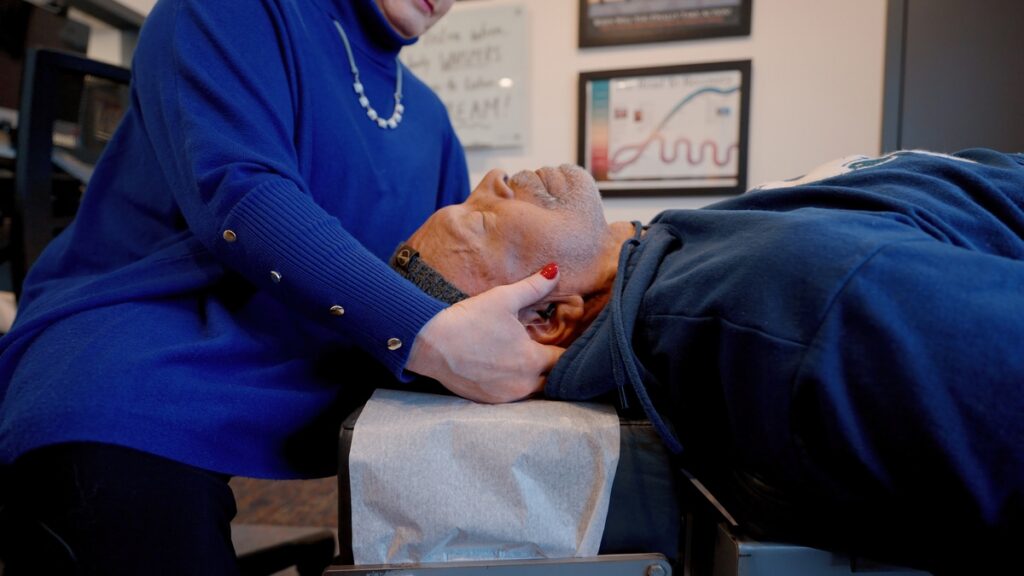
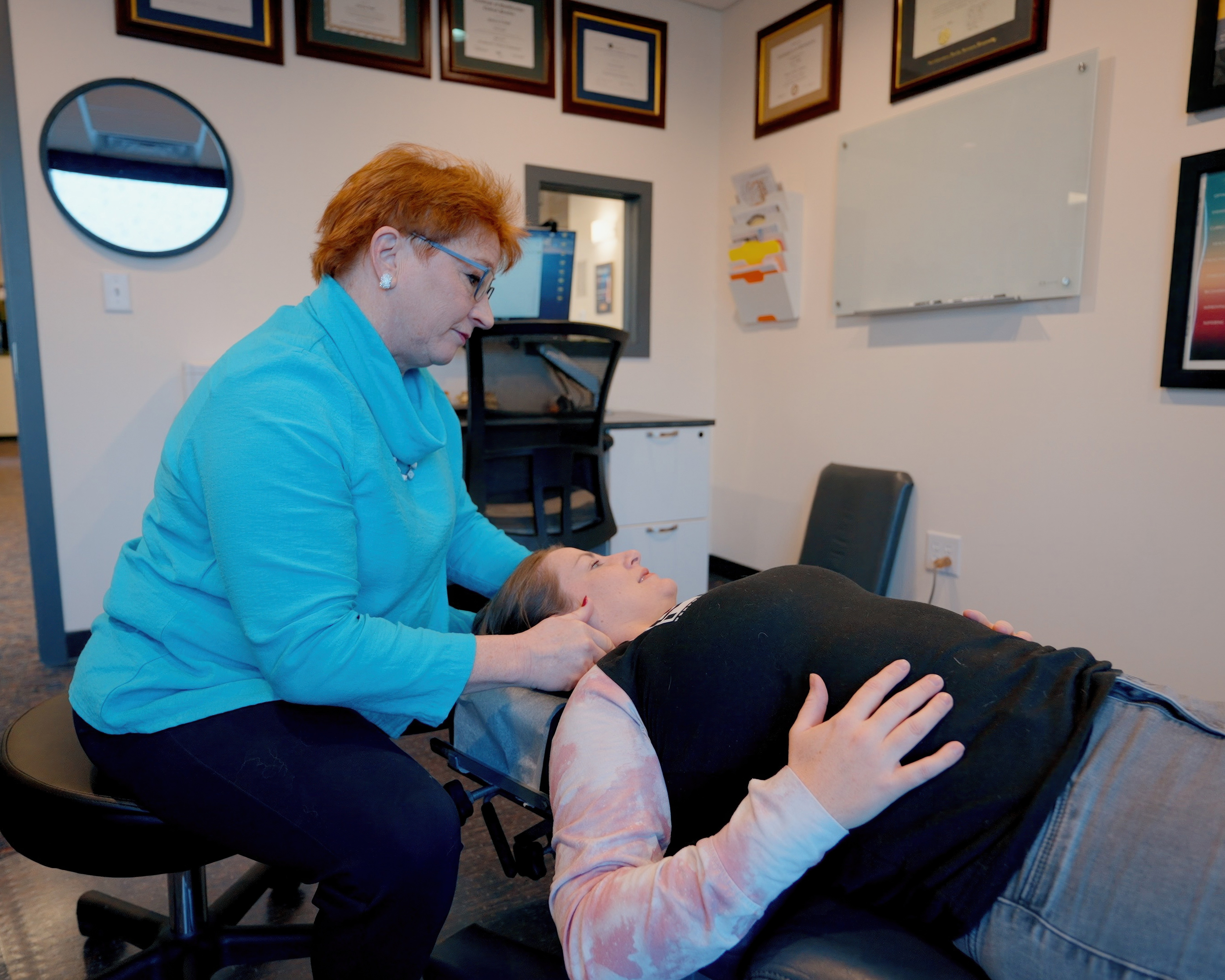
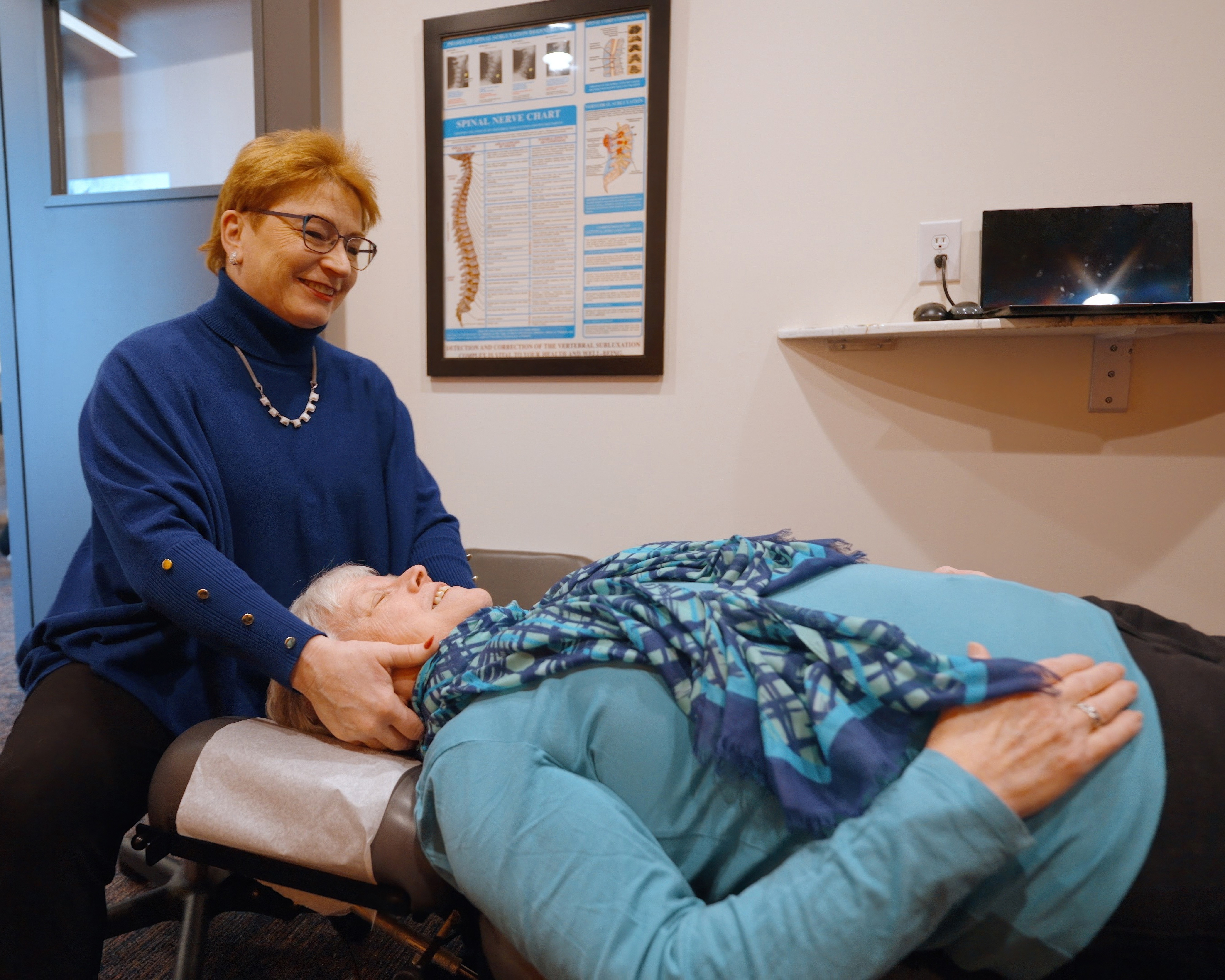
The cornerstone of chiropractic care is the spinal adjustment, also known as spinal manipulation. During an adjustment, the chiropractor uses controlled, precise force to restore proper movement and alignment to the vertebrae. For headache sufferers, adjustments to the cervical spine can relieve nerve irritation, reduce muscle tension, and improve blood flow to the head.
Research indicates that spinal manipulation may be effective for certain types of headaches, particularly tension-type headaches and cervicogenic headaches. A review published in the Cochrane Database of Systematic Reviews found that spinal manipulation may help reduce the frequency and intensity of cervicogenic headaches.
Soft Tissue Therapy
In addition to spinal adjustments, chiropractors often incorporate soft tissue techniques to address muscle tension. Techniques like myofascial release, trigger point therapy, and massage can help relax tight muscles in the neck, shoulders, and upper back. By releasing these trigger points, soft tissue therapy can reduce referred pain and prevent future headache episodes.
Postural Assessment and Correction
Poor posture is a major contributor to tension headaches. Chiropractors assess your posture and identify imbalances or habits that may be contributing to your pain. They can provide specific exercises and ergonomic recommendations to help you maintain better alignment throughout the day.
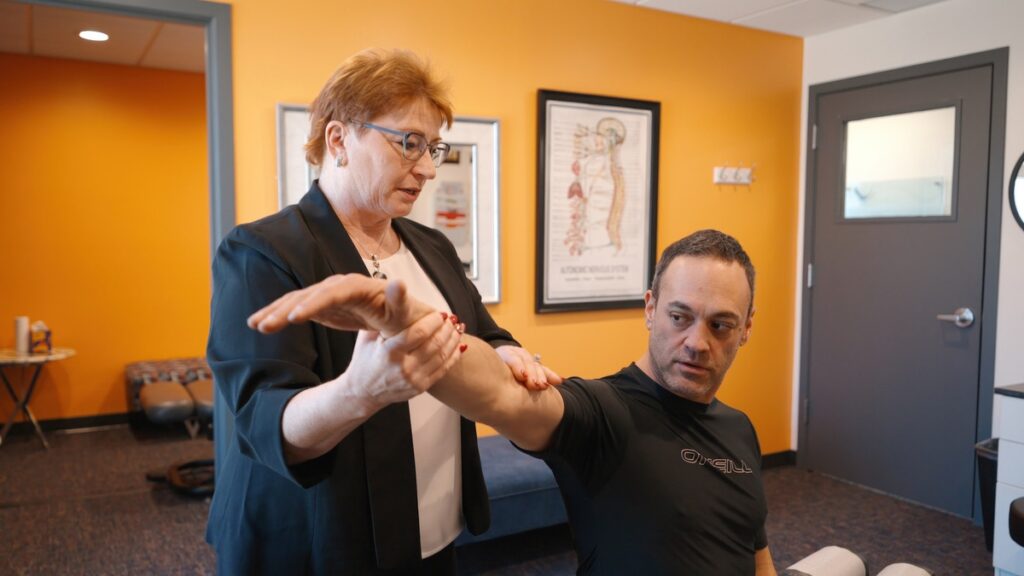
Here in Roseville, Dr. Trish Wolff at Natural Ways Chiropractic works closely with patients to identify postural patterns that may be triggering their headaches. By addressing these patterns, patients often experience long-term relief.
Nervous System Support
Chiropractic care also supports the nervous system. The spine houses and protects the spinal cord, which is the main pathway for communication between the brain and the rest of the body. When spinal alignment is compromised, nervous system function can be affected. By restoring proper alignment, chiropractic care helps optimize nervous system communication, which can reduce the frequency and severity of headaches.
Lifestyle and Wellness Guidance
Chiropractors take a holistic approach to health, which means they look beyond the spine to consider lifestyle factors that may be contributing to your headaches. This can include guidance on nutrition, hydration, stress management, sleep hygiene, and exercise. By addressing these factors, you can reduce your overall trigger load and experience fewer headache episodes.
What Chiropractic Care Looks Like at Natural Ways Chiropractic
If you’re considering chiropractic care for your headaches, it’s helpful to know what to expect. At Natural Ways Chiropractic in Roseville, MN, the process begins with a thorough consultation and examination. Dr. Trish Wolff will ask about your headache history, including the frequency, duration, and intensity of your symptoms. She’ll also ask about your lifestyle, posture, stress levels, and any other factors that may be contributing to your pain.
The examination typically includes an assessment of your spinal alignment, range of motion, and posture. Dr. Wolff may also perform neurological and orthopedic tests to rule out other causes of your symptoms. Based on these findings, she’ll develop a personalized care plan tailored to your specific needs.
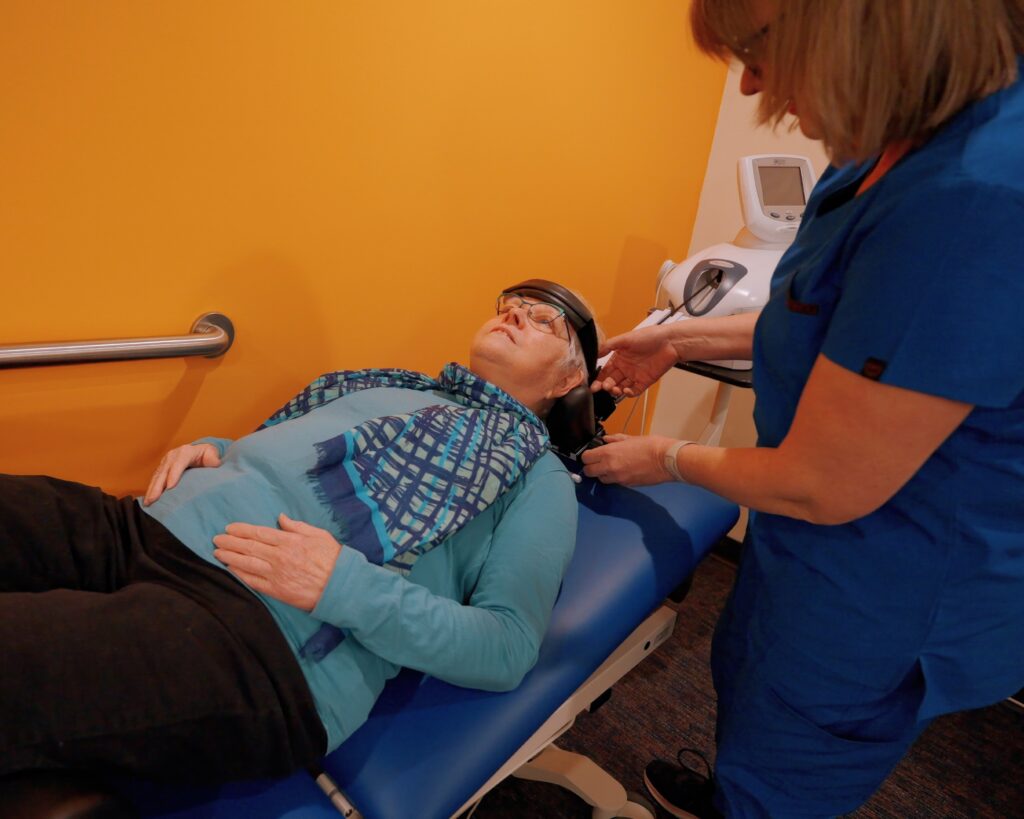
Treatment may include spinal adjustments, soft tissue therapy, postural exercises, and lifestyle recommendations. The frequency and duration of care will depend on the severity of your condition and how your body responds to treatment. Many patients notice improvement within a few weeks, though some chronic cases may require ongoing maintenance care.
Chiropractic care is not a one-size-fits-all approach. At Natural Ways Chiropractic, the focus is on individualized care that addresses your unique triggers and underlying causes. The goal is to help you achieve lasting relief and improve your overall quality of life.
Practical Tips to Reduce Headache Triggers
In addition to professional chiropractic care, there are several practical steps you can take to reduce your exposure to headache triggers.
Improve Your Posture
Pay attention to how you sit, stand, and move throughout the day. Keep your shoulders back, your head aligned over your spine, and avoid slouching. If you work at a desk, adjust your monitor so it’s at eye level and your keyboard and mouse are within easy reach. Take frequent breaks to stand, stretch, and move around.
Stay Hydrated
Drink plenty of water throughout the day, especially if you’re active or live in a dry climate. Aim for at least eight glasses of water daily, and more if you exercise or spend time in the heat. If you’re prone to headaches, consider tracking your water intake to see if dehydration is a trigger for you.
Manage Stress
Find healthy ways to manage stress, such as deep breathing exercises, meditation, yoga, or regular physical activity. Even a short walk can help clear your mind and reduce tension. Prioritize activities that bring you joy and help you relax.
Get Consistent Sleep
Establish a regular sleep schedule and stick to it, even on weekends. Aim for seven to nine hours of quality sleep each night. Create a calming bedtime routine, keep your bedroom cool and dark, and avoid screens for at least an hour before bed.
Identify Dietary Triggers
Keep a headache diary to track what you eat and drink before a headache occurs. Look for patterns and consider eliminating potential trigger foods for a few weeks to see if your symptoms improve. Work with a healthcare professional if you need guidance on dietary changes.
Move Regularly
Incorporate regular physical activity into your routine. Exercise helps reduce stress, improve circulation, and maintain healthy muscle tone. Even gentle activities like walking, swimming, or stretching can make a difference.
Limit Screen Time
Prolonged screen time can strain your eyes and neck, contributing to headaches. Follow the 20-20-20 rule: every 20 minutes, look at something 20 feet away for at least 20 seconds. Adjust your screen brightness and consider using blue light filters.
When to See a Chiropractor for Headaches
Not all headaches require professional intervention, but there are certain signs that indicate it’s time to seek care. If you experience frequent headaches—more than once or twice a week—it’s worth seeing a chiropractor or other healthcare provider. Chronic headaches can interfere with your work, relationships, and overall quality of life, and they often signal an underlying issue that needs attention.
If your headaches are accompanied by neck pain, stiffness, or limited range of motion, this suggests a musculoskeletal component that chiropractic care can address. Cervicogenic headaches and tension-type headaches, in particular, often respond well to chiropractic treatment.
You should also seek care if your headaches are increasing in frequency or intensity, if they don’t respond to over-the-counter pain relievers, or if they’re starting to interfere with your daily activities. These patterns suggest that your headaches are more than just an occasional nuisance and may benefit from professional evaluation.
However, there are certain red flags that warrant immediate medical attention. Seek emergency care if you experience a sudden, severe headache unlike any you’ve had before, a headache accompanied by confusion, vision changes, difficulty speaking, or loss of consciousness, a headache following a head injury, or a headache with fever, stiff neck, and sensitivity to light. These symptoms could indicate a serious condition that requires urgent evaluation.
For most chronic headache sufferers, chiropractic care offers a safe, effective option for addressing underlying causes and reducing the frequency and severity of headaches. At Natural Ways Chiropractic in Roseville, MN, Dr. Trish Wolff is experienced in evaluating and treating headache patients, and she can help you determine whether chiropractic care is right for you.
Trigger Comparison Table
| Trigger Category | Common Examples | How It Contributes to Headaches |
|---|---|---|
| Musculoskeletal | Poor posture, neck misalignment, muscle tension | Strains muscles, compresses nerves, restricts blood flow |
| Stress/Emotional | Chronic stress, anxiety, lack of relaxation | Increases muscle tension, raises cortisol, lowers pain threshold |
| Dietary | Aged cheese, alcohol, caffeine, MSG, skipped meals | Alters blood sugar, triggers inflammatory response, affects neurotransmitters |
| Hydration | Dehydration, insufficient water intake | Reduces blood volume, decreases oxygen delivery to brain |
| Environmental | Bright lights, loud noises, strong odors, weather changes | Overstimulates nervous system, triggers migraine pathways |
| Sleep/Lifestyle | Irregular sleep, insufficient rest, lack of exercise | Disrupts neurotransmitter regulation, increases muscle tension, reduces resilience |
Myths vs. Facts About Headaches and Chiropractic Care
Myth: All Headaches Are the Same
Fact: There are many different types of headaches, including tension-type, cervicogenic, migraine, and cluster headaches. Each type has different triggers, characteristics, and treatment approaches. Identifying the type of headache you have is essential to finding effective relief.
Myth: Chiropractic Care Only Treats Back Pain
Fact: While chiropractors are known for treating back pain, chiropractic care is also effective for headaches, neck pain, and other musculoskeletal conditions. Research indicates that spinal manipulation and manual therapy can help reduce the frequency and intensity of certain headache types.
Myth: You Have to Live with Chronic Headaches
Fact: Many people with chronic headaches find significant relief through chiropractic care, lifestyle modifications, and stress management. Identifying and addressing your specific triggers can make a major difference in how often you experience headaches.
Myth: Medication Is the Only Solution for Migraines
Fact: While medication can be helpful for managing migraine symptoms, it doesn’t address underlying causes. Chiropractic care, along with lifestyle changes and trigger management, offers a complementary approach that can reduce the need for medication and help prevent future episodes.
Myth: Headaches Are Always Caused by Stress
Fact: While stress is a common headache trigger, it’s not the only cause. Poor posture, spinal misalignment, dehydration, dietary factors, and sleep disruption can all contribute to headache pain. A comprehensive approach that addresses multiple triggers is often most effective.
Final Thoughts
Headaches and migraines are complex conditions with many potential triggers, but you don’t have to navigate them alone. By understanding your personal triggers and addressing the underlying causes—especially those related to the musculoskeletal system—you can take meaningful steps toward lasting relief. Chiropractic care offers a drug-free, non-invasive approach that focuses on restoring proper alignment, reducing muscle tension, and supporting overall wellness.
Here in Roseville, MN, Natural Ways Chiropractic is committed to helping patients find relief from chronic headaches through individualized care and evidence-based treatment. Dr. Trish Wolff takes the time to listen to your concerns, identify your unique triggers, and develop a care plan that fits your needs and goals. Whether you’re dealing with tension headaches, cervicogenic headaches, or migraines, chiropractic care may offer the relief you’ve been searching for.
If you’re tired of living with frequent headaches and ready to explore a natural approach to healing, consider scheduling a consultation at Natural Ways Chiropractic. Together, we can work toward reducing your headache triggers and helping you feel your best.
Frequently Asked Questions
Can chiropractic care help with migraines?
Research suggests that chiropractic care may help reduce the frequency and intensity of certain types of headaches, including migraines. While results vary, many patients find that spinal adjustments, soft tissue therapy, and lifestyle modifications reduce their migraine episodes. Chiropractic care is most effective when combined with trigger management and stress reduction.
How long does it take to see results from chiropractic treatment for headaches?
The timeline varies depending on the type and severity of your headaches, as well as how long you’ve been experiencing them. Some patients notice improvement within a few visits, while others may require several weeks of care. Dr. Trish Wolff will work with you to monitor your progress and adjust your care plan as needed.
Are there any risks associated with chiropractic adjustments for headaches?
Chiropractic care is generally safe when performed by a licensed, experienced chiropractor. Some patients experience mild soreness or stiffness after an adjustment, but serious side effects are rare. Your chiropractor will review your health history and perform a thorough examination to ensure that chiropractic care is appropriate for you.
What’s the difference between a tension headache and a cervicogenic headache?
Tension headaches are typically caused by muscle tension and stress, and they often feel like a tight band around the head. Cervicogenic headaches originate from structures in the neck and are often one-sided, starting at the base of the skull and radiating forward. Both types can respond well to chiropractic care.
Can poor posture really cause headaches?
Yes, poor posture is a common contributor to tension-type headaches and cervicogenic headaches. When your head is held forward or your shoulders are rounded, the muscles in your neck and upper back become strained, which can lead to referred pain in the head. Improving your posture can significantly reduce headache frequency.
Do I need a referral to see a chiropractor for headaches?
In most cases, you do not need a referral to see a chiropractor. Chiropractors are primary care providers who can evaluate and treat musculoskeletal conditions, including headaches. However, if you have concerns about your specific situation, it’s always a good idea to consult with your primary care physician.
TL;DR: Key Takeaways
- Headache and migraine triggers include poor posture, stress, dietary factors, dehydration, sleep disruption, and environmental stimuli.
- Cervical spine misalignment and neck muscle tension are common underlying causes of tension-type and cervicogenic headaches.
- Chiropractic care addresses underlying causes through spinal adjustments, soft tissue therapy, postural correction, and lifestyle guidance.
- Practical steps to reduce triggers include improving posture, staying hydrated, managing stress, getting consistent sleep, and identifying dietary triggers.
- At Natural Ways Chiropractic in Roseville, MN, Dr. Trish Wolff offers individualized care to help patients find lasting relief from chronic headaches.