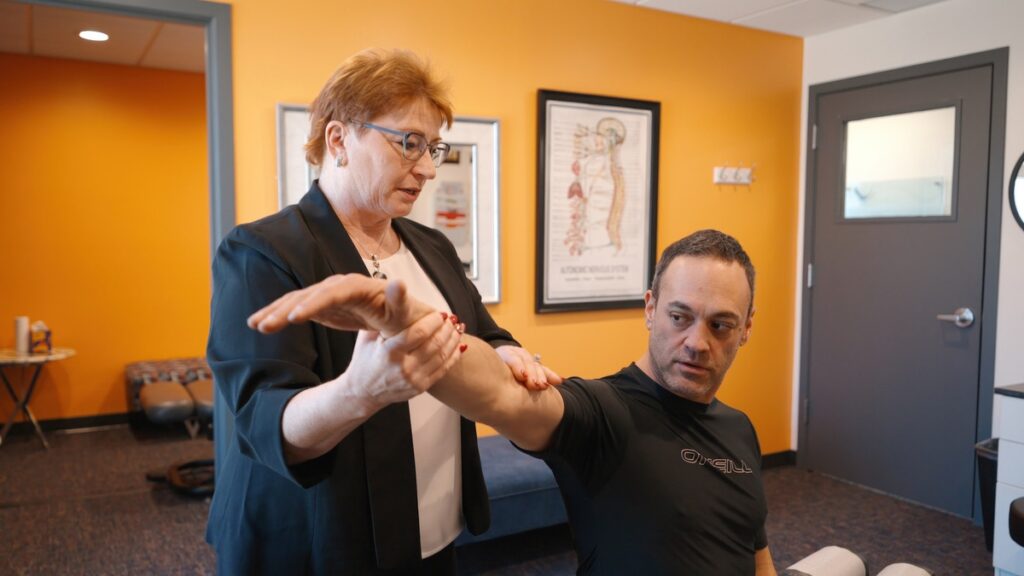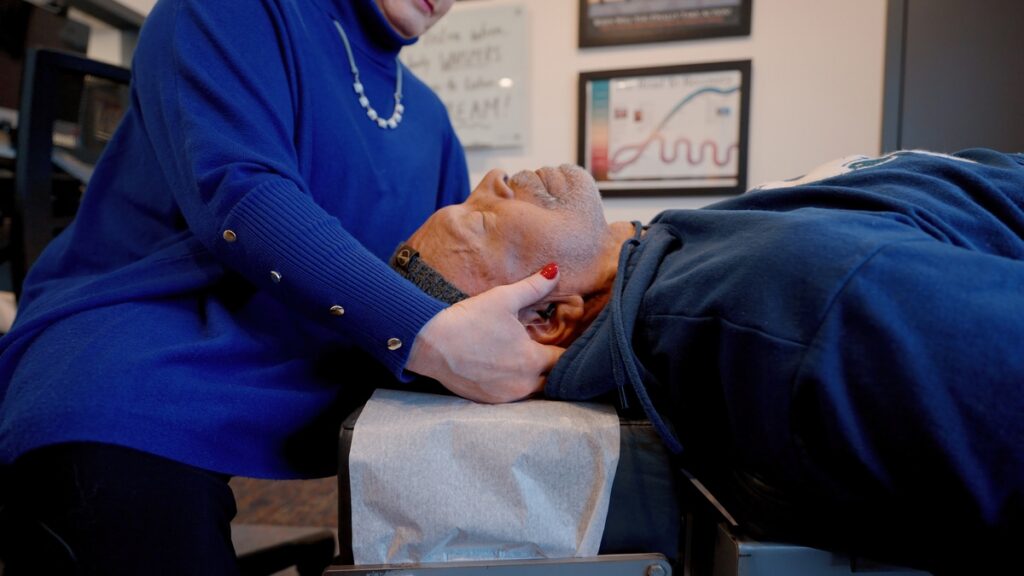
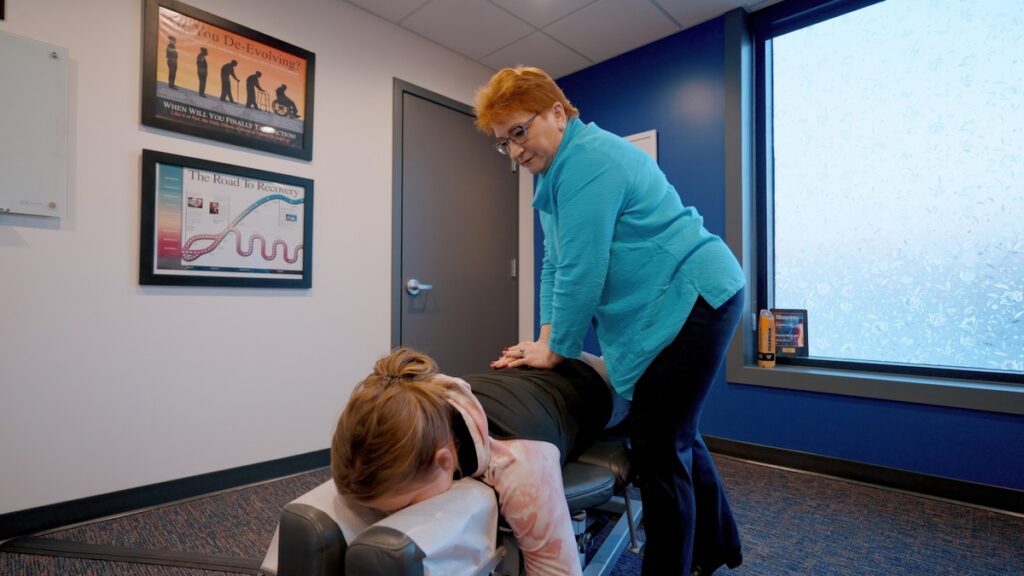
Hip pain has a way of sneaking up on people. One day you’re walking the trails around Roseville, MN, feeling great — and the next, you’re noticing a nagging ache that makes every step feel like a chore. What many people don’t realize is that chiropractic care isn’t just something you seek out after pain has already set in. It can play a meaningful role in preventing future hip pain and injuries before they ever become a serious problem. At Natural Ways Chiropractic, we see patients every week who wish they had come in sooner, and we want to help you understand why proactive care matters so much for your hips and overall movement health.
Can chiropractic care actually help prevent hip pain? Yes — and here’s the straightforward answer: chiropractic care addresses the underlying biomechanical imbalances, joint restrictions, and muscle tension patterns that often lead to hip pain and injury over time. By identifying and correcting these issues early, regular chiropractic care can help keep your hips functioning optimally, reducing the likelihood of future problems.
Understanding Hip Pain and Why It Happens
The hip is one of the most complex and hardworking joints in the human body. It’s a ball-and-socket joint that bears your body weight, absorbs shock, and allows a wide range of movement — from walking and running to sitting, squatting, and climbing stairs. Because the hip does so much, it’s also vulnerable to wear, strain, and dysfunction when things get out of balance.
Hip pain doesn’t always originate in the hip itself. In many cases, what feels like hip discomfort is actually referred pain from the lower back, sacroiliac (SI) joint, or even tight muscles in the pelvis and thighs. This is why addressing the full picture of your musculoskeletal system — not just the spot where it hurts — is so important for long-term relief and prevention.
Here in Roseville, MN, Dr. Trish Wolff at Natural Ways Chiropractic regularly sees patients whose hip pain stems from a combination of factors. Some of the most common contributors include:
Prolonged sitting is a significant culprit. Many residents spend long hours at a desk or behind the wheel, which shortens the hip flexor muscles and reduces joint mobility over time. Repetitive movements in sports or physical work can also strain the hip’s supporting structures. Poor posture and gait patterns place uneven stress on the joint, while previous injuries that weren’t fully rehabilitated leave underlying weaknesses. Even leg length discrepancies and pelvic misalignment can gradually cause the hip joint to wear unevenly.
The encouraging part is that most of these contributing factors are addressable. That’s where a preventive approach to chiropractic care becomes genuinely powerful.
How Biomechanics and Spinal Alignment Affect Your Hips
Your body works as an interconnected system. The spine, pelvis, hips, knees, and feet are all in constant communication through muscles, tendons, ligaments, and the nervous system. When one part of that chain is off, the effects ripple outward — and the hips are often where those ripple effects land hardest.
Think of it this way: if your pelvis is tilted forward or rotated to one side, the hip joints on both sides have to compensate for that imbalance every single time you take a step. Over days, weeks, and months, that compensation creates uneven wear on the cartilage, strains the surrounding muscles, and gradually increases the risk of injury. This is what chiropractors refer to as a biomechanical breakdown, and it can happen silently — long before pain appears.
Spinal misalignments, particularly in the lumbar spine (lower back) and sacrum, can also directly influence hip function. The nerves that exit the lower spine travel into the hip, thigh, and leg. When those nerve pathways are compressed or irritated by spinal dysfunction, it can affect muscle coordination, reduce strength in the hip stabilizers, and alter movement patterns in ways you might not even notice until pain sets in.
Dr. Trish Wolff takes a whole-body approach to evaluation at Natural Ways Chiropractic in Roseville. Rather than simply treating wherever the pain is, she assesses how the entire kinetic chain is functioning — checking spinal alignment, pelvic position, hip joint mobility, and gait — to identify vulnerabilities before they escalate into real injury.
How Chiropractic Care Fits Into Hip Pain Prevention
Chiropractic care is fundamentally a non-invasive, drug-free approach to musculoskeletal health. When it comes to the hips specifically, it offers several meaningful benefits that support injury prevention over the long term.
Restoring Joint Mobility
One of the primary goals of chiropractic adjustments is to restore proper movement to joints that have become restricted or stiff. When the hip joint itself, the SI joint, or the lumbar spine loses its normal range of motion, it places greater demand on the surrounding tissues. Regular adjustments help maintain the fluid, full movement that keeps joints healthy and resilient. Research published in journals focused on musculoskeletal care suggests that spinal and joint manipulation can meaningfully improve range of motion and reduce tissue stress.
Correcting Pelvic and Spinal Alignment
As discussed above, pelvic misalignment is one of the most common root causes of progressive hip problems. Chiropractic adjustments targeting the pelvis and sacroiliac joints help restore balanced positioning, which in turn allows the hip joints to move symmetrically and share load the way they’re designed to. At Natural Ways Chiropractic, this kind of alignment work is central to what Dr. Trish Wolff does during preventive care visits.
Reducing Muscle Tension and Nerve Interference
Chronically tight muscles around the hip — the hip flexors, piriformis, glutes, and IT band — can compress the joint and limit its range of motion. Chiropractic care, combined with soft tissue techniques, helps release these tension patterns. Addressing nerve interference in the lower spine also ensures that the muscles responsible for stabilizing the hip are getting the proper neurological signals they need to do their job effectively.
Supporting Gait and Movement Patterns
How you walk matters enormously for your hip health. Abnormal gait patterns — whether caused by an old ankle sprain, knee pain, or a habit developed over years — place excessive stress on the hip joint with every stride. Chiropractors are trained to evaluate gait and movement mechanics, helping patients understand and correct patterns that put them at unnecessary risk.
Practical Tips for Protecting Your Hip Health
Prevention is a partnership. What you do between chiropractic visits is just as important as the care you receive in the office. Dr. Trish Wolff encourages Natural Ways Chiropractic patients in Roseville to build these habits into their daily lives.
Make movement a priority throughout the day. If your work or lifestyle involves long periods of sitting, set a reminder to stand, stretch, or take a short walk every 45 to 60 minutes. The hip joint thrives on circulation and movement, and prolonged static positions accelerate stiffness and muscle imbalance.
Pay attention to your sleeping position. Sleeping on your side with a pillow between your knees helps keep the hips aligned and reduces the torque placed on the joint overnight. Stomach sleeping, on the other hand, tends to create significant strain through the lower back and hip flexors.
Strengthen your glutes and core. The muscles that surround and stabilize the hip joint — particularly the gluteus medius and deep core stabilizers — are often underactive in people who sit frequently. Gentle, consistent strengthening exercises for these areas can significantly reduce the stress placed on the hip joint itself. Ask Dr. Trish Wolff about specific movement recommendations that complement your chiropractic care.
Wear supportive footwear. Footwear affects the entire kinetic chain from the ground up. Unsupportive or worn-down shoes alter your gait and increase stress through the knees, hips, and lower back. This is a simple change that makes a real difference over time.
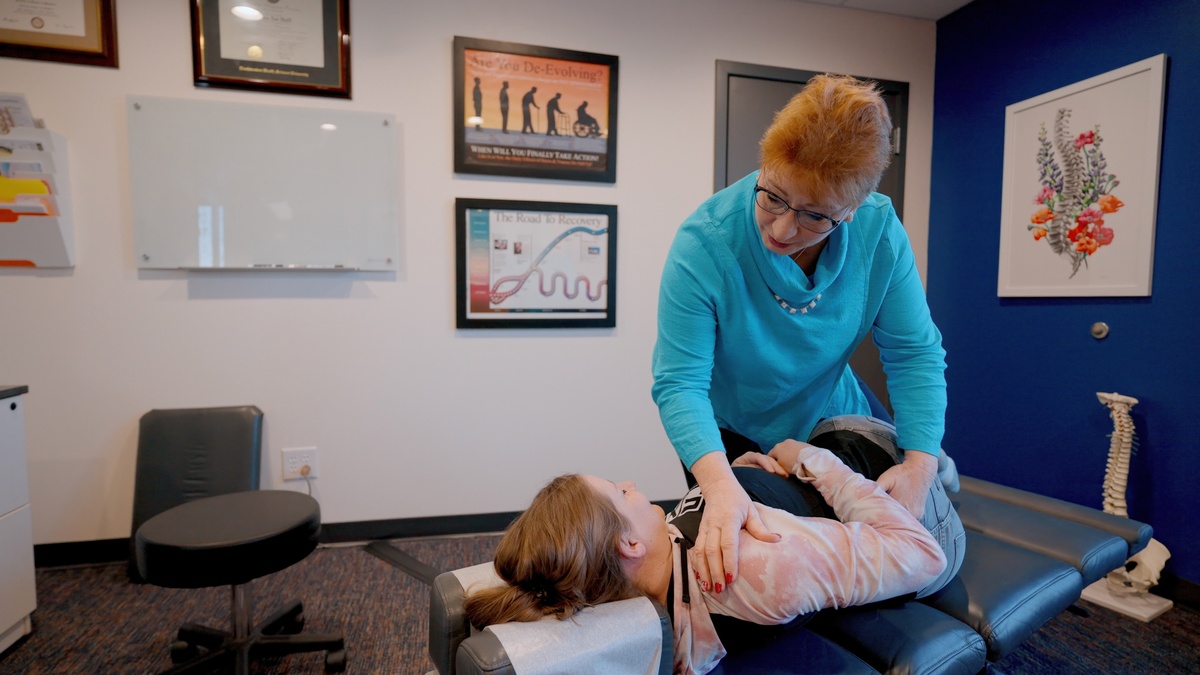
When to See a Chiropractor for Hip Concerns
You don’t have to be in significant pain to benefit from chiropractic care. In fact, the ideal time to establish care is before pain becomes your primary motivator. That said, there are certain signs that suggest it’s time to come in for an evaluation sooner rather than later.
If you notice stiffness in your hip or groin that’s worse in the morning or after sitting for a long period, that’s a signal worth paying attention to. A reduced range of motion — difficulty crossing your legs, tying your shoes, or getting in and out of a car — can indicate early joint restriction that chiropractic care may help address. Clicking or popping sensations in the hip that are accompanied by discomfort also warrant a professional look.
Recurring aches after physical activity, a recent change in your gait, or a feeling that one hip feels “off” compared to the other are all reasonable reasons to schedule a visit. These are the kinds of early warning signs that, when addressed proactively, can prevent the development of more serious conditions down the road.
It’s also important to know when chiropractic care alone isn’t the right first step. If you experience sudden, severe hip pain following a fall or trauma, pain that radiates with numbness or weakness down the leg, fever accompanying joint pain, or significant swelling around the hip, please seek medical evaluation promptly. These symptoms may indicate something that requires immediate attention from a physician or emergency care.
Hip Pain Prevention: Proactive vs. Reactive Approaches
Approach |
Reactive (After Pain Starts) |
Proactive (Before Pain Develops) |
|---|---|---|
Timing of Care |
Begins after pain, injury, or significant limitation occurs |
Begins before symptoms develop or during early warning signs |
Goal |
Reduce existing pain and restore lost function |
Maintain joint health, balance, and movement quality |
Recovery Timeline |
Often longer; may involve more intensive treatment |
Typically shorter correction period; ongoing maintenance support |
Risk of Recurrence |
Higher if underlying causes aren’t fully addressed |
Lower when biomechanical issues are identified and managed early |
Lifestyle Impact |
Pain often disrupts work, activity, and quality of life |
Minimal disruption; supports active lifestyle maintenance |
Chiropractic Role |
Therapeutic — restoring what’s been lost |
Preventive — protecting and optimizing what’s already there |
Myths vs. Facts About Chiropractic Care and Hip Health
Myth: Chiropractic care is only for back pain.
Fact: Chiropractors are trained to evaluate and address the entire musculoskeletal system, including the hips, pelvis, knees, and extremities. Hip health is directly connected to spinal and pelvic alignment, making it very much within the scope of chiropractic care. Dr. Trish Wolff at Natural Ways Chiropractic regularly works with patients specifically seeking help with hip function and pain prevention.
Myth: You only need to see a chiropractor when you’re in pain.
Fact: Pain is often a late signal — it typically appears after dysfunction has already been building for some time. Preventive chiropractic care helps address biomechanical issues, joint restrictions, and muscle imbalances before they produce symptoms. Many patients find that regular check-ups help them maintain a higher level of function and avoid the injuries they used to experience repeatedly.
Myth: Chiropractic adjustments to the hip or pelvis are dangerous.
Fact: When performed by a licensed, trained chiropractor, adjustments to the hip and pelvis are considered safe and are commonly used in conservative musculoskeletal care. As with any healthcare approach, a thorough intake and evaluation ensures that care is appropriate for each individual patient’s needs and health history.
Myth: If you start chiropractic care, you’ll have to go forever.
Fact: The frequency and duration of chiropractic care is entirely individualized. Some patients come in for a specific concern and are done after a short series of visits. Others choose periodic maintenance care because they find it helps them stay active and feel their best. There’s no one-size-fits-all requirement, and a good chiropractor will always be transparent about your care plan and goals.
Myth: Hip pain is just a normal part of aging and can’t be prevented.
Fact: While some age-related changes in joints are natural, significant hip pain and loss of function are not inevitable. Research consistently suggests that maintaining joint mobility, muscle strength, and proper biomechanics can meaningfully slow degenerative changes and support healthy hip function well into older age. Proactive care — including chiropractic — plays a real role in that process.
Final Thoughts from Natural Ways Chiropractic
Hip pain doesn’t have to be your normal. Whether you’re an active Roseville resident who enjoys outdoor activities, a professional who spends hours at a desk, or someone who’s had hip issues in the past and wants to avoid repeating that experience — preventive chiropractic care is worth exploring.
At Natural Ways Chiropractic in Roseville, MN, Dr. Trish Wolff is passionate about helping the local community move better, feel better, and stay healthier for longer. The goal isn’t just to help you after something goes wrong — it’s to be a trusted partner in your long-term wellness, so that problems have less of a chance to develop in the first place.
If you’ve been curious about whether chiropractic care might be right for you — or if you’ve noticed any of the early warning signs we discussed in this article — we encourage you to reach out. A thorough evaluation is the first step toward understanding what your body needs and building a plan that makes sense for your life and your goals. The team at Natural Ways Chiropractic is here to help, and we’re proud to serve the Roseville community with honest, personalized, and compassionate care.
Frequently Asked Questions
Can a chiropractor help with hip flexor tightness?
Yes. Chiropractors are trained to identify and address muscle tension patterns, including tight hip flexors, that can contribute to hip dysfunction and pain. Care may include spinal and pelvic adjustments, soft tissue work, and guidance on stretching and movement habits that help restore flexibility over time.
How often should I see a chiropractor for hip pain prevention?
The right frequency depends on your individual health history, activity level, and any underlying biomechanical issues that need to be addressed. Dr. Trish Wolff at Natural Ways Chiropractic will assess your needs and recommend a care schedule that’s realistic and tailored to your specific goals — whether that’s a short-term plan or periodic maintenance visits.
Is chiropractic care safe for hip osteoarthritis?
For many people with hip osteoarthritis, chiropractic care can be a safe and helpful component of a broader conservative management plan. Evidence suggests that maintaining joint mobility and addressing compensatory movement patterns can help reduce discomfort and slow functional decline. Your chiropractor will always review your health history and imaging to determine the most appropriate approach for your situation.
Can poor posture really cause hip pain?
Absolutely. Poor posture — especially a forward pelvic tilt or rounded lower back from prolonged sitting — alters the mechanics of the hip joint and places uneven stress on its cartilage and supporting muscles. Over time, this can contribute to pain, stiffness, and injury. Addressing postural habits is a key part of hip pain prevention.
What’s the difference between hip pain from the SI joint and the hip joint itself?
Sacroiliac (SI) joint dysfunction often causes pain in the lower back, buttock, and outer hip area, while true hip joint issues tend to create pain in the groin, inner thigh, or directly over the side of the hip. A thorough chiropractic evaluation — including orthopedic and motion testing — can help differentiate between the two and guide the right approach to care.
Does chiropractic care work for hip pain caused by a sports injury?
Chiropractic care can be a valuable part of recovery and prevention for sports-related hip injuries. By addressing alignment, muscle balance, and movement patterns involved in athletic activity, chiropractic care helps restore function and reduces the risk of re-injury. For complex injuries, your chiropractor may also coordinate with other healthcare providers as part of your recovery plan.
TL;DR Summary
-
Hip pain often develops gradually due to biomechanical imbalances, pelvic misalignment, muscle tension, and poor movement habits — many of which can be identified and addressed before pain begins.
-
Chiropractic care is a non-invasive, drug-free approach that supports hip health by restoring joint mobility, correcting spinal and pelvic alignment, reducing nerve interference, and improving movement patterns.
-
Proactive chiropractic care — coming in before significant pain develops — tends to produce better long-term outcomes than waiting until a problem becomes serious.
-
Simple daily habits like reducing prolonged sitting, strengthening the glutes and core, and wearing supportive footwear can meaningfully complement your chiropractic care plan.
-
Dr. Trish Wolff and the team at Natural Ways Chiropractic in Roseville, MN are here to help you build a personalized prevention plan so you can stay active, mobile, and pain-free for years to come.