If you’ve ever experienced sharp, shooting pain radiating down your arm, numbness in your fingers, or a burning sensation in your shoulder, you know how debilitating a pinched nerve can be. This common condition affects thousands of people right here in Roseville, MN, and throughout the Twin Cities area. Whether it happened suddenly after lifting something heavy or developed gradually from poor posture at your desk, a pinched nerve in your shoulder can disrupt your daily life, interfere with work, and make simple tasks like reaching for items or sleeping comfortably feel nearly impossible. The good news? Understanding what’s happening in your body is the first step toward finding relief, and natural, non-invasive approaches like chiropractic care have helped many patients regain their quality of life without surgery or long-term medication use.
What is a pinched nerve in the shoulder? A pinched nerve, medically known as cervical radiculopathy when it originates from the neck, occurs when excessive pressure is applied to a nerve root by surrounding tissues such as bones, cartilage, muscles, or tendons. This compression disrupts the nerve’s normal function, causing pain, numbness, tingling, or weakness that often radiates from the neck or shoulder down into the arm and hand.
Table of Contents
- What Causes a Pinched Nerve in Your Shoulder?
- Recognizing the Signs and Symptoms
- How a Pinched Nerve Is Diagnosed
- The Chiropractic Approach to Pinched Nerve Relief
- What to Expect During Chiropractic Treatment
- Practical Tips for Managing Symptoms at Home
- When to Seek Professional Care
- Myths vs. Facts About Pinched Nerves
- Final Thoughts from Natural Ways Chiropractic
What Causes a Pinched Nerve in Your Shoulder?
Understanding the root causes of nerve compression helps you make informed decisions about prevention and care. A pinched nerve doesn’t happen randomly—there’s always an underlying reason why that nerve is being compressed or irritated.
One of the most common causes we see at Natural Ways Chiropractic is cervical disc herniation. The cushioning discs between your vertebrae can bulge or rupture, pressing against nearby nerve roots. This often occurs due to age-related wear and tear, but it can also result from sudden trauma or repetitive strain.
Bone spurs, which are bony projections that develop along the edges of bones, frequently contribute to nerve compression. These typically form as part of the degenerative changes associated with osteoarthritis in the cervical spine. As the protective cartilage wears down over time, your body attempts to repair itself by growing extra bone, which can unfortunately narrow the spaces where nerves exit the spinal column.
Poor posture has become an epidemic in our modern world. Here in Roseville, many of our patients spend hours hunched over computers, smartphones, or steering wheels. This forward head posture places tremendous strain on the cervical spine and can gradually compress nerve pathways. For every inch your head moves forward from its neutral position, it adds approximately 10 pounds of additional force on your neck muscles and spine.
Repetitive motions involving your shoulder and neck can also create conditions ripe for nerve compression. Whether you’re an assembly line worker, a hairstylist, or someone who frequently reaches overhead, these repeated movements can inflame surrounding tissues and create pressure on nerves.
Acute injuries shouldn’t be overlooked either. Whiplash from a car accident, a sports collision, or even a slip and fall can cause immediate nerve compression or create conditions that lead to problems weeks or months later. Inflammation and swelling following an injury can put pressure on nerves even if the initial trauma didn’t directly impact the nerve itself.
Recognizing the Signs and Symptoms
The symptoms of a pinched nerve in your shoulder can vary significantly from person to person, depending on which nerve is affected and the severity of the compression. Being able to recognize these symptoms helps you seek appropriate care before the condition worsens.
Sharp, shooting pain is perhaps the most recognizable symptom. This pain typically begins in your neck or shoulder and radiates down your arm, sometimes all the way to your fingers. Many patients describe it as an electric shock sensation that can be triggered by certain movements or positions.
Numbness and tingling are classic nerve-related symptoms. You might feel pins and needles in your shoulder, arm, or hand, or experience areas of reduced sensation. Some patients report that their arm feels like it’s “asleep” even when they haven’t been lying on it.
Muscle weakness often accompanies a pinched nerve. You might notice difficulty gripping objects, trouble lifting items you normally handle easily, or a general feeling that your arm is weaker than usual. This happens because the compressed nerve cannot properly transmit signals to your muscles.
Pain that worsens with certain movements is another telltale sign. Turning your head to one side, looking up, or reaching overhead might intensify your symptoms. Some patients find that their pain increases at night, making it difficult to find a comfortable sleeping position.
Burning sensations in the shoulder, upper back, or down the arm can indicate nerve irritation. This uncomfortable feeling might be constant or intermittent, and it often accompanies the other symptoms we’ve described.
How a Pinched Nerve Is Diagnosed
Proper diagnosis is essential before beginning any treatment program. At Natural Ways Chiropractic in Roseville, we take a comprehensive approach to understanding exactly what’s causing your symptoms.
Your initial evaluation begins with a detailed health history. We’ll ask about when your symptoms started, what makes them better or worse, whether you’ve experienced any recent injuries, and how the condition is affecting your daily activities. This conversation provides valuable clues about the underlying cause.
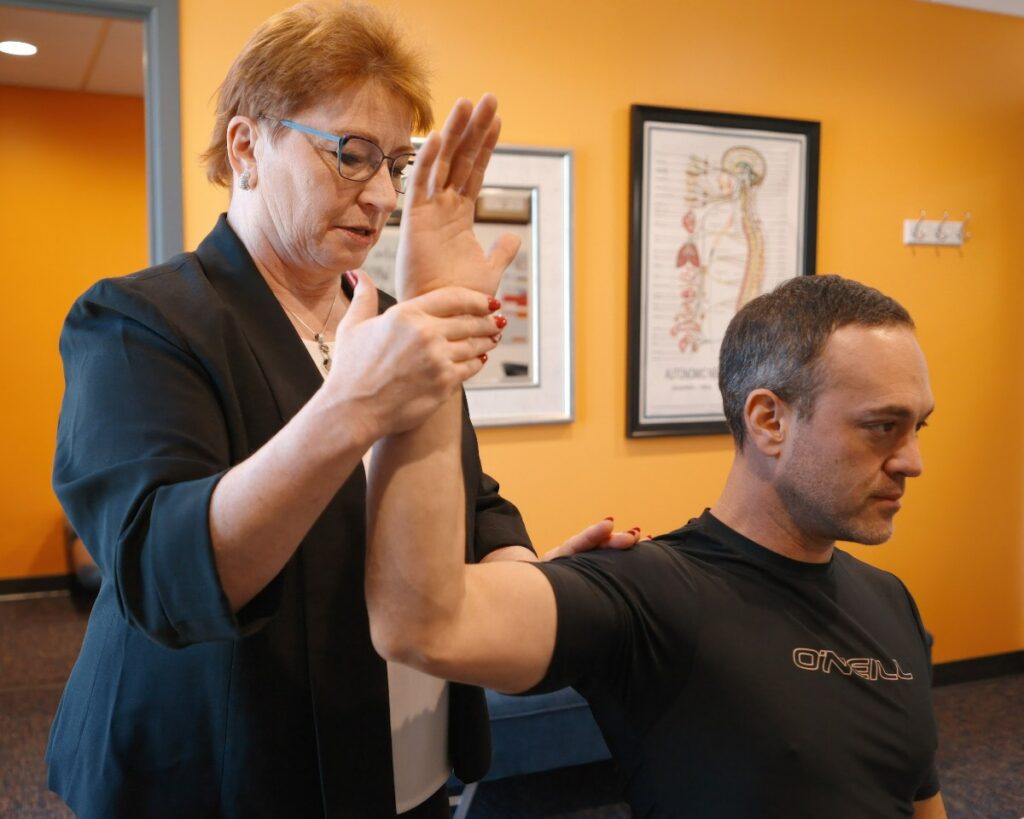
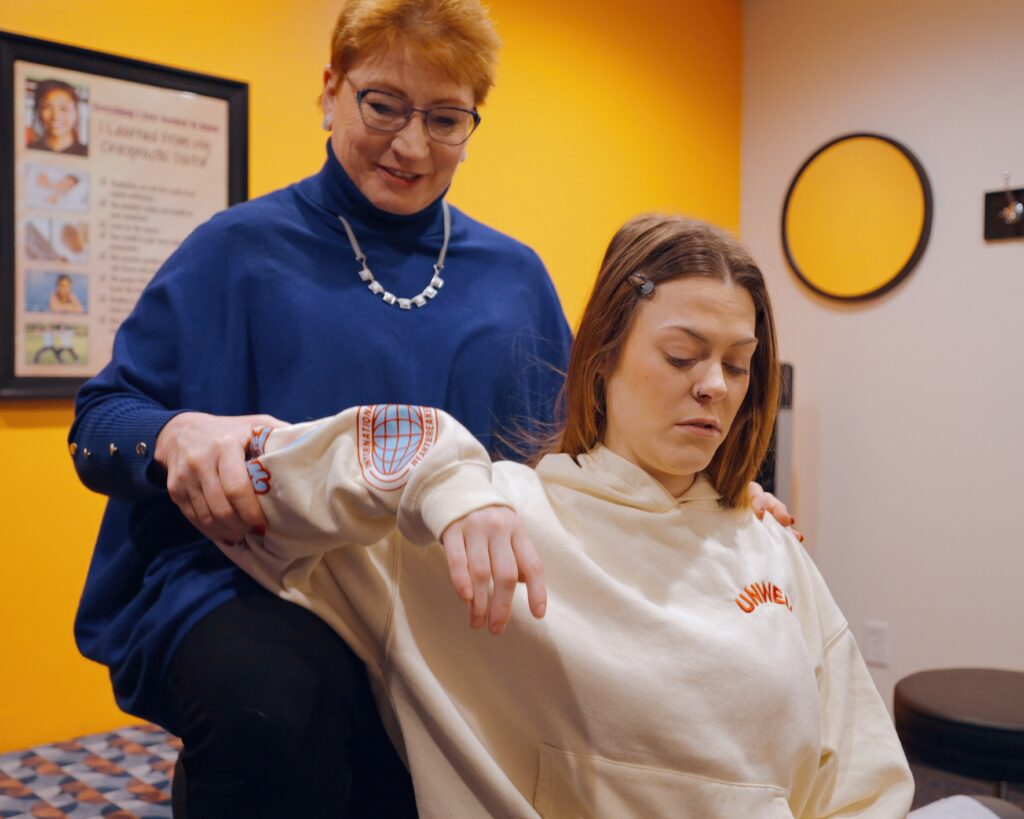
A thorough physical examination follows. This includes assessing your range of motion, testing muscle strength in your arms and hands, checking reflexes, and performing specific orthopedic tests designed to identify nerve compression. We’ll also examine your posture and spinal alignment to identify any structural issues contributing to the problem.
Neurological testing helps us determine which specific nerve is affected and how severely it’s compressed. These tests evaluate sensation, motor function, and nerve conduction along the pathway from your neck to your fingertips.
In some cases, diagnostic imaging may be recommended. X-rays can reveal bone spurs, arthritis, or alignment problems in your cervical spine. MRI scans provide detailed images of soft tissues, including discs, nerves, and muscles, making them particularly valuable for identifying disc herniations or other soft tissue causes of nerve compression.
The goal of this diagnostic process isn’t just to confirm that you have a pinched nerve, but to understand the specific mechanism causing it. This allows us to develop a targeted treatment plan that addresses the root cause rather than just masking symptoms.
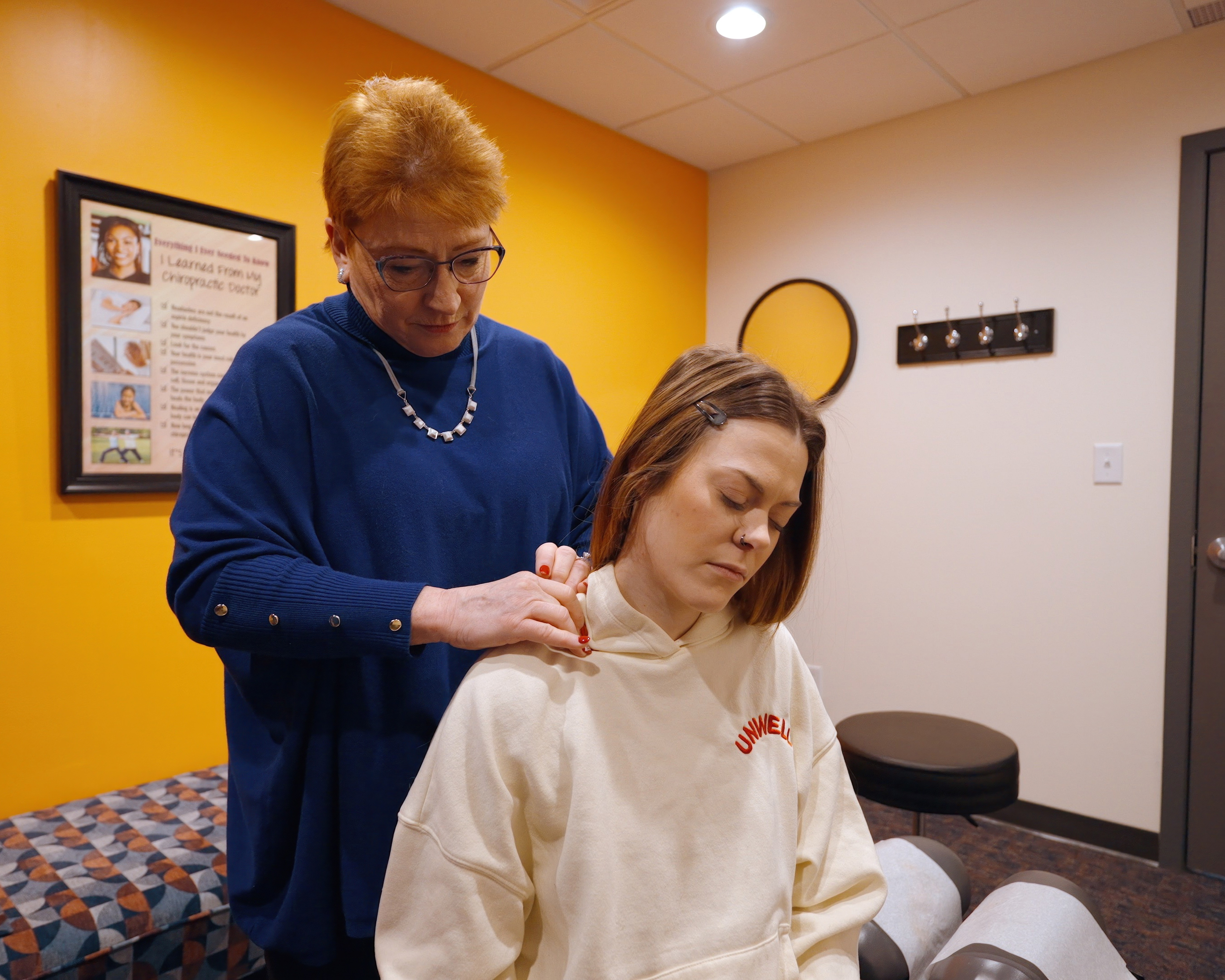
The Chiropractic Approach to Pinched Nerve Relief
Chiropractic care offers a natural, non-surgical approach to relieving pinched nerve symptoms by addressing the underlying mechanical dysfunctions that create nerve compression. Research published in spine care journals has shown that conservative care approaches, including chiropractic treatment, can provide significant relief for many patients with cervical radiculopathy.
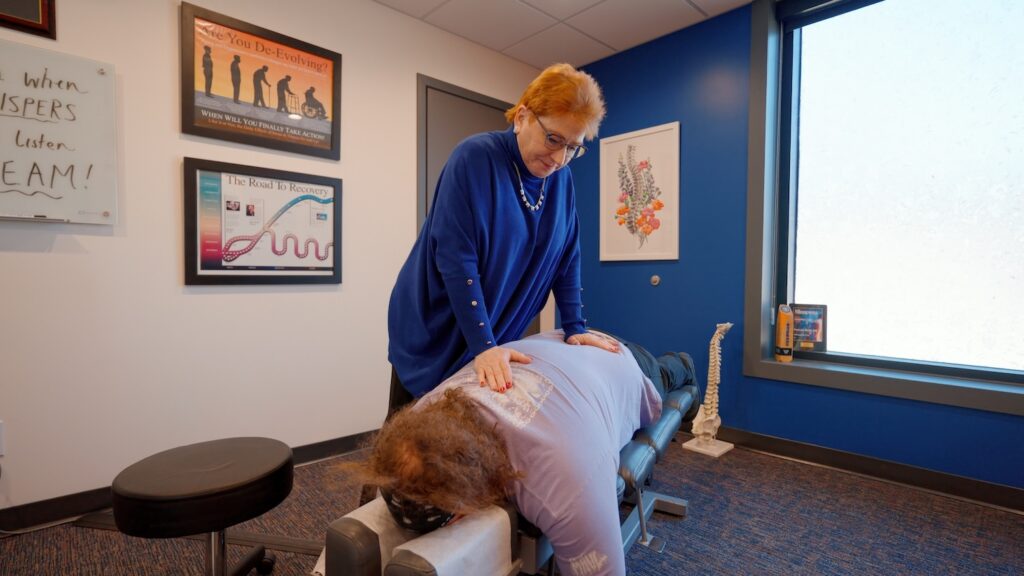
The foundation of chiropractic care for a pinched nerve involves restoring proper alignment and movement to the cervical spine. When vertebrae are misaligned or not moving properly, they can narrow the spaces where nerves exit the spine, creating pressure on those delicate nerve roots. Gentle, specific adjustments help restore normal positioning and motion, reducing this pressure.
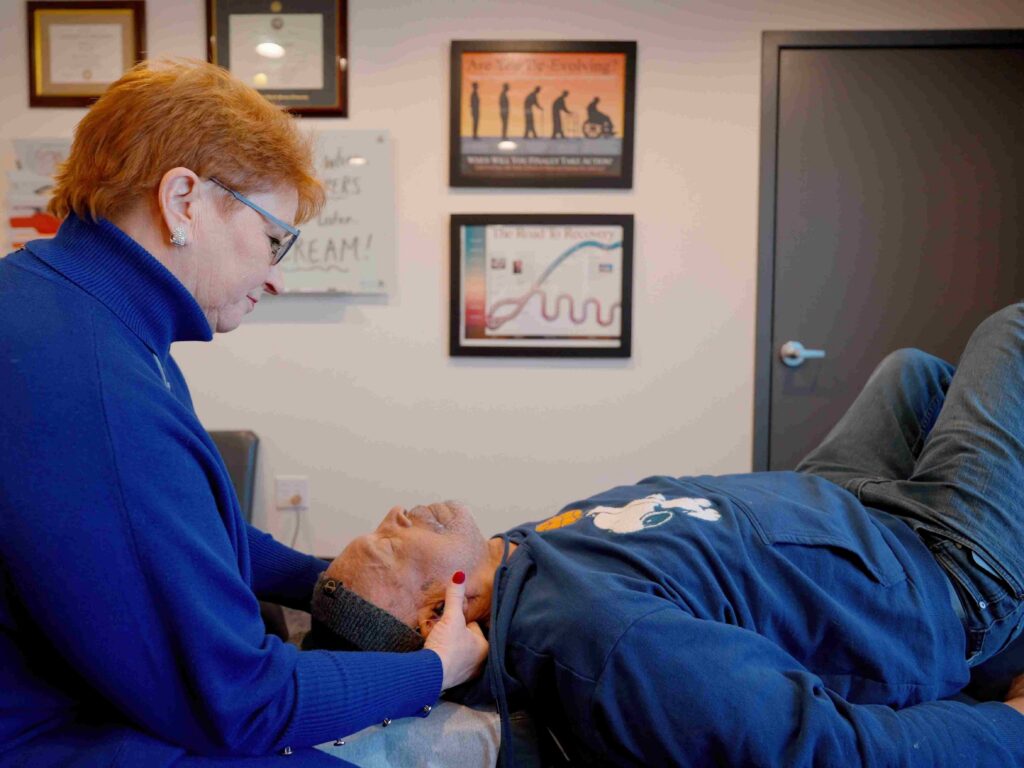
Unlike the forceful manipulation some people imagine, modern chiropractic techniques for addressing pinched nerves are precise and controlled. At Natural Ways Chiropractic, we use gentle adjustment techniques appropriate for your specific condition and comfort level. The goal is to reduce nerve irritation while promoting natural healing.
Chiropractic treatment for pinched nerves also addresses the soft tissues surrounding the affected area. Muscle tension, inflammation, and scar tissue can all contribute to nerve compression. Soft tissue therapy techniques help relax tight muscles, reduce inflammation, and improve circulation to the affected area, creating an environment conducive to healing.
Spinal decompression techniques may be incorporated into your treatment plan. These approaches gently stretch the spine, creating negative pressure within the discs and encouraging herniated or bulging disc material to move away from compressed nerves. Many patients find this particularly helpful for relief.
An important aspect of chiropractic care is that it looks beyond just the site of pain. We examine your entire spine and posture because problems in one area often affect others. For instance, poor positioning in your mid-back or pelvis can alter the mechanics of your neck and shoulders, contributing to nerve compression.
What to Expect During Chiropractic Treatment
Understanding what happens during your visits to Natural Ways Chiropractic helps you feel comfortable and confident in your care. Treatment for a pinched nerve typically unfolds in phases, each designed to build upon the previous one.
During the initial phase of care, the primary focus is pain relief and reducing inflammation. Your visits might be more frequent during this stage—often two to three times per week. We’ll use gentle adjustments, therapeutic modalities, and specific techniques designed to calm the irritated nerve and reduce compression.
As your symptoms begin to improve, treatment shifts toward correcting the underlying biomechanical problems that led to the pinched nerve. This corrective phase involves continuing adjustments while adding rehabilitative exercises to strengthen supporting muscles and retrain movement patterns. Visit frequency typically decreases during this phase.
Each treatment session is individualized based on your response to care. Some patients notice significant improvement after just a few visits, while others with more chronic or severe compression may require longer courses of care. We continuously monitor your progress and adjust our approach as needed.
You’ll also receive education and home care recommendations throughout your treatment. This might include specific stretches, ergonomic modifications for your workspace, sleep position advice, and activities to avoid during healing. Your active participation in your recovery significantly impacts your outcomes.
Many patients at our Roseville practice report noticing some degree of relief within the first few weeks of care. However, true healing takes time. Even after symptoms improve, continuing with periodic maintenance care can help prevent recurrence and maintain optimal spinal function.
| Treatment Phase | Primary Goals | Typical Visit Frequency | Duration |
|---|---|---|---|
| Initial/Relief Care | Reduce pain, decrease inflammation, relieve nerve pressure | 2-3 times per week | 2-4 weeks |
| Corrective Care | Address biomechanical dysfunction, strengthen support structures | 1-2 times per week | 4-8 weeks |
| Maintenance Care | Prevent recurrence, maintain optimal function | 1-2 times per month | Ongoing as needed |
Practical Tips for Managing Symptoms at Home
While professional chiropractic care forms the foundation of your treatment, there are several things you can do at home to support your recovery and manage symptoms between visits.
Proper sleep positioning can make a dramatic difference in your comfort level. If you’re a side sleeper, place a pillow between your arm and body to prevent your shoulder from rolling forward. Back sleepers should ensure their pillow supports the natural curve of their neck without pushing the head too far forward. Avoid sleeping on your stomach, as this position requires you to turn your head to one side for extended periods, potentially aggravating nerve compression.
Ice therapy during the first 48-72 hours after symptoms begin can help reduce inflammation around the compressed nerve. Apply an ice pack wrapped in a thin towel to your neck and shoulder area for 15-20 minutes at a time, several times daily. After the initial acute phase, alternating between ice and heat may provide relief by reducing muscle tension while controlling inflammation.
Workspace ergonomics deserve serious attention, especially if you spend significant time at a computer. Your monitor should be at eye level, positioned an arm’s length away. Your chair should support your lower back, and your feet should rest flat on the floor. Keep your keyboard and mouse close enough that you don’t have to reach forward, and take regular breaks to stand, stretch, and change positions.
Gentle neck stretches can help maintain mobility and reduce muscle tension, but avoid any movements that increase your symptoms. Simple chin tucks—pulling your chin straight back to create a “double chin”—can help counteract forward head posture and reduce nerve compression. Shoulder blade squeezes, where you gently pull your shoulder blades together, can also help relieve tension.
Modify your daily activities during the healing process. Avoid heavy lifting, overhead reaching, and any repetitive motions that aggravate your symptoms. This doesn’t mean complete inactivity—gentle movement is important—but respect your body’s signals and avoid pushing through significant pain.
Stay hydrated and maintain good nutrition to support tissue healing. Your intervertebral discs depend on proper hydration to maintain their cushioning properties. Anti-inflammatory foods like fatty fish, leafy greens, berries, and nuts may help reduce overall inflammation in your body.

When to Seek Professional Care
While some mild cases of nerve irritation resolve on their own with rest and home care, certain situations warrant professional evaluation and treatment. Knowing when to seek help can prevent a minor problem from becoming a chronic condition.
If your symptoms persist for more than a few days despite home care efforts, it’s time to schedule an evaluation. Pain that gradually worsens rather than improving suggests the underlying problem needs professional attention. The sooner you address nerve compression, the better your chances of complete recovery.
Significant weakness in your arm or hand requires prompt evaluation. If you’re dropping objects, having trouble with fine motor tasks like buttoning shirts, or noticing obvious loss of muscle strength, these signs indicate the nerve compression is affecting motor function and shouldn’t be ignored.
Progressive numbness or tingling that spreads or intensifies over time also warrants professional care. While intermittent tingling might not be alarming, expanding areas of numbness suggest increasing nerve compromise that needs intervention.
Symptoms that interfere with your sleep or daily activities significantly impact your quality of life and productivity. You don’t have to simply “live with it.” Professional care can help restore your function and comfort.
Certain red flag symptoms require immediate medical attention and may indicate more serious conditions. These include loss of bowel or bladder control, difficulty walking or maintaining balance, progressive weakness in both arms, or symptoms accompanied by unexplained weight loss or fever. While these situations are rare, they should prompt immediate evaluation by a healthcare provider.
If you’ve experienced trauma such as a car accident or significant fall, even if symptoms seem minor initially, professional evaluation is wise. Injuries can create conditions that lead to delayed nerve compression or other complications.
At Natural Ways Chiropractic in Roseville, we encourage patients to err on the side of caution. An evaluation can provide peace of mind and, if treatment is needed, starting early typically leads to faster recovery and better outcomes.
Myths vs. Facts About Pinched Nerves
Myth: A pinched nerve will always resolve on its own with rest
Fact: While some minor cases of nerve irritation improve with rest, many pinched nerves require professional intervention to address the underlying structural problem causing the compression. Without proper treatment, chronic nerve compression can lead to permanent nerve damage and lasting weakness or numbness. Conservative care approaches like chiropractic treatment can help restore proper function and prevent long-term complications.
Myth: Chiropractic adjustments for neck problems are dangerous
Fact: When performed by a licensed, trained chiropractor, cervical adjustments are extremely safe and effective. Modern chiropractic care uses gentle, specific techniques tailored to each patient’s condition and comfort level. Research has consistently shown that chiropractic care for neck pain and related conditions has an excellent safety profile, especially when compared to long-term medication use or surgical interventions.
Myth: If you have a pinched nerve, you should avoid all movement and activity
Fact: Complete immobilization is rarely beneficial for pinched nerve recovery. While you should avoid activities that significantly aggravate your symptoms, gentle movement helps maintain circulation, prevents muscle atrophy, and supports healing. Your chiropractor will guide you on appropriate activities and movements during your recovery.
Myth: Pain medication is the only real solution for pinched nerve pain
Fact: While pain medication may provide temporary symptom relief, it doesn’t address the underlying compression causing your symptoms. Conservative approaches like chiropractic care, physical rehabilitation, and lifestyle modifications target the root cause of nerve compression, offering the potential for lasting relief rather than just masking symptoms. Many patients find they can reduce or eliminate their reliance on pain medication through natural approaches.
Myth: Once you start chiropractic care, you have to continue forever
Fact: Treatment plans are individualized based on your specific condition and goals. While some patients choose to continue periodic maintenance care after their symptoms resolve because they value the preventive benefits, there’s no obligation to continue care indefinitely. The focus is on helping you achieve your health goals, whether that’s resolving acute symptoms or maintaining long-term spinal health.
Final Thoughts from Natural Ways Chiropractic
Living with a pinched nerve in your shoulder doesn’t have to be your new normal. Here in Roseville, we’ve helped countless patients find relief from nerve compression pain and return to the activities they love through natural, conservative chiropractic care. Every person’s situation is unique, which is why we take the time to thoroughly understand your specific condition and develop a personalized treatment plan that addresses your individual needs.
The journey to recovery begins with understanding what’s happening in your body and making the decision to seek appropriate care. Whether your symptoms developed gradually over months of poor posture or appeared suddenly after an injury, addressing the underlying biomechanical dysfunction offers your best chance for lasting relief.
At Natural Ways Chiropractic, we’re committed to providing evidence-based, patient-centered care that respects your body’s natural healing abilities. We believe in empowering our patients with knowledge, involving you as an active participant in your recovery, and supporting you every step of the way toward better health.
If you’re experiencing symptoms of a pinched nerve or have been struggling with shoulder and arm pain that won’t resolve, we invite you to schedule a consultation. Together, we can evaluate your condition, answer your questions, and determine whether chiropractic care is right for you. Your path to relief starts with that first step, and we’re here to guide you through it.
Frequently Asked Questions
How long does it typically take to recover from a pinched nerve in the shoulder with chiropractic care?
Recovery timelines vary based on the severity and duration of your condition, but many patients notice some improvement within the first few weeks of care. Acute cases that are addressed early often respond more quickly, while chronic nerve compression may require several weeks to months of treatment. Your chiropractor will provide a more specific timeline after evaluating your individual situation.
Can a pinched nerve cause permanent damage if left untreated?
Prolonged nerve compression can potentially lead to permanent nerve damage, resulting in lasting weakness, numbness, or loss of function. This is why seeking timely professional care is important, especially if you’re experiencing progressive symptoms. Early intervention with conservative treatment approaches typically prevents permanent complications and supports complete recovery.
Will I need surgery for my pinched nerve?
The majority of pinched nerve cases respond well to conservative care approaches like chiropractic treatment, and surgery is rarely necessary. Research indicates that non-surgical treatments are effective for most patients with cervical radiculopathy. Surgery is typically considered only when conservative care has been unsuccessful after an appropriate trial period or when there are severe neurological deficits that require immediate intervention.
Can poor posture really cause a pinched nerve?
Yes, chronic poor posture is one of the leading contributors to nerve compression in the neck and shoulder region. Forward head posture and rounded shoulders alter the normal biomechanics of your cervical spine, creating conditions that can lead to disc problems, muscle imbalances, and narrowing of the spaces where nerves exit the spine. Addressing postural dysfunction is often a key component of both treating and preventing pinched nerves.
Is it safe to exercise with a pinched nerve in my shoulder?
The answer depends on your specific condition and the type of exercise. Generally, you should avoid activities that significantly increase your symptoms, particularly overhead movements, heavy lifting, and high-impact exercises during the acute phase. Gentle walking, lower body exercises, and specific therapeutic exercises prescribed by your chiropractor are typically safe and beneficial. Always consult with your healthcare provider about appropriate activity levels for your individual situation.
What’s the difference between a pinched nerve and a muscle strain in the shoulder?
While both can cause shoulder pain, the symptoms differ significantly. A muscle strain typically causes localized pain in the shoulder area that worsens with specific movements of that muscle, while a pinched nerve commonly produces radiating pain, numbness, or tingling that travels down the arm. Pinched nerves may also cause weakness in muscles distant from the actual site of nerve compression. A thorough examination can differentiate between these conditions and determine the appropriate treatment approach.
TL;DR – Key Takeaways
- A pinched nerve in the shoulder involves compression of a nerve root, typically in the neck, causing pain, numbness, tingling, or weakness that radiates down the arm
- Common causes include disc herniations, bone spurs, poor posture, repetitive motions, and traumatic injuries that create pressure on nerve pathways
- Chiropractic care offers a natural, non-surgical approach that addresses the underlying biomechanical dysfunctions causing nerve compression rather than just masking symptoms
- Home care strategies including proper sleep positioning, ergonomic workplace setup, gentle stretching, and activity modification support professional treatment and recovery
- Seek professional evaluation if symptoms persist beyond a few days, progressively worsen, or include significant weakness, as early intervention typically leads to better outcomes and prevents permanent nerve damage