If you’ve ever felt sharp pain radiating down your leg, numbness in your foot, or persistent lower back discomfort that just won’t quit, you might be dealing with a bulging disc. This common spinal condition affects millions of people each year, and it’s one of the most frequent reasons patients walk through our doors here at Natural Ways Chiropractic in Roseville, MN. The good news? A bulging disc doesn’t have to mean surgery or a lifetime of pain pills. Understanding what’s happening in your spine and exploring conservative treatment options can put you on the path to real relief and recovery.
In this comprehensive guide, we’ll walk you through everything you need to know about bulging discs—from what they are and what causes them, to the most effective treatment approaches available. Whether you’re dealing with your first episode of disc-related pain or you’ve been managing this condition for years, you’ll find practical information to help you make informed decisions about your spinal health.
What is a Bulging Disc?
A bulging disc occurs when one of the cushioning discs between your vertebrae extends beyond its normal boundary, protruding into the spinal canal. Think of it like a jelly donut being compressed—the filling (nucleus pulposus) pushes against the outer ring (annulus fibrosus), causing the entire disc to bulge outward. Unlike a herniated disc where the outer layer tears and inner material leaks out, a bulging disc remains intact but misshapen.
Table of Contents
- Understanding Your Spinal Discs
- Common Causes of Bulging Discs
- Signs and Symptoms to Watch For
- How Chiropractic Care Fits In
- Top Treatment Options for Bulging Discs
- Practical Tips for Daily Relief
- When to See a Chiropractor
- Myths vs. Facts About Bulging Discs
Understanding Your Spinal Discs
Your spine is an incredible engineering marvel. Between each of your 24 movable vertebrae sits a specialized cushion called an intervertebral disc. These discs serve multiple critical functions: they absorb shock during movement, allow your spine to bend and twist, and maintain proper spacing between vertebrae to protect delicate nerve roots.
Each disc has two main parts. The tough outer layer, called the annulus fibrosus, is made of approximately 15-25 concentric rings of collagen fibers. Inside this protective casing sits the nucleus pulposus—a gel-like center that’s about 80% water in young, healthy discs. This high water content gives discs their shock-absorbing properties.
As we age, our discs naturally lose hydration and height. This is a normal part of the aging process, similar to how our skin develops wrinkles. However, certain factors can accelerate disc degeneration and increase the likelihood of bulging. Understanding this process helps explain why bulging discs become more common after age 30, though they can occur at any age.
Bulging discs most commonly occur in the lower back (lumbar spine), particularly at the L4-L5 and L5-S1 levels. The neck (cervical spine) is the second most common location. These areas bear the most mechanical stress during daily activities, making them more vulnerable to disc changes.
Common Causes of Bulging Discs
While bulging discs can develop suddenly from acute injury, they more commonly result from gradual wear and tear over time. Here in Roseville, we see patients from all walks of life dealing with this condition, and the underlying causes vary widely.
Age-Related Degeneration: The natural aging process is the most common factor. As discs lose water content over the years, they become less flexible and more prone to bulging. This degenerative process typically begins in our 30s and continues throughout life. Research indicates that by age 60, approximately 80% of people show some degree of disc degeneration on imaging, though not everyone experiences symptoms.
Repetitive Stress and Poor Posture: Jobs or activities that involve repetitive bending, twisting, or lifting place continuous stress on spinal discs. Office workers who sit for extended periods with poor posture also face increased risk. The forward head position common with computer work increases pressure on cervical discs, while prolonged sitting compresses lumbar discs.
Sudden Trauma or Injury: A car accident, fall, or sports injury can create enough force to damage disc structure. Even if the outer layer doesn’t tear immediately, the trauma can weaken the disc and make it more susceptible to bulging in the future.
Obesity and Excess Weight: Additional body weight increases the mechanical load on spinal discs, particularly in the lower back. Evidence suggests that maintaining a healthy weight significantly reduces the risk of disc problems.
Genetics and Family History: Some people inherit a predisposition to earlier disc degeneration. If your parents or siblings experienced disc problems, you may be at higher risk.
Smoking and Lifestyle Factors: Smoking reduces oxygen supply to disc tissues, accelerating degeneration. Combined with sedentary lifestyle habits, these factors create an environment where discs are more vulnerable to injury.
Signs and Symptoms to Watch For
The tricky thing about bulging discs is that they don’t always cause symptoms. Many people have bulging discs visible on MRI scans but experience no pain whatsoever. Symptoms only develop when the bulging disc puts pressure on nearby nerve roots or the spinal cord itself.
Lower Back Symptoms: When a lumbar disc bulges, you might feel localized lower back pain that worsens with sitting, bending forward, or lifting. The pain often improves when standing or walking. This happens because sitting increases pressure inside the disc by approximately 40% compared to standing.
Radiating Leg Pain (Sciatica): If the bulging disc compresses the sciatic nerve, pain can shoot down your buttock and leg, sometimes all the way to your foot. This radiating pain, called radiculopathy, often feels sharp, burning, or electric. It typically affects one leg more than the other.
Numbness and Tingling: Nerve compression can cause abnormal sensations in your legs or feet. You might feel pins and needles, numbness, or a “heavy” sensation in your limbs. These symptoms indicate that nerve function is being affected.
Muscle Weakness: In more significant cases, compressed nerves can’t properly activate muscles. You might notice difficulty standing on your toes, raising your foot, or a general feeling that your leg is giving out. This is a more serious symptom that requires prompt evaluation.
Neck and Arm Symptoms: Cervical bulging discs can cause neck pain, stiffness, and headaches. If nerve roots are compressed, pain, numbness, or tingling may radiate into your shoulder, arm, or hand. The specific location of symptoms helps identify which disc level is involved.
At Natural Ways Chiropractic, Dr. Sarah Johnson and our team carefully evaluate symptom patterns to determine whether a bulging disc is the likely cause and whether imaging is necessary.
How Chiropractic Care Fits In
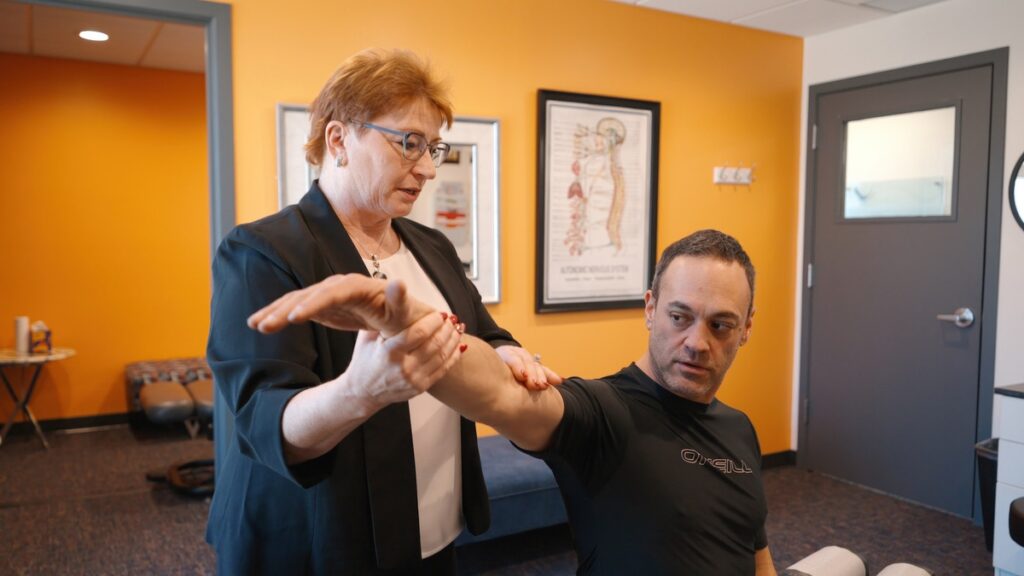
Chiropractic care offers a conservative, non-surgical approach to managing bulging disc symptoms. The goal isn’t to “push the disc back in”—that’s a common misconception. Instead, chiropractic treatment focuses on reducing pressure on affected nerves, improving spinal mechanics, and creating an environment where the body can heal naturally.
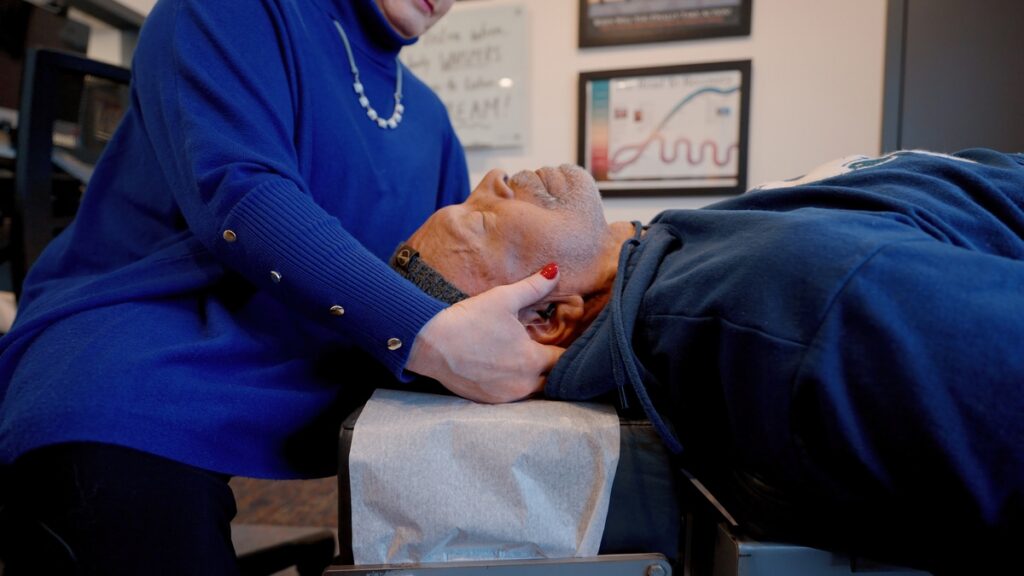
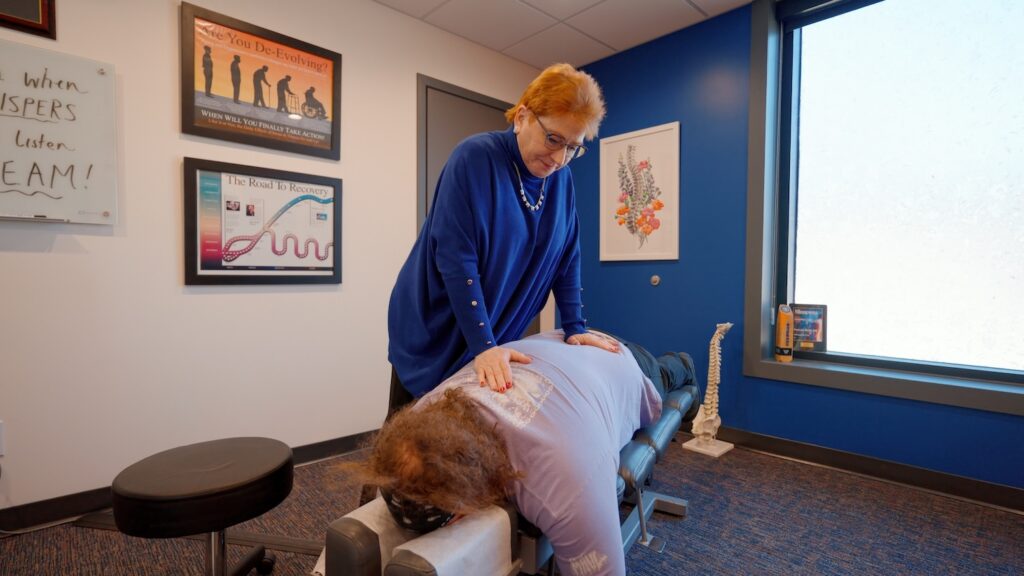
Spinal Adjustments and Manipulation: Specific chiropractic adjustments can help restore proper spinal alignment and movement patterns. When vertebrae move better and pressure is redistributed, irritated nerves often experience relief. For bulging discs, we typically use gentle, specific techniques rather than forceful manipulation. Flexion-distraction technique, for example, uses a specialized table that gently stretches the spine, creating negative pressure within the disc that may help reduce bulging.
Decompression Therapy: Some chiropractic offices, including Natural Ways Chiropractic in Roseville, offer spinal decompression therapy. This treatment uses controlled traction to create negative pressure inside the disc, potentially drawing bulging material away from compressed nerves. Research suggests this approach can be effective for appropriate candidates.
Soft Tissue Therapy: Bulging discs often cause surrounding muscles to tighten and spasm as a protective response. Addressing these muscle imbalances through manual therapy, trigger point work, or instrument-assisted techniques helps reduce pain and improve function.
Individualized Treatment Plans: Every patient’s situation is unique. What we do at Natural Ways Chiropractic is conduct a thorough examination to understand your specific condition, then create a personalized treatment plan. This might include adjustments, therapeutic exercises, lifestyle modifications, and education about protecting your spine during daily activities.
It’s important to note that chiropractic care works best as part of a comprehensive approach. We often coordinate with other healthcare providers to ensure you receive the most appropriate care for your situation.
Top Treatment Options for Bulging Discs
The good news is that most bulging discs improve with conservative treatment. Surgery is rarely necessary and is typically considered only after several months of non-surgical care haven’t provided adequate relief. Here are the most effective treatment options:
Chiropractic Care and Manual Therapy
As discussed above, chiropractic adjustments and manual therapies form the foundation of conservative care for many patients. The American College of Physicians clinical practice guidelines recommend spinal manipulation as a first-line treatment for low back pain, including disc-related pain.
Physical Therapy and Exercise
Targeted exercises strengthen the muscles that support your spine, improve flexibility, and correct movement patterns that may contribute to disc stress. A physical therapist or chiropractor can teach you specific exercises based on your condition. Core strengthening is particularly important, as these muscles act like a natural back brace.
McKenzie exercises, which emphasize extension-based movements, have shown promise for certain types of disc problems. However, the right exercise approach depends on your specific symptoms and response to movement.
Pain Management and Anti-Inflammatory Approaches
While medication doesn’t heal the disc itself, it can help manage pain during the acute phase. Over-the-counter NSAIDs like ibuprofen reduce inflammation around compressed nerves. Some patients benefit from prescription muscle relaxants or nerve pain medications. We always encourage the lowest effective dose for the shortest necessary time.
Natural anti-inflammatory approaches include omega-3 fatty acids, turmeric, and other supplements with evidence for reducing inflammatory markers. Always consult with your healthcare provider before starting new supplements.
Activity Modification and Ergonomic Changes
Sometimes the most effective treatment is simply changing how you move and position your body throughout the day. Avoiding positions that worsen symptoms while gradually increasing activity tolerance helps many patients improve without aggressive intervention.
Heat and Cold Therapy
Ice reduces inflammation and numbs acute pain, while heat relaxes tight muscles and improves circulation. Many patients find alternating between heat and cold provides the best relief, though individual responses vary.
Epidural Steroid Injections
When conservative care isn’t providing sufficient relief and symptoms significantly impact quality of life, epidural steroid injections may be considered. These deliver anti-inflammatory medication directly to the affected area. While not a permanent solution, injections can provide temporary relief that allows participation in rehabilitation.
Surgery (Last Resort)
Surgical intervention is typically reserved for cases with severe, progressive neurological symptoms or when conservative care has failed after several months. Procedures like microdiscectomy remove the portion of disc material compressing the nerve. Success rates are generally good, but surgery carries risks and doesn’t prevent disc problems at other levels.
| Treatment Approach | Best For | Typical Timeline |
|---|---|---|
| Chiropractic Care | Mild to moderate symptoms, mechanical pain | 2-6 weeks for initial improvement |
| Physical Therapy | Strengthening, functional improvement | 4-8 weeks for measurable results |
| Activity Modification | All severity levels as supportive care | Immediate implementation |
| Epidural Injections | Moderate to severe radicular pain | 1-2 weeks for effect |
| Surgery | Severe neurological symptoms, conservative care failure | Recovery varies, 6-12 weeks typical |
Practical Tips for Daily Relief
Managing a bulging disc isn’t just about what happens during treatment sessions. The daily choices you make significantly impact your recovery and long-term spinal health. Here are evidence-based strategies our Roseville patients find most helpful:
Sleep Position Matters: If you have a lumbar bulging disc, try sleeping on your back with a pillow under your knees, or on your side with a pillow between your knees. These positions maintain the spine’s natural curves and reduce disc pressure. Avoid sleeping on your stomach, as this position increases spinal stress.
Sitting Strategies: Sitting increases pressure inside lumbar discs significantly. If you work at a desk, stand up and walk for 2-3 minutes every 30 minutes. Use a lumbar support roll to maintain the natural curve in your lower back. Position your computer monitor at eye level to reduce neck strain if you have a cervical bulging disc.
Lifting Technique: When you must lift something, squat down keeping your back straight, hold the object close to your body, and lift with your legs—not your back. Avoid twisting while carrying heavy objects. Even better, ask for help with heavy items during your recovery period.
Walking for Recovery: Gentle walking is one of the best activities during bulging disc recovery. It promotes circulation, maintains mobility, and doesn’t place excessive stress on the spine. Start with 10-15 minutes if that’s comfortable, gradually increasing as tolerated.
Stay Hydrated: Your discs need water to maintain their cushioning properties. Drinking adequate water throughout the day supports disc health. While this won’t “cure” a bulging disc, proper hydration supports your body’s natural healing processes.
Gentle Stretching: Once acute pain subsides, gentle stretching can help maintain flexibility. Focus on hamstring, hip flexor, and piriformis stretches, as tightness in these areas affects spinal mechanics. Never stretch into sharp pain—mild tension is the goal.
Weight Management: If excess weight is a factor, even modest weight loss reduces spinal loading. A loss of just 10-15 pounds can make a meaningful difference in disc pressure, particularly in the lower back.
Stress Management: Chronic stress increases muscle tension and can worsen pain perception. Deep breathing exercises, meditation, or other relaxation techniques help break the pain-tension cycle many patients experience.
When to See a Chiropractor
Not every episode of back pain requires immediate professional care, but certain signs indicate it’s time to schedule an evaluation at Natural Ways Chiropractic in Roseville, MN.
Consider seeking care if you experience: Back or neck pain lasting more than a week despite home care measures; radiating pain down your arm or leg that’s worsening or not improving; numbness, tingling, or weakness in your extremities; pain that’s significantly worse with sitting or certain positions; difficulty performing daily activities due to pain; or pain that wakes you at night.
Seek immediate medical attention for these red flags: Loss of bowel or bladder control (this is a medical emergency called cauda equina syndrome); progressive weakness in your legs; numbness in the saddle area (inner thighs and buttocks); severe pain following significant trauma; or unexplained weight loss accompanying back pain.
The timing of care matters. Research suggests that early intervention with conservative care, including chiropractic treatment, often leads to better outcomes than waiting for symptoms to worsen. Many patients who come to our Roseville office wish they’d sought care sooner rather than trying to “tough it out.”
During your initial visit, we’ll conduct a thorough examination including orthopedic and neurological tests to assess nerve function. We may recommend imaging if your history and examination findings suggest it’s necessary, though not every bulging disc requires an MRI.
Myths vs. Facts About Bulging Discs
Myth: A Bulging Disc Will Require Surgery
Fact: The vast majority of bulging discs improve with conservative care. Research indicates that approximately 90% of patients with disc-related symptoms recover without surgery. Surgery is typically considered only when conservative approaches haven’t provided relief after several months or when serious neurological symptoms are present.
Myth: You Should Rest in Bed Until the Pain Goes Away
Fact: Extended bed rest actually slows recovery. While a day or two of relative rest during acute pain may be appropriate, prolonged inactivity leads to muscle weakness and stiffness. Gentle movement and gradual return to activity promotes healing and prevents chronic problems. The key is finding the right balance between rest and activity.
Myth: Chiropractic Adjustments Will Make a Bulging Disc Worse
Fact: When performed by a properly trained chiropractor who evaluates each patient individually, chiropractic care is safe and effective for many people with bulging discs. Modern chiropractic includes gentle, specific techniques appropriate for disc conditions. Evidence suggests that spinal manipulation can provide meaningful pain relief and functional improvement for disc-related symptoms.
Myth: If an MRI Shows a Bulging Disc, That’s Definitely the Cause of Your Pain
Fact: This is perhaps the most important myth to dispel. Studies have found bulging discs on MRI in 30-40% of people in their 20s with no back pain, increasing to 80% or more in people over 60 without symptoms. The presence of a bulging disc on imaging doesn’t automatically mean it’s causing your pain. Clinical correlation—matching your symptoms with examination findings—is essential for proper diagnosis.
Myth: Once You Have a Bulging Disc, You’ll Always Have Pain
Fact: Many people experience complete resolution of symptoms from bulging discs. Even when the disc doesn’t fully “heal” on imaging, symptoms often resolve as inflammation decreases and the body adapts. With proper care and lifestyle modifications, many patients return to all their normal activities, including sports and physical work.
Final Thoughts from Natural Ways Chiropractic
Living with a bulging disc can be frustrating and painful, but it doesn’t have to control your life. Here in Roseville, we’ve helped countless patients find relief and return to the activities they love through conservative, patient-centered care. Dr. Sarah Johnson and our entire team at Natural Ways Chiropractic are committed to providing evidence-based treatment while educating our patients about their spinal health.
Remember that healing takes time. Your body has remarkable healing capabilities when given the right support and conditions. Whether you’re just beginning to experience symptoms or you’ve been dealing with disc-related pain for months, there are effective treatment options available that don’t involve surgery or long-term medication use.
If you’re in the Roseville, MN area and experiencing symptoms that might be related to a bulging disc, we encourage you to reach out to Natural Ways Chiropractic for a thorough evaluation. Understanding what’s happening in your spine is the first step toward recovery, and we’re here to guide you through every step of that journey.
Frequently Asked Questions
Can a bulging disc heal on its own?
Yes, many bulging discs improve naturally over time as inflammation decreases and the body adapts. The disc may not return to its original shape on imaging, but symptoms often resolve significantly or completely with appropriate conservative care. Most people see substantial improvement within 6-12 weeks with proper management.
What’s the difference between a bulging disc and a herniated disc?
A bulging disc occurs when the entire disc protrudes beyond its normal boundary but remains intact. A herniated disc (also called a ruptured disc) involves a tear in the outer layer, allowing the inner gel-like material to leak out. Herniated discs tend to cause more severe symptoms, though both conditions are treated conservatively in most cases.
Is it safe to exercise with a bulging disc?
Yes, but you need to choose exercises carefully and avoid movements that worsen symptoms. Walking, swimming, and specific therapeutic exercises are generally safe and beneficial. Avoid high-impact activities, heavy lifting, and exercises involving significant twisting or bending during the acute phase. Always consult with your chiropractor or physical therapist about which exercises are appropriate for your specific situation.
How long does it take to recover from a bulging disc?
Recovery timelines vary significantly depending on severity, location, and individual factors. Many patients notice improvement within 2-4 weeks of starting treatment, with continued progress over 6-12 weeks. Some cases resolve more quickly, while others may take several months. Factors like age, overall health, adherence to treatment recommendations, and severity of nerve involvement all influence recovery time.
Will I need an MRI to diagnose a bulging disc?
Not always. Many cases can be effectively managed based on clinical examination and symptom patterns alone. MRI is typically recommended when symptoms are severe, not improving with conservative care after several weeks, or when neurological signs suggest significant nerve compression. Your chiropractor will determine whether imaging is necessary based on your individual case.
Can chiropractic care prevent future bulging discs?
While no treatment can guarantee prevention, regular chiropractic care may help maintain proper spinal mechanics and address issues before they progress to more serious problems. Combined with proper ergonomics, regular exercise, healthy body weight, and good movement patterns, chiropractic care can be part of a proactive approach to spinal health.
TL;DR – Key Takeaways
- A bulging disc occurs when the spinal disc protrudes beyond its normal boundary but remains intact, often causing pain when it compresses nearby nerves
- Most bulging discs (approximately 90%) improve with conservative treatment without requiring surgery—options include chiropractic care, physical therapy, activity modification, and targeted exercises
- Not all bulging discs cause symptoms—many people have bulging discs visible on MRI with no pain, so clinical correlation is essential for proper diagnosis
- Chiropractic care offers a safe, non-surgical approach through gentle adjustments, decompression therapy, and comprehensive treatment plans tailored to individual needs
- Recovery typically takes 6-12 weeks with appropriate care, though timelines vary based on severity and individual factors—seeking care early often leads to better outcomes