If you’ve ever felt a sharp, burning pain shoot from your lower back all the way down your leg, you already know how disruptive sciatica can be. It can make sitting at your desk unbearable, turn a short walk into an ordeal, and rob you of the good night’s sleep you desperately need. Here in Roseville, MN, many patients come through the doors of Natural Ways Chiropractic having dealt with sciatica for weeks — or even months — before finally seeking help. The good news is that you don’t have to just live with it. Understanding what sciatica is, what causes it, and how chiropractic care may help is the first step toward getting your life back.
What is sciatica? Sciatica refers to pain that travels along the path of the sciatic nerve — the longest nerve in the human body — which runs from your lower back, through your hips and buttocks, and down each leg. It is not a diagnosis in itself, but rather a symptom of an underlying issue affecting that nerve. Most cases affect only one side of the body and range from a mild, nagging ache to intense, debilitating pain.
What Causes Sciatica?
Sciatica is most commonly caused by compression or irritation of the sciatic nerve roots in the lumbar spine. The most frequent culprit is a herniated or bulging disc — when the soft inner material of a spinal disc pushes outward and presses against a nearby nerve root. This kind of compression triggers the radiating pain pattern that patients describe so vividly.
Another common cause is lumbar spinal stenosis, a narrowing of the spinal canal that puts pressure on the nerves passing through it. This is especially common in adults over the age of 50 and often causes symptoms that worsen with prolonged standing or walking. Piriformis syndrome is another contributor — when the piriformis muscle in the buttocks becomes tight or inflamed, it can press directly on the sciatic nerve, mimicking classic sciatica symptoms.
Poor posture, prolonged sitting, repetitive physical labor, and even pregnancy can all increase the likelihood of developing sciatica. Here in Roseville, MN, Dr. Trish Wolff at Natural Ways Chiropractic sees a wide variety of patients with sciatica — from desk workers who sit for eight or more hours a day to active adults whose physical routines have placed excessive strain on their lumbar spine.
Signs and Symptoms to Watch For
Sciatica presents differently from person to person, but there are several hallmark signs worth knowing. The most recognizable is pain that radiates from the lower back or buttock down the back of one leg. That pain can feel like a deep ache, an electric shock, a burning sensation, or even a stabbing feeling that comes and goes depending on your position or movement.
Some people experience numbness or tingling in the affected leg or foot, which can sometimes feel like pins and needles. Others notice muscle weakness in the leg, making it harder to lift the foot properly — a symptom sometimes described as “foot drop.” In many cases, sitting for long periods, coughing, or sneezing can temporarily worsen the pain by increasing pressure on the nerve.
It’s worth noting that sciatica symptoms can sometimes be confused with other conditions affecting the hip, knee, or lower back. That’s why a thorough evaluation — like the kind Dr. Trish Wolff performs at Natural Ways Chiropractic — is so important for getting to the true root of what’s happening in your body.
How Chiropractic Care Can Help with Sciatica
Chiropractic care takes a non-invasive, drug-free approach to addressing the underlying causes of sciatica. Rather than masking the pain with medication, chiropractic focuses on identifying and correcting mechanical dysfunction in the spine and surrounding structures that may be contributing to nerve irritation.
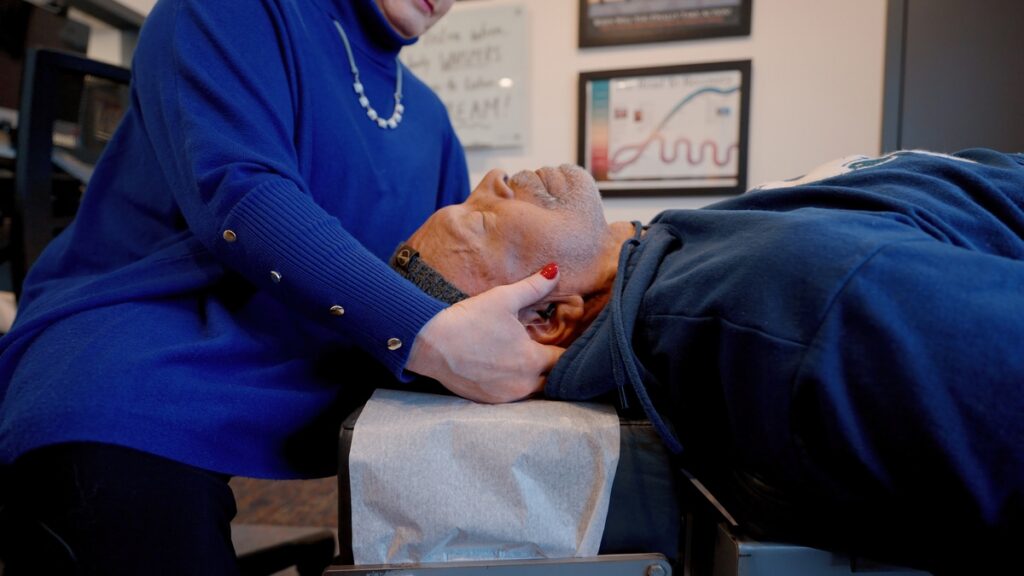
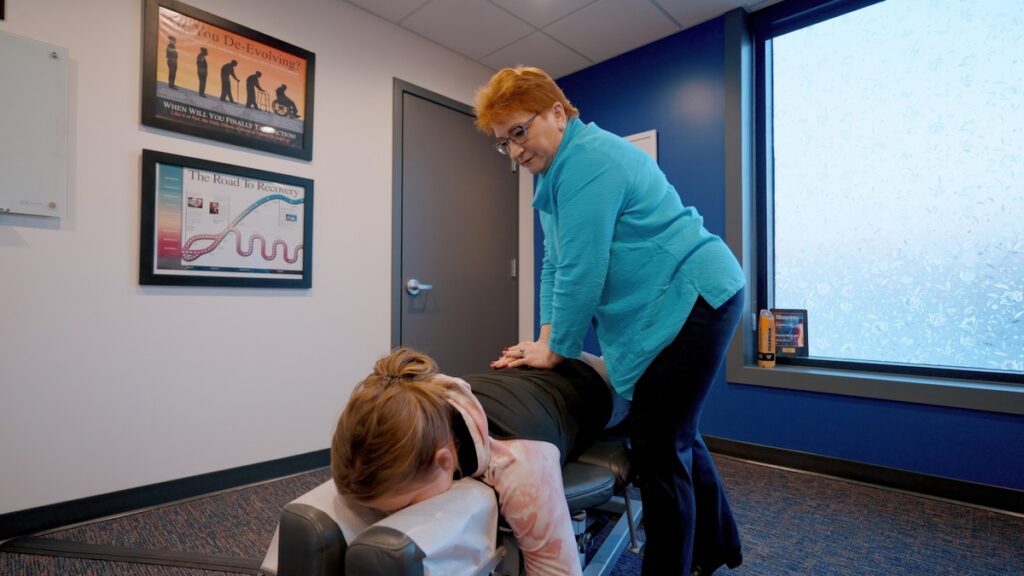
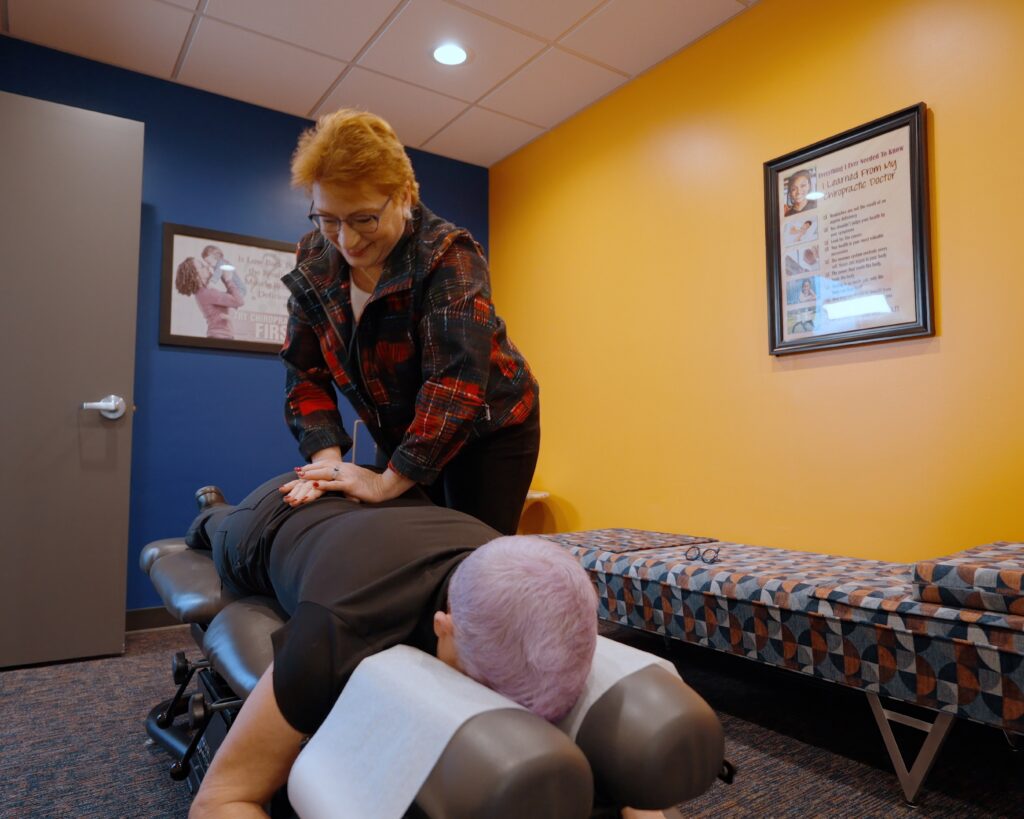
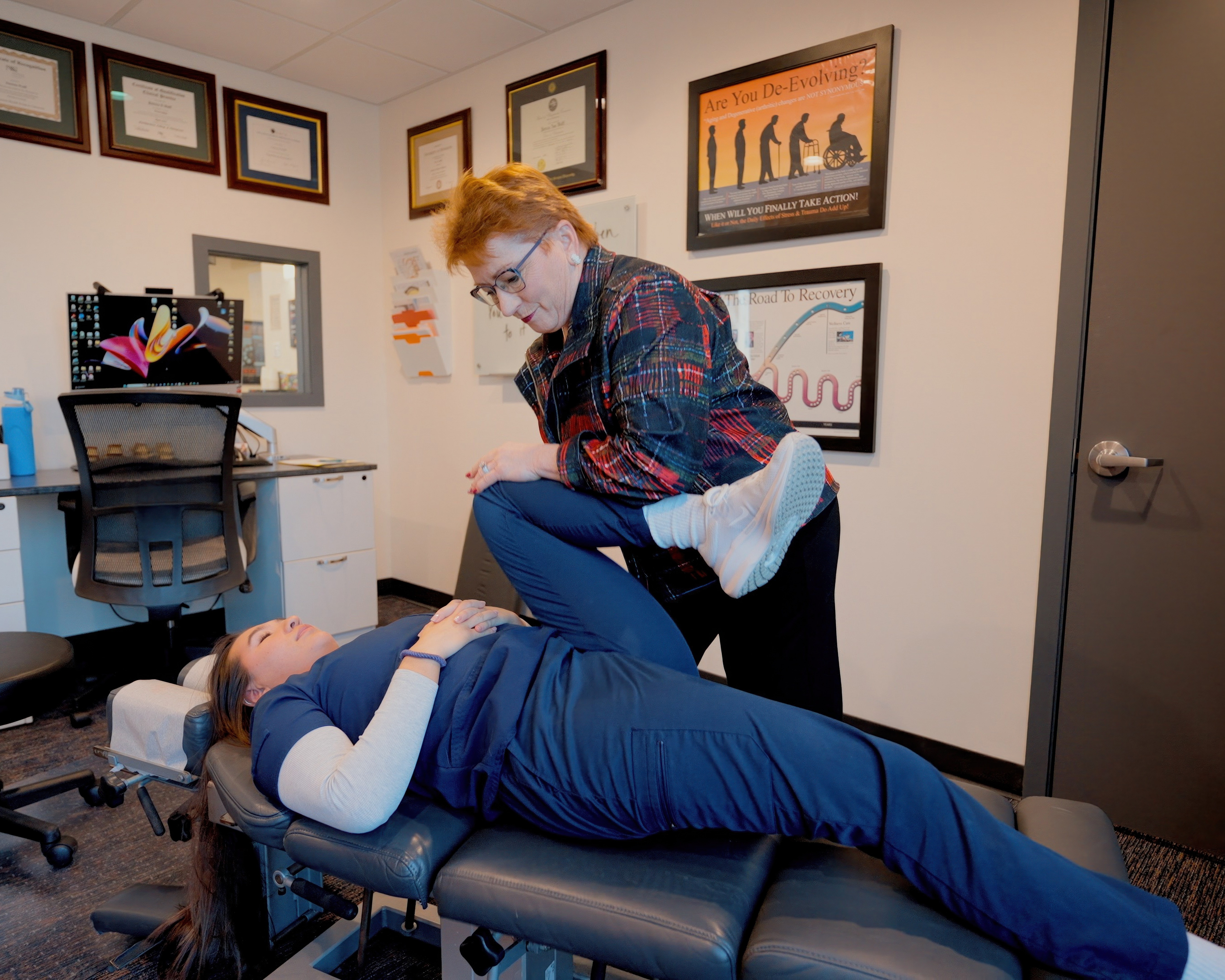
Spinal adjustments — also called spinal manipulative therapy — are the cornerstone of chiropractic treatment for sciatica. These precise, gentle movements are designed to restore proper alignment and mobility to the joints of the lumbar spine and pelvis. When spinal joints are restricted or misaligned, they can contribute to muscle tension, disc stress, and nerve impingement. Restoring that motion may help reduce pressure on the sciatic nerve and support the body’s natural healing process.
Research suggests that spinal manipulation can be effective for reducing pain and improving function in patients with acute and chronic low back pain with radiating symptoms. Organizations such as the American College of Physicians (ACP) include spinal manipulation among recommended first-line conservative treatments for low back pain. While evidence specifically focused on sciatica continues to evolve, many patients at Natural Ways Chiropractic in Roseville, MN report meaningful improvement with consistent chiropractic care.
Beyond adjustments, chiropractors may incorporate soft tissue therapy, rehabilitative exercises, and postural coaching to address the full picture of what’s driving the nerve irritation. The goal is not just short-term relief — it’s helping your body function better over the long term.
What to Expect at Natural Ways Chiropractic
If you’re considering chiropractic care for sciatica and you’re not sure what the process looks like, here’s a clear picture of what typically happens at Natural Ways Chiropractic in Roseville, MN.
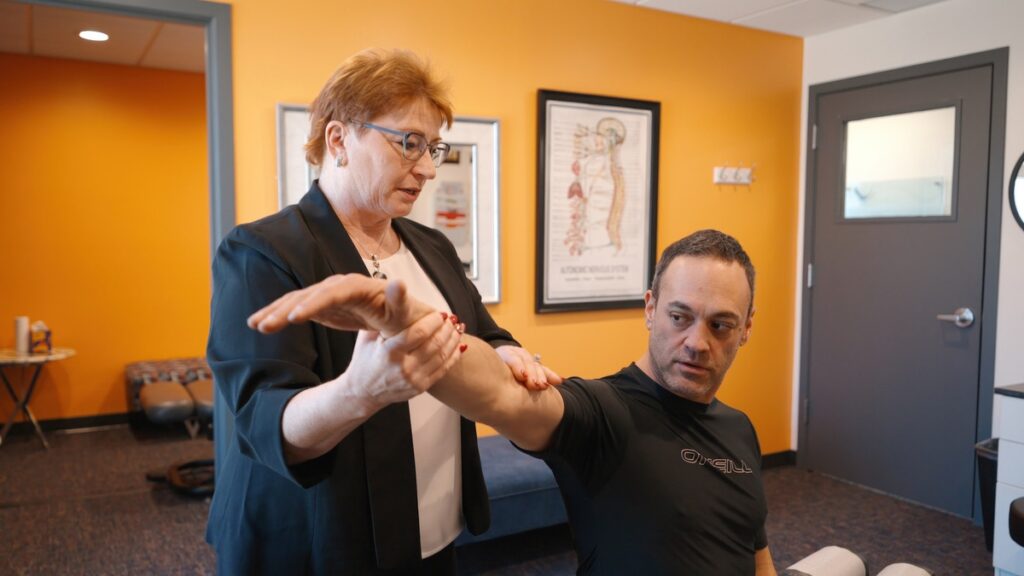
Your first visit will begin with a thorough consultation and health history review. Dr. Trish Wolff will ask detailed questions about your pain — where it started, when it’s worst, what makes it better or worse, and how it’s affecting your daily life. This conversation matters enormously, because sciatica can stem from several different underlying causes, and the treatment approach should reflect your specific situation.
A physical examination follows, which typically includes an assessment of your posture, spinal range of motion, reflexes, muscle strength, and neurological function in the affected leg. In some cases, imaging such as X-rays may be recommended to get a clearer picture of the spinal structures involved. Dr. Trish Wolff uses all of this information to build a care plan that is individualized — not a one-size-fits-all protocol.
Chiropractic adjustments are typically gentle and well-tolerated. Patients sometimes feel mild soreness in the first day or two as the body adapts, which is completely normal. Over time, many people notice a gradual decrease in the intensity, frequency, and duration of their sciatica symptoms. Progress is tracked regularly so that the care plan can be adjusted as your body responds.
Practical Tips for Managing Sciatica at Home
Chiropractic care works best when it’s supported by healthy daily habits. There are several things you can do at home to complement your treatment and reduce the likelihood of flare-ups.
Pay close attention to how you sit. Prolonged sitting — especially in a slouched or rounded position — is one of the most common aggravating factors for sciatica. If you work at a desk, make sure your chair supports your lower back and that your hips are roughly level with or slightly higher than your knees. Taking regular standing or walking breaks every 30 to 45 minutes can make a significant difference.
Gentle movement is your friend, even when you’re in pain. While it’s important not to push through sharp or worsening symptoms, staying completely still for extended periods often makes sciatica worse. Light walking and gentle stretching — particularly for the hip flexors, piriformis, and hamstrings — can help maintain circulation and reduce nerve tension. Dr. Trish Wolff can guide you on which specific movements are appropriate for your condition.
Sleeping position also matters. Many patients with sciatica find relief by sleeping on their side with a pillow between their knees, which helps keep the pelvis and spine in a more neutral alignment. Sleeping on your stomach is generally discouraged, as it places added stress on the lumbar spine and can intensify nerve irritation.
When to See a Chiropractor for Sciatica
Many people wait too long before seeking care for sciatica, hoping it will resolve on its own. While mild cases sometimes do improve with rest and basic self-care, symptoms that persist beyond a few weeks — or that are severe enough to interfere with your work, sleep, or daily activities — deserve professional evaluation.
Sciatica that keeps coming back, or that has become progressively worse over time, is another strong indicator that a structural issue needs to be properly addressed. Chiropractic care is particularly well-suited for patients in the early-to-moderate stages of sciatic nerve involvement, before symptoms become chronic and entrenched.
There are certain red flags that warrant immediate medical attention rather than chiropractic care. These include loss of bladder or bowel control, severe and rapidly progressing leg weakness, or pain following a significant trauma or injury. If you experience any of these, please seek emergency medical care right away. For everything else, a consultation with Dr. Trish Wolff at Natural Ways Chiropractic in Roseville, MN is a great place to start.
|
Symptom or Situation |
Likely Appropriate Next Step |
|---|---|
|
Mild radiating leg pain lasting less than 2 weeks |
Self-care (rest, movement, ice/heat) with monitoring |
|
Pain persisting 2–6 weeks with no improvement |
Chiropractic evaluation recommended |
|
Recurring sciatica flare-ups over months |
Chiropractic care and postural/lifestyle assessment |
|
Numbness or tingling in leg or foot |
Prompt chiropractic or medical evaluation |
|
Muscle weakness in leg or foot drop |
Medical evaluation; coordinate with chiropractic care |
|
Loss of bladder or bowel control |
Emergency medical care immediately |
Myths vs. Facts About Sciatica and Chiropractic Care
Myth: Sciatica always requires surgery to get better.
Fact: The vast majority of sciatica cases resolve with conservative care — including chiropractic treatment, physical rehabilitation, and lifestyle adjustments. Surgery is typically considered only when conservative approaches have been thoroughly tried without success, or in rare cases where there is severe neurological compromise. Most patients never reach that point.
Myth: Resting completely is the best thing you can do for sciatica.
Fact: While some rest during an acute flare is understandable, prolonged bed rest is not recommended and can actually slow recovery. Evidence indicates that staying gently active — with guidance from your care provider — leads to better outcomes than complete inactivity. Movement promotes circulation, reduces muscle stiffness, and supports nerve healing.
Myth: Chiropractic adjustments will make sciatica worse.
Fact: When performed by a trained chiropractor following a proper evaluation, spinal adjustments are considered safe for most sciatica presentations. Dr. Trish Wolff at Natural Ways Chiropractic carefully assesses each patient before recommending any treatment, ensuring that the approach is appropriate for the individual’s condition and overall health.
Myth: Sciatica is just a normal part of getting older.
Fact: While the risk of certain contributing factors — like disc degeneration and spinal stenosis — does increase with age, sciatica is not an inevitable part of aging. Many adults maintain strong, healthy spinal function well into their later years with proper care, movement habits, and proactive musculoskeletal support.
Myth: If the pain goes away, the problem is solved.
Fact: Pain relief is an important milestone, but it doesn’t always mean the underlying cause has been fully corrected. Addressing the structural and lifestyle factors that contributed to sciatica in the first place is essential for preventing recurrence — which is why finishing a course of care and following through on maintenance recommendations matters.
Final Thoughts
Sciatica can feel overwhelming, especially when the pain is constant and every movement seems to make it worse. But it’s important to know that you have real, effective options — and that living in chronic pain is not something you simply have to accept.
At Natural Ways Chiropractic in Roseville, MN, Dr. Trish Wolff is passionate about helping members of this community understand their bodies and find lasting relief through safe, natural, and individualized care. Whether you’re just starting to notice sciatic symptoms or you’ve been dealing with them for years, there is a path forward — and it starts with getting the right evaluation.
If you’re in the Roseville area and you’ve been searching for answers about your sciatica, we’d love to be a resource for you. The team at Natural Ways Chiropractic is here to listen, evaluate, and guide you toward better function and less pain — one step at a time.
Frequently Asked Questions
How long does it take for chiropractic care to help with sciatica?
The timeline varies depending on the severity and underlying cause of your sciatica. Some patients notice improvement within a few visits, while others with more chronic or complex presentations may take several weeks to experience significant relief. Dr. Trish Wolff will give you a realistic expectation based on your individual assessment.
Is chiropractic treatment safe for sciatica?
For most patients, chiropractic care is considered a safe, non-invasive first-line approach to managing sciatica. A thorough evaluation is always performed before treatment begins to ensure the approach is appropriate for your specific condition. Patients with certain underlying health conditions may require modified techniques or referral to another provider.
Can sciatica come back after chiropractic treatment?
Sciatica can recur, especially if the contributing lifestyle or postural factors are not addressed. That’s why chiropractic care at Natural Ways Chiropractic focuses not only on relieving pain but on educating patients about habits and movement patterns that can reduce the risk of future flare-ups.
Do I need an X-ray or MRI before seeing a chiropractor for sciatica?
In many cases, imaging is not required before beginning chiropractic care for sciatica. However, Dr. Trish Wolff may recommend X-rays or refer you for additional imaging if there are specific findings during your exam that warrant a closer look at the spinal structures involved.
What is the difference between sciatica and general low back pain?
General low back pain stays localized in the lumbar region, while sciatica involves radiating pain that travels along the sciatic nerve pathway — typically down the buttock and into one leg. The presence of leg symptoms, numbness, or tingling distinguishes sciatica from a more localized back issue.
Can I see a chiropractor for sciatica if I’m pregnant?
Yes — pregnancy-related sciatica is quite common, and chiropractic care can be a gentle, drug-free option for managing it. Chiropractors are trained to use modified techniques that are safe for pregnant patients. Always let your chiropractor know about your pregnancy so that care can be appropriately adapted.
TL;DR
-
Sciatica is pain that travels along the sciatic nerve, most often caused by a herniated disc, spinal stenosis, or piriformis muscle tension compressing the nerve.
-
Symptoms include radiating leg pain, numbness, tingling, and in some cases muscle weakness — and they can range from mild to severely disruptive.
-
Chiropractic care offers a non-surgical, drug-free approach that addresses the underlying spinal and mechanical factors contributing to sciatic nerve irritation.
-
Dr. Trish Wolff at Natural Ways Chiropractic in Roseville, MN creates individualized care plans that may include spinal adjustments, soft tissue work, and lifestyle guidance.
-
Most sciatica cases do not require surgery, and early conservative care — including chiropractic treatment — often leads to significant improvement and reduced risk of recurrence.