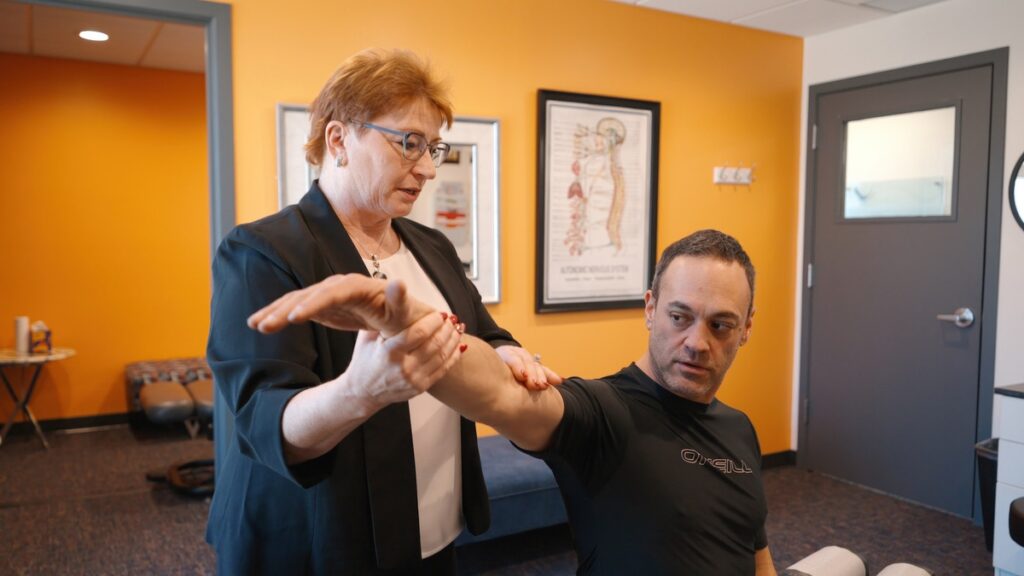
If you’re dealing with chronic back pain, know that you’re not alone, and there are effective natural solutions available to you. As a chiropractor, I believe that focusing on spinal health is key to achieving optimal wellness. By maintaining good posture, engaging in regular low-impact exercise, and incorporating gentle stretching into your routine, you can often find relief from back pain without the need for medications or invasive procedures.
One of the most impactful techniques for easing back pain is chiropractic care. Through targeted adjustments, a chiropractor can help restore proper alignment to your spine, which can alleviate pressure on nerves and reduce pain. Regular chiropractic visits not only address existing discomfort but also support your overall spinal health, helping to prevent future issues.
In addition to chiropractic adjustments, here are some general tips to support your back health:
- Practice Good Posture: Be mindful of your posture throughout the day. When sitting, keep your feet flat on the floor, your back straight, and your shoulders relaxed. This can significantly reduce strain on your spine.
- Stay Active: Incorporate low-impact exercises such as walking, swimming, or cycling into your routine. These activities can help strengthen the muscles that support your spine and improve flexibility.
- Gentle Stretching: Take time each day to perform gentle stretches for your back and surrounding muscles. This can help relieve tension and improve your range of motion.
- Ergonomic Support: If you spend long hours sitting, consider using ergonomic furniture that promotes better posture. A well-designed chair can make a big difference in your comfort levels.
- Mind Your Lift: Always bend at the knees and keep the object close to your body when lifting heavy items. This technique protects your back from unnecessary strain.
By exploring these natural solutions and prioritizing chiropractic care, you can achieve a more comfortable and active lifestyle. Let’s work together to support your back effectively and enhance your overall health!
Key Takeaways
- Incorporate regular low-impact exercises like walking and swimming into your routine. These activities not only help strengthen your back muscles but also improve flexibility, supporting your journey towards natural pain relief.
- Pay attention to your posture! Maintaining an aligned spine while sitting and standing significantly reduces stress on your back. Simple adjustments in your daily posture can make a big difference in your comfort levels.
- Focus on core-strengthening exercises, such as planks and bridges. A strong core provides essential support to your spine, helping to alleviate discomfort and promote overall spine health.
- Consider chiropractic care as a natural solution for your back pain. Regular spinal adjustments can promote healing and improve mobility without the need for medications or invasive procedures.
- Integrate mindfulness techniques into your daily life. These practices can help manage stress, enhance your awareness of body movements, and complement your chiropractic treatments for better results in managing chronic back pain.
By making these lifestyle adjustments and prioritizing chiropractic care, you can take significant steps towards achieving optimal health and well-being. Remember, your spine is the foundation of your body—caring for it naturally is the key to a pain-free life!
Understanding Chronic Back Pain
When you think about chronic back pain, it’s crucial to understand that it’s not just a fleeting discomfort; it can significantly affect your daily life.
This ongoing pain can arise from various causes, such as injuries, poor posture, or underlying health issues.
You might find that simple tasks, like bending down or lifting objects, become increasingly difficult.
Understanding the nature of your back pain is essential.
It may feel like a dull ache, a sharp sensation, or even pain that radiates down your legs.
Stiffness is also common, which can limit your movement and lead to frustration.
Emotional factors, such as anxiety or depression, can complicate your experience.
That’s why it’s important to address both your physical and mental well-being.
Chiropractic care is an excellent option for managing chronic back pain naturally.
Chiropractors focus on aligning your spine, which can help alleviate pain and improve your overall function.
By addressing the root cause of your discomfort, chiropractic treatments can provide lasting relief without the need for medications or surgeries.
In addition to chiropractic adjustments, here are some tips to help you manage your back pain and promote wellness:
1. Practice Good Posture: Be mindful of your posture when sitting, standing, and lifting.
Maintaining proper alignment can prevent strain on your back.
2. Stay Active: Regular low-impact exercises, such as walking or swimming, can strengthen your back muscles and improve flexibility.
3. Stretch Regularly: Incorporating gentle stretches into your daily routine can help relieve tension and keep your muscles supple.
4. Use Ergonomic Supports: If you sit for long periods, consider using chairs with proper lumbar support to maintain a healthy spine position.
5. Listen to Your Body: Pay attention to how your body feels and avoid activities that aggravate your pain.
Recognizing the complex nature of chronic back pain allows you to seek effective solutions, like chiropractic care, which can enhance your quality of life.
The Role of Physical Activity
Engaging in regular physical activity can significantly alleviate chronic back pain, and one of the best ways to achieve this is through chiropractic care. As a chiropractor, I want to emphasize that incorporating exercises that focus on flexibility and strengthening your core muscles won’t only enhance your overall stability but also promote natural healing and wellness.
By working with a chiropractor, you can receive personalized guidance that complements your exercise routine, ensuring that you’re performing movements safely and effectively. This tailored approach can make a real difference in reducing discomfort and improving your quality of life.
Here are some simple tips you can incorporate into your daily routine:
- Gentle Stretching: Start your day with gentle stretches to loosen up your spine and improve flexibility. Simple stretches can relieve tension and prepare your body for the day ahead.
- Core Strengthening: Engage in exercises that strengthen your core muscles, such as planks or bridges. A strong core supports your back and helps prevent future pain.
- Posture Awareness: Pay attention to your posture throughout the day, especially if you sit for long periods. Ensure your workstation is ergonomically set up to reduce strain on your back.
- Regular Movement: Incorporate regular movement into your day, whether it’s taking short walks or doing light exercises. Movement promotes spinal health and can help alleviate pain.
- Chiropractic Adjustments: Regular chiropractic adjustments can help align your spine and improve your overall function, making it easier to engage in physical activity without pain.
Benefits of Regular Exercise
Regular exercise is a key component in managing chronic back pain and achieving optimal health. As a chiropractor, I believe that engaging in physical activity not only strengthens your core muscles, which provide vital support to your spine, but also reduces strain on your back. When you move your body, you enhance blood circulation, ensuring that your muscles and tissues receive the nutrients they need for recovery.
Additionally, regular exercise can uplift your mood and alleviate stress, both of which can contribute to pain. Activities like walking, swimming, or cycling are excellent ways to stay active, as they promote better posture and flexibility. Maintaining a healthy weight is another important factor; it reduces unnecessary pressure on your back, which can lead to improved comfort.
Here are some simple tips to incorporate exercise into your routine:
- Start with short, gentle activities and gradually increase the intensity.
- Consider exercises that focus on core strength, as these can provide additional support to your spine.
- Don’t forget to stretch! Incorporating flexibility exercises can help prevent tightness in your muscles.
- Listen to your body—if something doesn’t feel right, consult with your chiropractor for personalized advice.
Stretching for Flexibility
Stretching is often an overlooked aspect of maintaining a healthy spine, yet it plays a crucial role in enhancing flexibility and ensuring overall mobility. As a chiropractor, I understand the importance of incorporating regular stretching into your daily routine. By doing so, you can improve your range of motion, alleviate tension, and significantly reduce your risk of injury.
It’s essential to engage in both dynamic stretching before your physical activities and static stretching afterward. This helps keep your muscles limber and relaxed, promoting spinal health. Focus on stretching key areas such as your back, hips, and legs—these are critical for maintaining proper posture and alignment.
I encourage you to set aside just a few minutes each day for stretching. Consistency is key; even a short daily routine can lead to significant improvements in your flexibility and overall well-being. As you become more flexible, you may notice less tension in your back, making everyday activities easier and more enjoyable.
In addition to stretching, consider visiting your chiropractor regularly to address any underlying spinal issues that may be contributing to discomfort or limited mobility. Chiropractic care is a natural and effective way to achieve optimal health and pain relief. Remember, your spine plays a vital role in your overall health, and caring for it should be a priority. Embrace stretching and chiropractic care as part of your journey towards a healthier, more active lifestyle!
Strengthening Core Muscles
Building a strong core is vital for supporting your spine and improving your overall health and wellness. A well-conditioned core not only stabilizes your body but also plays a key role in reducing the risk of injury and alleviating chronic back pain. As a chiropractor, I believe that strengthening your core can greatly enhance your spinal health and lead to a more active, pain-free life. Here are four simple exercises that can help you build core strength naturally:
- Planks: Get into a plank position by balancing on your forearms and toes. This engages your entire core and helps improve stability. Aim to hold the position for 20-30 seconds, gradually increasing your time as you get stronger.
- Bridges: Lie on your back with your knees bent and feet flat on the floor. Lift your hips towards the ceiling while squeezing your glutes. This exercise not only strengthens your core but also activates your lower back, supporting spinal alignment.
- Bicycle Crunches: Lie on your back and bring your knees up to a tabletop position. As you move your legs in a cycling motion, twist your torso to touch your elbow to the opposite knee. This targets your obliques and enhances your rotational strength, which is important for everyday movements.
- Dead Bug: Lie on your back with your arms extended towards the ceiling and your knees bent at a 90-degree angle. Slowly lower one arm and the opposite leg towards the floor while keeping your back flat. This exercise promotes coordination and stability, which are essential for core strength.
Incorporating these exercises into your routine can significantly improve your core strength, leading to better support for your spine and a decrease in back pain.
Stretching Techniques for Relief
When you integrate effective stretching techniques into your daily routine, you can significantly reduce chronic back pain and enhance your overall wellness. It’s essential to incorporate gentle stretches that focus on crucial muscle groups, such as the hamstrings, hip flexors, and lower back. One excellent stretch to start with is the seated forward bend: sit on the floor with your legs extended, and gently reach for your toes. This stretch not only eases tension in your back but also promotes flexibility in your hamstrings.
Another valuable stretch is the cat-cow pose. Position yourself on all fours and alternate between arching your back upward and allowing your belly to drop while looking up. This movement helps improve spinal flexibility and relieve built-up tension.
Remember to include side stretches in your routine. Stand tall, reach one arm overhead, and lean to the opposite side. Hold each stretch for 15-30 seconds while breathing deeply, as this promotes relaxation and helps your body release any tightness.
Regularly practicing these stretches can enhance your mobility, reduce discomfort, and make your daily activities easier and more enjoyable. However, remember that for comprehensive pain relief and optimal health, chiropractic care is an exceptional choice. A chiropractor can help identify the root causes of your pain, provide tailored adjustments, and support your journey towards natural healing and wellness. Embrace these stretches alongside chiropractic care to achieve the best results for your back health and overall well-being.
Strengthening Exercises to Support Your Back
Strengthening Exercises to Support Your Back
As a chiropractor, I believe that incorporating strengthening exercises into your routine can significantly enhance your back health and complement the benefits of regular chiropractic care.
These exercises are designed to build the muscles that support your spine, helping to reduce the risk of injury and alleviate discomfort. Here are four effective exercises you can easily integrate into your daily routine:
- Planks: This exercise helps engage your core, which is essential for supporting your spine. To perform a plank, lie face down and lift your body off the ground, resting on your forearms and toes. Keep your back straight and hold this position for 20-30 seconds. As you gain strength, try to increase the duration gradually.
- Bridges: Strengthening your glutes and lower back is crucial for overall spinal health. To do a bridge, lie on your back with your knees bent and feet flat on the floor. Lift your hips towards the ceiling while squeezing your glutes at the top. Hold for a few seconds before lowering back down. This exercise not only strengthens your muscles but also promotes better posture.
- Bird-Dogs: This exercise is fantastic for improving balance and core stability. Start on all fours, then extend one arm forward while simultaneously extending the opposite leg back. Hold for a moment to engage your core, then switch sides. This movement mimics the natural motion of the spine and helps in maintaining spinal alignment.
- Superman: This exercise targets your lower back muscles, which are essential for a healthy spine. Lie face down on the ground with your arms extended in front of you. Lift both your arms and legs off the ground simultaneously, squeezing your lower back muscles as you do so. Hold for a few seconds before lowering back down.
Incorporating these exercises into your daily routine can lead to lasting strength and relief.
Remember, while exercises are beneficial, regular chiropractic adjustments can further enhance your overall health, helping to align your spine and improve your body’s function. Together, these practices can promote a healthier, pain-free life.
If you experience any discomfort or need personalized guidance, don’t hesitate to reach out for chiropractic care—it’s a natural way to support your wellness journey!
The Benefits of Yoga and Pilates
While you may already know about traditional strengthening exercises, exploring the benefits of yoga and Pilates can significantly support your back health. These practices emphasize core strength, flexibility, and proper alignment—key elements for maintaining a healthy spine. In yoga, you’ll engage in poses that stretch and strengthen your back muscles, which can greatly improve your balance and posture. Pilates, on the other hand, focuses on controlled movements that target your core, helping to stabilize your spine and minimize strain on your back.
Incorporating yoga and Pilates into your routine can also help relieve tension and promote better blood flow to your back, aiding in natural healing. Both practices encourage mindfulness, making you more aware of how you move and position yourself throughout the day. This increased awareness often leads to better habits, which can reduce the risk of future injuries and discomfort.
However, while yoga and Pilates can be beneficial, it’s important to remember that chiropractic care is the best choice for achieving optimal health and pain relief. A chiropractor can help address the root causes of your back pain and provide personalized care that complements your wellness journey.
To support your back health, consider these tips:
- Stay Active: Engage in regular physical activity that includes exercises for strength, flexibility, and balance.
- Listen to Your Body: Pay attention to how your body feels during activities and adjust accordingly to avoid strain.
- Maintain Good Posture: Be mindful of your posture, especially when sitting for long periods. A chiropractor can provide guidance on maintaining proper alignment.
- Stay Hydrated: Drink plenty of water to keep your body hydrated and support the health of your spinal discs.
- Schedule Regular Chiropractic Visits: Regular adjustments can help keep your spine aligned and functioning properly, enhancing your overall wellness.
Combining the benefits of yoga and Pilates with chiropractic care can lead to a holistic approach to your back health, allowing you to live pain-free and embrace a healthier, more active lifestyle.
Mindfulness and Meditation Practices
As a chiropractor, I want to share how mindfulness and meditation can be valuable tools for managing chronic back pain. Incorporating these practices into your daily routine can’t only help relieve pain but also promote your overall well-being. While chiropractic care is the best choice for addressing spinal health, adding mindfulness techniques can enhance the benefits of your treatment.
Here are a few simple ways to incorporate mindfulness into your daily life:
- Breathing Exercises: Take a few moments each day to focus on your breath. Inhale deeply through your nose, hold for a moment, and then exhale slowly through your mouth. This practice can help reduce tension in your back and promote relaxation.
- Body Scan: Spend a few minutes lying down comfortably. Close your eyes and mentally scan your body from head to toe. Notice any areas of tension or discomfort, and consciously relax those areas. This can help you become more aware of your body and how it feels, which is vital in managing pain.
- Mindful Movement: Engage in gentle activities like walking or stretching while focusing on how your body feels. Pay attention to your posture and alignment, as this can help you maintain a healthy spine.
- Gratitude Practice: Each day, take a moment to think about what you’re grateful for. This positive focus can shift your mindset and help you cope better with pain.
- Regular Chiropractic Visits: Remember, regular chiropractic adjustments can greatly improve your spinal health and alleviate pain. By combining chiropractic care with mindfulness practices, you can achieve a more holistic approach to wellness.
By integrating these mindfulness techniques into your life, alongside regular chiropractic care, you can experience lasting benefits for your back and overall health. Remember, achieving optimal health is a journey, and every small step counts!
If you have any questions or need support, don’t hesitate to reach out.
Benefits of Mindfulness
How can incorporating mindfulness practices enhance your experience with chronic back pain while complementing chiropractic care? By fostering awareness and presence, mindfulness can empower you to manage pain more effectively alongside your chiropractic treatments. It allows you to shift your focus from discomfort to the present moment, creating a sense of control over your pain.
Here are some key benefits of integrating mindfulness into your daily routine:
- Reduced Stress: Mindfulness can significantly lower stress levels, which often intensifies pain. By managing stress, you create a more conducive environment for healing.
- Increased Resilience: Regular mindfulness practice helps you build a stronger mental framework to cope with discomfort, making you more resilient in the face of pain.
- Enhanced Body Awareness: Mindfulness improves your awareness of bodily sensations, helping you identify what triggers your pain. This insight can guide your chiropractic adjustments and self-care routines.
- Improved Emotional Regulation: Learning to respond to pain with greater calmness through mindfulness can prevent emotional escalation, allowing you to stay focused on your healing journey.
Incorporating mindfulness into your daily life can truly complement the benefits of chiropractic care. Here are some simple tips to get started:
- Practice Deep Breathing: Take a few moments each day to focus on your breath. Deep, slow breaths can help calm your mind and reduce tension in your body.
- Engage in Gentle Movement: Combine mindfulness with gentle stretches or yoga. This can enhance your awareness of how your body feels and can be beneficial for your spinal health.
- Create a Mindful Routine: Set aside time each day to sit quietly and observe your thoughts and feelings without judgment. This practice can help you stay connected to your body and better understand your pain.
Meditation Techniques for Relief
Incorporating meditation techniques into your daily routine can significantly support your journey towards managing chronic back pain. Mindfulness meditation is particularly effective; by focusing on your breath and observing your thoughts without judgment, you can cultivate a sense of calm that complements your chiropractic care. Try to set aside a few minutes each day to sit comfortably, close your eyes, and concentrate on your breathing—this practice can help alleviate stress that often exacerbates pain.
Visualization techniques can also play a crucial role in your healing process. Imagine a warm, soothing light surrounding your back, gradually easing tension with each breath. This mental imagery can enhance your body’s natural healing abilities and complement the adjustments you receive in chiropractic care.
Another beneficial approach is body scan meditation. This technique allows you to tune into areas of discomfort, promoting relaxation and increased awareness of your body. By regularly practicing these techniques, you can reduce stress and bolster your resilience to pain, which is essential for maintaining an active lifestyle.
Incorporating Mindfulness Daily
Integrating mindfulness into your daily routine can significantly enhance your overall well-being and help you manage chronic back pain more effectively. By focusing on the present moment and cultivating awareness, you can reduce stress and promote relaxation, which may alleviate discomfort associated with back issues. Here are some practical and easy ways to incorporate mindfulness into your day, all while supporting a healthy spine:
- Morning Breathing: Begin your day with five minutes of deep breathing. This simple practice not only calms your mind but also encourages proper posture and spinal alignment. Pay attention to the sensation of your breath as you inhale and exhale, setting a positive tone for the day ahead.
- Mindful Movement: Engage in gentle activities like yoga or tai chi that promote flexibility and strength in your back while allowing you to connect with your body. Focus on your movements and how they feel—this awareness can lead to better body mechanics and reduce the risk of injury.
- Body Scan: Take a few moments to mentally scan your body, starting from your toes and moving up to your head. Notice any areas of tension, especially in your back, and consciously relax those muscles. This practice can enhance your body awareness and help you identify potential issues before they become painful.
- Gratitude Journaling: Each day, write down three things you’re grateful for. This shift in focus can help brighten your mood and reduce the mental weight of chronic pain. A positive mindset not only impacts your emotional health but also encourages a healthier lifestyle and better coping strategies.
By incorporating these mindfulness practices into your everyday life, you empower yourself to manage pain more effectively. Remember, chiropractic care is an excellent complementary approach to support your journey towards optimal health and natural wellness. Regular adjustments can help maintain proper spinal alignment, enhance your body’s ability to heal, and reduce discomfort.
Prioritize your spinal health, and embrace a lifestyle that promotes both physical and mental well-being.
Acupuncture as a Natural Remedy
As you seek relief from chronic back pain, chiropractic care is a natural and effective remedy that focuses on optimizing your spinal health and overall well-being. Unlike other treatments, chiropractic adjustments work to realign the spine, improve mobility, and enhance your body’s ability to heal itself.
During your visits, I’ll assess your condition and create a personalized treatment plan tailored to your specific needs. You might experience a gentle popping or cracking sound during the adjustment, but most people feel immediate relief and a sense of relaxation afterward. With regular chiropractic care, many patients notice a significant decrease in pain levels and an increase in their energy and quality of life.
Incorporating chiropractic adjustments into your wellness routine can also complement other natural health practices, such as proper nutrition, regular exercise, and stress management techniques. Here are some tips to support your journey to better health:
- Stay Active: Engage in regular physical activity like walking, swimming, or yoga to strengthen your back muscles and improve flexibility.
- Maintain Good Posture: Pay attention to your posture while sitting, standing, or lifting to reduce strain on your spine.
- Use Ergonomic Furniture: Invest in chairs and desks that support proper alignment, especially if you work at a desk for long hours.
- Stay Hydrated: Drink plenty of water to keep your spinal discs hydrated and healthy.
- Practice Relaxation Techniques: Manage stress through deep breathing, meditation, or other relaxation methods to reduce tension in your body.
If you’re looking for a holistic and drug-free approach to managing chronic back pain, chiropractic care is an excellent choice. You might be pleasantly surprised by how much better you can feel with the right adjustments and lifestyle changes.
Let’s work together to help you achieve optimal health and wellness!
The Importance of Posture
Your posture is crucial in managing chronic back pain, and as a local chiropractor, I’m here to help you understand how simple adjustments can lead to significant improvements in your comfort and overall well-being. By adopting ergonomic sitting techniques and maintaining proper standing alignment, you can effectively reduce strain on your back.
Here are some easy tips you can implement right away:
- Sit Smart: When sitting, make sure your back is supported by your chair. Keep your feet flat on the ground and your knees at a right angle. If your chair doesn’t support your lower back, consider using a small cushion.
- Stand Tall: When standing, distribute your weight evenly on both feet, keeping your shoulders back and your head aligned over your spine. This posture minimizes stress on your back.
- Take Breaks: If you sit for long periods, take short breaks to stand, stretch, and walk around. This helps keep your spine flexible and reduces stiffness.
- Strengthen Your Core: A strong core supports your spine. Simple exercises like planks or bridges can help strengthen these muscles, providing better support for your back.
- Regular Chiropractic Care: Visiting a chiropractor can help ensure your spine is aligned and functioning optimally. Chiropractic adjustments can relieve pain and prevent future issues, allowing your body to heal naturally.
By focusing on these posture tips and incorporating chiropractic care into your wellness routine, you can take control of your back pain and enhance your quality of life.
Ergonomic Sitting Techniques
Proper sitting posture is crucial for both preventing and alleviating chronic back pain, which is something I, as a chiropractor, witness frequently in my practice. By sitting correctly, you not only support your spine but also reduce unnecessary strain that can lead to discomfort over time.
Here are four simple ergonomic sitting techniques to help you maintain good posture and promote overall spinal health:
- Feet Flat: Always keep your feet flat on the floor. If your chair is too high, consider using a footrest. This simple adjustment helps ensure proper leg positioning and promotes better circulation.
- Knees at Hip Level: Aim to have your knees at or slightly below hip level when seated. This alignment encourages your spine to maintain its natural curve, which is key for preventing pain.
- Back Support: Using a chair with built-in lumbar support is ideal. If your chair lacks this feature, placing a rolled towel or a small cushion in the lower back area can help support the natural curve of your spine and enhance your comfort.
- Screen Height: Position your computer screen at eye level. This adjustment will help prevent you from leaning forward or straining your neck, which can lead to tension and discomfort.
By incorporating these simple techniques into your daily routine, you can significantly improve your posture and help protect your spine. Remember, chiropractic care is an excellent choice for addressing any pain or discomfort you may experience. Regular adjustments can help keep your spine healthy, enhance your overall well-being, and support your journey toward a pain-free life.
Take charge of your health today!
Standing Alignment Tips
Maintaining good posture while standing is just as crucial as when you’re sitting, especially when it comes to your spinal health. Poor alignment can lead to chronic back pain and discomfort, which is why it’s essential to stay mindful of your body positioning.
Here are some simple tips to help you stand correctly and support your spine naturally:
- Feet Position: Keep your feet hip-width apart, distributing your weight evenly on both feet. This foundation helps maintain balance and stability.
- Engage Your Core: Gently engage your core muscles to provide support for your spine. A strong core acts like a natural corset, helping to keep your back aligned.
- Knees Slightly Bent: Ensure your knees are slightly bent rather than locked. This small adjustment can relieve pressure on your lower back.
- Relax Your Shoulders: Allow your shoulders to relax and fall back and down. This not only helps to open up your chest but also promotes better breathing and circulation.
- Head Alignment: Keep your head aligned with your spine, making sure your ears are above your shoulders. This positioning reduces strain on the neck.
- Avoid Leaning: Stay aware of your body to avoid leaning forward or backward. Leaning can strain your back and lead to discomfort over time.
By incorporating these standing alignment tips into your daily routine, you can greatly improve your posture and reduce back pain. Remember, chiropractic care is an excellent choice for achieving optimal health and natural pain relief.
Regular visits to a chiropractor can help maintain your spinal alignment, ensuring that your body functions at its best. Prioritizing your posture today can lead to a healthier, pain-free tomorrow!
Dietary Considerations for Back Health
A well-balanced diet is essential for supporting back health and alleviating chronic pain. The foods you choose can either fuel inflammation or help reduce it, making dietary considerations an important part of your overall wellness plan. Here are four key dietary tips to keep your back healthy and happy:
- Omega-3 Fatty Acids: Incorporate foods rich in omega-3s, such as fish, walnuts, and flaxseeds. These powerful nutrients help reduce inflammation, which can ease pain and improve joint health. By including omega-3s in your diet, you can support your body’s natural healing processes.
- Fruits and Vegetables: Load up on fruits and vegetables, especially dark leafy greens, berries, and citrus fruits. These colorful foods are packed with antioxidants that protect your body from oxidative stress and promote overall wellness. A diet high in fruits and veggies can help reduce pain and support your spine’s health.
- Lean Proteins: Choose lean protein sources like chicken, turkey, and legumes to support muscle repair and maintenance. Strong muscles are essential for a healthy back, and adequate protein intake can aid in recovery and strength-building, which aligns perfectly with the benefits of chiropractic care.
- Hydration: Don’t forget the power of hydration! Drinking plenty of water—aim for at least eight glasses a day—keeps your spinal discs healthy and prevents stiffness. Staying hydrated is a simple yet effective way to support your body and enhance the benefits you receive from regular chiropractic adjustments.
Remember, taking care of your back is about more than just exercises and chiropractic visits; it also involves nourishing your body with the right foods. By making these dietary choices, you can complement your chiropractic care and work toward achieving optimal health and natural wellness.
Your spine will thank you!
Exploring Alternative Therapies
While maintaining a balanced diet is important for managing chronic back pain, chiropractic care stands out as one of the best ways to support your recovery journey. As a chiropractor, I’ve seen firsthand how effective spinal adjustments can be in relieving pain and promoting overall wellness. By realigning your spine, we can alleviate pressure on nerves, reduce discomfort, and enhance your body’s natural healing abilities.
In addition to chiropractic adjustments, practices like acupuncture may offer benefits by targeting specific points in the body to relieve tension. However, it’s essential to prioritize chiropractic care for its direct impact on spinal health.
Incorporating gentle exercises like yoga and Pilates into your routine can also be helpful. These practices promote flexibility and strength, and when combined with chiropractic care, they can support better posture and pain relief.
Massage therapy is another complementary option that can help ease tight muscles around your back, but remember that chiropractic care addresses the root cause of pain by focusing on spinal alignment.
Lastly, don’t underestimate the power of mindfulness techniques such as meditation and deep breathing. These practices can help you manage pain perception and reduce stress, which is essential for overall wellness.
As you explore your options for pain relief, I encourage you to prioritize chiropractic care. It’s a natural, effective way to achieve optimal health and wellness. Remember to listen to your body and consult with your chiropractor to find the best approach for your individual needs.