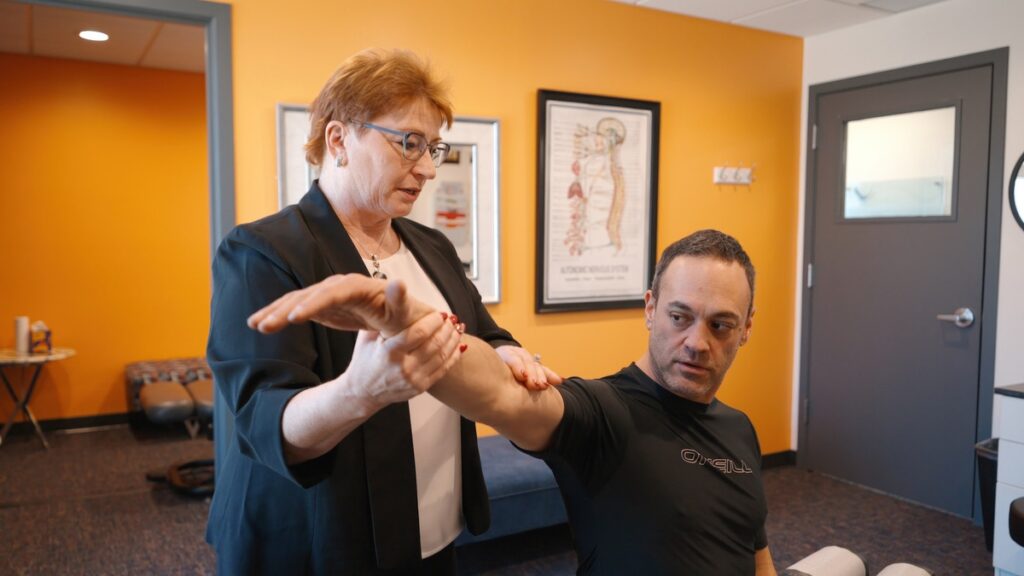
If you’re looking to improve your flexibility, understanding effective methods is key. As a chiropractor, I often emphasize the importance of incorporating a blend of dynamic warm-ups, static stretching, and mobility exercises into your daily routine. These techniques not only help enhance your range of motion but also play a crucial role in reducing the risk of injuries.
One of the best ways to start your journey to better flexibility is through dynamic warm-ups. These involve movements that prepare your muscles and joints for activity, enhancing circulation and flexibility. Simple exercises like leg swings and arm circles can be very effective.
Static stretching, on the other hand, involves holding stretches for a period of time to lengthen the muscles. This can be particularly beneficial after your workout, as it helps in recovery and promotes relaxation. Focus on major muscle groups, like your hamstrings and quadriceps, and hold each stretch for about 20-30 seconds.
Mobility exercises are also essential. These are movements that improve the range of motion in your joints. Incorporating exercises like hip openers and thoracic spine rotations can significantly enhance your overall flexibility.
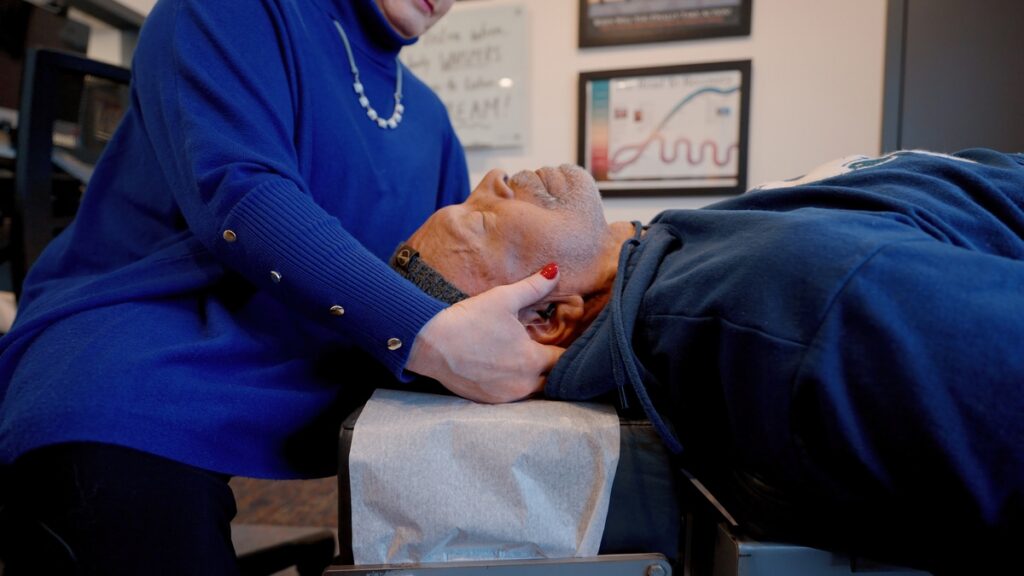
As you integrate these practices into your routine, remember that chiropractic care can support your flexibility journey. Regular adjustments can help align your spine, improve posture, and relieve tension, all of which contribute to better mobility and overall health.
For those curious about how to seamlessly include these practices into your lifestyle, start small. Dedicate just 10-15 minutes a day to these exercises and gradually increase the duration as you become more comfortable.
By prioritizing flexibility and considering chiropractic care, you’re taking a significant step towards achieving optimal health and wellness naturally. Always remember, your body is designed to move, and with the right techniques, you can enhance your flexibility and well-being.
Key Takeaways
- Incorporate daily stretching routines that focus on major muscle groups to enhance your overall range of motion and support spinal health. This can help alleviate tension and improve your posture.
- Engage in dynamic stretches before your workouts. This practice not only warms up your muscles but also prepares your spine for movement, enhancing flexibility and reducing the risk of injury.
- Consider foam rolling as a beneficial technique to relieve muscle tightness. It can promote recovery and improve blood flow, which is essential for maintaining a healthy spine.
- Practicing yoga or Pilates regularly can be highly beneficial. These disciplines encourage integrated flexibility, proper alignment, and improved posture, all of which complement chiropractic care for optimal wellness.
- Stay consistent with your flexibility training schedule. Keeping track of your progress can help you understand your body’s needs better and encourage you to maintain a routine that supports your spine and overall health.
Remember, chiropractic care is an excellent choice for those seeking natural relief from pain and a pathway to enhanced wellness. By combining these flexibility techniques with regular chiropractic adjustments, you can achieve a healthier, more balanced body.
Understanding Flexibility and Its Importance
Flexibility isn’t just about being able to touch your toes; it plays a crucial role in your overall health and physical performance, especially when it comes to spinal health. Flexibility refers to the ability of your muscles and joints to move through their full range of motion. When you maintain good flexibility, you can perform daily activities with ease—whether it’s bending down to pick something up or reaching for an item on a high shelf.
As a chiropractor, I want to emphasize how flexibility impacts your body and spinal health. Tight muscles can lead to discomfort, reduced mobility, and even injury. By improving your flexibility, you not only help maintain proper posture but also reduce muscle tension and enhance your overall physical performance. It’s essential to understand that flexibility goes beyond simple stretches; it involves a combination of strength and coordination, making it vital for all physical activities.
Here are some general tips to help you improve your flexibility and support your spinal health:
- Incorporate Regular Stretching: Dedicate a few minutes each day to stretch your major muscle groups. Gentle stretches can help improve your range of motion and relieve muscle tension.
- Focus on Your Core: A strong core supports your spine and helps maintain good posture. Include exercises that strengthen your abdominal and back muscles.
- Practice Good Posture: Be mindful of your posture while sitting, standing, and moving. Proper alignment can significantly reduce strain on your back and improve flexibility.
- Stay Hydrated: Drinking enough water is essential for muscle function and flexibility. Hydration helps keep your muscles and joints lubricated.
- Consider Chiropractic Care: Regular chiropractic adjustments can help improve your spinal alignment and mobility, making it easier to achieve and maintain flexibility.
Whether you’re an athlete or someone looking to stay active, prioritizing flexibility and spinal health should be part of your wellness journey. Remember, chiropractic care can be a vital tool in achieving optimal health and natural pain relief.
Embrace these tips, and you’ll be on your way to a more flexible, healthier you!
The Benefits of Improved Flexibility
Improving your flexibility is essential for enhancing your overall physical performance and can make everyday activities a breeze. As a local chiropractor, I want to emphasize that flexibility plays a key role in preventing injuries, allowing you to stay active and maintain your health.
When your muscles and joints are flexible, they work more efficiently, which can help reduce the strain on your spine and surrounding structures.
Additionally, better flexibility contributes to improved posture and alignment, leading to a more confident stance. This is particularly important for those who may spend long hours sitting at a desk or engaging in repetitive movements.
By incorporating flexibility exercises into your routine, you can support your spinal health and promote natural healing.
Here are some simple tips to improve your flexibility:
- Stretch Regularly: Aim to stretch major muscle groups at least three times a week. Focus on gentle stretches that feel good and help relieve tension.
- Warm-Up Before Exercise: Always take time to warm up your muscles before any physical activity. This can include light aerobic activity followed by dynamic stretches.
- Practice Deep Breathing: Incorporate deep breathing techniques into your stretching routine. This not only helps relax your muscles but also enhances oxygen flow to your tissues.
- Consider Chiropractic Care: Regular visits to your chiropractor can help maintain your spinal health and improve your flexibility. Chiropractic adjustments can alleviate tension and promote better mobility.
- Listen to Your Body: Pay attention to how your body feels during stretches. If you experience pain (beyond mild discomfort), ease off and consult with your chiropractor for personalized advice.
Enhanced Physical Performance
Unlocking your body’s potential begins with enhanced flexibility, which is crucial for overall physical performance. As a chiropractor, I emphasize the importance of flexibility not just for athletes, but for everyone looking to improve their daily movements. When you increase your flexibility, you broaden your range of motion, leading to more efficient movements during both workouts and everyday tasks.
This efficiency can significantly impact your strength, speed, and endurance, whether you’re lifting weights, jogging, or participating in recreational sports. Furthermore, improved flexibility contributes to better posture, which can further enhance your performance.
By incorporating flexibility training into your routine, you’ll notice how much easier it’s to perform exercises with control and precision, maximizing your efforts. As you develop your flexibility, you’re also paving the way for greater strength and agility, revolutionizing how you approach physical activities.
Chiropractic care can play a vital role in this journey. Regular adjustments can help align your spine and improve your overall mobility, which supports your flexibility efforts.
Additionally, I encourage you to adopt simple daily practices, such as stretching after workouts or integrating yoga into your routine, to maintain and improve your flexibility.
Embrace flexibility as a path to better health and wellness, and experience how it can elevate your physical performance. Remember, chiropractic care is here to support you on this journey towards optimal health and natural healing.
Reduced Risk of Injury
When you enhance your flexibility, you significantly lower your risk of injury during physical activities. As a chiropractor, I want you to understand that increased flexibility allows your muscles and joints to move more freely, which is essential in preventing common injuries like strains and sprains. When your body can stretch and contract efficiently, it absorbs shock better, reducing the impact on your joints. This means you’re less likely to suffer from overuse injuries that can keep you from enjoying your favorite activities for weeks on end.
Incorporating flexibility exercises into your daily routine is a great way to prepare your body for action and also aids in recovery after workouts. Simple stretches, yoga, or gentle movements can greatly improve your flexibility. Not only do these practices help you stay active and mobile, but they also promote better spinal health, which is crucial for overall well-being.
Improved Posture and Alignment
Enhanced flexibility is vital not only for preventing injuries but also for improving your posture and alignment, which are essential for your overall health. When your body is flexible, your muscles and joints can move freely, allowing you to maintain a natural, upright position. This helps alleviate strain on your spine and reduces the tendency to slouch, which can lead to discomfort and pain over time.
Improved posture can significantly enhance your appearance and boost your confidence. As you develop greater flexibility, you may also notice a smoother ease in everyday movements—whether you’re working at your desk or engaging in sports activities. Incorporating stretching and flexibility exercises into your daily routine can promote better alignment and reduce tension throughout your body.
As a chiropractor, I encourage you to consider chiropractic care as a holistic approach to achieving optimal health. Regular chiropractic adjustments can help align your spine, support your flexibility, and improve your posture. This natural healing method can lead to less tension and a more balanced body.
Here are some simple tips to help you on your journey to better posture and flexibility:
- Stretch Daily: Set aside a few minutes each day for gentle stretching. Focus on areas that feel tight, such as your neck, shoulders, and back.
- Mind Your Posture: Be conscious of how you sit and stand. Aim to keep your shoulders back and your spine straight.
- Take Breaks: If you sit for long periods, make sure to take regular breaks to stand, stretch, and walk around. This can help prevent stiffness and maintain good alignment.
- Stay Active: Engage in activities that promote flexibility, such as yoga or Pilates, which can also complement your chiropractic care.
- Consult a Chiropractor: Regular visits to a chiropractor can support your flexibility and posture goals. They can provide personalized advice and adjustments tailored to your needs.
Embrace these practices for a healthier, more aligned you! Remember, chiropractic care is a natural and effective way to support your journey toward better health and wellness.
Dynamic Stretching: Preparing Your Body for Movement
Dynamic stretching is a vital practice for warming up your body and boosting your overall performance, especially when it comes to maintaining a healthy spine. As a chiropractor, I emphasize the importance of preparing your muscles and joints before any physical activity to prevent injuries and enhance flexibility. In this article, we’ll explore some effective dynamic stretching techniques that you can easily incorporate into your routine.
Not only do these stretches promote better movement, but they also support spinal health by improving blood flow and flexibility in the surrounding muscles. By integrating dynamic stretching into your warm-up, you’re not just getting ready for exercise; you’re also taking proactive steps towards a healthier lifestyle.
It’s important to note that many people make common mistakes when stretching. For instance, rushing through stretches or not paying attention to proper form can lead to more harm than good. Always remember to listen to your body and ensure that you’re stretching in a controlled manner. This approach will help you maximize your flexibility gains while minimizing the risk of injury.
Ultimately, incorporating dynamic stretching into your daily routine is a natural way to enhance your wellness and maintain a healthy spine. If you’re struggling with pain or stiffness, consider consulting with a chiropractor who can guide you through personalized exercises that suit your specific needs. Chiropractic care not only addresses discomfort but also promotes overall health and well-being, helping you achieve optimal health naturally.
Benefits of Dynamic Stretching
Dynamic stretching is a valuable tool for preparing your body for movement, and as a chiropractor, I want to emphasize its importance in achieving optimal health and wellness. Unlike static stretching, which can sometimes leave your muscles feeling tight, dynamic stretches actively warm up your muscles and improve your range of motion. This is essential not just for flexibility, but also for maintaining a healthy spine and overall musculoskeletal function.
By incorporating dynamic stretching into your warm-up routine, you enhance blood flow to your muscles, which can lead to better flexibility and improved performance. These movements also activate key muscle groups, helping to stabilize your spine and reduce the risk of injury during your workouts. This is particularly important for those of you looking to maintain a strong, healthy back and body.
Moreover, dynamic stretching can enhance coordination and balance, which are crucial for overall athletic performance and daily activities. It also helps prepare your mind for physical activity, sharpening your focus and alertness. As you engage in these movements, remember that they should feel comfortable and controlled—never forced.
Here are some simple tips to incorporate dynamic stretching into your routine:
- Warm Up First: Start with a light activity like walking or jogging in place to get your blood flowing before you do dynamic stretches.
- Include Full-Body Movements: Focus on stretches that engage multiple muscle groups, such as leg swings, arm circles, or torso twists.
- Listen to Your Body: Pay attention to how your body feels during each stretch. If something feels uncomfortable or painful, ease up or modify the movement.
- Make It Part of Your Routine: Aim to include dynamic stretching in your warm-up before every workout or physical activity to ensure your body is prepared.
Effective Dynamic Stretching Techniques
To effectively prepare your body for movement and promote optimal health, incorporating specific dynamic stretching techniques can make a significant difference in your performance and flexibility. As a local chiropractor, I believe that these practices not only enhance your physical activity but also contribute to overall wellness and spinal health.
Start with leg swings; while standing on one leg, gently swing the other leg forward and backward. This movement helps to loosen your hips and improve your range of motion, which is essential for maintaining a healthy spine. Next, try arm circles to warm up your shoulders. Extend your arms out to the sides and make small circles, gradually increasing their size. This exercise is great for promoting shoulder mobility, which can help prevent discomfort and support proper posture.
Walking lunges are another fantastic dynamic stretch. Step forward into a lunge position, ensuring your front knee stays aligned with your ankle. This movement not only stretches your leg muscles but also engages your core, which is vital for maintaining a strong and stable spine.
Don’t forget high knees; while jogging in place, lift your knees towards your chest. This exercise increases your heart rate and enhances blood flow, preparing your body for activity and reducing the risk of injury.
Incorporating these dynamic stretches into your routine can engage multiple muscle groups and help you achieve a more flexible and resilient body. Remember, regular chiropractic care can further support your journey toward optimal health by addressing any spinal misalignments and enhancing your body’s natural healing abilities. Prioritize your wellness by integrating these techniques into your warm-up, and consider visiting your chiropractor for personalized guidance on maintaining a healthy spine and overall well-being.
Common Mistakes to Avoid
When preparing your body for movement through dynamic stretching, it’s crucial to avoid common mistakes that could hinder your progress and increase the risk of injury. As a local chiropractor, I believe that taking care of your body through safe practices is essential for maintaining optimal health and wellness. Here are some pitfalls to watch out for, along with helpful solutions:
| Mistake | Impact | Solution |
|---|---|---|
| Skipping Warm-Up | Increases risk of injury | Always start with a light jog or gentle movement to get your blood flowing. |
| Overstretching | Can cause muscle strain | Focus on stretching within a comfortable range that feels good. |
| Holding Stretches | Reduces effectiveness | Keep your movements fluid and continuous to maintain the benefits of dynamic stretching. |
| Rushing Through Movements | Limits muscle engagement | Take your time and focus on controlled, deliberate motions to ensure your muscles are properly engaged. |
| Not Focusing on Breath | Increases tension in your body | Maintain steady, rhythmic breathing to help relax your muscles and enhance your performance. |
Static Stretching: Enhancing Length and Range
Static stretching is an excellent way to enhance the length and flexibility of your muscles, which can contribute to better overall health and wellness. As a local chiropractor, I emphasize the importance of incorporating static stretching into your routine, especially after workouts. By holding stretches for 15 to 60 seconds, you’re not only signaling your muscles to relax and elongate but also promoting a healthier spine and body over time.
Focus on major muscle groups such as your hamstrings, quadriceps, and shoulders—these areas often hold tension. It’s important to listen to your body and pay attention to areas that feel tight, as they may indicate where your body needs a little extra care.
To maximize the benefits of static stretching, remember to breathe deeply and maintain a relaxed posture. Avoid bouncing or forcing your stretches, as this can lead to injury and discomfort. Instead, ease into each position and allow your body to guide you. Consistency is key; aim to stretch 2-3 times a week for noticeable improvements in your flexibility and range of motion.
Not only does static stretching help you feel more limber, but it can also reduce muscle soreness and enhance your overall performance. Incorporating these stretches into your routine can support your natural healing process, improve spinal health, and prepare your body for your next workout. Remember, chiropractic care is a powerful partner in achieving and maintaining optimal health, so consider visiting your local chiropractor for personalized guidance and support on your wellness journey.
Foam Rolling: Myofascial Release for Flexibility
Foam rolling is an excellent tool for enhancing flexibility and promoting overall wellness through myofascial release. This technique targets tightness in your muscles and connective tissues, helping to alleviate discomfort and improve mobility. By applying gentle pressure to specific areas, you can break down muscle knots and enhance blood flow, which supports recovery and increases flexibility.
To get started with foam rolling, select a foam roller that meets your needs—whether that’s a standard roller or one with textured surfaces for deeper pressure. As you begin, roll slowly over areas that feel tight or uncomfortable, pausing on those spots for about 20-30 seconds. It’s particularly beneficial to focus on major muscle groups like your calves, quads, and back. Remember, there’s no need to rush; take your time to let your body respond to the pressure.
For optimal results, aim for foam rolling sessions of about 10-15 minutes a few times a week. Pair this practice with a regular stretching routine to maximize your flexibility gains. Incorporating foam rolling into your wellness regimen can lead to improved mobility and reduced muscle tension.
As a chiropractor, I encourage you to consider chiropractic care as a vital component of your journey to optimal health. Regular chiropractic adjustments can help align your spine, enhance your body’s natural healing processes, and further support your overall flexibility and wellness goals. By focusing on a holistic approach to health, you can achieve lasting results without relying on medications or invasive procedures.
Yoga: A Holistic Approach to Flexibility
Incorporating practices like foam rolling into your routine is a great start for enhancing flexibility, but combining these with chiropractic care can take your wellness to the next level. Chiropractic care focuses on aligning your spine and optimizing your nervous system, which is crucial for overall health and mobility. When your spine is in alignment, your body functions better, allowing you to engage more fully in activities like yoga.
Yoga is more than just stretching; it connects your mind, body, and breath. This connection helps you become more aware of muscle tension, enabling you to release it effectively. However, regular chiropractic adjustments can further enhance this awareness and support your practice, ensuring that your spine and joints are functioning optimally.
Through various yoga poses, you can elongate muscles and open up joints, which promotes a greater range of motion. Each class combines strength, balance, and flexibility, making it a comprehensive workout. But remember, it’s essential to maintain spinal health through chiropractic care to support these efforts.
Moreover, the breathing techniques you learn in yoga not only aid relaxation but also improve oxygen flow, which is vital for muscle recovery. By pairing these techniques with chiropractic adjustments, you can enhance your overall wellness and experience more profound benefits from your yoga practice.
As you embark on your journey to better flexibility and health, consider scheduling regular chiropractic visits. This won’t only help you relieve pain naturally but also support your body’s ability to move freely and healthily. Remember to listen to your body, stay hydrated, and maintain good posture both in and out of your yoga practice for optimal results.
Incorporating Flexibility Training Into Your Routine
While many people focus on strength training and cardio, incorporating flexibility training into your routine is essential for enhancing overall performance and well-being. As a chiropractor, I often see how flexibility impacts spinal health and overall body function. Start small by dedicating just 10 to 15 minutes a few times a week to gentle stretching exercises. Before workouts, consider dynamic stretches to prepare your muscles and static stretches afterward to promote recovery, which can help alleviate tension in the spine.
Exploring activities like yoga or Pilates can also be beneficial, as they naturally integrate flexibility training and emphasize alignment and posture. To make flexibility work a priority, schedule it in your calendar, treating it like any other important appointment.
Listen to your body—if a stretch feels uncomfortable, it’s important to ease off to avoid strain. Consistency is key; aim to gradually increase your range of motion over time without pushing too hard. With commitment, you’ll notice improvements in your flexibility, which can lead to better posture, reduced risk of injury, and enhanced athletic performance.
Common Mistakes to Avoid in Flexibility Training
Many individuals overlook important elements of flexibility training, which can impede their progress and potentially lead to injuries. One of the most common mistakes is skipping the warm-up. It’s crucial to prepare your muscles before diving into stretches. This preparation helps to reduce the risk of strains and prepares your body for the movements ahead. Remember, a simple warm-up can make a world of difference.
Another mistake to avoid is pushing yourself too hard. Flexibility is something that develops over time, and forcing a stretch can lead to tears in your muscles. Instead, listen to your body and allow it to ease into each stretch naturally. Gradual improvement is key.
Breathing is another vital component that many people neglect. Holding your breath while stretching can restrict oxygen flow, which may cause your muscles to tighten up instead of relax. Focus on deep, steady breathing to enhance your flexibility and support your overall wellness.
It’s also important not to concentrate on just one area of your body. Aim for a balanced flexibility routine that includes all muscle groups. This approach helps prevent imbalances and supports your overall body alignment, which is essential for maintaining spinal health.
Lastly, consistency is crucial. Flexibility requires regular practice, so try to establish a routine that fits your lifestyle. By committing to your flexibility training, you’ll notice real improvements over time.
As a chiropractor, I emphasize the importance of caring for your body holistically. Incorporating flexibility training into your wellness routine, along with regular chiropractic care, can help you achieve optimal health and pain relief naturally. By avoiding these common pitfalls, you can enhance your flexibility safely and effectively, leading to a healthier, more balanced life.
Tracking Progress: How to Measure Your Flexibility Gains
To truly benefit from your flexibility training, tracking your progress is essential, especially for those seeking natural wellness and optimal health through chiropractic care. Regularly measuring your flexibility not only helps you identify improvements but also highlights areas that may need attention, which can be important in maintaining overall spinal health.
Start by taking baseline measurements. A simple test like the sit-and-reach can effectively gauge your initial flexibility levels. Record your results in a journal or an app to keep track of your progress over time.
Set specific, achievable goals, such as increasing your reach by a certain number of inches within a specific timeframe. Regular reassessment of your flexibility every few weeks is crucial to see how you’re progressing. Make sure to perform the same stretches consistently; this will help ensure that any comparisons you make are accurate.
Additionally, consider taking progress photos or videos to visually document your gains. These visuals can serve as great motivation and may reveal changes that mightn’t be as obvious through measurements alone. Remember to celebrate your milestones, no matter how small, as these achievements will keep you encouraged and focused on your flexibility journey.
Incorporating chiropractic care into your flexibility training can further enhance your progress. Chiropractors can help address any spinal misalignments that may be limiting your range of motion, allowing for a more effective and holistic approach to improving flexibility. By maintaining a healthy spine, you’re setting the foundation for better overall wellness.
As you work towards your flexibility goals, stay committed to a routine that includes regular chiropractic adjustments, proper stretching techniques, and a balanced lifestyle. This approach not only supports your flexibility but also promotes pain relief and overall health.