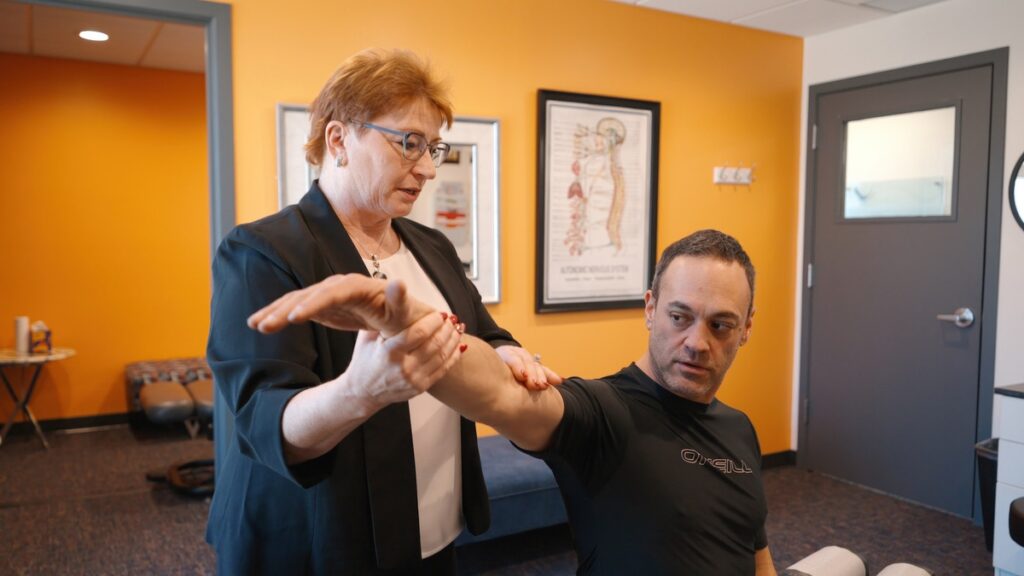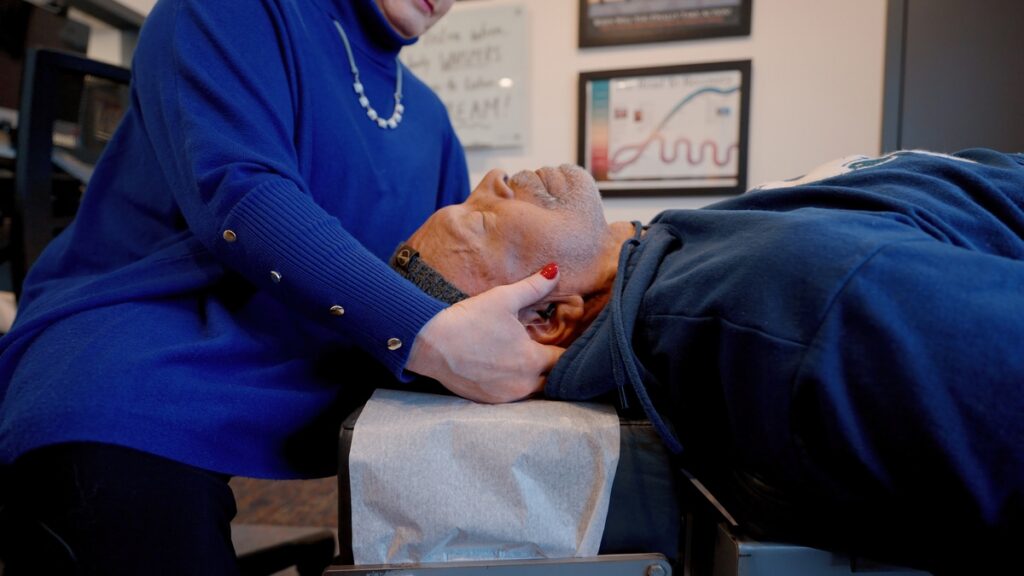
Unlocking your body’s potential for ultimate flexibility is more attainable than you might think, especially with the right approach to your health and wellness. As a chiropractor, I believe that incorporating mindful movement into your daily routine can significantly enhance your range of motion and reduce discomfort without the need for medications or invasive procedures.
It’s not just about stretching; it’s about understanding your body and its unique needs. By focusing on spinal health and alignment through chiropractic care, you can improve your overall flexibility and well-being. Regular chiropractic adjustments help to alleviate tension and improve mobility, setting the stage for a more flexible body.
As you explore different techniques and routines, consider these tips to support your journey toward greater flexibility:
- Listen to Your Body: Pay attention to how your body feels during different movements. If something doesn’t feel right, it’s a sign to adjust your approach.
- Incorporate Gentle Stretches: Start with simple stretches that target key muscle groups. Stretching should feel good, not painful.
- Stay Consistent: Make stretching and mindful movement a regular part of your routine. Consistency is key to seeing progress.
- Focus on Your Spine: A healthy spine is crucial for overall flexibility. Regular chiropractic check-ups can help ensure that your spine is properly aligned, reducing tension and promoting mobility.
- Hydrate and Nourish: Proper hydration and nutrition can support muscle health and flexibility. Make sure to drink plenty of water and eat a balanced diet rich in nutrients.
By integrating these practices into your lifestyle and considering chiropractic care as a natural way to achieve optimal health, you can take significant strides toward unlocking your body’s flexibility potential. What’s the next step in this journey toward flexibility? Schedule a visit with a chiropractor to discuss a personalized plan tailored to your needs!
Key Takeaways
Unlock Your Body’s Potential for Ultimate Flexibility with Chiropractic Care
- To improve your flexibility, it’s essential to establish a daily stretching routine. Aim for at least 10-15 minutes each day to reap the full benefits. Regular stretching not only enhances flexibility but also helps alleviate tension in your muscles.
- Begin your routine with gentle dynamic stretches to warm up your muscles. This is crucial as it prepares your body for deeper, static stretches that promote relaxation and further enhance flexibility.
- While stretching, pay close attention to your breath. Controlled breathing can help you relax, allowing your muscles to stretch more effectively and improving your range of motion.
- Chiropractic care plays a vital role in supporting your overall health and flexibility. By ensuring that your spine is properly aligned, chiropractic adjustments can enhance your body’s natural ability to move freely and comfortably. Regular visits to your chiropractor can help you maintain optimal spinal health, which is essential for your flexibility journey.
- To monitor your progress, consider using simple flexibility assessments, such as the Sit-and-Reach Test. This will help you track your improvements over time and keep you motivated on your path to greater flexibility.
Remember, incorporating chiropractic care into your wellness routine can significantly boost your flexibility and overall health. By taking these simple steps, you can unlock your body’s potential for ultimate flexibility and enjoy a more active, pain-free lifestyle.
Understanding Flexibility: The Science Behind It
When you think about flexibility, you might picture gymnasts bending and stretching with incredible ease. However, flexibility isn’t just about impressive athletic feats; it’s a crucial element of your overall health and well-being.
At its core, flexibility refers to the range of motion in your joints and the elasticity of your muscles and connective tissues. Several factors influence your flexibility, including your age, genetics, and level of physical activity.
Incorporating regular stretching and activities that promote flexibility into your routine can significantly benefit your body. When you stretch, you not only enhance your range of motion but also support the health of your muscles and tendons. The more you commit to flexibility exercises, the more your body adapts, leading to improved flexibility over time.
As a chiropractor, I emphasize the importance of flexibility for maintaining a healthy spine and preventing pain. When your body is flexible, it moves more efficiently, reducing the risk of injury and discomfort during daily activities. Here are some helpful tips to enhance your flexibility:
- Start Slow: If you’re new to stretching, begin with gentle movements. Gradually increase the intensity as your body adapts.
- Consistency is Key: Incorporate stretching into your daily routine, even if it’s just for a few minutes. Consistent practice will yield better results.
- Focus on Breath: While stretching, pay attention to your breath. Deep, controlled breathing can help you relax and improve your stretch.
- Listen to Your Body: Stretch to a point of mild discomfort but never into pain. It’s essential to respect your body’s limits.
- Consider Chiropractic Care: Regular chiropractic adjustments can enhance your flexibility by ensuring your spine is aligned and your muscles are functioning optimally. This holistic approach not only aids in pain relief but also supports your overall health and wellness.
The Benefits of Enhanced Flexibility
Enhanced flexibility can have a profound impact on your daily life, especially when it comes to supporting your overall health and wellness. As a chiropractor, I want to emphasize how flexibility plays a crucial role in maintaining a healthy spine and preventing discomfort. Improved flexibility enhances your range of motion, making everyday tasks like bending, reaching, and sitting much easier and more enjoyable.
When your body is flexible, you also perform better in physical activities. This means you can move with greater efficiency, which helps reduce the risk of injuries that often stem from muscle tightness and poor movement patterns. Incorporating flexibility exercises, such as gentle stretching or yoga, can complement your chiropractic care, promoting a healthy spine and body.
Additionally, enhanced flexibility helps alleviate muscle tension, which can speed up recovery after workouts and relieve the discomfort caused by daily stressors. You may also notice an improvement in your posture, which is essential in preventing back and neck pain. A well-aligned spine contributes to better overall health, and chiropractic adjustments can further support your flexibility goals.
Don’t forget that practicing flexibility can also benefit your mental well-being. Engaging in calming activities such as stretching can promote relaxation and focus, helping to reduce stress levels.
Lastly, improved flexibility can encourage better circulation, which is vital for boosting energy levels and supporting overall health. Embracing a routine that includes flexibility exercises alongside chiropractic care offers a holistic approach to enhancing your physical and mental quality of life. Remember, a healthy spine is the foundation of a flexible and active lifestyle, so consider incorporating these practices into your daily routine.
Common Myths About Stretching
Many people believe that stretching is the ultimate solution for preventing injuries and that static stretching is the best approach. However, these misconceptions can lead you astray when it comes to achieving true flexibility and wellness. As a local chiropractor, I want to help you understand the best ways to care for your body and maintain optimal health without relying on surgeries or medications.
First, let’s clarify a common myth: while stretching can be beneficial, it’s not a guaranteed way to prevent injuries. Instead, focus on maintaining a balanced approach to your physical activity. Incorporating chiropractic care into your routine can help align your spine and joints, reducing the risk of injury and improving your overall function.
Additionally, dynamic stretching—moving parts of your body through their full range of motion—can be more effective than static stretching, especially as part of a warm-up. This prepares your muscles and joints for activity without the risk of overstretching.
Here are some simple tips to enhance your flexibility and overall wellness:
- Stay Active: Engage in regular physical activity that includes strength training, cardiovascular exercise, and flexibility work. This balanced approach helps keep your body in top shape.
- Listen to Your Body: Pay attention to how your body feels during and after exercise. If you experience pain, consult your chiropractor for guidance. They can help identify any underlying issues that may need addressing.
- Incorporate Chiropractic Care: Regular chiropractic adjustments can help improve your spinal alignment, enhance mobility, and alleviate discomfort. This natural, holistic approach supports your body’s ability to heal and function optimally.
- Stay Hydrated: Proper hydration is key for muscle function and flexibility. Make sure you drink enough water throughout the day, especially before and after exercise.
- Practice Mindful Movement: Focus on proper form and technique during any physical activity to prevent strain and injury.
Stretching Prevents Injuries
While many people think that stretching is the best way to prevent injuries, it’s important to understand the bigger picture when it comes to maintaining your health and well-being. Stretching can certainly improve flexibility and range of motion, but it’s not a foolproof method for avoiding injuries. Often, injuries happen due to muscle imbalances, poor technique, or not being adequately conditioned for physical activities.
As a chiropractor, I encourage you to adopt a holistic approach to your fitness routine. This includes not only stretching but also incorporating strength training, proper warm-ups, and cool-downs. A well-rounded routine can enhance your body mechanics and significantly reduce the risk of injury.
In addition to these exercises, chiropractic care can play a crucial role in your overall health. Regular chiropractic adjustments help ensure that your spine is aligned and functioning properly, which is essential for optimal movement and posture. This can lead to improved flexibility and strength, further supporting your injury prevention efforts.
Here are some general tips to keep your body functioning at its best:
- Stay Active: Engage in regular physical activity that you enjoy, whether it’s walking, swimming, or dancing.
- Listen to Your Body: Pay attention to any discomfort or pain; don’t push through it. If you experience persistent issues, consider visiting a chiropractor for an assessment.
- Focus on Core Strength: A strong core supports your spine and helps prevent injuries. Incorporate exercises that target your abdominal and back muscles.
- Practice Good Posture: Whether sitting or standing, maintaining good posture can help reduce strain on your spine and muscles.
- Stay Hydrated: Proper hydration supports overall health and keeps your muscles functioning optimally.
Static Stretching Is Best
While many people think that static stretching is the key to achieving flexibility, it’s crucial to understand that it may not be the best option for everyone. Static stretching, which involves holding a stretch for a longer period, can be beneficial for some individuals, but it doesn’t always enhance performance or prevent injuries for others.
As a chiropractor, I encourage you to explore the benefits of dynamic stretching as well. This type of stretching warms up your muscles and enhances your range of motion more effectively before engaging in physical activity. A well-rounded approach that includes both static and dynamic stretches can be more beneficial for your body.
Listening to your body is essential. Tailor your stretching routine to align with your specific goals, activity level, and any physical limitations you may have. Remember, flexibility plays a vital role in overall health and wellness, and finding what works best for you is key to achieving it.
In addition to stretching, consider incorporating regular chiropractic care into your wellness routine. Chiropractic adjustments can help improve your spinal alignment, reduce pain, and enhance your overall flexibility. This natural approach promotes healing and can help you achieve optimal health without relying on medications or invasive procedures.
Here are a few tips to help you improve flexibility and overall wellness:
- Stay Consistent: Make stretching a regular part of your routine, ideally daily.
- Focus on Breath: Deep, controlled breathing while stretching can help relax your muscles and improve your range of motion.
- Warm-Up First: Always warm up your body before stretching to prevent injuries.
- Stay Hydrated: Drinking plenty of water helps keep your muscles hydrated and functioning properly.
- Seek Chiropractic Care: Regular visits to a chiropractor can help maintain proper alignment and support your flexibility goals.
Types of Stretching Techniques
As you explore the various types of stretching techniques, it’s essential to understand how each method can enhance your flexibility and overall performance, which in turn supports your spinal health. First up is static stretching. This involves holding a position for 15-60 seconds. This technique not only promotes relaxation but also helps to lengthen your muscles, making it a gentle way to improve your flexibility.
Next, we’ve dynamic stretching. This technique involves moving parts of your body through a full range of motion, which is excellent for preparing your muscles for activity. Think of exercises like leg swings or arm circles. Incorporating dynamic stretches into your routine can help prevent injuries and keep your spine healthy.
Another effective method is proprioceptive neuromuscular facilitation (PNF). This involves a combination of stretching and contracting your muscles, often with a partner’s assistance. While it’s a bit more advanced, many patients find it incredibly beneficial for enhancing flexibility. If you’re exploring ways to support your body’s natural healing processes, PNF can be a great addition.
Finally, we’ve ballistic stretching, which uses momentum to stretch your muscles. However, it’s worth noting that this technique carries a higher risk of injury and is generally not recommended for most individuals.
To maximize the benefits of these stretching techniques, consider incorporating a mix of them into your routine. Each offers unique advantages that can help unlock your body’s potential for flexibility, all while supporting your spinal health. Remember, chiropractic care plays a crucial role in maintaining your overall wellness, so don’t hesitate to reach out to your local chiropractor for personalized advice on how to integrate these techniques safely and effectively into your lifestyle. Prioritizing your spine’s health is a vital step towards achieving optimal health and wellness.
Creating a Personalized Stretching Routine
Creating a personalized stretching routine can significantly enhance your overall health and well-being, and it can be an excellent complement to chiropractic care.
Start by assessing your flexibility goals—whether you’re looking to boost your performance in a sport, relieve tension in your muscles, or simply improve your mobility.
Identify which muscle groups you want to focus on, particularly those that may be tight or strained due to daily activities or postural habits. Incorporate a combination of dynamic stretches for warm-ups to prepare your body and static stretches for cool-downs to promote relaxation.
It’s important to listen to your body during your stretching routine. Stretch only to the point of mild discomfort, avoiding any pain to prevent injury. Aim to dedicate at least 10-15 minutes each day to your stretching regimen. This consistency won’t only improve your flexibility but also support your spinal health, which is crucial for natural healing and overall wellness.
As you progress, feel free to adjust your routine based on how your body feels and responds. Remember that flexibility and mobility take time to develop, so be patient with yourself and stay committed to your practice.
Incorporating regular stretching into your routine, along with chiropractic care, can lead to better alignment, reduced pain, and enhanced physical performance. By taking these steps, you’re investing in a healthier lifestyle that prioritizes natural healing and wellness.
Incorporating Mobility Work Into Your Daily Life
To enhance your flexibility and overall well-being, it’s essential to incorporate daily stretching routines into your life. As a chiropractor, I encourage you to think of these stretches as simple yet powerful tools to support your spine and improve your mobility. Try adding active movement breaks throughout your day—these can be as simple as standing up to stretch your arms and legs or doing gentle neck rolls.
These small adjustments not only help keep your body engaged but also play a significant role in preventing discomfort and promoting a healthier spine. Remember, maintaining flexibility is crucial for optimal health, and chiropractic care can be an invaluable partner in your journey. By prioritizing your spinal health and integrating these practices into your daily routine, you can feel better and move with greater ease.
Daily Stretching Routines
Daily stretching routines can significantly improve your mobility, overall well-being, and spinal health. As a chiropractor, I encourage you to incorporate just a few minutes of stretching into your daily routine. Not only can it enhance your flexibility, but it also helps reduce tension in your muscles and increases blood flow, which is essential for healing and maintaining a healthy spine. Here’s a straightforward table to help you get started with effective stretches that promote natural wellness:
| Stretch | Duration |
|---|---|
| Neck Stretch | 30 seconds |
| Shoulder Stretch | 30 seconds |
| Hamstring Stretch | 30 seconds each leg |
| Quadriceps Stretch | 30 seconds each leg |
| Cat-Cow Stretch | 1 minute |
I recommend performing these stretches daily, focusing on your breath and maintaining a gentle rhythm. Stretching not only supports your body’s natural healing processes but also helps in alleviating discomfort associated with poor posture or spinal misalignments. By prioritizing your health through these simple practices, you may find daily tasks become easier and more enjoyable.
Active Movement Breaks
Incorporating movement breaks into your daily routine can greatly enhance your overall health and wellbeing, especially when it comes to supporting a healthy spine. These active breaks not only keep your body engaged and flexible but also help reduce stiffness and promote better mobility, which are essential for maintaining a pain-free life.
As a chiropractor, I want to share some simple yet effective activities you can easily integrate into your day to support your spinal health and general wellness:
- Reach for the sky: Stretch your arms upward, elongating your spine. This helps to decompress the vertebrae and can alleviate tension in your back.
- Hip circles: Stand and rotate your hips to loosen tight muscles. This movement promotes hip mobility, which is crucial for maintaining a healthy spine.
- Forward bends: Bend at the waist, allowing gravity to assist in stretching your hamstrings and lower back. This can relieve tension and improve flexibility.
- Torso twists: Gently rotate your upper body side to side. This simple movement helps improve spinal flexibility and can alleviate discomfort in the back.
- Ankle rolls: Stand on one foot and roll your ankle to prevent stiffness. Keeping your ankles healthy supports your overall posture and balance, which is vital for spinal health.
Remember, these active movement breaks aren’t just beneficial for your muscles; they also play a crucial role in maintaining a healthy spine. Regularly incorporating these activities can complement your chiropractic care, allowing you to achieve optimal health naturally.
Always listen to your body and consult with your chiropractor if you have any concerns about your movements or specific exercises. Together, we can work towards a pain-free and vibrant life!
Stretching Safely: Tips to Avoid Injury
Stretching is an important part of maintaining a healthy body, especially when it comes to supporting your spine and overall wellness. However, stretching safely is key to preventing injuries and ensuring that you reap the benefits without any setbacks.
Before you begin any stretching routine, it’s essential to start with a gentle warm-up. This can be as simple as a brisk walk to get your blood flowing and prepare your muscles. Always listen to your body; if something doesn’t feel right or causes pain, ease off. Stretching should feel good, not painful.
When you stretch, aim to hold each position for 15 to 30 seconds, taking deep breaths to help relax your muscles. Avoid bouncing during stretches, as this can put unnecessary strain on your muscles and lead to injuries. Instead, focus on smooth, controlled movements to improve flexibility safely.
Make sure to target all major muscle groups, giving extra attention to your lower back and hips, as these areas are crucial for maintaining a healthy spine. Hydration is also vital—drinking water before and after stretching helps keep your muscles flexible and functioning well.
If you’re new to stretching or want to enhance your routine, consider seeking guidance from a chiropractor. They can provide personalized advice tailored to your body’s needs and ensure you’re stretching correctly to support your spine’s health.
Lastly, don’t forget to incorporate rest days into your routine. Your muscles need time to recover, and rest is just as important as the stretching itself. By following these tips, you’ll be able to stretch effectively and safely, promoting not just flexibility but a healthier spine and overall well-being. Remember, chiropractic care can play a vital role in your journey to optimal health, helping you achieve balance and wellness naturally.
Tracking Your Progress: How to Measure Flexibility Gains
Measuring your flexibility gains is crucial for monitoring your progress and keeping your motivation high as you work towards better flexibility. Seeing your improvements can really show how your efforts are paying off.
Here are some effective and simple ways to measure your flexibility that can complement your chiropractic care:
- Sit-and-Reach Test: Sit on the floor with your legs extended in front of you. Gently reach forward as far as you can and note the distance. This simple test can help you understand your lower back and hamstring flexibility, which is vital for overall spinal health.
- Shoulder Flexibility Test: Interlace your fingers behind your back and see how far you can reach. This test can help identify areas of tightness that might benefit from chiropractic adjustments.
- Hip Flexor Stretch: As you work on lunges over time, observe how deeply you can go into the position. Flexibility in your hips is essential for maintaining proper spinal alignment and reducing discomfort.
- Spinal Twist Assessment: Sit cross-legged and gently twist your torso. Track how far you can comfortably rotate each week. This can help improve spinal mobility, which is key to overall wellness.
- Yoga Poses: Regularly practice poses like Downward Dog and measure how much deeper you can get over time. Yoga can enhance flexibility and support your chiropractic care by promoting a balanced body.
Incorporating these simple tests into your routine can provide valuable insights into your flexibility progress. Remember, regular chiropractic care can greatly enhance your flexibility and overall health.
Keeping your spine aligned and functioning properly is essential for achieving and maintaining optimal flexibility. Stay consistent, listen to your body, and enjoy the journey to a more flexible and healthier you!
Staying Motivated on Your Flexibility Journey
Staying motivated on your flexibility journey is vital for achieving optimal health, and as a chiropractor, I want to emphasize the role that proper spinal alignment and overall wellness play in this process. It can be challenging to stay on track, but with a few simple strategies, you can keep your spirits high and enhance your flexibility.
First, set specific and achievable goals for your flexibility. Break down your larger aspirations into smaller, manageable milestones. Celebrate each accomplishment, no matter how small, as this recognition can boost your motivation. Remember, every little step you take in improving your flexibility is a step toward better spinal health.
Incorporate variety into your routine to keep things fresh and engaging. Explore new stretches that align with your body’s natural movement, or consider joining a yoga class that focuses on spinal health. Practicing with a friend not only makes it fun but can also provide mutual support, which is essential on your wellness journey.
Tracking your progress is another key element. When you can see how far you’ve come, it can inspire you to keep going. Consider keeping a journal or a simple log of your stretching sessions, noting improvements in your flexibility and how you feel physically.
Don’t forget to remind yourself of the benefits of increased flexibility. Improved flexibility can enhance your overall performance in daily activities, reduce the risk of injury, and boost your confidence. As your spine becomes more aligned and your muscles more flexible, you’ll likely notice a positive shift in how you feel overall.
Surround yourself with supportive individuals who understand your goals. Whether it’s family, friends, or fellow wellness enthusiasts, their encouragement can be a powerful motivator. You might even consider finding a local chiropractic community that shares your commitment to health and wellness.
Lastly, be patient with yourself. Achieving flexibility takes time, and every step forward counts. Embrace the journey, and remember that chiropractic care can be a significant ally in this process. Regular adjustments help ensure your spine is aligned, which in turn can enhance your flexibility and overall health.