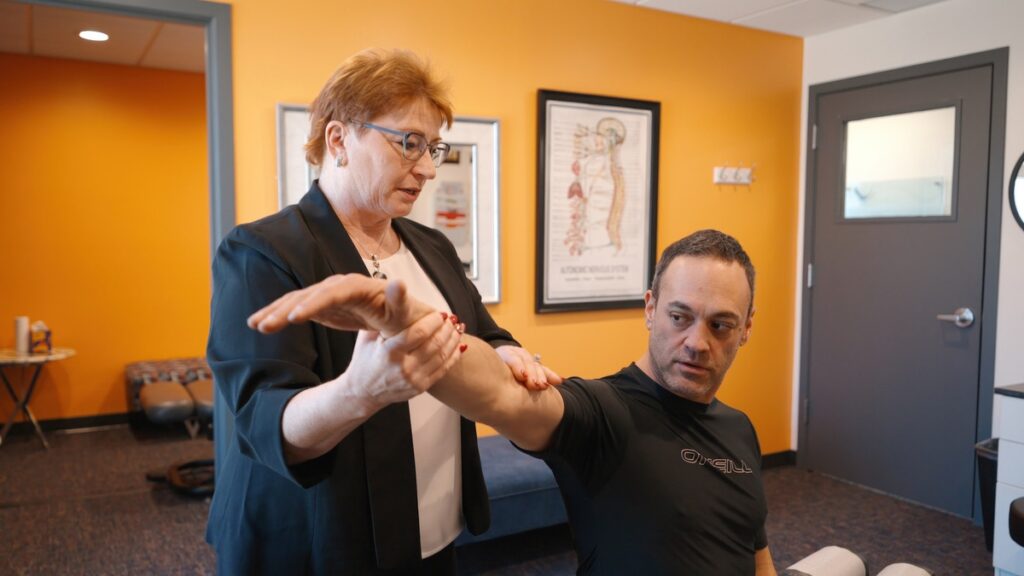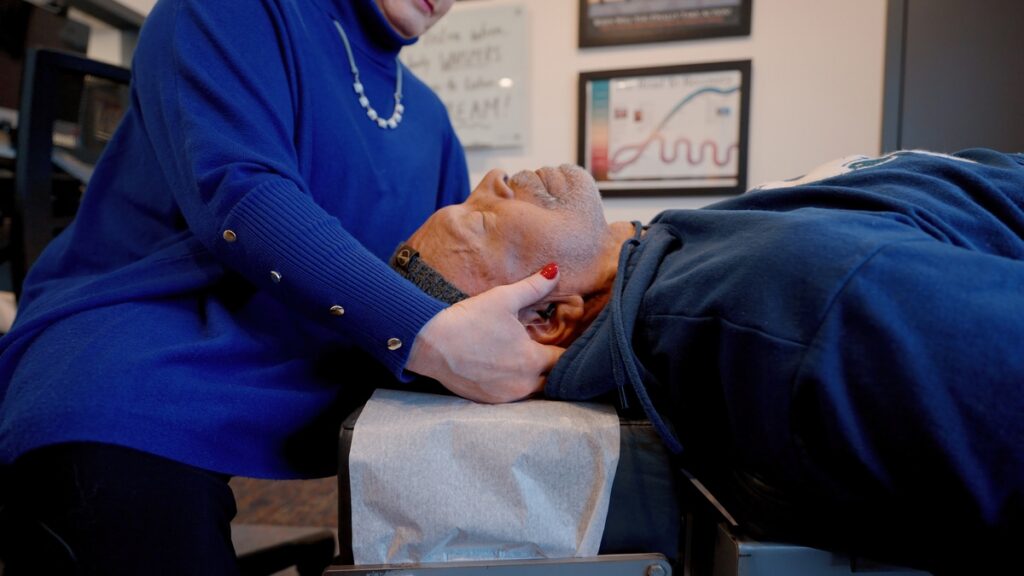
If you’re experiencing chronic back pain, know that you’re not alone, and there are effective ways to find relief. As a chiropractor, I believe that chiropractic care is one of the best approaches to address back pain naturally and promote overall wellness. By focusing on spinal health and the body’s natural ability to heal, we can help ease your discomfort and enhance your quality of life.
Let’s explore some of the best remedies that can complement chiropractic care and support your journey to better health:
- Regular Chiropractic Adjustments: Routine visits to a chiropractor can help realign your spine, relieve pressure on nerves, and restore mobility. This natural approach can significantly reduce pain and improve function.
- Targeted Exercises: Gentle stretching and strengthening exercises can help support your spine and reduce tension in your back muscles. A chiropractor can guide you on exercises that are safe and effective for your specific condition.
- Mindfulness and Relaxation Techniques: Practicing mindfulness, such as deep breathing or meditation, can help manage stress and promote relaxation. Reducing stress can have a positive impact on your overall health and pain levels.
- Posture Awareness: Being mindful of your posture throughout the day can prevent strain on your back. Simple adjustments, like sitting up straight and using ergonomic furniture, can make a big difference.
- Heat and Cold Therapy: Applying heat can soothe tight muscles, while cold packs can reduce inflammation. Alternating between the two can provide relief and improve circulation to the affected area.
- Adequate Sleep: Quality sleep is crucial for healing. Ensure that you have a supportive mattress and pillow that keep your spine aligned while you sleep.
- Nutrition and Hydration: A balanced diet rich in anti-inflammatory foods can support your overall health. Staying hydrated helps maintain elasticity in your spinal discs, reducing the risk of injury.
By integrating these practices with regular chiropractic care, you can take significant steps toward relieving chronic back pain and achieving optimal health. Remember, your body has an incredible capacity to heal naturally, and with the right support and lifestyle changes, you can enjoy a more comfortable life. If you’re ready to explore how chiropractic care can help you, I invite you to schedule a consultation. Together, we can create a personalized plan that suits your needs.
Key Takeaways
- Incorporate gentle stretching and flexibility practices, such as cat-cow and child’s pose, to help release tight muscles and promote relaxation. These movements can be beneficial for your back health and can easily be done at home.
- Add strengthening exercises like planks and bridges to your routine. These exercises not only enhance core stability but also support your spine, reducing strain on your back muscles. A strong core is essential for a healthy back!
- Practice deep breathing and mindfulness techniques to alleviate muscle tension and improve your emotional well-being, especially when dealing with chronic pain. These practices can help you feel more centered and connected to your body.
- Use heat or cold therapy on the areas that feel tense or inflamed. This simple approach can provide relief without the use of medications. Pay attention to what feels best for your body—whether it’s a warm towel or an ice pack.
- Regular visits to a chiropractor can make a significant difference in your spinal health. Chiropractic care focuses on ensuring proper spinal alignment, which can alleviate chronic pain and support your overall recovery. By working with a chiropractor, you can make strides toward optimal health without the need for surgeries or drugs.
Remember, taking care of your spine is crucial for your overall well-being. Embrace these natural methods and consider chiropractic care as your go-to solution for pain relief and a healthier lifestyle!
Stretching and Strengthening Exercises
To effectively manage chronic back pain, incorporating stretching and strengthening exercises into your daily routine can make a world of difference. These exercises not only help improve your flexibility but also strengthen your core and support your spine, which is essential for overall health.
Start with gentle stretches like the cat-cow pose or child’s pose. These are fantastic for loosening tight muscles and can easily be done at home. Hold each stretch for at least 20-30 seconds while focusing on deep, calming breaths. This practice not only helps your body but also promotes relaxation, which is important for healing.
Once you’re comfortable with stretching, shift your focus to strengthening exercises. Simple moves like planks, bridges, and bird-dogs are excellent choices. They target your core and lower back muscles, helping to support your spine. You don’t have to do a lot; even just a few sets of 10-15 repetitions can be very beneficial.
Remember, consistency is key, but it’s crucial to listen to your body. If something doesn’t feel right or causes pain, stop and reassess. Gradually increase your intensity as your strength builds. Over time, you may notice reduced pain and improved mobility, which can greatly enhance your quality of life.
Additionally, consider complementing your exercise routine with regular chiropractic care. A chiropractor can help identify underlying issues, provide personalized adjustments, and offer advice on maintaining a healthy spine. This holistic approach to health not only addresses pain but supports your body’s natural ability to heal.
Heat and Cold Therapy
In addition to stretching and strengthening exercises, incorporating heat and cold therapy can be highly beneficial in managing chronic back pain. These methods can help ease tension, reduce inflammation, and support the healing process. However, it’s essential to remember that while these therapies can provide relief, chiropractic care is often the most effective way to address the root causes of pain and promote overall wellness.
Here are some simple tips to make the most of heat and cold therapy:
- Heating pad: Use a heating pad on tight muscles for about 15-20 minutes. This can help improve blood flow and relax any knots, which can complement the adjustments made during chiropractic sessions.
- Cold packs: Apply cold packs to inflamed areas for 10-15 minutes. This technique helps numb pain and can minimize swelling, providing immediate relief that can enhance your chiropractic treatment.
- Alternate therapies: Consider alternating between heat and cold to maximize relief. This approach can be especially effective, as it allows you to address both muscle tension and inflammation.
- Listen to your body: It’s important to pay attention to how your back responds. If one method feels better, continue using it. Your body knows what it needs, and this feedback is crucial in managing your pain.
By integrating heat and cold therapy into your routine, you can experience significant relief and improve your overall comfort. Remember, chiropractic care is a natural and effective way to achieve optimal health, and it works hand-in-hand with these therapies.
Always consult with your chiropractor to determine the best approach for your specific needs and to ensure you’re on the path to recovery and wellness.
Over-the-Counter Pain Relievers
Many individuals experience chronic back pain, and while over-the-counter pain relievers like ibuprofen and acetaminophen may provide temporary relief, they aren’t a long-term solution. These medications can help reduce inflammation and alleviate discomfort, but they don’t address the root cause of pain.
As a chiropractor, I believe that the best approach to managing back pain is through natural healing methods, including chiropractic care. Chiropractic adjustments can help realign the spine, improve mobility, and reduce pain without the need for medications or invasive procedures. By focusing on the underlying issues, chiropractic care promotes healing and supports your body’s natural function.
If you choose to use over-the-counter pain relievers, it’s crucial to follow the recommended dosage and frequency to avoid unwanted side effects. However, I encourage you to consider integrating other natural remedies into your routine, such as regular stretching, gentle exercise, and proper posture. These practices can enhance the effectiveness of chiropractic care and contribute to long-term wellness.
Physical Therapy
When it comes to managing chronic back pain, chiropractic care can be a true game changer. Through gentle adjustments and manipulations, chiropractors focus on realigning the spine, which can lead to significant pain relief.
In addition to spinal adjustments, we often incorporate strengthening exercises that enhance your overall stability and support your body’s natural healing processes.
Chiropractic care not only helps alleviate discomfort but also empowers you to take charge of your movement and overall health. By addressing the root cause of your pain, rather than just the symptoms, chiropractic helps you achieve lasting wellness.
Here are some general tips to support your back health:
- Stay Active: Engage in low-impact exercises like walking or swimming to keep your body moving and strengthen your back muscles.
- Practice Good Posture: Whether sitting at a desk or lifting objects, maintaining proper posture can significantly reduce strain on your back.
- Stretch Regularly: Incorporate gentle stretching into your daily routine to improve flexibility and relieve tension in your back.
- Listen to Your Body: Pay attention to any signs of discomfort and consult with your chiropractor to adjust your care plan as needed.
Choosing chiropractic care is a natural approach to achieving optimal health and wellness. By prioritizing spinal health, you can improve your quality of life and enjoy a pain-free existence.
Manual Therapy Techniques
Manual therapy techniques can be incredibly effective for managing chronic back pain by alleviating muscle tension and enhancing mobility. As a local chiropractor, I want to share how these hands-on methods not only help you relax tight muscles but also improve your range of motion.
Tailoring these options to fit your specific needs can lead to significant relief.
- Chiropractic Adjustments: This is one of the most powerful tools for realigning the spine, which is crucial for improving overall function and reducing pain. By restoring proper alignment, you can experience enhanced mobility and less discomfort in your daily life.
- Massage Therapy: While it feels great, massage therapy also serves a purpose by relieving muscle tension and promoting relaxation. Regular sessions can help you manage stress and improve your body’s overall function.
- Myofascial Release: This technique focuses on the connective tissue throughout your body. By releasing restrictions in these areas, you can experience better movement and less pain.
- Joint Mobilization: This gentle approach enhances movement in your joints and decreases pain. It’s particularly beneficial for those who may feel stiff or limited in their mobility.
Incorporating these manual therapy techniques into your wellness routine can lead to lasting improvements, making daily activities more enjoyable and less painful.
Remember, it’s important to consult with a qualified chiropractor to determine the best approach tailored to your situation.
Here are some general tips to consider for better spinal health:
- Practice good posture: Being mindful of how you sit and stand can prevent unnecessary strain on your back.
- Stay active: Regular low-impact exercises like walking or swimming can promote better spinal health and reduce pain.
- Use ergonomic furniture: Ensure that your workspace supports your spine and encourages good posture.
Strengthening Exercises Benefits
Strengthening exercises play a crucial role in managing chronic back pain, particularly when complemented by chiropractic care. By focusing on the muscles that support your spine, these exercises can greatly enhance your stability, improve your posture, and decrease the likelihood of future injuries. Many of my patients have found that increasing their muscle strength not only alleviates pain but also makes everyday activities much easier to handle.
Here’s a simple overview of the key benefits of strengthening exercises for your back:
| Benefit | Description |
|---|---|
| Improved Stability | Strengthens core muscles that are vital for supporting the spine. |
| Enhanced Flexibility | Helps to improve your range of motion, making movement easier. |
| Pain Reduction | Less strain on the back muscles can lead to a noticeable decrease in pain. |
| Injury Prevention | Stronger muscles help protect against potential injuries. |
| Better Posture | Encourages an upright position, which can relieve pressure on your back. |
Incorporating these exercises into your daily routine, along with regular chiropractic adjustments, can significantly boost your back health. Remember, the goal is not just to relieve pain, but to promote overall wellness and prevent future issues.
Here are some general tips to get started:
- Start Slow: If you’re new to exercising, begin with gentle movements and gradually increase intensity.
- Focus on Core Strength: Exercises that target your abdominal and back muscles can provide the most benefit.
- Stay Consistent: Aim for a regular routine—consistency is key to seeing improvements.
- Listen to Your Body: Pay attention to how your body feels during and after exercises; modify as needed.
- Combine with Chiropractic Care: Regular visits to your chiropractor can help ensure your spine is aligned and functioning optimally, enhancing the benefits of your exercises.
Mindfulness and Meditation
As a local chiropractor, I want to share how mindfulness and meditation can complement your journey toward managing chronic back pain. While chiropractic care is essential for spinal health and pain relief, incorporating mindfulness practices can further enhance your overall well-being.
Practicing deep breathing techniques can help you focus and relax, which is important for reducing tension in your back. Guided imagery allows you to visualize a pain-free state, reinforcing positive thoughts that support your healing process. Additionally, daily mindfulness exercises can help you become more aware of your body and how it feels, making it easier to identify triggers for discomfort.
Here are some simple tips to integrate mindfulness into your routine:
- Set Aside Time: Dedicate a few minutes each day to practice mindfulness. It can be as simple as sitting quietly and focusing on your breath.
- Mindful Movement: Incorporate gentle stretching or yoga into your day. This not only helps your spine but also allows you to be more in tune with your body.
- Be Present: Pay attention to your posture throughout the day. Good spinal alignment can reduce pain and enhance your mindfulness practice.
- Positive Visualization: Spend a few moments each day visualizing your back pain easing as you engage in chiropractic care. This positive mindset can aid your healing.
Breathing Techniques Benefits
Practicing breathing techniques can significantly enhance your experience with chronic back pain by promoting relaxation and reducing tension, which is vital for your overall well-being.
Focusing on your breath not only calms your mind and body but also makes it easier to cope with discomfort. As a chiropractor, I believe in the power of natural healing methods, and breathing techniques can be a great complement to chiropractic care.
Here are some key benefits of incorporating breathing techniques into your daily routine:
- Reduces muscle tension: Deep breathing encourages relaxation, which helps relieve tightness in your back muscles. This can be particularly beneficial before or after your chiropractic adjustments.
- Enhances oxygen flow: By focusing on your breath, you can improve oxygen supply to your muscles and tissues, aiding in healing and recovery. This is essential for maintaining a healthy spine and overall body function.
- Promotes mindfulness: Practicing mindfulness through breathing can distract you from pain and help you stay present in the moment. This mental shift can make a big difference in how you perceive and manage discomfort.
- Improves emotional well-being: Calming your mind through breathing techniques can reduce stress and anxiety that often accompany chronic pain. A relaxed state of mind supports your body’s natural healing processes.
Incorporating these breathing techniques into your daily life can be a simple yet effective way to enhance your chiropractic care.
Remember, it’s all about creating a holistic approach to your health. So, take a few moments each day to focus on your breath, and you might find that it not only helps with your back pain but also enhances your overall quality of life.
If you’re looking for more personalized guidance, consider discussing your experience with your chiropractor, who can tailor a plan to suit your needs.
Guided Imagery Practices
Managing chronic back pain can feel like a daunting challenge, but incorporating guided imagery practices into your wellness routine can be a valuable tool for enhancing your mental and emotional well-being.
By visualizing peaceful scenes or calming situations, you can effectively shift your focus away from discomfort and towards relaxation. Imagine yourself on a serene beach, feeling the gentle waves lapping at your feet, or envision a tranquil forest, with the sound of rustling leaves in the background. These mental images not only promote relaxation but also help to reduce stress, which can have a positive impact on your overall health.
As you engage in these vivid visualizations, your body may respond by releasing built-up tension, potentially leading to a decrease in discomfort.
To begin, find a quiet space to sit or lie down comfortably. Close your eyes and take several deep breaths, allowing your body to relax with each exhale. As you breathe, immerse yourself in the details of the scene you’ve chosen, letting it fill your mind and senses.
In addition to guided imagery, regular chiropractic care is an excellent choice for managing back pain. Chiropractors focus on aligning your spine, which can help alleviate pressure on nerves and muscles, leading to improved function and reduced pain. By addressing the root causes of discomfort through spinal adjustments and personalized care, you can achieve better health naturally.
Remember, adopting a holistic approach to your well-being can make a significant difference.
Here are a few takeaway tips to enhance your pain management journey:
- Stay Active: Engage in gentle exercises, such as walking or stretching, to keep your body moving and maintain flexibility.
- Practice Good Posture: Pay attention to your posture, especially while sitting or standing, to reduce strain on your back.
- Stay Hydrated: Drink plenty of water to keep your body hydrated and support overall health.
- Consider Regular Chiropractic Visits: Regular check-ups with your chiropractor can help keep your spine aligned and prevent future issues.
Daily Mindfulness Exercises
Daily mindfulness exercises can significantly enhance your ability to cope with chronic back pain, and when combined with chiropractic care, they can lead to even greater relief and wellness.
By focusing your mind and learning to relax, you can reduce tension in your body and cultivate a sense of peace, which complements the adjustments and therapies offered by chiropractic care.
Here are some simple exercises you can easily incorporate into your daily routine:
- Breath Awareness: Spend a few minutes focusing solely on your breath. Inhale deeply through your nose and exhale slowly through your mouth. This helps calm your nervous system and can enhance the effectiveness of your chiropractic treatments.
- Body Scan: Lie down comfortably and mentally scan your body from head to toe. Acknowledge areas of tension or discomfort. This awareness can help you communicate better with your chiropractor about where you’re feeling pain, allowing for more targeted care.
- Mindful Walking: Take a short walk while paying attention to each step and the sensations in your body. Being mindful of how your body moves can improve your posture and alignment, which are essential for maintaining spinal health.
- Gratitude Journaling: Write down three things you’re grateful for each day. This practice shifts your focus away from pain and can improve your overall mindset, creating a more positive environment for healing.
Incorporating these mindfulness practices alongside regular chiropractic care can lead to improved well-being and pain relief.
Acupuncture
Chiropractic care offers an exceptional approach to addressing chronic back pain by focusing on the spine and its relationship to the body’s overall health. Unlike acupuncture, which involves inserting needles into specific points, chiropractic adjustments involve carefully aligning the spine to restore proper function and alleviate discomfort. This hands-on technique helps to enhance your body’s natural healing abilities and can lead to significant pain relief.
After a chiropractic session, many patients report feeling a sense of relaxation and reduced tension. If you’re considering chiropractic care, it’s crucial to consult with a licensed chiropractor who can assess your specific pain issues and develop a tailored treatment plan. Often, a series of adjustments is recommended to achieve the best results and maintain optimal health.
Chiropractic care is a safe and effective option that can work in harmony with your body’s own healing processes. Here are some general tips to complement your chiropractic care and enhance your well-being:
- Maintain Good Posture: Be mindful of how you sit, stand, and move. Good posture can help reduce strain on your back and spine.
- Stay Active: Regular physical activity strengthens your muscles and improves flexibility, which can help prevent injuries and support your spine.
- Stretch Regularly: Incorporating gentle stretching into your routine can keep your muscles flexible and reduce tension.
- Listen to Your Body: Pay attention to any discomfort or pain signals. If something doesn’t feel right, seek professional guidance.
- Stay Hydrated: Drinking plenty of water is crucial for maintaining the health of your spinal discs and overall bodily functions.
Ergonomic Adjustments and Posture Improvement
Making ergonomic adjustments in your workspace can significantly enhance your posture and help alleviate chronic back pain. As a chiropractor, I believe it’s essential to create an environment that promotes spinal health. Start by evaluating your chair; it should provide lumbar support to maintain the natural curve of your spine, allowing your feet to rest flat on the floor.
Next, adjust your desk height so that your elbows are at a 90-degree angle while typing. This positioning helps reduce strain on your back and shoulders. It’s also important that your computer screen is at eye level to prevent unnecessary neck strain.
Here are some simple tips to enhance your ergonomic setup and support your overall wellness:
- Choose a chair with good lumbar support to help maintain the natural curve of your spine, which is crucial for avoiding discomfort.
- Keep frequently used items within easy reach to minimize twisting and stretching, which can lead to strain and injury.
- Incorporate regular breaks into your routine. Stand up, stretch, and change your positions throughout the day to promote better circulation and relieve tension.
- Practice proper lifting techniques by bending your knees and keeping the load close to your body. This minimizes stress on your spine and helps prevent injury.
By making these adjustments, you can experience relief from chronic back pain, and I encourage you to consider chiropractic care as a natural and effective way to achieve optimal health and wellness.
Chiropractic adjustments can help realign your spine, improve your posture, and enhance your overall well-being. Remember, your spine is the foundation of your body, and taking care of it’s vital for a healthier, pain-free life.