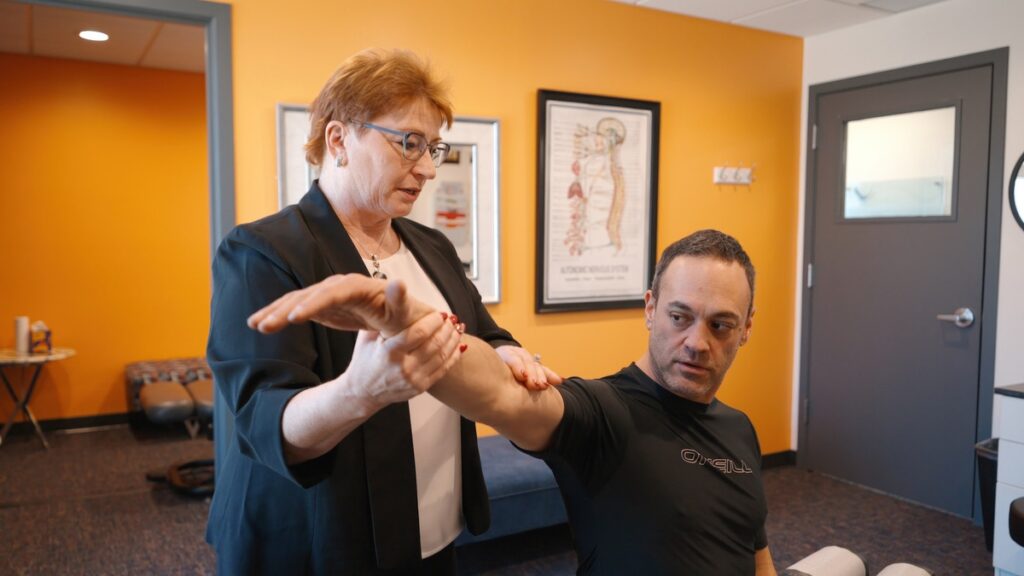
When it comes to enhancing your athletic recovery, expert support, particularly through chiropractic care, can make a world of difference. Tailored chiropractic adjustments help align your spine and improve your overall body function, which is crucial for healing after intense physical activity.
In addition to chiropractic care, consider incorporating personalized nutrition plans into your routine. The right nutrients can significantly aid your recovery by reducing inflammation and promoting muscle repair. Remember, every piece of your wellness puzzle plays a vital role in helping you bounce back stronger.
To build a comprehensive recovery plan, focus on these key elements:
- Regular Chiropractic Adjustments: These can help relieve tension, improve mobility, and accelerate your body’s natural healing processes.
- Hydration: Drinking plenty of water is essential for recovery. It helps maintain joint lubrication and can reduce muscle soreness.
- Balanced Nutrition: Fuel your body with whole foods, including fruits, vegetables, lean proteins, and healthy fats. These provide the essential vitamins and minerals your body needs to recover.
- Rest and Recovery: Ensure you’re allowing adequate time for rest. Sleep is the body’s natural way of healing and rejuvenating.
- Gentle Stretching and Mobility Exercises: Incorporating gentle stretching can improve flexibility and reduce the risk of injury in future workouts.
By integrating these strategies into your routine, not only will you speed up your recovery, but you’ll also improve your overall athletic performance. Remember, chiropractic care is a natural and effective way to support your journey toward optimal health and wellness. Embrace it as a key component in your athletic recovery plan!
Key Takeaways
Boost Your Athletic Recovery with Chiropractic Care
- Work closely with professional trainers to develop personalized recovery plans that not only enhance your healing but also improve your performance while reducing the risk of injury. Remember, chiropractic care can play a vital role in this process by promoting optimal spinal alignment.
- Consider incorporating chiropractic adjustments into your routine. These adjustments help improve spinal alignment, which in turn optimizes your nervous system function and supports your body’s natural healing processes. When your spine is in alignment, your body can perform at its best.
- Engage in gentle exercises and mobility work that can help maintain your flexibility and strength. This not only aids in your recovery but also boosts your overall athletic performance. Trust that chiropractic care can guide you in finding the right exercises for your needs.
- Keep track of your progress and be attentive to your body’s signals. Adjusting your recovery plan as needed is crucial for effective recovery management. With chiropractic support, you’ll have the guidance you need to listen to your body and make the right adjustments.
- Embrace technology to monitor your recovery metrics. While wearable devices and health apps are great tools, don’t forget that chiropractic care offers valuable insights into your overall performance and health. Your chiropractor can help interpret these metrics to enhance your wellness journey.
In summary, chiropractic care is an excellent choice for pain relief and natural wellness. By prioritizing spinal health and incorporating these strategies into your recovery routine, you can achieve optimal health and enhance your athletic performance. Remember, a well-aligned spine is key to a strong, healthy body!
The Role of Professional Trainers in Recovery
Professional trainers play an important role in your athletic recovery, but it’s essential to consider the holistic benefits of chiropractic care as well. While trainers guide you through tailored programs that enhance healing and performance, chiropractors focus on the spine and nervous system, which are crucial for overall health and wellness.
Chiropractic care can help assess your specific needs and address any underlying issues that may contribute to pain or discomfort. By focusing on spinal adjustments and alignment, chiropractors can help restore proper function to your body, allowing you to recover more effectively.
This approach not only aids in rebuilding strength and flexibility but also enhances your body’s natural ability to heal itself.
Incorporating chiropractic care into your recovery plan can complement the work of your trainer. It helps reduce the risk of re-injury by ensuring your body is functioning optimally. Regular adjustments can improve your range of motion, which can be beneficial when performing mobility drills and strength training exercises.
Moreover, chiropractors can teach you about proper posture and body mechanics, which are essential for preventing future injuries. This knowledge, combined with the motivation and accountability from your trainer, can keep you focused on your recovery journey.
To enhance your recovery at home, consider incorporating gentle stretches and mobility exercises into your routine. Staying hydrated, maintaining a balanced diet, and getting enough rest are also key components of healing. By integrating chiropractic care into your recovery, you’ll not only feel better but also return to your sport stronger and more resilient.
Importance of Nutrition for Recovery
Nutrition plays a vital role in your recovery process after intense workouts, and as your local chiropractor, I want to emphasize how this can impact your overall health and wellness. By focusing on the right macronutrients, timing your nutrient intake, and staying hydrated, you can’t only enhance muscle repair but also support your spinal health and overall recovery.
Let’s break down how these factors contribute to getting you back in peak condition:
- Macronutrients Matter: After a workout, your body needs the right balance of carbohydrates, proteins, and fats. Carbohydrates help replenish your energy stores, proteins are crucial for muscle repair, and healthy fats support overall cellular function. Consider incorporating whole foods like fruits, vegetables, lean meats, nuts, and whole grains into your diet to provide these nutrients naturally.
- Timing is Key: It’s important to eat after your workouts to help your body recover effectively. Try to have a balanced meal or snack within 30 minutes to two hours after exercising. This helps kickstart the recovery process and can also aid in reducing any pain or discomfort you might feel post-workout.
- Stay Hydrated: Hydration is essential for recovery and can significantly influence your overall well-being. Ensure you’re drinking plenty of water throughout the day, especially before, during, and after your workouts. Proper hydration supports joint health and can help alleviate some muscle soreness.
- Chiropractic Care Supports Recovery: Alongside proper nutrition, regular chiropractic adjustments can enhance your recovery process. By ensuring that your spine is properly aligned, you can improve your body’s ability to heal itself and reduce pain. Chiropractic care can help optimize your nervous system function, which is crucial for overall health and recovery.
- General Tips for Recovery:
- Prioritize sleep: Quality rest is essential for recovery.
- Listen to your body: If you’re feeling pain or discomfort, don’t push through it.
- Incorporate gentle stretching or yoga to keep your muscles flexible and reduce tension.
Macronutrients for Muscle Repair
To enhance your recovery after physical activity, it’s important to pay attention to your diet, particularly the macronutrients: carbohydrates, proteins, and fats. These nutrients not only support muscle repair but also promote overall wellness, which is crucial for maintaining a healthy spine and body.
Carbohydrates are your body’s primary source of energy. They help replenish glycogen stores after a workout, allowing you to feel energized for your next session. Opt for complex carbohydrates, such as whole grains and fruits, as they provide sustained energy levels and support overall health.
Protein plays a vital role in repairing your muscles. After intense exercise, your muscles can experience micro-tears that need rebuilding. Incorporating sources of lean protein—like chicken, fish, dairy, legumes, and plant-based options—can significantly aid in muscle recovery. This is particularly important for anyone looking to maintain a healthy spine, as strong muscles support proper alignment.
Don’t forget about healthy fats; they’re essential for reducing inflammation and supporting cell health. Including sources like avocados, nuts, and olive oil in your diet can contribute to better recovery and overall wellness.
As a chiropractor, I emphasize the importance of a balanced diet alongside regular chiropractic care. Together, they can help you achieve optimal health. Remember to listen to your body, stay hydrated, and give yourself the nutrients it needs to recover effectively.
Simple changes in your diet can significantly enhance your recovery process, helping you get back to peak performance and maintain a healthy spine. Stay active and healthy!
Timing of Nutrient Intake
While you may think about the types of nutrients you consume, the timing of your nutrient intake is just as important for enhancing your overall health and recovery. This is especially significant for those who are active and want to support their body’s natural healing processes. Refueling at the right times can make a big difference in muscle repair and energy restoration. Aim to eat something nutritious within 30 minutes after exercising to give your body a head start on recovery.
Here are some helpful tips to keep in mind:
- Post-Workout Refueling: Focus on consuming a good mix of protein and carbohydrates right after your workout. This combination is key to helping your muscles recover effectively and can complement the natural benefits of chiropractic care, which promotes overall wellness and healing.
- Regular Eating Schedule: Try to eat balanced meals or snacks every 3-4 hours. This helps keep your nutrient levels steady and supports ongoing recovery, which aligns with the chiropractic principle of maintaining balance in the body.
- Pre-Workout Nutrition: Don’t forget to nourish your body before exercising. A wholesome meal 1-2 hours beforehand can provide you with the energy you need. Proper nutrition, paired with regular chiropractic adjustments, can enhance your performance and well-being.
Hydration’s Role in Recovery
After you’ve refueled your body with the right nutrients, it’s essential not to overlook the vital role hydration plays in your recovery process. Staying properly hydrated helps replenish the fluids lost during exercise, which is crucial for allowing your muscles to recover effectively. Water isn’t just a thirst quencher; it aids in transporting nutrients, lubricating your joints, and regulating your body temperature—all key factors for optimal recovery and overall wellness.
To elevate your recovery, consider incorporating electrolyte-rich drinks, particularly after intense workouts. These beverages can help restore essential minerals and balance your body’s fluids. However, remember that the best hydration strategy is to drink water consistently throughout the day—not just during your workout sessions. Pay attention to your body’s signals; thirst is a powerful indicator of your hydration needs.
As a chiropractor, I encourage you to prioritize hydration as part of your recovery and wellness routine. This simple yet effective practice supports not only your physical recovery but also prepares your body for future training sessions, helping you achieve your health and fitness goals more efficiently.
Additionally, regular chiropractic care can enhance your overall health, ensuring that your spine and nervous system function optimally, which is essential for effective hydration and recovery. By focusing on both hydration and chiropractic care, you can set yourself up for a healthier, more active lifestyle.
Utilizing Physical Therapy for Enhanced Healing
Chiropractic care can significantly enhance your recovery and overall well-being by addressing the root causes of pain and dysfunction. Whether you’re experiencing discomfort from a sprain, strain, or chronic condition, a skilled chiropractor can create a personalized plan tailored just for you. This approach not only focuses on alleviating pain but also promotes mobility, strength, and flexibility, helping you feel better faster.
Here are some key benefits of choosing chiropractic care:
- Customized Treatment Plans: Your chiropractor will design a program that meets your individual needs and health goals, ensuring a unique approach to your healing.
- Natural Pain Relief: Chiropractic adjustments and techniques can effectively manage and reduce pain without the need for medications or invasive procedures. This promotes a quicker and more natural healing process.
- Injury Prevention: By learning proper body mechanics and exercises from your chiropractor, you can gain valuable insights on how to prevent future injuries, keeping you active and healthy.
Incorporating chiropractic care into your wellness routine not only expedites your recovery but also enhances your overall quality of life. By prioritizing your spinal health and natural healing methods, you’re investing in long-term wellness and vitality.
For added tips, consider incorporating gentle stretches and strengthening exercises into your daily routine, maintaining good posture, and staying active to support your spine and overall health.
The Benefits of Massage Therapy for Athletes
Massage therapy can significantly enhance muscle recovery, reduce soreness, and improve flexibility for athletes. However, as a chiropractor, I believe that regular chiropractic care offers even greater benefits in terms of pain relief and overall wellness. Chiropractic adjustments not only help align the spine but also improve the function of your nervous system, which is essential for optimal athletic performance.
Incorporating chiropractic care into your routine can be a powerful tool for injury prevention. By identifying and addressing misalignments or tension in the body, chiropractic adjustments can help alleviate discomfort before it turns into a more significant issue. This proactive approach allows you to maintain your training schedule and perform at your best.
To complement your chiropractic care, consider incorporating some simple tips into your lifestyle. Staying hydrated is crucial for muscle recovery, so make sure you’re drinking enough water throughout the day. Additionally, regular stretching can enhance flexibility and prevent tightness. And don’t forget the importance of rest; giving your body time to recover is essential for long-term health and performance.
Enhanced Muscle Recovery
As you strive to reach your fitness goals, enhanced muscle recovery is crucial for maintaining optimal performance. One of the best ways to support your recovery is through chiropractic care. Regular chiropractic adjustments can significantly improve your overall well-being, helping to alleviate pain and enhance your body’s natural healing process.
Here are some key benefits of incorporating chiropractic care into your routine for muscle recovery:
- Improved spinal alignment: Keeping your spine aligned helps your body function more efficiently, allowing for better movement and reducing the risk of injury.
- Increased flexibility: Chiropractic adjustments can help loosen tight muscles and joints, making it easier to achieve a full range of motion, which is essential for any training program.
- Reduced muscle tension: By addressing spinal misalignments, chiropractic care can relieve stiffness and tension, helping you feel more energized and ready to tackle your next workout.
- Enhanced recovery: Chiropractic care supports your body’s natural healing processes, allowing you to bounce back faster from intense training sessions.
In addition to chiropractic adjustments, here are some general tips for enhanced muscle recovery:
- Stay hydrated: Drinking plenty of water helps flush out toxins and supports overall muscle function.
- Prioritize rest and sleep: Your body needs time to recover, so be sure to get enough sleep each night to allow your muscles to repair and grow.
- Incorporate gentle stretching: Regular stretching can help maintain flexibility and reduce muscle tightness, making it easier to recover after workouts.
Injury Prevention Techniques
To keep your body in peak condition and prevent injuries, incorporating effective injury prevention techniques is essential. One of the best methods to consider is chiropractic care. Regular visits to a chiropractor can help align your spine, improve your posture, and enhance your overall mobility. When your spine is properly aligned, your muscles and joints function more efficiently, reducing the risk of strains and tears during physical activities.
Chiropractic care also promotes faster recovery by improving circulation and reducing inflammation throughout the body. Pairing chiropractic adjustments with proper stretching and warm-up routines can further enhance your injury prevention efforts.
It’s important to listen to your body; if something feels off, don’t ignore it. A chiropractor can help identify underlying issues before they become more serious problems. Prioritizing these techniques not only enhances your performance but also helps you stay active for longer, minimizing downtime due to injuries.
In addition to chiropractic care, here are some general tips to keep in mind for injury prevention:
- Always warm up before engaging in physical activity to prepare your muscles and joints.
- Incorporate strength training to support your muscles and improve overall stability.
- Stay hydrated and maintain a balanced diet to fuel your body for optimal performance.
- Pay attention to your body’s signals and rest when needed to prevent overexertion.
Mental Recovery: The Power of Mindfulness
Enhancing Mental Recovery Through Mindfulness and Chiropractic Care
As a chiropractor, I believe that achieving optimal health goes beyond just physical adjustments; it also involves nurturing your mental well-being. Practicing mindfulness can significantly aid your mental recovery, especially after intense athletic training. By being present in the moment, you can alleviate stress and boost your mental resilience, which is just as crucial as physical recovery. Incorporating mindfulness techniques alongside chiropractic care can help you regain clarity and focus, enabling you to approach your next training session with renewed energy.
Here are some effective mindfulness practices that can complement your chiropractic care routine:
- Breath Awareness: Take a few moments to concentrate solely on your breathing. This simple practice calms your mind and brings you back to the present, creating a peaceful mental state that can enhance your recovery.
- Body Scan: Spend time mentally checking in with each part of your body. Recognize areas of tension and consciously release them. This awareness can improve your body’s alignment and overall health, which is essential for athletes.
- Gratitude Journaling: After your training sessions, jot down a few things you’re thankful for. This practice not only shifts your mindset toward positivity but also reinforces a healthy outlook, which can play a vital role in your recovery journey.
Incorporating these mindfulness practices can empower your mental recovery and, when paired with chiropractic care, can significantly enhance your overall athletic performance. Remember, a healthy spine and a calm mind go hand-in-hand in achieving optimal health and wellness.
Implementing Active Recovery Techniques
Implementing active recovery techniques can be a game-changer for athletes and anyone looking to enhance their overall health and wellness. Rather than opting for complete rest, consider incorporating low-intensity activities that promote blood flow and aid in muscle recovery. Activities such as gentle walking, cycling, or swimming can effectively help your body flush out metabolic waste while delivering vital oxygen and nutrients to fatigued muscles.
In addition to these activities, stretching and mobility work are crucial. Taking the time to engage in dynamic stretches or yoga can improve your flexibility and reduce soreness, making it easier to maintain an active lifestyle. Aim for 20 to 30 minutes of active recovery after intense workouts or even on your rest days. This approach keeps your body engaged without overexerting yourself, supporting your overall health.
Listening to your body is essential. Some days may call for more rest, while others might allow for a bit of movement. By committing to active recovery, you’ll not only boost your athletic performance but also enhance your overall well-being.
As a chiropractor, I emphasize the importance of natural healing and wellness. Regular chiropractic care can help improve your body’s function, alleviate pain, and promote recovery. By addressing spinal alignment and overall wellness, chiropractic adjustments can enhance your body’s ability to perform at its best.
Sleep: The Unsung Hero of Athletic Performance
Sleep: The Unsung Hero of Athletic Performance and Wellness
As a local chiropractor, I can’t stress enough how vital sleep is for not only athletes but for everyone looking to improve their overall health and wellness. Often overlooked, quality sleep plays a crucial role in enhancing athletic performance and aiding recovery. It’s not just about logging hours at the gym or on the field; the quality of your sleep can significantly impact your training outcomes.
When you prioritize sleep, you’re allowing your body to repair tissues, balance hormones, and consolidate skills—essential for anyone looking to perform at their best.
Here are a few benefits of getting adequate sleep, especially for those who lead an active lifestyle:
- Improved Performance: Sleep is the foundation of better reaction times, strength, and endurance. When you’re well-rested, your body functions optimally, allowing you to train harder and smarter.
- Reduced Injury Risk: A well-rested body recovers faster and is less susceptible to fatigue-related injuries. By ensuring you get enough sleep, you’re less likely to experience the wear and tear that can lead to pain and injury.
- Enhanced Mental Focus: A good night’s sleep sharpens your cognitive abilities, which is critical for strategy and decision-making in sports and daily life. This mental clarity can help you stay focused and make better choices, both on and off the field.
To maximize the benefits of sleep, consider these tips:
- Establish a Routine: Go to bed and wake up at the same time every day, even on weekends, to regulate your body’s internal clock.
- Create a Sleep-Friendly Environment: Keep your bedroom dark, quiet, and cool. Consider using blackout curtains or a white noise machine if necessary.
- Limit Screen Time: The blue light emitted by phones and computers can interfere with your ability to fall asleep. Try to disconnect at least an hour before bedtime.
- Stay Active: Regular physical activity can help you fall asleep more easily and deepen your sleep. Just be sure to finish exercising a few hours before bedtime to avoid being too energized to sleep.
- Chiropractic Care: Regular chiropractic adjustments can help alleviate tension and discomfort, promoting a more restful sleep. By keeping your spine aligned, you may find it easier to relax and drift off into a deep sleep.
Prioritizing sleep is one of the simplest and most effective ways to enhance your health and performance.
Utilizing Technology for Recovery Monitoring
In today’s fast-paced world, utilizing technology for recovery monitoring can significantly enhance your athletic performance and overall well-being. As a chiropractor, I understand that maintaining optimal health is crucial for achieving your fitness goals. Wearable devices, such as fitness trackers and smartwatches, can provide valuable insights into your heart rate, sleep patterns, and activity levels. By keeping an eye on this information, you can better understand when your body needs rest and when it’s ready to push a little harder.
There are also various apps designed specifically for athletes that can help track your training loads and recovery times. These tools can reveal trends in your performance, making it easier to adjust your routine in a way that supports your spine and overall health. It’s important to listen to your body—after all, a healthy spine contributes to better performance.
Incorporating tech into your routine not only keeps you informed but also empowers you to make informed decisions about your training and recovery. However, remember that technology should complement, not replace, the essential care provided by chiropractic treatment. Regular chiropractic adjustments can help ensure that your spine is aligned and functioning properly, which is vital for optimal recovery and performance.
Here are some general tips to help you on your journey to better health:
- Stay Hydrated: Proper hydration supports overall health and aids in recovery.
- Prioritize Sleep: Quality sleep is essential for recovery and overall wellness. Aim for 7-9 hours a night.
- Listen to Your Body: Pay attention to signs of fatigue or discomfort, and don’t hesitate to take a break when needed.
- Incorporate Stretching: Regular stretching can enhance flexibility and reduce the risk of injury.
- Seek Chiropractic Care: Regular visits to your chiropractor can help keep your spine aligned and support your recovery process.
Embracing these practices alongside chiropractic care can lead to optimized recovery and improved athletic outcomes. Remember, the path to wellness is a journey—take it one step at a time!
Building a Personalized Recovery Plan With Experts
When you work with chiropractic experts to create a personalized recovery plan, you’re not just investing in your athletic journey; you’re prioritizing your overall health and wellness. Chiropractors can assess your unique needs and develop a strategy that aligns with your goals, lifestyle, and physical condition.
With their natural approach, you can ensure effective recovery while enhancing your performance.
To fully benefit from your personalized plan, here are some essential components to consider:
- Comprehensive Assessment: Chiropractors will evaluate your posture, spinal alignment, and overall physical condition to identify strengths and areas for improvement. This thorough assessment helps in creating a tailored plan just for you.
- Customized Recovery Techniques: Based on your assessment, your chiropractor will recommend specific strategies that may include spinal adjustments, therapeutic exercises, and lifestyle modifications. These natural techniques target your body’s specific needs and promote healing without the use of medications or invasive procedures.
- Continuous Support and Adaptation: Regular visits to your chiropractor ensure that your recovery plan evolves as you progress. They’ll monitor your improvements and make necessary adjustments to keep you on track toward optimal health.
In addition to working with a chiropractor, here are some general tips to support your recovery and promote healthier living:
- Stay Active: Incorporate gentle exercises and stretches into your routine to maintain flexibility and strength.
- Prioritize Nutrition: Focus on a balanced diet rich in whole foods to fuel your body and aid in recovery.
- Listen to Your Body: Pay attention to any discomfort or pain and communicate this with your chiropractor to adjust your care plan accordingly.
- Practice Good Posture: Be mindful of your posture during daily activities to reduce strain on your spine.