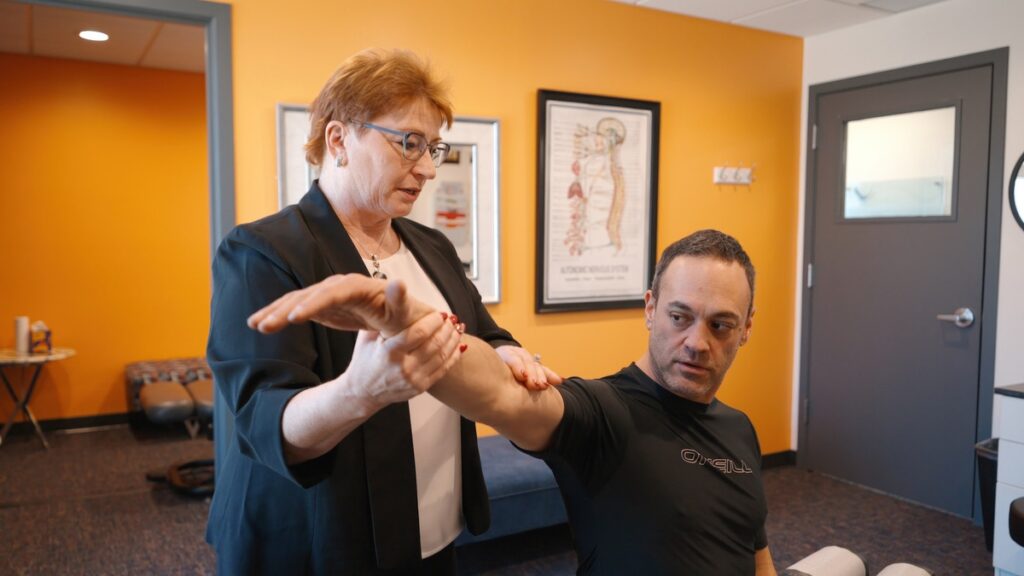
Boosting your flexibility is an essential aspect of maintaining overall health and wellness, and it can significantly enhance your movement while reducing the risk of injury. As a chiropractor, I understand that flexibility is closely tied to spinal health and overall body function. By focusing on safe practices and understanding the key components of flexibility, you can naturally improve your range of motion without the need for invasive treatments.
First, it’s important to assess your current level of flexibility. This self-evaluation will guide you in developing a consistent routine that works for your body. Remember, chiropractic care plays a crucial role in not only relieving pain but also enhancing your flexibility by ensuring that your spine and joints are properly aligned.
To effectively structure your flexibility routine, consider these simple yet effective tips:
- Warm-Up: Always start with a gentle warm-up to prepare your muscles and joints. This can include light aerobic exercises or dynamic stretches that get your blood flowing.
- Incorporate Stretching: Focus on both static and dynamic stretching. Static stretches can help improve flexibility over time, while dynamic stretches prepare your body for movement. Aim to hold each static stretch for at least 15-30 seconds.
- Listen to Your Body: Pay attention to how your body feels during stretches. You should feel a gentle pull, not pain. If you do experience discomfort, stop and consult with your chiropractor to ensure you’re stretching safely.
- Consistency is Key: Make flexibility training a regular part of your routine. Aim for at least 3-4 times a week to see meaningful improvements.
- Stay Hydrated: Proper hydration is essential for muscle function and flexibility. Drinking enough water can help keep your muscles pliable and reduce the risk of cramps.
- Seek Chiropractic Care: Regular visits to a chiropractor can help identify any misalignments in your spine that may be limiting your flexibility. Chiropractic adjustments can improve joint mobility and enhance your overall movement patterns.
By following these steps, you can embark on a successful journey to boost your flexibility while prioritizing your spinal health. Remember, achieving optimal health is a holistic process, and chiropractic care is one of the best natural ways to support your wellness goals. If you have any questions or need guidance on your flexibility journey, don’t hesitate to reach out to your local chiropractor for personalized advice and support.
Key Takeaways
- Set specific flexibility goals and track your progress in a journal. This will help you stay motivated and accountable on your journey to better health and wellness.
- Incorporate both dynamic and static stretching techniques into your routine. These methods engage your muscles comprehensively, promoting flexibility while also supporting spinal health.
- Always start with a warm-up that includes dynamic stretches and joint mobility exercises. This prepares your body for movement and reduces the risk of injury, allowing you to maintain a healthy spine.
- Pay attention to how your body feels during stretching. If you experience pain, it’s important to modify or stop the movement. Safety should always come first, and listening to your body helps prevent injuries.
- Schedule consistent flexibility sessions as part of your wellness routine. Regular chiropractic care can also enhance your alignment and support your flexibility goals, leading to overall progress in your health journey.
Remember, chiropractic care is a natural and effective way to achieve optimal health, and I’m here to support you every step of the way!
Understanding Flexibility and Its Benefits
Flexibility goes beyond just being able to touch your toes; it’s a vital component of your overall health and wellness. As a chiropractor, I want to emphasize how improving your flexibility can significantly enhance your range of motion. This means that everyday activities, such as bending down to tie your shoes or reaching for something on a high shelf, become easier and more efficient. Enhanced mobility can also help reduce the risk of injuries, as your muscles and joints become more resilient to stress and strain, a principle that’s essential in chiropractic care.
Moreover, maintaining flexibility can greatly improve your posture, which is key to achieving better balance and stability. Many of my patients find that incorporating regular stretching into their routine alleviates muscle tension, promotes relaxation, and reduces stress. This not only enhances your overall well-being but also supports spinal health, which is at the core of chiropractic care.
Incorporating flexibility exercises into your daily routine can also boost circulation, aiding in recovery and enhancing your physical health. Simple stretches can be done at home, and I encourage you to focus on areas that feel tight or uncomfortable. Remember, even a few minutes of stretching can make a big difference.
Assessing Your Current Flexibility Level
Before you can enhance your flexibility and overall wellness, it’s important to assess your current state. Focus on key areas of your body, such as your hamstrings, hips, and shoulders, which play a significant role in your overall movement and spinal health. Simple stretches can help you evaluate your flexibility and identify areas needing improvement.
For instance, try touching your toes; this not only helps you understand your hamstring and lower back flexibility but also encourages good posture and spinal alignment. If you find it challenging to reach your toes, it may be a sign that you could benefit from some gentle chiropractic care to help relieve tension and improve your range of motion.
To assess your hip flexibility, consider performing a seated straddle stretch. Pay attention to how far you can reach and note any discomfort. This awareness can guide you in making lifestyle adjustments or seeking chiropractic support to alleviate tightness and enhance mobility.
Another valuable assessment is to check your shoulder flexibility. You can do this with a wall slide, which allows you to see how well you can raise your arms overhead. Limited shoulder mobility can impact your daily activities and spinal health, making it an important area to focus on.
As you document your results, you’ll gain insight into your progress over time. Recognizing your current flexibility level provides a solid foundation for setting realistic goals and customizing your routine. Remember, everyone’s flexibility is different, so it’s essential to focus on your personal journey.
Incorporating regular chiropractic care can be an excellent way to support your flexibility and overall health. A chiropractor can help identify any restrictions in your body, offer tailored adjustments, and provide guidance on exercises that promote natural healing and well-being. By prioritizing your flexibility and making informed choices, you can work towards a healthier, pain-free life.
Warm-Up Techniques to Prepare Your Body
To prepare your body for stretching and exercise, effective warm-up techniques are crucial, especially when considering your spinal health. As a chiropractor, I emphasize the importance of a proper warm-up to enhance flexibility and prevent injuries. By incorporating dynamic stretching exercises, joint mobility movements, and mindful breathing techniques, you can’t only get your body ready for physical activity but also support your spine’s health.
Dynamic stretching, which involves moving parts of your body through a full range of motion, warms up your muscles and prepares your joints for movement. Meanwhile, joint mobility exercises help keep your spine and other joints flexible, reducing the risk of strain. Don’t forget about your breath; practicing proper breathing techniques can improve oxygen flow to your muscles and promote relaxation, setting a positive tone for your workout.
Dynamic Stretching Exercises
Dynamic stretching exercises are a crucial component of any warm-up routine, especially when it comes to preparing your body for physical activity and maintaining optimal spinal health. By increasing blood flow and enhancing your range of motion, these exercises can help you move more freely and reduce the risk of injury, which is essential for overall wellness.
Incorporating dynamic stretches into your routine not only prepares your muscles for movement but also supports your spine’s health by promoting proper alignment and flexibility. Here are some simple dynamic stretches you can easily add to your warm-up:
| Stretch | Duration | Benefits |
|---|---|---|
| Leg Swings | 30 seconds | Improves hip flexibility and supports lower back alignment |
| Arm Circles | 30 seconds | Increases shoulder mobility, helping maintain upper body posture |
| Walking Lunges | 30 seconds | Engages lower body muscles while promoting spinal stability |
| High Knees | 30 seconds | Boosts heart rate and warms up legs, enhancing overall body coordination |
Before your workouts, try these dynamic stretches to prepare your body effectively. You’ll likely notice improvements in your performance, feel more energized, and experience a reduced risk of injury. Remember, chiropractic care can further support your journey to health by ensuring that your spine is aligned and functioning optimally.
Investing in your body through dynamic stretching and regular chiropractic care is a natural way to achieve lasting wellness. Get moving and enjoy the benefits of an active lifestyle!
Joint Mobility Movements
When it comes to warming up your body, incorporating joint mobility movements is a fantastic way to enhance your overall performance and well-being. These movements not only help lubricate your joints but also increase your range of motion, which is essential for any workout and daily activities. As a chiropractor, I emphasize the importance of maintaining healthy joints to prevent pain and promote natural healing.
Start with simple circles for your shoulders, hips, and ankles—gently rotate them in both directions. This will encourage blood flow and prepare your joints for movement. Next, incorporate dynamic stretches like arm swings and leg swings to engage your entire body. These motions can help improve flexibility and stability, which are crucial for preventing injuries.
Don’t forget about your spine! Including torso twists can mobilize your spine and support your overall posture. Spend about 5-10 minutes on these exercises before diving into your main routine. Not only will prioritizing joint mobility help set you up for a more effective workout, but it can also contribute to long-term spinal health.
Breathing Techniques Importance
As a chiropractor, I want to emphasize the importance of incorporating effective breathing techniques into your warm-up routine. Not only do these techniques enhance your overall performance and mental focus, but they also play a crucial role in spinal health and natural wellness. Proper breathing supports oxygen delivery to your muscles, alleviates tension, and fosters relaxation which can contribute to a healthier spine.
To get started, focus on deep diaphragmatic breathing. This involves inhaling through your nose and exhaling through your mouth. This method not only calms your mind but also prepares your entire body, including your spine, for movement.
Here’s a simple guide to breathing techniques that can support your wellness journey:
| Technique | Purpose |
|---|---|
| Diaphragmatic | Enhances oxygen intake |
| Box Breathing | Reduces stress |
| 4-7-8 Breathing | Promotes relaxation |
| Alternate Nostril | Balances energy |
| Pursed Lip | Controls breath during exertion |
Integrating these breathing techniques into your warm-up can lead to improved flexibility and performance, which is essential for maintaining a healthy spine. Remember, a well-functioning spine is vital for overall health and can help you avoid pain and discomfort in the long run.
Make these breathing exercises a part of your routine, and you’ll not only feel more centered but also support your body’s natural healing processes. Embrace these practices as part of your journey towards optimal health through chiropractic care.
Static Stretching: Techniques and Tips
Static stretching is a vital part of any flexibility routine, especially for those looking to enhance their overall wellness and maintain a healthy spine. This practice not only helps your muscles lengthen and relax after physical activity but also supports spinal health by promoting proper posture and reducing tension.
To begin static stretching, choose a comfortable position where you can maintain good posture. Target major muscle groups like the hamstrings, quadriceps, and shoulders, as these areas often hold tension that can affect your spine. Hold each stretch for 15 to 30 seconds, and remember: no bouncing! Bouncing can lead to injury and actually tighten your muscles instead of relaxing them. Instead, gently ease into each stretch until you feel a mild tension, then hold that position.
As you stretch, breathe deeply and steadily. This not only helps to relax your muscles further but also encourages better oxygen flow throughout your body, supporting overall health. It’s best to stretch when your muscles are warm, so consider incorporating static stretches after your workout or following a brief warm-up.
Listening to your body is essential; if any stretch causes pain, ease back and adjust your position. Make static stretching a part of your daily routine to experience the benefits of improved flexibility and reduced tension. Over time, you may notice that regular stretching contributes to better spinal health and overall well-being.
Incorporating chiropractic care into your routine can enhance your flexibility efforts. Chiropractors focus on spinal alignment and overall wellness, helping to address any underlying issues that may hinder your progress. By combining chiropractic adjustments with static stretching, you can achieve optimal health and a pain-free lifestyle. Remember, natural healing and healthier living are within reach!
Dynamic Stretching: Incorporating Movement
Incorporating dynamic stretching into your routine can significantly enhance your flexibility and prepare your muscles for activity, which is vital for your overall health and wellness. As a chiropractor, I encourage you to embrace these movements as part of your warm-up to support spinal health and natural healing.
Unlike static stretches, dynamic movements engage your muscles through a full range of motion, mimicking the actions you’ll perform during your workout. Here’s how to get started:
- Leg Swings: Stand on one leg and gently swing the other leg forward and backward. This movement warms up your hip flexors and hamstrings, which can help improve your range of motion and support a healthy spine.
- Arm Circles: Extend your arms to the side and make small circles, gradually increasing the size. This exercise loosens your shoulders and enhances upper body mobility, which is essential for maintaining good posture and spinal alignment.
- Walking Lunges: Step forward into a lunge, alternating legs. This not only stretches your hip flexors but also activates your glutes and quads, contributing to better stability and support for your lower back.
Incorporate these exercises into your warm-up routine, and you’ll feel more agile and ready to tackle any physical challenge!
Yoga and Pilates for Enhanced Flexibility
Dynamic stretching is just one way to enhance your flexibility, but incorporating practices like yoga and Pilates can significantly improve your mobility while supporting your overall spinal health. Both disciplines focus on controlled movements that lengthen and strengthen your muscles, promoting a greater range of motion while also encouraging proper alignment of the spine.
In yoga, you’ll flow through various poses that stretch every muscle group and emphasize breath control. This not only helps you relax but also deepens your stretches, which can be beneficial for alleviating tension in your back and improving your overall well-being.
Regular practice may not only boost your flexibility but also reduce stress, which is essential for maintaining a healthy spine.
Pilates, on the other hand, places a strong emphasis on core strength in addition to flexibility training. It focuses on proper alignment and controlled movements, allowing you to achieve deeper stretches without straining your back.
Strengthening your core is vital for supporting the spine, reducing the risk of injury, and enhancing your physical performance in daily activities.
By integrating both yoga and Pilates into your routine, you’ll cultivate a balanced approach to flexibility that not only supports your physical fitness but also promotes a healthy spine. Remember, chiropractic care is another key component to achieving optimal health.
Regular visits to a chiropractor can help ensure that your spine is aligned and functioning properly, which complements the benefits of yoga and Pilates.
So, why not give these practices a try? You’ll be amazed at how quickly you can improve your flexibility and support your spinal health. Here are a few tips to get you started:
- Start Slow: If you’re new to yoga or Pilates, begin with beginner classes to learn the fundamentals and avoid injury.
- Listen to Your Body: Pay attention to how your body feels during stretches. If something doesn’t feel right, ease back or modify the pose.
- Consistency is Key: Aim to practice regularly—ideally a few times a week—to see the best results in your flexibility and overall well-being.
- Incorporate Chiropractic Care: Regular chiropractic adjustments can help maintain spinal alignment and support your flexibility efforts, making your practice of yoga and Pilates even more effective.
Creating a Consistent Flexibility Routine
To establish a consistent flexibility routine that supports your overall health and wellness, it’s important to incorporate regular practice into your lifestyle. This not only helps improve your flexibility but also complements the benefits of chiropractic care.
Here are three simple steps to help you stay committed to your flexibility journey:
- Schedule Your Sessions: Treat your flexibility practice as an essential part of your wellness plan, much like your chiropractic appointments. Set aside specific times in your calendar to ensure you prioritize this important aspect of your health.
- Create a Comfortable Space: Choose a quiet and inviting area in your home for your flexibility work. A dedicated space enhances your experience, making it feel special and encouraging you to stick with your routine.
- Mix It Up: To keep your flexibility practice enjoyable, try incorporating various techniques such as static stretching, dynamic stretching, or yoga. This variety not only makes your routine more engaging but also supports your body’s overall mobility and wellness, complementing the benefits you receive from chiropractic care.
By following these steps, you’ll not only enhance your flexibility but also promote a healthier lifestyle and support your journey toward optimal health.
Tracking Your Progress and Staying Motivated
To truly make strides in your flexibility journey, it’s essential to set clear, achievable goals that keep you focused.
As a chiropractor, I emphasize the importance of a holistic approach to health and wellness, which includes enhancing your flexibility. One effective way to monitor your progress is by keeping a progress journal. This tool not only helps you track your achievements but also serves as a source of motivation.
Incorporating chiropractic care into your routine can significantly benefit your flexibility and overall well-being. Regular adjustments can help align your spine and improve your range of motion, making it easier to reach your flexibility goals.
Additionally, chiropractic care promotes natural healing, allowing your body to recover more efficiently from any discomfort you may experience during your flexibility training.
Here are a few tips to enhance your flexibility journey:
- Consistency is Key: Incorporate stretching and flexibility exercises into your daily routine. Even a few minutes a day can lead to significant improvements over time.
- Listen to Your Body: Pay attention to how your body feels during stretching. If you experience pain, it’s essential to back off and consult with a chiropractor to ensure you’re not causing any harm.
- Combine Techniques: Pair your stretching routine with chiropractic adjustments. This combination can help release tension and improve your body’s ability to stretch.
- Stay Hydrated: Drinking plenty of water supports your muscles and joints, helping you maintain flexibility.
- Set Realistic Goals: Break down your flexibility goals into smaller, manageable steps. Celebrate your achievements along the way to stay motivated.
By integrating these practices with the support of chiropractic care, you can create a balanced approach to achieving optimal flexibility and overall wellness.
Set Clear Goals
While enhancing your flexibility is a fulfilling journey, setting clear goals is crucial for tracking your progress and maintaining motivation. When you establish specific, attainable targets, you create a clear path towards better health and wellness. Here are three practical tips to help you set those goals:
- Be Specific: Instead of a vague intention like, “I want to be more flexible,” try setting a concrete goal such as, “I want to be able to touch my toes within a month.” This clarity helps you focus your efforts and measure your success.
- Set a Timeline: Giving yourself a deadline adds a sense of urgency that can keep you dedicated and motivated. It’s like giving your body a gentle push toward improvement while you explore the benefits of chiropractic care for enhancing flexibility and overall wellness.
- Celebrate Milestones: Recognize and celebrate your progress, no matter how small. Whether it’s achieving a new stretch or simply feeling better overall, rewarding yourself can enhance your motivation and make the journey to flexibility more enjoyable.
Remember, chiropractic adjustments can also support your flexibility goals by ensuring your spine and nervous system are functioning optimally.
Use Progress Journals
Keeping a progress journal can significantly enhance your flexibility journey and overall wellness. By documenting your stretches, routines, and improvements, you create a clear picture of your progress, which can be incredibly motivating. Each time you record a successful stretch or reach a new milestone, it reinforces your dedication to improving flexibility and maintaining a healthy spine.
Make it a routine to write down your goals, any challenges you encounter, and how you feel after each session. This reflection not only helps you understand what works best for your body but also encourages accountability. Plus, revisiting your earlier entries can provide inspiration when you face a plateau in your progress. Celebrate every achievement—no matter how small—as they all contribute to your journey toward optimal health.
Remember, consistency is key. Your journal is a valuable tool that can help you stay focused on your flexibility and wellness goals.
Additionally, incorporating regular chiropractic care into your routine can further enhance your flexibility by ensuring your spine is aligned and your nervous system is functioning optimally. Chiropractic adjustments can help relieve pain and tension, allowing you to move more freely and effectively in your flexibility training.