
Shoulder pain has a way of sneaking into almost every part of your day. Whether you're reaching for something on a high shelf, trying to sleep comfortably at night, or simply driving to work, a painful shoulder makes even the simplest tasks feel like a challenge. If you've been dealing with persistent shoulder discomfort, you're not alone — it's one of the most common complaints we hear at Natural Ways Chiropractic in Roseville, MN. The good news is that chiropractic care for shoulder pain offers a natural, non-invasive path toward relief, and understanding your options is a great first step.
What Is Chiropractic Care for Shoulder Pain?
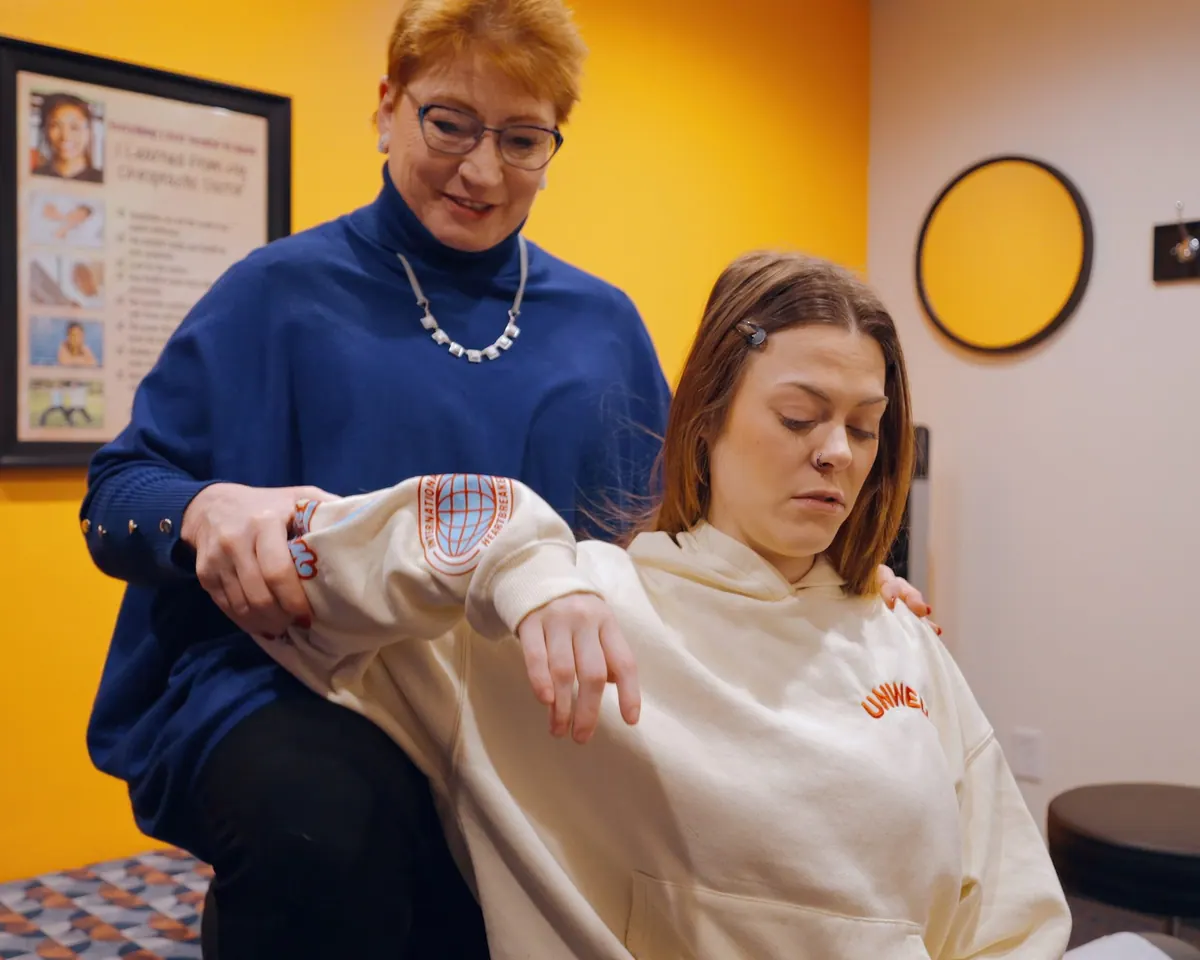
Chiropractic care for shoulder pain involves a hands-on, conservative approach to identifying and addressing the musculoskeletal causes of discomfort in and around the shoulder joint. Rather than masking symptoms with medication, chiropractic focuses on restoring proper alignment, joint mobility, and muscle function so the body can heal more effectively on its own.
- Why Shoulders Hurt: Understanding the Root Cause
- Common Causes of Shoulder Pain
- Chiropractic Techniques Used for Shoulder Pain
- How Chiropractic Care Fits Into Your Recovery
- Practical Tips for Managing Shoulder Pain at Home
- When to See a Chiropractor for Shoulder Pain
- Shoulder Pain: Common Causes and Chiropractic Approaches
- Myths vs. Facts About Chiropractic Care for Shoulder Pain
- Final Thoughts from Natural Ways Chiropractic
Why Shoulders Hurt: Understanding the Root Cause
The shoulder is one of the most mobile joints in the entire human body. That remarkable range of motion — the ability to reach, lift, rotate, and swing — is made possible by a complex network of bones, muscles, tendons, ligaments, and bursae all working together in perfect coordination. Because so many structures are involved, the shoulder is also particularly vulnerable to dysfunction and pain when any one part of that system breaks down.
What makes shoulder pain especially tricky is that the source of discomfort isn't always where you feel it. Pain felt in the shoulder can actually originate from the neck, the upper thoracic spine, or even the muscles that support your shoulder blade. This is why a thorough evaluation is so important. Treating the wrong area can delay real relief and allow the underlying issue to persist or worsen over time.
At Natural Ways Chiropractic in Roseville, MN, Dr. Trish Wolff takes a whole-body approach to assessing shoulder complaints. Rather than simply looking at the shoulder in isolation, the goal is to understand how the entire upper body — including the cervical spine, thoracic spine, and surrounding soft tissues — may be contributing to what you're feeling.
Common Causes of Shoulder Pain
Shoulder pain can come from a wide variety of sources, and identifying the underlying cause is essential to choosing the right care approach. Some of the most frequently seen causes include rotator cuff injuries, shoulder impingement syndrome, frozen shoulder (also known as adhesive capsulitis), bursitis, and referred pain from the cervical spine. Each of these conditions has its own distinct characteristics, but many share overlapping symptoms that can make self-diagnosis difficult and unreliable.
Rotator cuff issues are among the most common. The rotator cuff is a group of four muscles and their tendons that stabilize the shoulder joint and allow for arm rotation. When these muscles are strained, overused, or irritated, pain and weakness can develop — particularly with overhead movements. Shoulder impingement occurs when soft tissue structures in the shoulder become compressed during arm movements, causing pain and inflammation, especially when lifting the arm above shoulder height.
Frozen shoulder develops when the connective tissue surrounding the shoulder joint becomes inflamed and thickened, dramatically limiting range of motion. It often develops gradually and can be linked to periods of immobility, prior injury, or certain health conditions. Bursitis, on the other hand, involves inflammation of the small fluid-filled sacs (bursae) that cushion the shoulder joint, and it can produce sharp, localized pain.
Referred pain from the neck is also very common and is often overlooked. Nerve irritation in the cervical spine can send pain signals down into the shoulder, upper arm, or even the hand. Here in Roseville, MN, many patients who come to Natural Ways Chiropractic thinking they have a pure shoulder problem actually discover that their neck is playing a significant role in their discomfort.
Chiropractic Techniques Used for Shoulder Pain
One of the things patients appreciate most about chiropractic care for shoulder pain is that it's not a one-size-fits-all approach. Dr. Trish Wolff uses a variety of evidence-informed techniques tailored to each patient's specific diagnosis, pain level, and goals. Here's a look at the core techniques that are commonly used.
Spinal and Shoulder Joint Adjustments
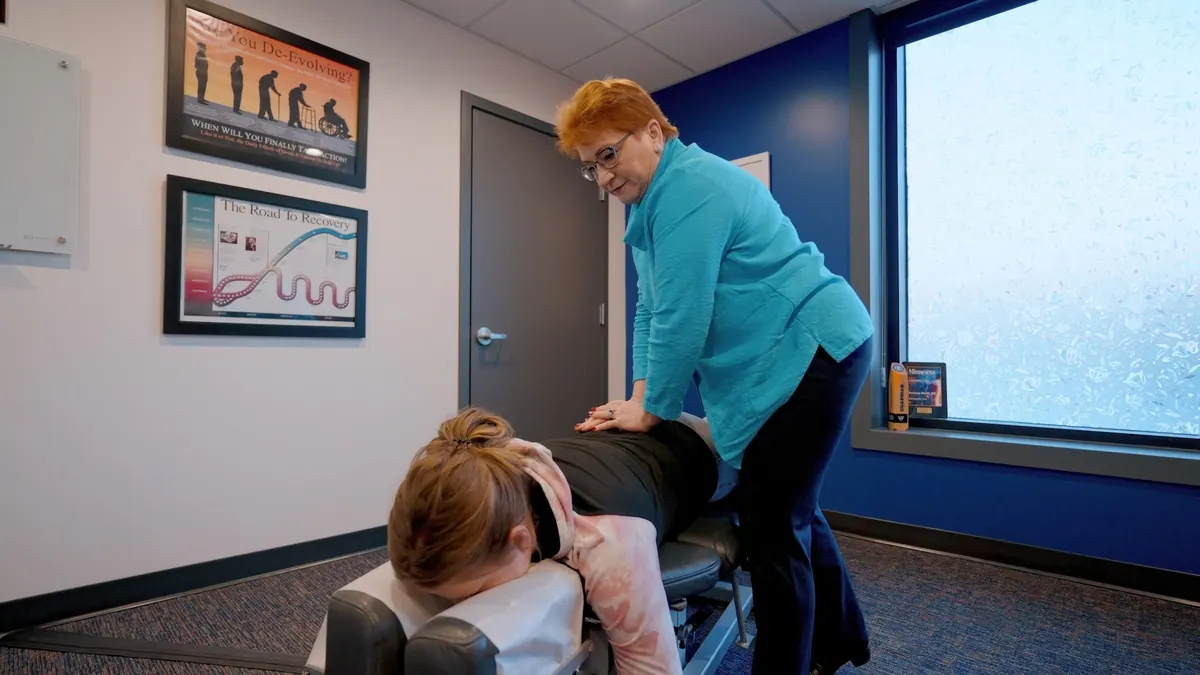
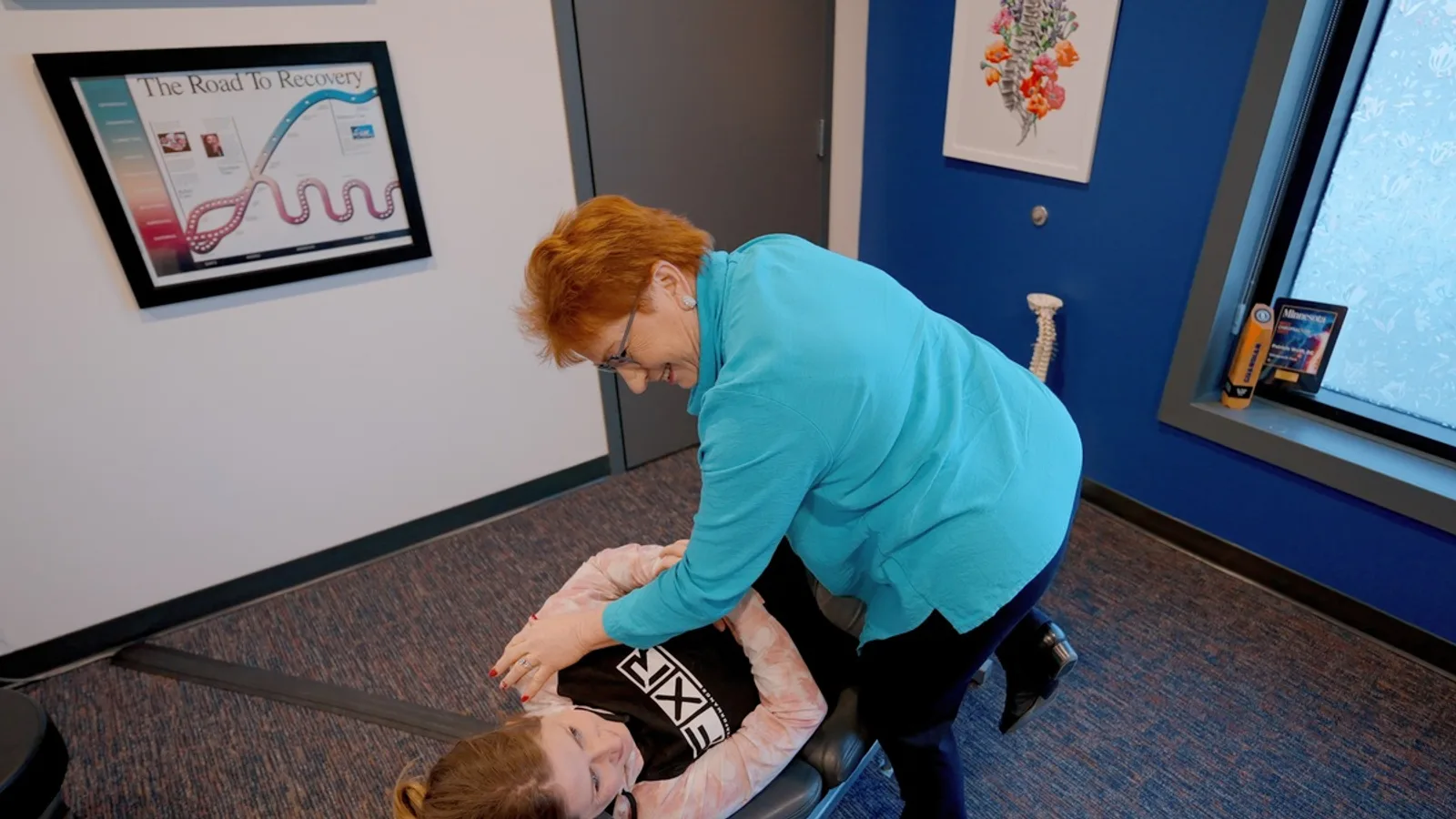
Chiropractic adjustments — also called spinal manipulation — involve applying a controlled, precise force to joints that have become restricted or misaligned. When it comes to shoulder pain, adjustments may be applied directly to the glenohumeral joint (the ball-and-socket of the shoulder), the acromioclavicular joint, or the joints of the cervical and thoracic spine that may be contributing to referred pain. Restoring proper joint motion helps reduce inflammation, ease muscle tension, and improve overall function in the area.
Soft Tissue Therapy
Many shoulder conditions involve tight, knotted, or dysfunctional muscles and connective tissue. Techniques such as myofascial release, trigger point therapy, and instrument-assisted soft tissue mobilization (IASTM) can help break up adhesions, improve circulation, and restore normal tissue flexibility. When muscles around the shoulder are properly relaxed and lengthened, the joint can move more freely and with less pain.
Therapeutic Exercises and Rehabilitation
Chiropractic care isn't just about passive treatment — it's about giving your body the tools to stay better long-term. At Natural Ways Chiropractic, patients are often guided through specific corrective exercises designed to strengthen the rotator cuff, improve scapular (shoulder blade) stability, and restore balanced muscle function around the shoulder girdle. Research suggests that combining manual therapy with targeted exercise can produce better outcomes than either approach alone.
Postural Correction and Ergonomic Guidance
Poor posture is a surprisingly significant contributor to shoulder pain. When the head juts forward or the upper back rounds (a condition known as thoracic kyphosis), the shoulder blades shift out of their ideal position, placing extra stress on the muscles and tendons of the shoulder. Dr. Trish Wolff often addresses postural habits and ergonomic setups — whether at a desk, in a car, or at a workstation — as part of a comprehensive care plan.
How Chiropractic Care Fits Into Your Recovery
Chiropractic care is best understood as a conservative, drug-free, non-surgical option for managing shoulder pain. It doesn't replace emergency medical care or the need for surgical intervention in severe cases, but for the vast majority of shoulder complaints — which are musculoskeletal in nature — it can be a highly effective first line of care. The American College of Physicians (ACP) has recommended non-pharmacological approaches as a first-line treatment for many musculoskeletal pain conditions, and chiropractic aligns naturally with that philosophy.
What sets chiropractic apart is its focus on the whole person. Rather than isolating a single painful spot and treating only that, care at Natural Ways Chiropractic in Roseville, MN looks at how the neck, mid-back, shoulder mechanics, posture, and lifestyle all interact with one another. This integrative perspective often reveals contributing factors that have been missed in other settings and can make a meaningful difference in long-term outcomes.
Recovery timelines vary depending on the nature and severity of the condition, how long it has been present, and individual health factors. Some patients experience noticeable relief within a few visits, while others with more complex or chronic issues require a longer course of care. Dr. Trish Wolff takes the time to explain realistic expectations from the start so patients always feel informed and empowered throughout their care journey.
Practical Tips for Managing Shoulder Pain at Home
While professional chiropractic care is an important component of recovery, there are also sensible steps you can take at home to support your healing. These are not substitutes for a proper evaluation, but they can complement your care plan and help prevent future flare-ups.
Mindful posture is one of the most impactful habits you can develop. Try to keep your ears, shoulders, and hips aligned when sitting or standing. If you work at a desk, ensure your monitor is at eye level and your keyboard allows your elbows to stay close to your body. Rounded shoulders and a forward head position put chronic strain on the shoulder structures, so small adjustments in how you sit and stand can add up over time.
Gentle movement is usually better than complete rest for most shoulder conditions. Prolonged immobility can lead to stiffness and even contribute to conditions like frozen shoulder. Unless you've been specifically advised to rest by a healthcare provider, gentle range-of-motion exercises performed within a pain-free range can keep the joint mobile and the surrounding tissues healthy.
Sleep position also matters more than many people realize. Sleeping on the affected shoulder can compress the joint and aggravate inflammation overnight. Sleeping on your back with a supportive pillow, or on your opposite side with a pillow between your arms, can significantly reduce nighttime discomfort.
When to See a Chiropractor for Shoulder Pain
Not every ache needs a clinic visit, but there are clear signs that professional evaluation is warranted. If your shoulder pain has lasted more than a few days without improvement, if it's affecting your ability to sleep, work, or perform daily activities, or if it followed a specific injury or accident, it's a good idea to get checked out. At Natural Ways Chiropractic in Roseville, MN, Dr. Trish Wolff can help determine whether chiropractic care is the right fit or whether a referral to another provider is more appropriate.
There are also certain red flag symptoms that should prompt you to seek medical attention right away rather than starting with chiropractic. These include severe trauma to the shoulder (such as a fall or direct impact), visible deformity of the joint, sudden inability to move the arm, chest pain accompanied by left shoulder pain (which could signal a cardiac issue), numbness or weakness extending down the arm, or fever alongside joint pain. These situations require urgent medical evaluation and are outside the scope of conservative chiropractic care.
For the vast majority of shoulder pain presentations — the kind that build gradually from posture, repetitive movement, overuse, or minor strain — chiropractic care is a well-suited, evidence-informed option that's worth exploring before turning to medications or more invasive interventions.
Shoulder Pain: Common Causes and Chiropractic Approaches
| Condition | Common Symptoms | How Chiropractic May Help |
|---|---|---|
| Rotator Cuff Strain | Weakness, pain with overhead lifting, aching at rest | Soft tissue therapy, rehabilitation exercises, joint mobilization |
| Shoulder Impingement | Painful arc when lifting arm, clicking or catching sensation | Joint adjustments, postural correction, muscle strengthening |
| Frozen Shoulder | Progressive loss of range of motion, stiffness, dull ache | Gentle mobilization, soft tissue therapy, range-of-motion exercises |
| Bursitis | Localized tenderness, swelling, pain with movement | Inflammation reduction strategies, activity modification, myofascial release |
| Cervical Referred Pain | Shoulder/arm pain linked to neck movement, possible tingling | Cervical spine adjustments, nerve mobilization, postural work |
Myths vs. Facts About Chiropractic Care for Shoulder Pain
Myth: Chiropractors only work on backs — they can't help with shoulder pain.
Fact: Chiropractors are trained to evaluate and treat the entire musculoskeletal system, including the shoulder girdle, upper extremities, and the spinal regions that influence shoulder function. Shoulder pain is a very common and well-within-scope condition for chiropractic care.
Myth: Chiropractic adjustments to the shoulder are painful and risky.
Fact: Chiropractic techniques are adapted to each patient's condition and comfort level. Shoulder adjustments and mobilizations are typically gentle, especially for acute or sensitive conditions. Dr. Trish Wolff always conducts a thorough assessment before applying any technique to ensure it's appropriate and safe for the individual patient.
Myth: You should wait until the pain becomes severe before seeing a chiropractor.
Fact: Early intervention is generally more effective than waiting. Addressing shoulder dysfunction early can prevent compensatory patterns from developing in other areas of the body and can reduce the risk of a minor issue progressing into a more complex, chronic problem.
Myth: If chiropractic doesn't fix the problem immediately, it isn't working.
Fact: Many musculoskeletal conditions took weeks, months, or even years to develop — recovery rarely happens overnight. Improvement is often gradual, and consistent care combined with home strategies typically produces the most lasting results. Progress is monitored and care plans are adjusted as needed.
Myth: Chiropractic care and medical care are mutually exclusive for shoulder pain.
Fact: Chiropractic care works best when it's part of a broader healthcare picture. When necessary, Dr. Trish Wolff coordinates with or refers to other providers — including primary care physicians, orthopedic specialists, or physical therapists — to ensure patients receive the most appropriate and complete care available.
Final Thoughts from Natural Ways Chiropractic
Shoulder pain can be genuinely disruptive — but it doesn't have to be permanent. Whether your discomfort has been building quietly for months or showed up suddenly after an awkward movement, understanding what's happening in your shoulder and why is the first step toward feeling better. Chiropractic care for shoulder pain offers a thoughtful, hands-on approach that respects your body's natural ability to heal when given the right support.
Here at Natural Ways Chiropractic in Roseville, MN, Dr. Trish Wolff is passionate about helping members of our local community find real, lasting relief without relying on medications or surgery whenever a conservative approach is appropriate. Every patient who walks through the door is treated as an individual — with their own history, their own goals, and their own pace of recovery. That's what community-based, patient-centered chiropractic care looks like in practice.
If you've been searching for shoulder pain relief near Roseville, MN, we'd love the opportunity to help you understand your options and start moving in the right direction. Your shoulder — and your quality of life — are worth taking care of.
Frequently Asked Questions
Can a chiropractor really help with shoulder pain?
Yes. Chiropractors are trained to assess and treat musculoskeletal shoulder conditions using a variety of manual and rehabilitative techniques. Evidence indicates that chiropractic care, particularly when combined with exercise, can be effective for many common shoulder complaints including rotator cuff issues, impingement, and referred pain from the cervical spine.
How many chiropractic visits will I need for shoulder pain?
The number of visits varies depending on the nature of the condition, how long it has been present, and how the individual responds to care. Some patients notice significant improvement within a handful of visits, while chronic or complex cases may require a more extended care plan. Dr. Trish Wolff will outline a realistic plan after a thorough initial assessment.
Is chiropractic care safe for shoulder pain?
For the vast majority of patients, chiropractic care for shoulder conditions is considered safe when performed by a licensed chiropractor following a proper evaluation. Techniques are always adapted to the patient's specific condition, age, and health status to minimize any risk.
Can my neck be causing my shoulder pain?
Absolutely — this is more common than many people realize. The nerves that travel from the cervical spine into the arm pass near the shoulder, and irritation or compression in the neck can produce pain, tingling, or weakness that feels like a shoulder problem. A chiropractic evaluation can help determine whether the neck is contributing to your symptoms.
What's the difference between chiropractic care and physical therapy for shoulder pain?
Both are conservative, non-surgical approaches that can be helpful for shoulder pain. Chiropractic care typically emphasizes joint function, spinal alignment, and the nervous system's role in healing, while physical therapy focuses primarily on rehabilitation exercises and movement retraining. In many cases, the two approaches complement each other well and can be used together.
Should I apply ice or heat to my shoulder before a chiropractic appointment?
Generally speaking, ice is recommended for acute or newly injured shoulders where swelling and inflammation are present, while heat may be more appropriate for chronic stiffness or muscle tightness. However, it's best to ask Dr. Trish Wolff or your care team what's most appropriate for your specific situation, as recommendations can vary based on the condition.
TL;DR Summary
- Shoulder pain is a complex issue that can stem from the shoulder joint itself, surrounding soft tissues, or referred pain from the cervical spine — which is why a thorough evaluation matters.
- Chiropractic care for shoulder pain uses a combination of joint adjustments, soft tissue therapy, corrective exercises, and postural correction to address the root cause of discomfort.
- Common shoulder conditions treated with chiropractic include rotator cuff strain, impingement, frozen shoulder, bursitis, and cervical referred pain.
- Early intervention, consistent home care habits, and a whole-body perspective tend to produce the best long-term outcomes.
- At Natural Ways Chiropractic in Roseville, MN, Dr. Trish Wolff provides individualized, evidence-informed care to help patients move and feel better without drugs or surgery when appropriate.