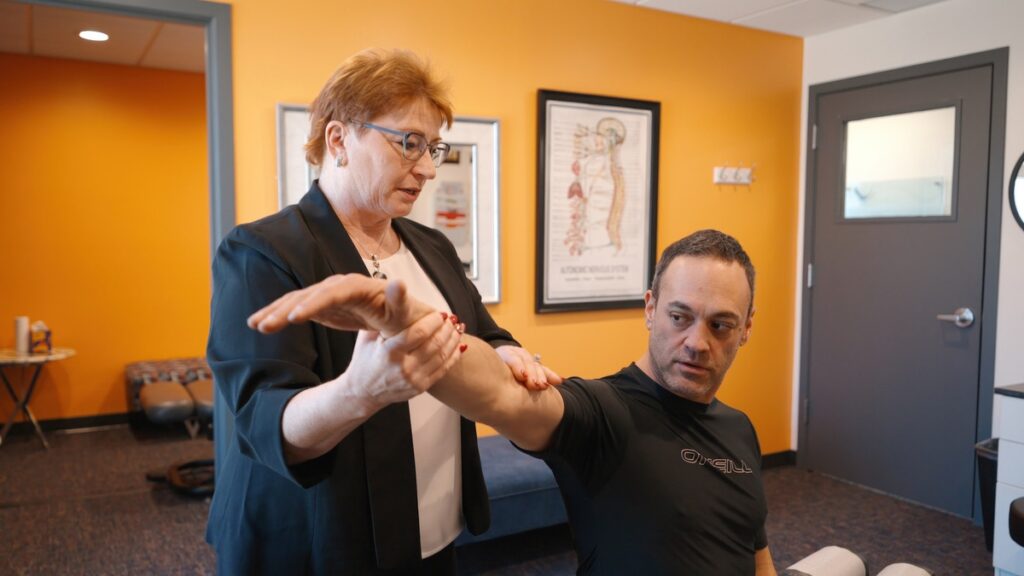
Enhancing your joint flexibility and movement is crucial for achieving optimal health and preventing injuries, and chiropractic care plays a vital role in this process. You might think you know all there is to know about flexibility, but common misconceptions could be limiting your progress. By understanding different stretching techniques and incorporating them into your routine, you can significantly improve your overall well-being.
As a chiropractor, I want to help you access your body’s full potential through natural healing methods. Chiropractic adjustments can enhance your range of motion, relieve pain, and promote better joint function. It’s essential to recognize that flexibility is not just about stretching; it’s also about ensuring that your spine and joints are properly aligned.
Are you ready to assess your knowledge and identify areas for improvement? Let’s dive into some simple tips and tricks that can enhance your flexibility and overall joint health:
- Regular Chiropractic Visits: Regular adjustments can help maintain proper alignment, reduce tension, and improve mobility in your joints.
- Incorporate Stretching: Include gentle stretching into your daily routine. Focus on areas that feel tight, but remember to listen to your body and avoid overstretching.
- Stay Hydrated: Drinking enough water is vital for joint health. Proper hydration helps keep the cartilage in your joints lubricated.
- Strength Training: Incorporating strength exercises can support your joints and improve overall flexibility. Strong muscles help stabilize your joints and prevent injuries.
- Mindful Movement: Pay attention to your body during activities. Practicing good posture and proper body mechanics can make a significant difference in your joint health.
By embracing these practices, you can enhance your flexibility and movement naturally, paving the way for a healthier, pain-free life. Remember, chiropractic care is an excellent choice for achieving optimal health and wellness. Let’s work together to unlock your body’s full potential!
Key Takeaways
- Engaging in regular physical activity, such as walking and swimming, is essential for maintaining joint flexibility and overall mobility. These activities help keep your joints moving and can significantly improve your comfort levels.
- To enhance your flexibility, consider incorporating both dynamic and static stretching techniques into your daily routine. These stretches can help improve your range of motion and overall performance, making everyday activities easier.
- Exploring practices like yoga or Pilates can be incredibly beneficial for your joint health. These exercises not only promote flexibility and balance but also strengthen your core, which supports your spine and overall alignment.
- Staying hydrated is crucial for joint health. Drinking plenty of water helps keep your joints lubricated, reducing stiffness and discomfort during physical activities. Remember, your body needs water to function optimally!
- Regular visits to a chiropractor can greatly enhance your flexibility and support proper spinal alignment. Chiropractic care focuses on natural healing, helping your body function at its best without the need for surgeries or medications. By addressing misalignments, chiropractic adjustments can alleviate pain and promote overall wellness.
By focusing on these simple tips and integrating chiropractic care into your health routine, you can achieve optimal health and enjoy a more active, pain-free lifestyle!
Understanding Joint Flexibility
Joint flexibility is vital for enhancing your overall mobility and physical performance. It refers to how well your joints can move through their full range of motion. When your joints are flexible, everyday tasks become easier—whether you’re reaching for something on a high shelf or bending down to tie your shoes.
Several factors can affect your joint flexibility, including age, genetics, and how active you are. However, you can improve and maintain your flexibility through regular stretching and strength training. It’s important to include exercises that focus on different joints, as each one has its own specific flexibility needs.
Incorporating chiropractic care into your wellness routine can significantly enhance your joint flexibility. Chiropractors focus on aligning your spine and ensuring your joints function optimally. This alignment can alleviate stiffness and improve your range of motion, making it easier for you to perform physical activities.
Understanding the significance of joint flexibility can motivate you to prioritize it in your daily life. By taking steps, like engaging in chiropractic care, you not only boost your physical performance but also reduce the risk of injuries. Remember to listen to your body and seek professional guidance when needed.
Here are some general tips to enhance your joint flexibility:
- Stay Active: Engage in regular physical activity, such as walking, swimming, or yoga, which can promote joint movement and flexibility.
- Incorporate Stretching: Make stretching a part of your routine, especially after workouts. Focus on major muscle groups and the joints associated with them.
- Consult a Chiropractor: Regular chiropractic adjustments can help maintain joint alignment and flexibility. Your chiropractor can provide personalized exercises tailored to your needs.
- Stay Hydrated: Drinking enough water is essential for joint health. It helps keep the cartilage lubricated and nourished.
- Warm-Up Before Exercise: Always warm up your muscles and joints before engaging in physical activities to prevent stiffness and injury.
The Importance of Flexibility in Movement
The Importance of Flexibility in Movement for Optimal Health
As a chiropractor, I want to emphasize the vital role flexibility plays in your overall health and daily activities. When you maintain good flexibility, you not only enhance your movement but also improve your body’s ability to function efficiently.
Here are four key reasons why flexibility is essential for your health and well-being:
- Enhanced Performance: When your body is flexible, you can move more freely and easily, which can greatly improve your performance in sports and everyday activities. This means you can run, jump, and play with better ease, allowing you to enjoy life to the fullest.
- Injury Prevention: Keeping your muscles and joints flexible can significantly lower your risk of injuries. Flexible structures are less likely to strain or tear, which means you can engage in your favorite activities without the fear of getting hurt. Regular chiropractic care can help assess and improve your flexibility, keeping your body strong and resilient.
- Better Posture: Flexibility contributes to proper body alignment, which is crucial for maintaining good posture. When your body is well-aligned, you can alleviate discomfort and avoid chronic pain, especially in your back and neck. Regular chiropractic adjustments can support your body’s alignment and enhance your flexibility.
- Faster Recovery: After physical activity, stretching and maintaining flexibility can help your body recover more quickly. This ensures that you feel refreshed and ready for your next workout or daily routine. Incorporating gentle stretching into your routine can work wonders for your recovery.
To incorporate flexibility into your life, consider these simple tips:
- Stretch Daily: Aim to include gentle stretches in your daily routine. Focus on major muscle groups and hold each stretch for 15-30 seconds.
- Stay Active: Engage in activities like yoga or Pilates, which promote flexibility and can complement your chiropractic care.
- Listen to Your Body: Pay attention to how your body feels. If you notice tightness or discomfort, it may be a sign to focus more on flexibility exercises.
- Regular Chiropractic Visits: Schedule regular check-ups with your chiropractor to ensure your spine is aligned and your muscles are functioning properly.
By prioritizing flexibility through chiropractic care and simple lifestyle changes, you can enhance your movement, prevent injuries, and improve your overall well-being.
Common Myths About Flexibility
You might think that stretching is the only way to improve flexibility, but that’s not the whole story. Many people also believe that age limits your flexibility potential, and that’s a myth worth exploring as we focus on achieving optimal health through natural methods like chiropractic care.
Chiropractic adjustments can play a significant role in enhancing your overall flexibility by promoting proper spinal alignment, which is essential for a healthy range of motion. When your spine is aligned, your muscles, ligaments, and joints can function better, allowing for improved flexibility and movement.
Additionally, it’s important to incorporate regular physical activity into your routine. Activities such as yoga or gentle stretching, combined with chiropractic care, can work wonders for your flexibility and overall wellness.
Remember, flexibility isn’t just about stretching; it’s also about maintaining a healthy spine and nervous system.
Consider visiting your chiropractor for a personalized assessment, and to discuss how chiropractic care can help you achieve optimal flexibility and pain relief. By focusing on a holistic approach to health, you can enjoy a more active and fulfilling life at any age.
Stretching Equals Flexibility
Many people mistakenly believe that stretching alone guarantees improved flexibility. While stretching is an important part of your wellness routine, it’s just one component of a broader approach to enhancing flexibility, which is crucial for maintaining a healthy spine and overall well-being.
As your local chiropractor, I want to share some essential factors that can help you improve your flexibility naturally and effectively:
- Strength Training: Building strength in your muscles is vital for supporting your joints, which can lead to better flexibility. Incorporating exercises that strengthen your core and back can significantly benefit your spinal health.
- Balance Exercises: Adding balance work to your routine can enhance coordination and flexibility, allowing for smoother movements. Simple activities like standing on one leg or practicing yoga can be incredibly beneficial.
- Consistent Practice: Regularly engaging in stretching routines, rather than doing them sporadically, will yield better results over time. Aim to set aside a few minutes each day to stretch and work on your flexibility.
- Warm-Up: Always warm up before stretching to prepare your muscles and joints. A gentle warm-up increases blood flow and reduces the risk of injury, making your stretching more effective.
- Chiropractic Care: Regular visits to your chiropractor can greatly enhance your flexibility and overall health. Chiropractic adjustments help ensure your spine is aligned, which can improve your range of motion and make stretching more effective.
By incorporating these practices into your routine, you can naturally improve your flexibility and support your overall health.
Age Limits Flexibility Potential
While age can influence your physical abilities, it doesn’t have to determine your flexibility potential. Many people believe that as they age, their flexibility declines irreversibly. This is a common misconception! With consistent practice and the right techniques, you can maintain or even improve your flexibility at any age.
Incorporating stretching into your routine is crucial for keeping your joints and muscles supple. Whether you’re in your 20s or 70s, regular stretching and mobility exercises can significantly enhance your range of motion. As a chiropractor, I can tell you that staying active and prioritizing your spinal health plays a vital role in achieving overall wellness.
Don’t let age hold you back! Listen to your body and adapt your workouts to suit your needs. Here are some tips to help you on your flexibility journey:
- Start Slowly: If you’re new to stretching, begin with gentle movements and gradually increase the intensity as your muscles adapt.
- Consistency is Key: Aim for regular stretching sessions, even if they’re brief. Consistency over time will yield the best results.
- Incorporate Chiropractic Care: Regular visits to your chiropractor can help ensure that your spine is aligned, which supports better mobility and flexibility.
- Focus on Breath: Breathing deeply while stretching can help your muscles relax and improve your overall experience.
- Stay Hydrated: Proper hydration is essential for muscle function and flexibility. Drink plenty of water throughout the day.
With dedication and the right approach, you can enjoy a flexible, active lifestyle throughout your life. Remember, chiropractic care is an excellent way to support your journey to optimal health and wellness. Embrace the possibilities that come with maintaining your flexibility, no matter your age!
Types of Stretching Techniques
Stretching techniques are vital for enhancing flexibility and preventing injuries, and as a chiropractor, I believe they can significantly complement your journey toward optimal health and wellness. Incorporating various types of stretching into your routine can’t only improve your physical performance but also support your spinal health.
Here are four essential stretching techniques that can be beneficial:
- Static Stretching: This technique involves holding a stretch for a set amount of time. It’s excellent for improving overall flexibility and is best performed after your workouts or chiropractic adjustments. Take a few moments to gently stretch major muscle groups to help your body relax and recover.
- Dynamic Stretching: These stretches involve moving your body parts through their full range of motion. They’re perfect for warming up and preparing your muscles and joints before physical activities. Incorporate dynamic stretches like arm circles or leg swings to increase circulation and flexibility, helping to reduce the risk of injury.
- Ballistic Stretching: While this technique uses momentum to push your body beyond its normal range, it can be risky if not done with caution. Instead of jumping into ballistic stretches, focus on controlled movements that engage your muscles without forcing them. Remember, safety is key to maintaining your spinal health.
- Proprioceptive Neuromuscular Facilitation (PNF): This advanced technique combines stretching and contracting the muscle group, and it can be very effective for improving flexibility. Although it often requires a partner, you can practice similar methods on your own by gently contracting and then relaxing your muscles.
Incorporating these techniques into your routine can enhance your flexibility and overall well-being.
Remember, regular chiropractic care supports your body’s natural healing processes and can help maintain your flexibility and spinal health. Always listen to your body, and if you experience any pain or discomfort, consult your chiropractor for personalized advice on your stretching routine.
Embrace these tips to foster a healthier, more active lifestyle!
Effective Exercises for Joint Flexibility
Improving joint flexibility is essential for maintaining an active lifestyle and preventing injuries, and chiropractic care plays a vital role in helping you achieve that. As a chiropractor, I believe that enhancing your flexibility can significantly contribute to your overall health and wellness.
To start, incorporate dynamic stretches into your warm-up routine. Simple movements like arm circles and leg swings can help prepare your joints for activity. Following this, static stretches are beneficial. Try the seated hamstring stretch and butterfly stretch, holding each position for 20-30 seconds to gently ease your muscles and joints into a more flexible state.
Yoga can also be a fantastic addition to your flexibility routine. Poses like downward dog and pigeon pose specifically target the hips and shoulders, which are crucial areas for mobility. Don’t overlook the cat-cow stretch; it’s a wonderful way to promote spinal mobility, which is essential for overall joint health.
Foam rolling is another effective tool in your flexibility arsenal. It helps release tension in tight muscles surrounding your joints, allowing for better movement.
Aim to dedicate at least 10-15 minutes several times a week to these flexibility exercises. Consistency is key! Over time, you’ll likely notice improved range of motion and reduced stiffness, making it easier to move about your daily life with ease.
As you enhance your flexibility, consider scheduling regular chiropractic adjustments. These adjustments can help ensure your spine and joints are aligned, further supporting your flexibility efforts and overall wellness.
How to Incorporate Flexibility Training Into Your Routine
Incorporating flexibility training into your routine is a fantastic way to support your overall health and wellness, especially when combined with chiropractic care. Flexibility not only enhances your range of motion but also aids in spinal health and can help reduce pain.
Here are four simple ways to integrate flexibility training into your daily life:
- Warm-Up Stretch: Before you dive into any physical activity, take 5-10 minutes to stretch your major muscle groups. This warming up process prepares your body for movement, enhances flexibility, and can help prevent injuries. Remember, a well-aligned spine is crucial for effective stretching!
- Post-Workout Cool Down: After your exercise routine, spend some time stretching out your muscles. Focus on areas that may feel tight. This won’t only aid in your recovery but also promote greater flexibility. A relaxed spine is key to feeling your best after any workout.
- Daily Stretch Breaks: Throughout your day, set aside just 5 minutes to perform simple stretches. Whether you’re at your desk or watching your favorite show, these breaks can help alleviate tension and keep your spine aligned. Simple stretches can be a great way to reduce discomfort and enhance your flexibility.
- Incorporate Yoga or Pilates: Consider trying a local yoga or Pilates class. These practices aren’t only enjoyable but also emphasize flexibility, balance, and core strength – all essential for a healthy spine. Plus, they complement the benefits of chiropractic care beautifully.
By incorporating these flexibility training tips into your routine, you’ll be promoting not only your flexibility but also your overall spinal health.
Assessing Your Current Flexibility Levels
To truly grasp your flexibility levels, it’s essential to conduct an assessment of your current state. There are several simple techniques that you can use to measure your flexibility, and it’s important to also identify any common limitations that may be affecting your movement.
By recognizing these factors, you can tailor your training program for improved results.
Chiropractic care can play a vital role in enhancing your flexibility and overall spinal health. Regular chiropractic adjustments help to realign your spine, which can improve your range of motion and reduce tension in your muscles. This can lead to better flexibility and a more active lifestyle.
Here are some general tips to help you improve your flexibility:
- Incorporate Stretching: Regularly practicing gentle stretches can help increase your flexibility. Focus on major muscle groups and hold each stretch for 15-30 seconds.
- Stay Hydrated: Drinking plenty of water supports muscle function and helps prevent stiffness.
- Warm-Up: Before engaging in any physical activity, take time to warm up your muscles. A proper warm-up can enhance your flexibility and reduce the risk of injury.
- Listen to Your Body: Pay attention to how your body feels during movements. If you experience discomfort, it’s important to stop and consult with your chiropractor for guidance.
- Seek Chiropractic Care: Regular visits to your chiropractor can help maintain spinal alignment, which is essential for optimal movement and flexibility.
Flexibility Assessment Techniques
While many people focus on strength training, evaluating your flexibility is equally important for overall wellness and spinal health. Understanding your current flexibility levels can help you identify areas needing improvement, prevent injuries, and enhance your overall quality of life.
Here are four effective flexibility assessment techniques you can try at home to help you on your journey to optimal health:
- Sit-and-Reach Test: Sit on the floor with your legs extended straight in front of you. Slowly reach forward toward your toes and see how far you can go. This test can help you gauge the flexibility of your hamstrings and lower back, which are crucial for maintaining a healthy spine.
- Shoulder Flexibility Test: Reach one arm over your shoulder and the other behind your back, and try to touch your fingers together. This will give you a sense of your shoulder flexibility, which is important for maintaining good posture and preventing discomfort in your upper body.
- Hip Flexor Test: Kneel on one knee, pushing your hips forward gently. Measure how far you can go without experiencing discomfort. This assessment helps evaluate the flexibility of your hip flexors, which play a significant role in your overall mobility and spinal alignment.
- Quadriceps Flexibility Test: Stand on one leg and pull your opposite heel towards your glutes. This will help you assess the flexibility of your quadriceps, which can affect your posture and balance.
These simple assessments can provide valuable insights into your flexibility and highlight areas for improvement.
Remember, maintaining flexibility is essential for spinal health and overall wellness. If you find areas where you need to improve, consider incorporating gentle stretching routines into your daily life.
Additionally, regular chiropractic care can help enhance your flexibility and promote natural healing, ensuring that your body remains balanced and pain-free. Embrace these techniques to support your journey towards a healthier, more flexible you!
Common Flexibility Limitations
After assessing your flexibility with various techniques, you may discover certain limitations affecting your daily life and overall well-being. Common flexibility issues, such as tight hamstrings, restricted shoulder mobility, and limited hip rotation, can interfere with essential movements like bending, reaching, or squatting. This can lead to discomfort during physical activities and may impact your balance and coordination.
Recognizing these areas of limitation is an important first step towards improving your flexibility and overall health. One effective and natural way to address these issues is through chiropractic care. A chiropractor can help identify the root causes of your flexibility limitations and guide you through personalized stretches and mobility exercises tailored to your specific needs.
In addition to chiropractic adjustments, consider incorporating simple stretching routines into your daily life. For instance, gentle hamstring stretches, shoulder rolls, and hip openers can be beneficial. Remember to listen to your body and progress gradually to avoid strain.
By actively working on these flexibility challenges with the support of chiropractic care, you not only enhance your movement quality but also reduce the risk of injury and elevate your overall physical performance.
Embracing a holistic approach to health through chiropractic can lead you to a more active, pain-free, and fulfilling life.
Tips for Maintaining Long-Term Flexibility
Maintaining long-term flexibility is essential for overall health and well-being, and it requires a consistent approach that integrates seamlessly into your daily life. As a chiropractor, I want to share some effective tips that can help you keep your joints healthy and your movements fluid, all while emphasizing the benefits of chiropractic care for optimal health.
1. Stretch Regularly: Make stretching a part of your routine at least 3-4 times a week. Dynamic stretches before physical activity can help warm up your muscles, while static stretches afterward can aid in recovery.
Regular chiropractic adjustments can also enhance your flexibility by ensuring that your spine and joints are properly aligned.
2. Stay Hydrated: Keeping your body hydrated is crucial for joint health. Water helps to lubricate your muscles and joints, reducing stiffness and enhancing your overall flexibility.
Remember, staying hydrated can also support your spinal discs, which rely on proper hydration to maintain their cushioning properties.
3. Incorporate Yoga or Pilates: Engaging in yoga or Pilates can significantly improve your flexibility and balance. These practices promote mindfulness, relaxation, and core strength, all of which are beneficial for maintaining a healthy spine.
Plus, a chiropractor can provide guidance on specific poses or exercises that support your individual needs.
4. Listen to Your Body: It’s essential to pay attention to any discomfort or pain you may experience. If something doesn’t feel right, it’s important to modify your routine to prevent injury.
Regular chiropractic care can help you identify any underlying issues and keep your body functioning optimally, allowing you to pursue your flexibility goals safely.
By incorporating these practices into your life and prioritizing chiropractic care, you can enhance your flexibility, reduce pain, and promote overall wellness naturally.
Conclusion
Incorporating flexibility training into your daily routine is essential for enhancing joint movement and preventing injuries, and chiropractic care can play a pivotal role in this journey. As a chiropractor, I believe that understanding different stretching techniques and dispelling common myths about flexibility can significantly boost your performance and overall well-being.
Regular evaluations of your flexibility, combined with chiropractic adjustments, can help you maintain long-term mobility and health. Remember, it’s never too late to prioritize your flexibility; even small, consistent efforts can lead to significant improvements in your physical health and energy.
Here are some practical tips to enhance your flexibility naturally:
- Stretch Regularly: Incorporate simple stretches into your daily routine. Focus on major muscle groups and joints, holding each stretch for 15-30 seconds.
- Listen to Your Body: Pay attention to how your body feels during stretching. If something feels painful, ease back – flexibility should never come at the cost of discomfort.
- Stay Hydrated: Drinking plenty of water supports muscle health and flexibility. Hydration helps keep your joints lubricated and functioning smoothly.
- Chiropractic Care: Regular visits to your chiropractor can help align your spine and joints, making it easier for you to achieve better flexibility and movement.
- Warm Up Before Stretching: Always warm up your muscles before stretching. Gentle movements or light cardio for 5-10 minutes can prepare your body for deeper stretches.
Remember, prioritizing flexibility through chiropractic care and consistent practice can lead to a healthier, more active life. Let’s get moving and stretch our limits together!