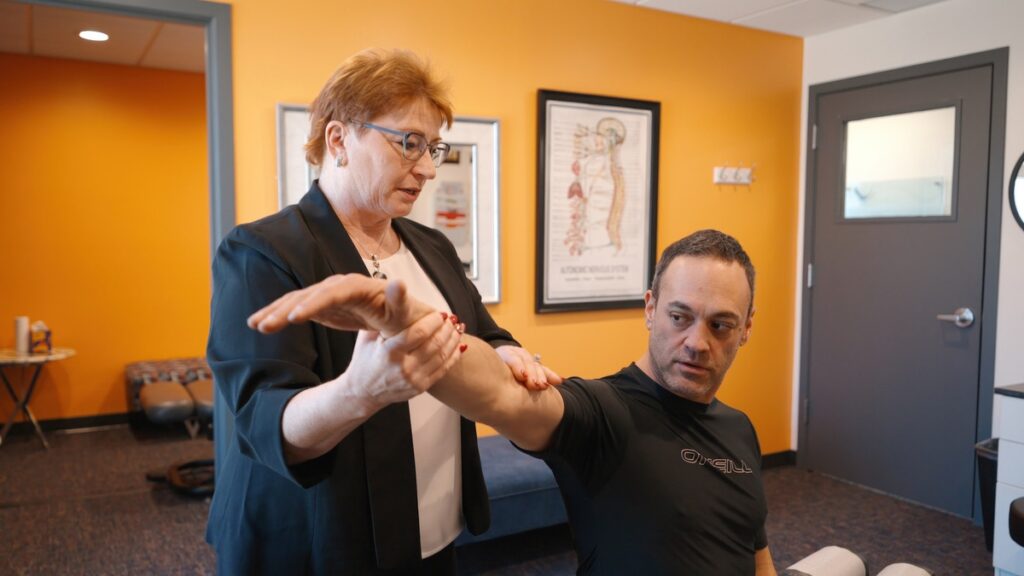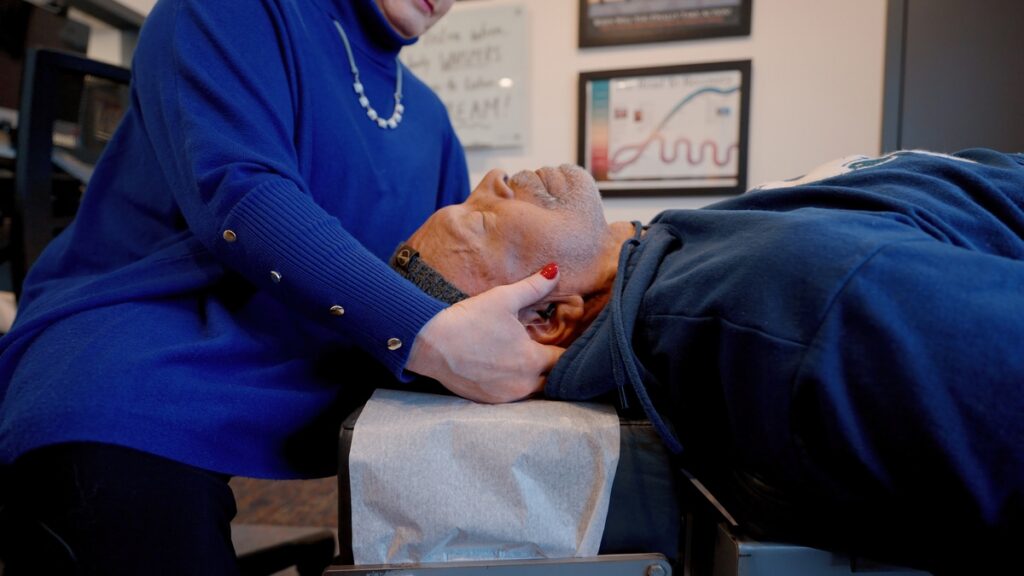
If you’re experiencing lower back pain, you’re not alone—it’s a common issue that can significantly affect your daily life. Fortunately, gentle relief is within reach, and chiropractic care is one of the best options for restoring your comfort and well-being.
By incorporating low-impact movements and targeted stretches into your routine, you can begin to alleviate discomfort. Chiropractic adjustments specifically target spinal alignment and can help reduce tension in the muscles surrounding your back, leading to a more effective healing process. Understanding the underlying causes of your pain is essential, and a chiropractor can provide valuable insights tailored to your specific needs.
Here are some gentle strategies to consider on your journey to relief:
- Chiropractic Adjustments: Regular visits to a chiropractor can help realign your spine, improve mobility, and reduce pain through natural methods.
- Gentle Stretches: Incorporate stretches that focus on the lower back and surrounding muscles. Simple movements like knee-to-chest stretches or pelvic tilts can promote flexibility and alleviate tension.
- Posture Awareness: Pay attention to your posture during daily activities. Using ergonomic furniture and practicing good posture can help minimize strain on your back.
- Mindful Movements: Engage in low-impact activities such as walking, swimming, or yoga. These exercises can strengthen your back without putting excess pressure on it.
- Heat Therapy: Applying a warm compress or heating pad to your lower back can help soothe sore muscles and enhance blood flow, aiding in the healing process.
- Hydration and Nutrition: Staying hydrated and maintaining a balanced diet rich in anti-inflammatory foods can support overall health and help keep your body functioning optimally.
Remember, the journey to relief is unique for everyone, but partnering with a chiropractor can make a significant difference in how you manage and overcome lower back pain. Embrace these gentle strategies, and take proactive steps toward a healthier, pain-free life!
Key Takeaways
As your local chiropractor, I’m here to share some gentle and effective solutions for relieving lower back pain while supporting your overall spine health. Here are some simple tips you can incorporate into your daily routine:
- Stay Active: Engage in low-impact activities such as walking, swimming, or cycling for 20–30 minutes. These activities are gentle on your body and can help reduce stiffness while promoting a healthy spine.
- Gentle Stretching: Incorporate easy stretching techniques into your day to relieve tension and improve flexibility. Simple stretches like the cat-cow and knee-to-chest can work wonders for your lower back.
- Posture Matters: Maintaining good posture is key to preventing lower back strain. Invest in ergonomic furniture and practice proper lifting techniques to keep your spine aligned and healthy.
- Chiropractic Care: Consider regular chiropractic adjustments to promote natural healing and address the root causes of your back pain. Chiropractic care is designed to restore proper alignment, which can lead to long-term relief and improved overall health.
- Relaxation Techniques: Stress can contribute to muscle tension in your back. Utilize relaxation techniques such as deep breathing exercises and gentle yoga to help manage stress and enhance your well-being.
Remember, these tips are designed to support your journey toward optimal health. By integrating these practices and considering chiropractic care, you can take proactive steps towards a healthier, pain-free life.
Understanding Lower Back Pain
Understanding lower back pain is essential, especially since it affects so many people throughout their lives. Discomfort can arise from various factors, including muscle strain, herniated discs, or poor posture.
Often, repetitive movements or prolonged sitting contribute to stiffness and tension in the lower back. By recognizing the symptoms early, you can take proactive steps to address the issue before it escalates, and chiropractic care can be a powerful tool in this process.
As a chiropractor, I want to emphasize that emotional stress can also play a significant role in lower back pain, leading to muscle tightness and discomfort. It’s important to listen to your body and observe how it reacts to different activities or stressors.
Understanding the underlying causes of your pain allows you to make informed decisions about your treatment and lifestyle changes.
Chiropractic care focuses on natural healing and restoring balance to your spine, which can greatly alleviate lower back pain. Regular adjustments can improve mobility, reduce tension, and promote overall well-being.
Here are some general tips to help you manage lower back pain:
- Maintain Good Posture: Sit and stand tall. Use ergonomic furniture to support your back and avoid slouching.
- Stay Active: Engage in low-impact exercises like walking, swimming, or yoga, which help strengthen your back muscles and improve flexibility.
- Practice Stress Management: Incorporate relaxation techniques such as deep breathing, meditation, or gentle stretching to reduce emotional stress that can contribute to pain.
- Listen to Your Body: If an activity causes discomfort, take a break or modify how you perform it.
By integrating these practices into your daily routine and seeking chiropractic care, you can effectively manage lower back pain and enhance your overall health.
Gentle Exercises for Relief
Gentle exercises can significantly relieve lower back pain and should be an essential part of your daily routine. As a chiropractor, I encourage you to incorporate movements such as walking, swimming, or cycling into your life. These activities help strengthen your back muscles without putting excessive pressure on them. Aim for at least 20 to 30 minutes of low-impact activity most days to support your spine’s health.
Additionally, consider including core-strengthening exercises like pelvic tilts or bridges in your regimen. These exercises improve stability and provide crucial support to your lower back, helping to alleviate pain over time. Always listen to your body; if you experience discomfort, it’s important to modify the exercise or take a break.
It’s equally important to balance your exercise routine with rest days. Allowing your muscles to recover is vital for long-term wellness. Consistency is key, so choose activities that you enjoy and can sustain over time. With dedication to these gentle exercises, you can manage pain more effectively and enhance your overall mobility, leading you toward a more active and pain-free lifestyle.
Stretching Techniques to Alleviate Pain
Incorporating stretching techniques into your daily routine can significantly enhance your journey to alleviate lower back pain and promote overall wellness. Simple, gentle stretches not only improve flexibility but also help reduce tension and encourage better posture, which are crucial in maintaining a healthy spine.
One effective stretch to start with is the cat-cow stretch. This involves getting on all fours and gently alternating between arching and rounding your back. This movement warms up your spine, helping to relieve tightness and improve mobility, making it a fantastic addition to your daily routine.
Another beneficial stretch is the knee-to-chest stretch. To perform this, lie on your back and gently pull one knee toward your chest, holding for about 20 seconds. This helps relieve pressure in your lower back and promotes relaxation. Be sure to switch legs to ensure balanced relief.
The seated forward bend is also a great choice. Sit with your legs extended in front of you, reach toward your toes, and hold the stretch for 15-30 seconds. This not only stretches your back but also calms your mind, making it an excellent way to incorporate mindfulness into your day.
As you practice these stretches, remember to breathe deeply and never push through pain; your body will thank you for listening to it. Regularly incorporating these techniques can lead to lasting relief from discomfort and enhance your overall mobility.
Chiropractic care complements these stretching techniques perfectly. By addressing the underlying causes of pain, chiropractic adjustments can help align your spine, further alleviating discomfort and supporting your body’s natural healing processes.
Embracing a holistic approach that includes both chiropractic care and regular stretching can truly transform your path to health and wellness. Make these practices a part of your daily life, and experience the positive changes for yourself!
Alternative Therapies for Lower Back Pain
When it comes to managing lower back pain, chiropractic care stands out as one of the most effective and natural approaches. Unlike other therapies, chiropractic focuses on aligning the spine and ensuring that your body functions optimally. This not only targets the source of your pain but also promotes overall health and wellness.
Chiropractors use hands-on adjustments to correct misalignments in the spine, which can relieve pressure on nerves and improve movement. This can lead to significant pain reduction and enhanced mobility.
Furthermore, chiropractic care encourages your body’s natural healing processes, helping you regain comfort without the need for medications or invasive procedures.
In addition to chiropractic adjustments, there are simple practices you can incorporate into your daily routine to support your back health. Here are a few tips:
- Stay Active: Gentle exercises and stretching can help maintain flexibility and strength in your back muscles.
- Practice Good Posture: Be mindful of your posture when sitting, standing, or lifting. Keeping your spine aligned can prevent strain and discomfort.
- Use Proper Lifting Techniques: Always bend at your knees and keep the object close to your body to avoid unnecessary pressure on your back.
- Stay Hydrated: Drinking plenty of water helps keep your spinal discs healthy and supports overall bodily functions.
- Invest in a Good Mattress: Ensure your sleeping surface provides adequate support to maintain spinal alignment during the night.
By prioritizing chiropractic care and incorporating these healthy habits into your lifestyle, you can effectively manage lower back pain and enhance your overall well-being.
Acupuncture Benefits Explored
Chiropractic care is a powerful option for those looking to find relief from lower back pain, especially when traditional treatments haven’t brought the results you hoped for. This holistic approach focuses on the spine and its connection to overall health, promoting your body’s natural healing processes.
Here are three key benefits of choosing chiropractic care for lower back pain:
- Pain Relief: Chiropractic adjustments help realign the spine, improving how your body functions and reducing pain. By addressing the root cause of discomfort, you could experience significant relief without the need for medications.
- Improved Circulation: Adjustments can enhance blood flow to the affected areas, which is essential for healing and reducing inflammation. Better circulation means your body can recover more efficiently.
- Increased Mobility: Regular chiropractic visits can restore flexibility and range of motion in your back. This means you can return to your daily activities without discomfort, allowing you to enjoy life to the fullest.
In addition to chiropractic adjustments, here are some general tips to help manage lower back pain:
- Maintain Good Posture: Be mindful of your posture when sitting, standing, or lifting. Proper alignment can help prevent strain on your back.
- Stay Active: Incorporate gentle exercises and stretches into your routine to strengthen your back and support overall wellness.
- Listen to Your Body: Pay attention to how your body feels. If an activity causes pain, modify it or take a break.
Choosing chiropractic care as part of your wellness journey can lead to a healthier, pain-free life. Start prioritizing your back health today!
Massage Therapy Techniques
As a local chiropractor, I want to share some valuable insights on managing lower back pain through natural healing techniques. While massage therapy can provide temporary relief, chiropractic care stands out as the most effective method for addressing the root causes of pain and promoting overall wellness.
Chiropractic adjustments focus on aligning the spine, which can alleviate pressure on nerves and improve mobility. This approach not only helps relieve pain but also enhances your body’s natural ability to heal itself. By restoring proper alignment, we can improve your posture, increase flexibility, and reduce discomfort in your lower back.
In addition to chiropractic adjustments, consider incorporating some simple self-care strategies into your routine. Gentle stretching exercises can help maintain flexibility and strengthen the muscles that support your spine. Staying active with low-impact activities, such as walking or swimming, can also promote circulation and reduce stiffness.
Lifestyle Changes to Support Back Health
Supporting your back health is essential for overall well-being, and making intentional lifestyle changes can significantly reduce lower back pain. As a local chiropractor, I believe that chiropractic care is one of the best ways to achieve optimal health. By incorporating a few practical habits into your daily routine, you can strengthen your back and enhance your life. Here are three simple changes to consider:
1. Exercise Regularly: Engaging in low-impact activities like walking, swimming, or yoga can work wonders for your back. These exercises help strengthen your core and back muscles, providing the support and stability your spine needs. Remember, a strong back is less prone to injury and pain.
If you’re unsure where to start, consider asking your chiropractor for personalized exercise recommendations.
2. Maintain Good Posture: Proper posture is crucial for back health, whether you’re sitting at your desk or standing in line. Keep your spine aligned to prevent unnecessary strain. Investing in ergonomic furniture can make a big difference, but don’t forget to take breaks to stretch.
If you sit for long periods, setting a timer to remind you to stand up and move can help keep your back happy.
3. Manage Your Weight: Excess weight can put additional strain on your back. Focusing on a balanced diet and regular exercise not only helps maintain a healthy weight but also promotes overall health.
A chiropractor can guide you on nutrition and lifestyle choices that support your journey toward wellness.
Remember, chiropractic care plays a pivotal role in maintaining your spinal health and relieving pain naturally. Regular adjustments can help keep your spine in alignment, allowing you to enjoy a more active, pain-free life.
If you’re looking for relief and a path to better health, consider visiting your local chiropractor for personalized care tailored to your needs.
When to Seek Professional Help
Even with lifestyle changes aimed at improving your back health, you might still find yourself struggling with persistent lower back pain. If your discomfort lasts longer than a few weeks or becomes more intense despite your best efforts, it’s important to consider seeking professional help. Pay attention to any additional symptoms, such as numbness, tingling, or weakness in your legs, as these can indicate underlying issues that need attention.
Don’t overlook pain that disrupts your daily activities or sleep. If you have trouble standing up straight or notice any swelling in your lower back, it’s essential to consult a chiropractor. A chiropractor will conduct a thorough evaluation of your spine and overall health, and they can recommend natural treatment options tailored to your needs, such as spinal adjustments, therapeutic exercises, and lifestyle advice.
Listening to your body is vital. If something feels off, don’t hesitate to reach out to a chiropractic professional. Early intervention can significantly enhance your recovery process and contribute to your long-term back health.
To support your back health at home, consider these tips:
- Maintain good posture when sitting, standing, and lifting.
- Stay active with gentle exercises like walking or stretching.
- Use ergonomic furniture to support your spine.
- Incorporate relaxation techniques, such as deep breathing or yoga, to reduce stress.