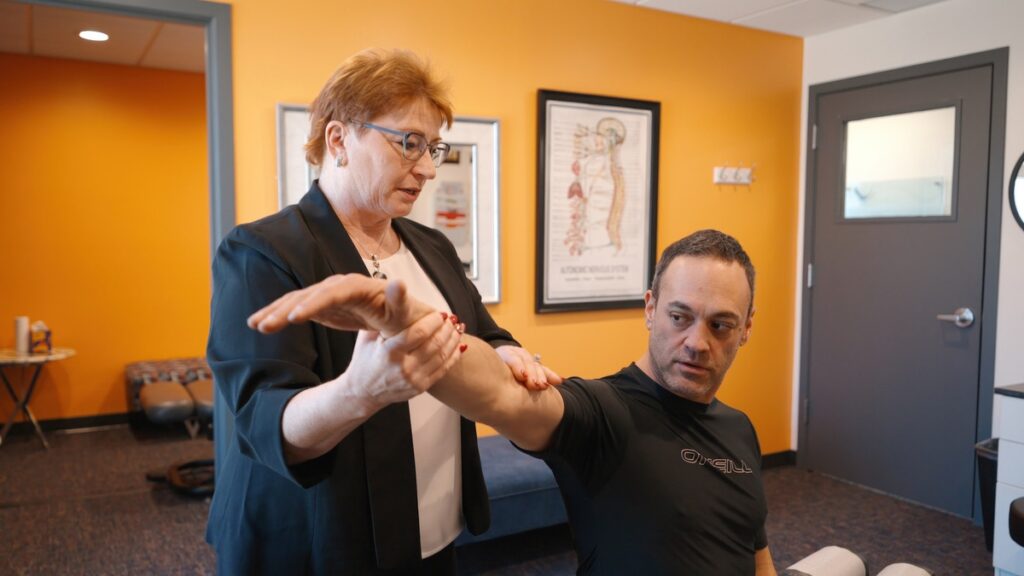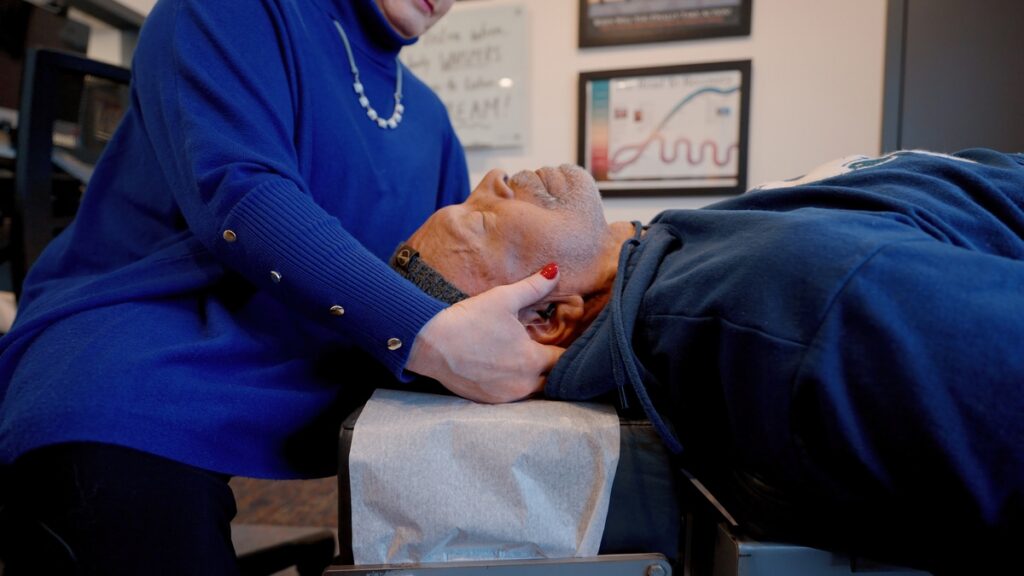
When it comes to enhancing your mobility and flexibility, adopting a comprehensive approach is crucial. As a chiropractor, I believe that chiropractic care is one of the best ways to achieve optimal health and movement. By focusing on spinal health, we can significantly improve your overall mobility and reduce discomfort.
Incorporating dynamic warm-ups, targeted stretching, and strength training are key components to enhancing your flexibility. However, it’s essential to understand that these physical exercises work best when paired with regular chiropractic adjustments. These adjustments help ensure that your spine is aligned properly, reducing tension and improving your range of motion.
Don’t forget the importance of mindfulness in your daily routine. Being aware of your body and how you move throughout the day can lead to better habits that promote flexibility. Simple practices, such as taking short breaks to stretch during long periods of sitting or incorporating gentle movements throughout your day, can make a big difference.
Here are some genuine strategies to consider for lasting improvements in your movement:
- Regular Chiropractic Care: Regular visits to your chiropractor can help maintain spinal alignment and improve your overall mobility. It’s a natural and effective way to address pain and stiffness.
- Dynamic Warm-Ups: Before any physical activity, engage in dynamic stretches, such as arm circles and leg swings, to warm up your muscles and joints.
- Targeted Stretching: Focus on areas that feel tight or restricted. Gentle stretches can help improve flexibility and prevent injuries.
- Strength Training: Building strength in your muscles supports your joints and enhances your overall movement. Aim for exercises that target core stability, as a strong core is vital for good posture and flexibility.
- Mindfulness Practices: Incorporate mindfulness techniques, such as deep breathing and meditation, to help you become more aware of your body and its needs.
- Daily Habits: Make a conscious effort to incorporate movement into your daily life. Whether it’s taking the stairs, walking during breaks, or practicing gentle yoga, every bit counts.
By focusing on these strategies and prioritizing chiropractic care, you can achieve better mobility and flexibility naturally. Remember, it’s not just about the exercises; it’s about creating a holistic approach to your health and wellness. Your body will thank you for it!
Key Takeaways
- Begin your day with dynamic stretching as part of your warm-up routine. This not only enhances joint mobility but also prepares your muscles for exercise, helping to prevent injuries and promote optimal spinal health.
- Incorporate regular static stretching into your daily routine. Holding each stretch for 15–60 seconds helps to improve long-term flexibility, which is essential for maintaining a healthy spine and reducing discomfort in your body.
- Consider foam rolling as a beneficial practice to release muscle tension. It helps improve tissue quality and enhances blood flow, which can support recovery and keep your muscles and spine functioning at their best.
- Explore the benefits of yoga for your overall well-being. It can improve your mobility, flexibility, and body awareness. Start with beginner poses and gradually increase the complexity as you become more comfortable, ensuring you maintain proper alignment for spinal health.
- Don’t forget the importance of strength training. It not only strengthens your muscles but also supports your joints, which can enhance your overall mobility. A strong body reduces the risk of injury during physical activities, allowing you to enjoy a more active and pain-free lifestyle.
By incorporating these simple practices into your routine, you can support your body’s natural healing processes and promote a happier, healthier life. Remember, chiropractic care is a valuable partner on your journey to optimal health, helping to align your spine and enhance your overall wellness.
Understanding Mobility and Flexibility
When considering your overall fitness and health, it’s crucial not to overlook the vital roles of mobility and flexibility. These elements are key to enhancing your performance and preventing injuries, making them essential for anyone looking to improve their wellness. Mobility refers to how well your joints can move through their full range of motion, while flexibility pertains to the ability of your muscles and tendons to stretch. Both are foundational for performing exercises correctly and achieving the best results.
Improving your mobility can make movements easier, which reduces strain on your body and lowers the likelihood of injuries. Flexibility complements this by allowing your body to stretch and adapt more effectively during your workouts. Together, enhanced mobility and flexibility lead to better posture, improved balance, and greater coordination—all of which are crucial for any fitness regimen.
As a chiropractor, I believe that chiropractic care is an excellent way to support and enhance your mobility and flexibility. Regular chiropractic adjustments can help ensure your spine and joints are aligned, which can improve your overall range of motion and ease of movement. This natural approach promotes healing and can alleviate discomfort without the need for medications or surgeries.
Here are some simple tips to improve your mobility and flexibility:
- Incorporate Stretching: Begin each workout with dynamic stretches that prepare your muscles and joints for activity. After exercising, focus on static stretches to improve flexibility.
- Stay Active: Engage in low-impact activities like walking, swimming, or yoga to keep your body moving and promote joint health.
- Practice Good Posture: Being mindful of your posture throughout the day can help maintain spinal alignment and prevent stiffness.
- Hydrate: Drinking plenty of water supports muscle function and joint lubrication, which is key for mobility.
- Seek Chiropractic Care: Regular visits to a chiropractor can help you maintain a healthy spine and enhance your overall mobility and flexibility.
The Importance of Warm-Up Exercises
Before you jump into your workout, warming up is crucial to prepare your body for the physical activity ahead. A proper warm-up helps increase blood flow to your muscles, making them more elastic and reducing the risk of injury. It also elevates your heart rate, which enhances oxygen delivery to your muscles, making your workout more effective.
Incorporating a warm-up routine not only protects you from injuries but also enhances your overall performance. When you loosen up your joints and muscles, you’ll notice a better range of motion and flexibility, which are essential for safely executing various movements.
As a chiropractor, I encourage you not to skip this important step. Take 5 to 10 minutes to engage in light aerobic activities—like gentle jogging or brisk walking—followed by dynamic movements that mimic the exercises you’ll be doing. This simple routine can make a significant difference in how you feel during your workout.
Dynamic Stretching Techniques
After you’ve warmed up, incorporating dynamic stretching techniques can significantly enhance your mobility and flexibility, benefiting your overall spinal health. These stretches involve movement, which prepares your muscles and joints for activity while promoting a natural range of motion.
Start with leg swings; stand next to a wall for support and swing one leg forward and backward, then switch legs. This exercise effectively targets your hip flexors and hamstrings, which are crucial for maintaining proper alignment and reducing strain on your spine.
Next, try arm circles. Extend your arms out to the sides and make small circles, gradually increasing the size. This helps loosen up your shoulders, promoting better posture and reducing tension in your upper back.
Walking lunges are another excellent choice. Step forward into a lunge, ensuring your knee stays over your ankle, and alternate legs as you move forward. This not only strengthens your legs but also encourages proper hip alignment, which is vital for spinal health.
Finally, incorporate high knees by jogging in place while bringing your knees up to hip height. These dynamic stretches improve blood flow, which is essential for healing and nourishing your muscles and joints.
Static Stretching for Long-Term Gains
Incorporating static stretching into your wellness routine can provide significant long-term benefits for your flexibility and overall muscle health. By holding stretches for 15 to 60 seconds, you allow your muscles to lengthen and adapt, promoting better range of motion, which is essential for maintaining a healthy spine. This practice not only helps in preventing injuries but also aids in muscle recovery after your daily activities.
Aim to stretch major muscle groups at least two to three times a week. Pay special attention to areas like your hamstrings, quadriceps, and shoulders, as these commonly tighten from our everyday movements. Remember to breathe deeply and relax into each stretch; this not only enhances the effectiveness but also encourages greater relaxation in your muscles, which is vital for optimal spinal health.
Over time, you’ll likely notice improvements in your posture and a reduction in muscle stiffness, making daily movements easier and more fluid. Consistency is key! By making static stretching a regular part of your routine, you support your body’s natural healing processes and enhance overall wellness.
As a chiropractor, I encourage you to view stretching as a complementary practice to your chiropractic care. Together, they can help you achieve and maintain optimal health without the need for surgeries or medications. Your body deserves this attention, and with dedication, you’ll be on your way to a healthier, more balanced life!
Incorporating Yoga Into Your Routine
Incorporating yoga into your wellness routine can be a beneficial way to support your spinal health and overall well-being. While static stretching is important, yoga offers a comprehensive approach that encourages both physical and mental awareness of your body. By practicing yoga regularly, you can enhance your mobility and flexibility, which are crucial for maintaining a healthy spine.
Start with just a few minutes each day, focusing on beginner-friendly poses that promote flexibility and strengthen your core, such as Downward Dog and Cobra. These poses not only stretch key muscle groups but also help align your spine, which can alleviate discomfort and enhance your posture.
Consider attending a local class or following online tutorials to ensure you’re using the correct techniques. This way, you can maximize the benefits of each session while minimizing the risk of injury. Remember, as you engage in yoga, your body’s range of motion and balance will gradually improve, contributing to a more agile and pain-free lifestyle.
It’s important to listen to your body and modify poses as needed. Yoga is about progress, not perfection, and every small step you take can lead to significant improvements in your spinal health. Over time, you’ll notice that daily activities become easier and less painful, allowing you to enjoy life more fully.
In addition to yoga, regular chiropractic care can further enhance your journey towards optimal health. Chiropractic adjustments can help realign your spine and reduce pain, making it easier to engage in yoga and other physical activities. By combining consistent yoga practice with regular chiropractic visits, you can achieve a holistic approach to health that prioritizes natural healing and wellness.
Embrace this journey towards better health—your spine and body will thank you!
The Role of Foam Rolling
Foam rolling is a fantastic way to help loosen tight muscles and improve your overall flexibility. By applying gentle pressure to specific areas, you can break up muscle knots and increase blood flow, which supports recovery and enhances mobility. Incorporating foam rolling into your routine, whether before or after workouts, can complement the benefits of chiropractic care.
Start by focusing on major muscle groups such as your quads, hamstrings, and calves. Spend about 30 seconds on each area, rolling slowly to identify tight spots. When you come across a knot, hold the pressure for a few seconds to help release the tension. This practice can lead to immediate relief and, with regular use, you may notice an improved range of motion.
While foam rolling prepares your muscles for activity, it’s essential to remember that chiropractic care is a key component in achieving optimal health and wellness. Chiropractors can help address the underlying issues contributing to muscle tightness and pain, ensuring that your entire body functions harmoniously.
To enhance your overall well-being, consider making foam rolling a regular part of your routine alongside chiropractic adjustments. This combination can help reduce soreness and stiffness, promote flexibility, and support your journey towards a healthier lifestyle. By integrating these practices, you can experience the benefits of natural healing and maintain your body’s mobility.
Strength Training for Improved Flexibility
Strength training isn’t just about building muscles; it can also play a significant role in enhancing your flexibility, which is essential for overall health and wellness. As a chiropractor, I emphasize the importance of maintaining a healthy spine and body to prevent injuries and improve mobility. By incorporating specific strength training exercises, you can increase your range of motion and reduce the risk of pain or discomfort in your daily activities.
Let’s take a look at some key benefits of strength training for flexibility and some exercises that can help you achieve better flexibility while also supporting your spinal health:
Key Benefits of Strength Training for Flexibility:
- Improved Range of Motion: Strength training can help lengthen and strengthen your muscles, which may lead to improved joint mobility.
- Reduced Risk of Injury: Strong muscles provide better support to your joints, which can help prevent injuries during physical activities.
- Enhanced Posture: Strengthening your core and back muscles can lead to better alignment, reducing stress on your spine and promoting a healthier posture.
- Natural Pain Relief: By strengthening the muscles around your spine and joints, you can alleviate tension and discomfort without the need for medications or invasive procedures.
Recommended Exercises for Flexibility:
- Bodyweight Squats: Stand with your feet shoulder-width apart and squat down as if sitting in a chair. This exercise strengthens your legs while promoting hip flexibility.
- Lunges: Step forward with one leg and lower your body until both knees are bent at a 90-degree angle. Lunges enhance flexibility in your hips and strengthen your legs.
- Plank to Downward Dog: Start in a plank position and then push back into Downward Dog. This sequence strengthens your core and stretches your hamstrings and calves.
- Cat-Cow Stretch: On your hands and knees, alternate between arching your back and rounding it. This exercise promotes spinal flexibility and relieves tension in the back.
General Tips for Incorporating Strength Training:
- Start Slow: If you’re new to strength training, begin with lighter weights or bodyweight exercises to avoid injury.
- Focus on Form: Proper form is crucial for preventing injuries and maximizing benefits. Consider seeking guidance from a chiropractor or fitness professional.
- Listen to Your Body: Pay attention to how your body feels during and after exercises. If you experience pain, it may be a sign to modify your routine or consult with a chiropractor.
- Stay Consistent: Aim for regular strength training sessions, ideally 2-3 times a week, to see improvements in flexibility and overall health.
Incorporating strength training into your routine not only helps improve flexibility but also supports your spinal health and overall well-being. Remember, chiropractic care is an excellent complement to these exercises, providing natural pain relief and promoting optimal health. Always feel free to reach out if you have any questions or need personalized guidance on your wellness journey!
Benefits of Strength Training
Improving your flexibility can significantly enhance your overall fitness, and incorporating strength training into your routine is a fantastic way to achieve this. Strength training not only builds muscle but also supports your joints, which is essential for maintaining a healthy spine. When you engage in resistance exercises, you help strengthen the muscles around your joints, making them more stable and less vulnerable to injury.
As your muscles grow stronger, they provide better support for your movements, allowing you to stretch further and move with greater ease. This increased strength can also help address muscle imbalances that often lead to tightness and restricted movement. In turn, this can alleviate discomfort and pain, contributing to your overall well-being.
In addition to strength training, it’s vital to incorporate regular chiropractic care into your wellness routine. Chiropractors can help ensure that your spine is aligned correctly, which can enhance the benefits of your strength training and flexibility efforts. By maintaining spinal health, you can improve your range of motion and prevent injuries.
Here are a few tips to consider:
- Start with bodyweight exercises to build a solid foundation before moving on to weights.
- Focus on proper form to avoid injuries and maximize the benefits of each exercise.
- Pair strength training with stretching to improve flexibility further.
- Consider regular chiropractic adjustments to keep your spine aligned and functioning optimally.
Key Exercises for Flexibility
Incorporating key exercises into your routine isn’t only a great way to improve flexibility but can also enhance your overall health and wellness, especially when paired with chiropractic care. As a chiropractor, I encourage my patients to focus on dynamic stretches like leg swings and arm circles to properly warm up your muscles before any physical activity. This helps prepare your body and prevent injuries.
After your workouts, consider adding static stretches such as the hamstring stretch or butterfly stretch. These can help lengthen your muscles and contribute to your flexibility over time. Additionally, yoga poses like Downward Dog and Cobra can be incredibly beneficial, promoting a full-body stretch and supporting spinal health.
Foam rolling is another excellent practice to release muscle tension, aiding both recovery and flexibility. Not only does it feel great, but it can also help your body align better, ultimately supporting your chiropractic adjustments.
Consistency is key! Make it a goal to dedicate time each week to these exercises, and you’ll likely notice significant improvements in your flexibility and overall well-being. Remember, enhancing your flexibility isn’t just about improving performance; it also plays a crucial role in reducing the risk of injury.
Mindfulness and Body Awareness
Mindfulness and body awareness are essential components of enhancing your mobility and flexibility, especially when it comes to maintaining a healthy spine. When you practice mindful movement, you create a deeper connection with your body, allowing you to pinpoint areas that may need extra care or attention. This awareness is crucial for preventing injuries and promoting overall wellness.
Incorporating daily mindfulness practices into your routine can significantly benefit your physical performance. Simple techniques such as focused breathing, gentle stretching, and conscious movement can help you become more attuned to your body’s signals. This heightened awareness not only aids in improving flexibility but also supports spinal health, which is fundamental for your overall well-being.
As a chiropractor, I encourage you to prioritize your spinal health through mindful practices. Here are a few tips you can easily integrate into your daily life:
- Start with Breath: Take a few moments each day to practice deep breathing. This can help reduce tension in your body and promote relaxation.
- Gentle Stretching: Incorporate gentle stretching into your routine. Focus on areas that may feel tight or restricted, and listen to your body as you move.
- Posture Check: Be mindful of your posture throughout the day. Whether sitting at a desk or standing, aligning your spine properly can prevent discomfort and promote better mobility.
- Stay Active: Engage in activities that promote movement, such as walking, yoga, or swimming. These can enhance flexibility and keep your spine healthy.
- Regular Chiropractic Care: Consider regular visits to your chiropractor. Chiropractic adjustments can help maintain spinal alignment, relieve pain, and enhance your body’s natural healing abilities.
Importance of Mindful Movement
While you engage in physical activities, being aware of your body and its movements can significantly enhance your overall experience. Mindful movement isn’t just about exercise; it’s a powerful way to connect with your physical self and recognize areas of tension and discomfort. This awareness is crucial in allowing you to adjust your posture and improve your form, which can ultimately help prevent injuries.
By focusing your mind on each movement, you cultivate a deeper appreciation for your body’s capabilities and limitations. This practice not only enhances your flexibility and mobility but also fosters a sense of calm and presence. As you become more attuned to your body, you’ll likely notice improvements in your performance and enjoyment of physical activities, leading to a more fulfilling fitness journey.
Incorporating mindful movement into your routine can be greatly complemented by regular chiropractic care. Chiropractors focus on aligning your spine and optimizing your nervous system, which can enhance your body’s ability to function and heal naturally. When your spine is in alignment, you may experience reduced tension and discomfort, making it easier to engage in mindful movement.
Here are some tips to help you practice mindful movement and support your overall wellness:
- Breathe Deeply: Start any physical activity with a few deep breaths. This helps center your mind and prepares your body for movement.
- Pay Attention to Posture: Whether you’re stretching, exercising, or simply walking, focus on maintaining good posture. This not only enhances your movement but also supports spinal health.
- Listen to Your Body: If you feel discomfort, take a moment to assess what might be causing it. Adjust your movements or take a break as needed.
- Incorporate Stretching: Regular stretching can improve flexibility and reduce tension in your muscles. Consider visiting a chiropractor for personalized stretching techniques that benefit your spine.
- Stay Consistent: Make mindful movement a regular part of your routine. Consistency is key to improving your awareness and overall physical health.
Techniques for Body Awareness
To enhance your body awareness and promote overall wellness, consider incorporating some simple techniques that help you focus on how your body moves and feels. This deeper connection can lead to more purposeful movements, which is essential for maintaining a healthy spine and optimal function.
- Body Scanning: Take a few moments to mentally scan your body from head to toe. This practice allows you to notice any tension or discomfort you may be experiencing. Acknowledge these feelings without judgment; understanding your body is the first step toward healing.
- Breath Awareness: Focus on your breath. Feel the rise and fall of your chest as you inhale and exhale. This practice not only calms your mind but also grounds you in the present moment, helping you to become more aware of any physical sensations and how they relate to your spinal health.
- Mindful Movement: Engage in slow, deliberate movements. Whether you’re stretching or simply walking, pay close attention to each action. Notice how your muscles engage and release. This mindfulness can lead to improved posture and spinal alignment, which are crucial for pain relief and overall wellness.
These techniques can significantly transform your body awareness and experience, leading to increased mobility and flexibility. By focusing on these mindful practices, you can support your body’s natural healing processes and enhance your chiropractic care journey.
Daily Mindfulness Practices
Incorporating daily mindfulness practices can significantly enhance your body awareness and overall well-being, especially when it comes to maintaining a healthy spine. Start your day with simple breathing exercises; focus on your breath as it flows in and out. This not only grounds you but also helps you become more aware of your body and any areas that may feel tense or out of alignment.
Next, consider a body scan meditation. Lie down comfortably and mentally check in with each part of your body, paying special attention to your spine. Notice any tension or discomfort you may feel, as this awareness can guide you in understanding how your spine is functioning and when it may need attention.
Incorporating mindful movement is also essential for spinal health. Activities like yoga or tai chi can be incredibly beneficial. They encourage you to connect your breath with your movements, promoting flexibility and strength while also supporting proper spinal alignment. Remember, a well-aligned spine is key to overall health and can help alleviate pain.
Finally, try incorporating mindful walking into your daily routine. Pay attention to each step you take, feeling the ground beneath your feet and noticing how your spine moves with each stride. This practice not only enhances your connection to your body but also encourages natural movement patterns that support spinal health.
Daily Habits to Enhance Mobility
Incorporating simple habits into your daily routine can significantly enhance your mobility and overall well-being. As a chiropractor, I believe that small adjustments in your lifestyle can lead to greater freedom of movement and improved spinal health. Here are three beneficial habits to consider:
- Stretch Daily: Dedicate just 10 minutes each morning to full-body stretching. This practice helps to loosen tight muscles and enhances your range of motion, making daily activities more manageable. Stretching not only aids in flexibility but also supports spinal alignment—crucial for maintaining a healthy back.
- Stay Hydrated: Ensure you drink enough water throughout the day. Proper hydration is essential for keeping your joints lubricated, which helps prevent stiffness and discomfort. When your joints are well-hydrated, you can move with greater ease and reduce the risk of injury.
- Take Movement Breaks: Set a timer to remind yourself to stand up and move every hour. Whether it’s a quick walk or light stretching, these movement breaks are vital for keeping your body active and energized. Regular movement can also alleviate tension in the spine and promote better posture.
Tracking Progress and Staying Motivated
Regularly tracking your progress is vital for maintaining motivation on your journey toward improved mobility and flexibility, especially when you’re incorporating chiropractic care into your wellness routine. Keeping a journal or using an app can help you log your chiropractic sessions, exercises, stretches, and any challenges you encounter along the way. It’s important to note how your body feels after each adjustment and to celebrate improvements, such as increased range of motion or reduced stiffness.
Setting specific, achievable goals can provide you with a clear target to aim for. Whether it’s holding a stretch longer, mastering a new yoga pose, or noticing less discomfort during daily activities, these milestones can help keep you focused and inspired.
Don’t forget to celebrate your successes, no matter how small they may seem. Acknowledging your hard work can enhance your motivation and encourage you to keep making progress. Remember, chiropractic care is here to support you every step of the way, helping your body heal naturally and maintain optimal health. By tracking your journey, you’re taking an active role in your wellness, and that’s a fantastic way to stay engaged and committed to your health goals!