If you’re dealing with lower back pain, you’re definitely not alone. Many people experience discomfort that affects their daily lives and mobility. It can be overwhelming, but there’s a silver lining: understanding the underlying causes and exploring natural treatment options can lead to relief.
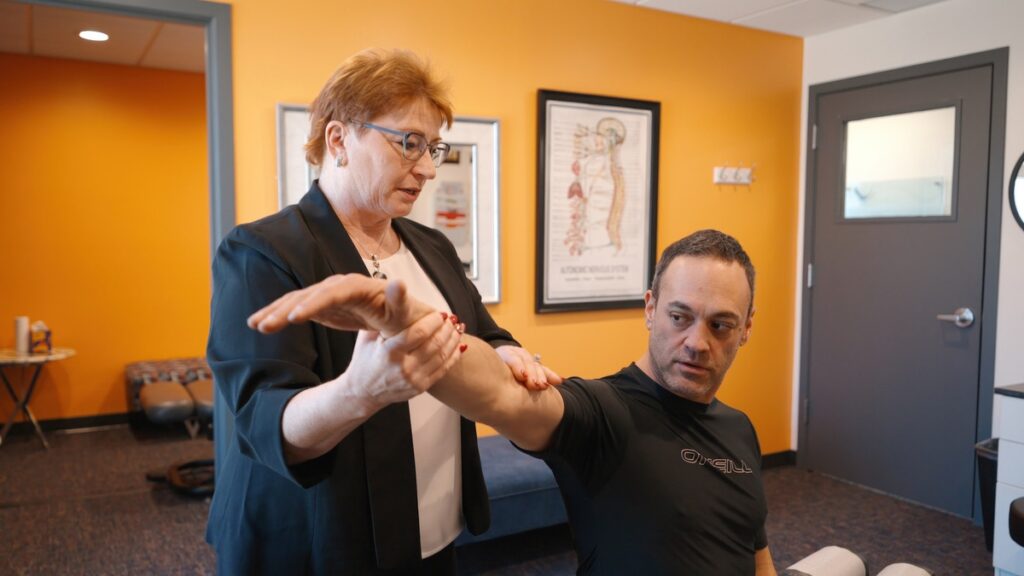
As a chiropractor, I believe that chiropractic care is one of the best ways to tackle lower back pain and promote overall wellness. My journey to healing involved a combination of chiropractic adjustments, gentle exercises, and mindful practices. These approaches not only helped relieve my pain but also enhanced my strength and flexibility.
Curious about how chiropractic care can help you regain your strength and alleviate pain? Here are some steps and tips that have worked for me and can benefit you:
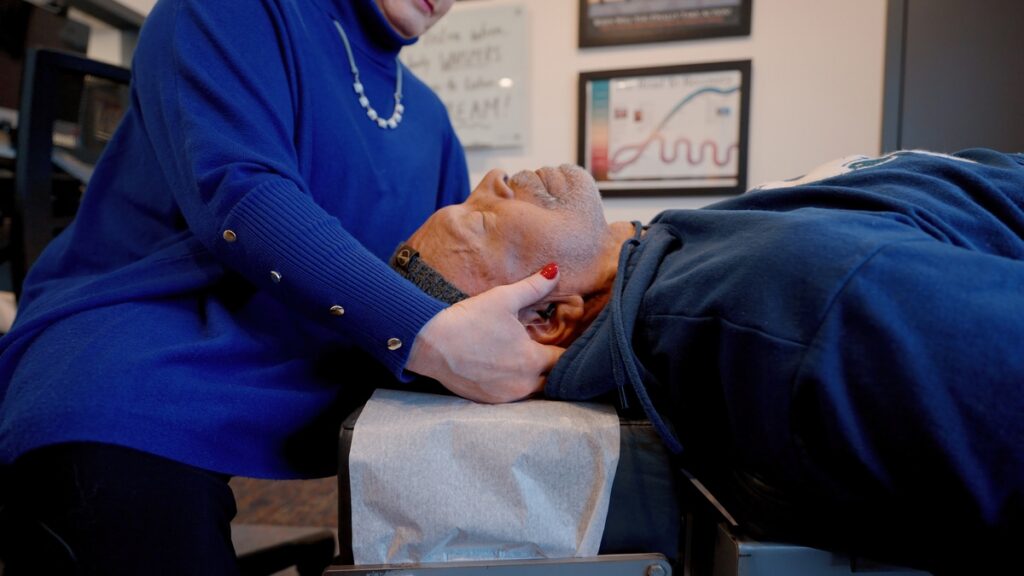
- Chiropractic Adjustments: Regular visits to a chiropractor can help realign the spine, relieve pressure on nerves, and improve overall function. This is key for long-term pain relief and better mobility.
- Gentle Exercises: Incorporating low-impact exercises into your routine can strengthen your back muscles. Simple stretches, yoga, or walking can keep your body flexible and reduce stiffness.
- Mindful Practices: Practices such as meditation and deep breathing can help manage stress, which is often linked to pain. Taking time to relax can promote healing and enhance your well-being.
- Stay Hydrated: Drinking plenty of water is essential for maintaining spinal health. Proper hydration keeps the discs in your spine healthy and functioning optimally.
- Ergonomics Matter: Pay attention to your posture, especially if you spend long hours sitting at a desk. Adjusting your workspace to promote better posture can prevent strain on your lower back.
- Seek Community Support: Connecting with others who share similar experiences can provide encouragement and motivation. Whether it’s a support group or friends who understand your journey, community can make a difference.
Remember, you don’t have to face lower back pain alone. Chiropractic care offers a natural and effective approach to achieve optimal health and wellness. Let’s embark on this journey to relief together!
Key Takeaways
- Good posture is crucial for maintaining a healthy spine and reducing back strain. Consider investing in ergonomic furniture that supports your natural body alignment to enhance your daily activities and comfort.
- Gentle, low-impact exercises such as yoga and swimming are not just great for staying active; they also promote flexibility and strengthen your core muscles. A strong core provides essential support for your spine, which is vital for long-term back health.
- Chiropractic care is an excellent choice for addressing the root causes of back pain. By focusing on spinal alignment, chiropractors can help alleviate discomfort and improve your overall wellness through personalized treatment plans tailored specifically to your needs.
- Incorporating mindfulness techniques—like deep breathing exercises and meditation—can be incredibly beneficial. These practices help manage stress, which can contribute to muscle tension and pain. Finding time for relaxation is an important part of the healing journey.
- Remember to celebrate the small wins along your path to recovery, whether it’s improved mobility or a decrease in pain. Acknowledging these victories can boost your motivation and commitment to your healing process, making chiropractic care a key player in your journey to optimal health.
Understanding the Causes of Lower Back Pain
When you experience lower back pain, it’s important to recognize that several factors might be contributing to your discomfort. One common cause is poor posture, especially if you spend long hours sitting. This can put unnecessary strain on your muscles and ligaments. Additionally, lifting heavy objects without proper technique can lead to muscle strains or even injuries to your spine. If you lead a sedentary lifestyle or carry excess weight, this can increase pressure on your back, making it more prone to pain. Emotional stress and tension can also translate into physical discomfort by tightening muscles in your back.
Sometimes, underlying conditions like herniated discs or arthritis can contribute to your pain. However, understanding these potential causes is the first step toward finding relief. As a chiropractor, I believe that addressing these issues holistically can lead to effective pain management and improved overall wellness.
Here are some practical tips to help you alleviate your lower back pain:
- Maintain Good Posture: Pay attention to your sitting and standing posture. Consider using ergonomic furniture to support your spine.
- Practice Proper Lifting Techniques: When lifting heavy items, always bend at your knees and keep your back straight. This reduces the strain on your spine.
- Stay Active: Incorporate gentle exercises and stretches into your routine. Activities like walking, swimming, or yoga can strengthen your back and improve flexibility.
- Manage Stress: Find healthy ways to cope with stress, such as meditation, deep breathing exercises, or engaging in hobbies you enjoy.
- Consider Chiropractic Care: Regular visits to a chiropractor can help align your spine, relieve tension, and promote overall wellness. Chiropractic adjustments can be a natural and effective way to manage back pain without medications or invasive procedures.
My Initial Struggles With Pain
Experiencing lower back pain can feel overwhelming, especially when it’s a constant companion in your daily life. You might wake up each morning bracing yourself for the ache that greets you, making even the simplest tasks feel monumental. Sitting for long periods can become uncomfortable, and bending down to pick something up may send sharp pangs through your back. It’s not uncommon to avoid social activities out of fear that your pain might flare up in public.
While you might try to push through the discomfort, convincing yourself it’s just a minor nuisance, the frustration can grow as days turn into weeks. Constantly adjusting your life around pain—whether it’s changing how you sleep or skipping your favorite workouts—can be draining. You may even feel isolated, as friends and family may struggle to fully understand what you’re experiencing. The emotional toll can be just as heavy as the physical discomfort, leaving you feeling defeated and desperate for relief.
This is where chiropractic care can make a significant difference. As a chiropractor, I want to emphasize the importance of addressing the root cause of your pain through natural healing methods. Chiropractic adjustments can help realign your spine, relieving pressure on nerves and improving your overall function. This can lead to a reduction in pain and an enhancement in your quality of life.
In addition to chiropractic care, there are several general tips you can implement to help manage your lower back pain:
- Maintain Good Posture: Pay attention to your posture whether you’re sitting, standing, or walking. Keeping your spine aligned can help prevent further discomfort.
- Stay Active: Engage in low-impact exercises like walking, swimming, or yoga. Regular movement can strengthen your back muscles and improve flexibility.
- Stretch Regularly: Incorporate gentle stretching into your daily routine to keep your muscles flexible and to alleviate tension.
- Use Ergonomic Furniture: If you sit for long periods, invest in an ergonomic chair that supports your lower back. Alternatively, take frequent breaks to stand and stretch.
- Listen to Your Body: If an activity causes pain, it’s important to stop and rest. Pushing through discomfort can lead to further injury.
Exploring Treatment Options
Finding the right treatment for lower back pain can truly transform your recovery journey, and as a chiropractor, I’m here to share some insights that can help you achieve optimal health naturally. One of the best approaches to managing your back pain is through chiropractic care, which focuses on aligning your spine and enhancing your body’s ability to heal itself.
Chiropractic adjustments can directly address the root cause of your discomfort by improving spinal alignment and mobility. This not only helps alleviate pain but also promotes overall wellness. Unlike temporary relief offered by over-the-counter pain relievers or prescribed medications, chiropractic care aims for long-lasting results.
In addition to adjustments, there are several natural therapies and lifestyle changes that can enhance your recovery. Consider incorporating gentle exercises or stretches that strengthen your core and improve flexibility. Maintaining good posture, whether sitting or standing, can also significantly impact your spinal health. Ergonomic adjustments in your workspace can further support your back and prevent future issues.
Don’t overlook the power of heat and cold therapy as well. Applying heat can soothe tight muscles, while cold packs can help manage inflammation. Both methods can be easily integrated into your daily routine for added relief.
Ultimately, it’s important to consult with a healthcare professional who understands the value of chiropractic care. Together, we can develop a personalized treatment plan that aligns with your lifestyle and helps you reclaim your life. Remember, the journey to a pain-free back is possible with the right approach focused on natural healing and wellness.
The Role of Physical Therapy
Understanding the role of chiropractic care in managing lower back pain can significantly enhance your recovery process. As a chiropractor, I focus on assessing your unique condition and developing a personalized treatment plan that caters to your specific needs. This plan often includes spinal adjustments, targeted exercises, and education on maintaining proper body mechanics for healthier living.
When you engage in chiropractic care, you can expect to experience improved flexibility, strength, and posture. I’ll teach you techniques to help alleviate your pain and prevent future injuries, empowering you to make informed choices about your daily activities. By understanding how your body moves and functions, you’ll be better equipped to maintain your health.
Chiropractic care also provides a supportive environment where you can ask questions and express your concerns. This collaborative approach allows you to take control of your recovery journey. By committing to your treatment sessions and following my guidance, you’ll be on a path to lasting relief from lower back pain.
In addition to professional care, here are some general tips to help you manage your lower back pain at home:
- Maintain good posture while sitting, standing, and lifting heavy objects.
- Incorporate gentle stretches and strengthening exercises into your daily routine.
- Stay active with low-impact activities such as walking or swimming.
- Use heat or ice packs to reduce discomfort and inflammation.
Incorporating Exercise Into My Routine
Incorporating regular exercise into your routine is vital for managing lower back pain naturally and effectively. As a chiropractor, I emphasize the importance of strengthening your core and improving flexibility to support your spine. Start with gentle, low-impact activities like walking or swimming. These exercises not only help build strength but also promote overall wellness without putting additional strain on your back. Aim for at least 30 minutes of movement most days, and if that feels daunting, break it into shorter sessions.
As you become more comfortable, consider adding specific exercises that focus on your back and abdominal muscles. Simple stretches, such as the cat-cow or child’s pose, can greatly enhance your mobility and lessen stiffness. Always pay attention to what your body is telling you; if you feel pain, it’s best to stop and try a different movement that feels more comfortable.
Consistency is key to seeing results, so choose activities that you genuinely enjoy. Whether it’s joining a local class or working with a chiropractor, staying motivated is easier when you have support and guidance. Remember, exercise isn’t just about relieving pain; it’s also a powerful preventive measure against future issues. With dedication and the right approach, you can build a stronger, more resilient back, which will ultimately lead to a healthier lifestyle. Embrace chiropractic care as a natural and effective way to support your journey toward optimal health and wellness.
The Importance of Proper Posture
Although it might seem small, maintaining proper posture is crucial for preventing and alleviating lower back pain. As a chiropractor, I can assure you that when you sit or stand with good alignment, you significantly reduce stress on your spine and the muscles around it. This makes it easier to avoid discomfort and live a healthier life.
Here are some key reasons to focus on your posture and how chiropractic care can help you achieve it:
- Spinal Alignment: Proper posture keeps your spine in a neutral position, which minimizes strain and helps your body function optimally. Chiropractic adjustments can help align your spine, providing immediate relief and long-term benefits.
- Muscle Engagement: Good posture engages your core and back muscles, offering much-needed support and stability. Our chiropractic techniques not only correct alignment but also teach you how to strengthen these muscles for better posture.
- Energy Efficiency: When your body is aligned, it uses less energy, allowing you to move more freely and perform daily tasks with ease. This efficiency can be enhanced through regular chiropractic care, which helps maintain your body’s natural alignment.
- Injury Prevention: Maintaining proper posture is key to reducing the risk of overuse injuries and muscle imbalances. Regular visits to your chiropractor can help keep your posture in check, decreasing the likelihood of discomfort and pain.
Tips for Better Posture:
- Be Mindful: Pay attention to your posture throughout the day. Set reminders to check your alignment whether you’re sitting, standing, or walking.
- Strengthen Your Core: Incorporate exercises that engage your core muscles, which support your spine and improve your overall posture.
- Use Ergonomic Furniture: Invest in a chair and desk that promote good posture, especially if you work long hours at a desk.
- Stretch Regularly: Take breaks to stretch your back and shoulders to relieve tension and encourage better alignment.
Mindfulness and Stress Management Techniques
Managing stress and lower back pain may feel overwhelming, but integrating mindfulness techniques into your daily routine can offer considerable relief. As a chiropractor, I believe in the body’s natural ability to heal itself, and these practices can support that process.
Start with deep breathing exercises. Inhale deeply through your nose and exhale slowly through your mouth. This technique not only reduces tension in your body but also heightens your awareness of physical sensations and emotional states. By focusing on your breath, you create a sense of calm, which is essential for relieving stress and pain.
Next, consider incorporating meditation into your day. Spend a few minutes in a quiet space, concentrating on your breath or repeating a soothing mantra. This practice can clear your mind and promote relaxation, allowing your body to function more optimally.
Gentle yoga or stretching is another excellent way to support your spine and enhance flexibility. These activities promote mindfulness as you connect with your body, helping you become more attuned to areas that may hold tension.
Additionally, maintaining a gratitude journal can be a powerful tool. By shifting your focus from discomfort to the positive aspects of your life, you can effectively reduce stress and its impact on your lower back.
Nutrition and Its Impact on Healing
Mindfulness practices can create a solid foundation for healing, but nutrition plays an essential role in your body’s recovery from lower back pain, especially when coupled with chiropractic care. What you eat can either support or hinder your healing process. A balanced diet rich in anti-inflammatory foods can help reduce pain and promote recovery, complementing the adjustments and therapies you receive in chiropractic care.
Here are some simple ways to enhance your meals for better healing:
- Omega-3 fatty acids: Incorporate more fish like salmon into your diet. These healthy fats are known to help reduce inflammation, which can be beneficial for your back pain.
- Leafy greens: Load up on spinach, kale, and other leafy greens. They’re packed with vitamins and nutrients that support muscle and bone health, helping to strengthen your spine.
- Fruits: Berries and oranges are great choices! They provide antioxidants that combat oxidative stress, which can contribute to pain and inflammation.
- Whole grains: Opt for brown rice, quinoa, or whole grain bread. These foods provide essential nutrients and help stabilize your energy levels, keeping you feeling your best throughout the day.
Remember, while eating well is important, regular chiropractic visits can significantly aid in your recovery process. Chiropractic care focuses on aligning your spine, improving your overall mobility, and reducing pain naturally.
Together with a nutritious diet, it can help you achieve optimal health and wellness. Stay mindful of both what you eat and how you care for your spine for the best results!
Finding Support and Community Resources
Finding support and community resources can significantly enhance your journey toward healing lower back pain, especially through the benefits of chiropractic care. Connecting with others who share similar experiences can provide both comfort and practical advice. Consider joining support groups, either online or in person, where you can exchange insights and coping strategies. The emotional support you gain in these settings can be a vital part of your healing process.
Local community centers or health clinics often offer workshops or classes focused on back health and pain management. Look for opportunities like these, particularly those that may include information on chiropractic care. Participating in physical therapy sessions or yoga classes tailored for back pain relief can also be beneficial. These resources not only deepen your understanding of spinal health but also help you connect with professionals who can guide you on your path to wellness.
Don’t overlook the value of social media, either. Engaging with online communities dedicated to back pain can provide encouragement and share tips from those who’ve successfully navigated similar challenges. Embrace this support; it can be an indispensable part of your recovery journey.
In addition to seeking community support, remember the importance of maintaining good posture, staying active, and incorporating gentle stretches into your daily routine. These simple practices can help keep your spine healthy and enhance the effectiveness of chiropractic care. Ultimately, prioritizing your spinal health through natural, non-invasive approaches like chiropractic can lead to lasting relief and improved overall wellness.
Celebrating Progress and Staying Motivated
Regularly celebrating your progress in healing lower back pain isn’t just a nice idea; it’s vital for maintaining motivation on your recovery journey. Recognizing even the smallest victories can have a significant impact on your mindset and overall healing process.
This creates a positive feedback loop that encourages you to stay committed to your health.
Here are some helpful tips to keep you inspired:
- Acknowledge Improvements: Pay attention to any enhancements in your mobility or decreases in pain levels. Each step forward, no matter how small, is a sign of your progress and the effectiveness of your chiropractic care.
- Reward Yourself: After sticking to your exercise or therapy routine, treat yourself to something special. This could be a relaxing evening, a favorite meal, or anything that makes you feel good. Positive reinforcement can motivate you to keep going.
- Share Your Success: Talk about your achievements with friends, family, or support groups. Sharing your journey can inspire others and create a supportive environment where everyone encourages one another.
- Keep a Journal: Documenting your progress can be incredibly beneficial. Write down how you’re feeling, the improvements you’ve noticed, and any challenges you’ve overcome.
Reflecting on your journey can remind you of how far you’ve come and the effectiveness of your chiropractic treatments.
By focusing on these strategies, you can maintain a positive attitude and stay committed to your natural healing process. Remember, chiropractic care is about more than just pain relief; it’s a pathway to achieving optimal health and wellness.
Embrace your progress and continue your journey toward a healthier, pain-free life!