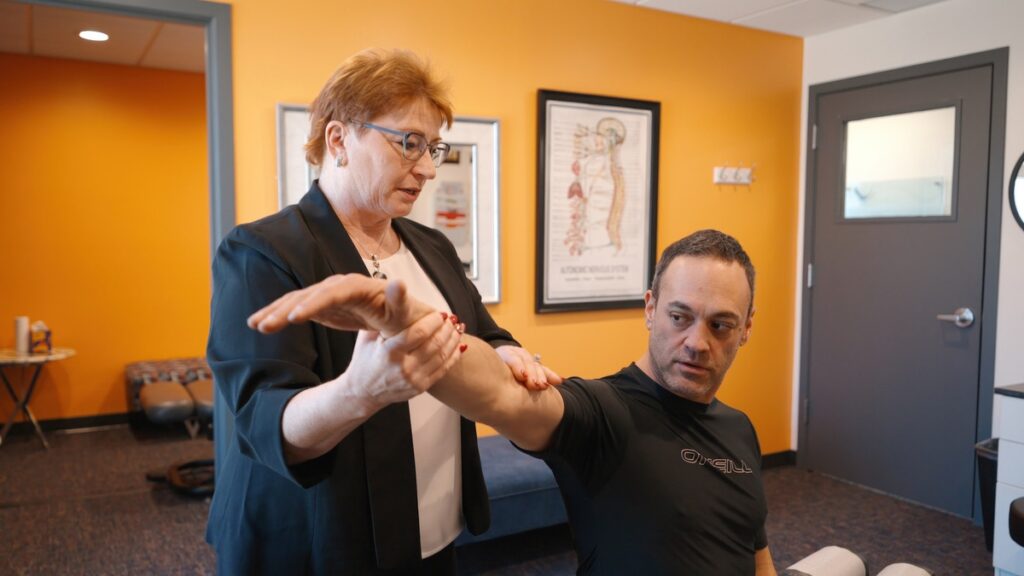
As a dedicated chiropractor, I want to emphasize how crucial recovery is for your athletic performance. Have you ever thought about whether you’re truly optimizing your recovery? Over the next six weeks, you can discover how to enhance your recovery process through natural techniques, proper nutrition, and strategic rest. It’s not just about putting in the hours at the gym; it’s about working smart and efficiently.
Chiropractic care plays a vital role in this recovery process. By ensuring that your spine is properly aligned, you can reduce pain and enhance your overall wellness. This not only helps in improving your performance but also lowers your risk of injury. Regular chiropractic adjustments can promote better blood flow, reduce muscle tension, and help your body heal naturally, allowing you to bounce back quicker after intense workouts.
Here are a few general tips to keep in mind as you focus on your recovery:
- Stay Hydrated: Water is essential for all bodily functions, including recovery. Make sure you are drinking enough fluids before, during, and after your workouts.
- Prioritize Sleep: Quality sleep is when your body does most of its healing. Aim for 7-9 hours of restful sleep each night to aid in recovery.
- Incorporate Stretching: Gentle stretching after your workouts can help reduce muscle tightness and improve flexibility, contributing to a quicker recovery.
- Mind Your Nutrition: Focus on a balanced diet rich in whole foods. Foods high in protein, healthy fats, and vitamins can support muscle repair and overall health.
- Listen to Your Body: Pay attention to any signs of discomfort. If you’re feeling any persistent pain, it’s wise to consult with a chiropractor who can guide you to optimal spinal health and recovery.
By integrating these practices into your routine and considering chiropractic care as a cornerstone of your wellness journey, you can significantly enhance your recovery and overall athletic performance. Remember, it’s not just about how hard you train—it’s about how well you recover!
Key Takeaways
- Prioritize sleep hygiene by aiming for 7-9 hours of quality sleep each night. Quality sleep is essential for recovery and can significantly enhance your athletic performance. Remember, a well-rested body can heal and function better.
- Incorporate active recovery days into your routine with low-intensity activities like walking or gentle stretching. These activities promote blood flow and support muscle healing without putting extra strain on your body. Active recovery is a natural way to keep your body in balance.
- Pay attention to your nutrition by enjoying a balanced meal with a 3:1 ratio of carbohydrates to protein within 30 minutes after exercising. This helps your body recover more effectively. Pairing good nutrition with chiropractic care can further enhance your overall wellness.
- Regular chiropractic visits can make a world of difference in your recovery process. Chiropractic care helps improve mobility, alleviate pain, and supports your body’s natural healing abilities. It’s a gentle and effective way to ensure that you are on the path to optimal health.
- Always listen to your body. If you start feeling fatigued, it’s crucial to adjust your training to prevent overtraining and potential injuries. Your body knows what it needs, and with chiropractic care, you can maintain the balance necessary for peak performance.
By incorporating these simple tips and prioritizing chiropractic care, you can support your body’s natural healing process and achieve better athletic performance.
Understanding the Importance of Recovery
While it’s great to push your limits during training, it’s equally important to understand the vital role recovery plays in enhancing your athletic performance. Recovery isn’t simply about taking a break; it’s a key part of your overall wellness and training routine. When you engage in intense workouts, your muscles undergo micro-tears, and it’s during recovery that they heal and become stronger. Without adequate recovery, you may face burnout, injuries, and a decline in performance.
It’s essential to recognize that your body needs time to adjust to the physical demands you place on it. This adaptation is what drives your progress and boosts your performance. Neglecting recovery can lead to overtraining syndrome, which can set back your fitness goals and slow your progress. By prioritizing recovery, you’re not just allowing your body to rest; you’re actively supporting your journey to optimal health.
As a chiropractor, I encourage you to embrace recovery as a crucial element of your training. Incorporating chiropractic care into your routine can significantly enhance your recovery process. Chiropractic adjustments can help alleviate pain, improve mobility, and promote overall wellness, allowing your body to heal more effectively.
Here are some general tips to enhance your recovery:
- Stay Hydrated: Water is essential for muscle recovery and overall health. Make sure to drink plenty of fluids, especially after workouts.
- Get Quality Sleep: Sleep is when your body does most of its healing. Aim for 7-9 hours of quality sleep each night to support recovery.
- Listen to Your Body: Pay attention to signals such as soreness or fatigue. If you’re feeling overly tired, consider taking an extra rest day.
- Incorporate Gentle Movement: Activities like walking, yoga, or stretching can promote blood flow to your muscles and facilitate recovery.
- Consider Chiropractic Care: Regular chiropractic adjustments can help keep your spine aligned, reduce tension, and enhance your body’s natural healing processes.
Key Recovery Techniques for Athletes
To maximize your athletic performance and overall wellness, incorporating key recovery techniques is vital. These methods not only help reduce fatigue but also enhance your body’s natural healing processes. Here are three essential strategies to consider, with an emphasis on chiropractic care:
1. Active Recovery: Engage in gentle, low-intensity activities like walking or cycling on your recovery days. This keeps your blood flowing, which is crucial for muscle repair and recovery.
Chiropractic adjustments can also enhance your body’s ability to recover by ensuring your spine and nervous system are functioning optimally.
2. Stretching and Mobility Work: Adding both dynamic and static stretching to your routine can significantly improve your flexibility and reduce muscle tension.
Regular chiropractic care can assist with this by enhancing your range of motion and helping to prevent injuries, allowing you to perform at your best.
3. Sleep Hygiene: Quality sleep is essential for recovery. Create a relaxing bedtime routine to help you unwind and aim for 7-9 hours of restful sleep each night.
Chiropractic adjustments can improve your sleep quality by alleviating discomfort and promoting a more restful night, so your body can repair and rebuild itself effectively.
By focusing on these recovery techniques and considering chiropractic care as a central part of your health journey, you can achieve optimal wellness and performance without relying on medications or surgeries.
Nutrition and Hydration for Optimal Recovery
Recovery isn’t just about what you do after a workout; it also heavily depends on how you nourish your body. To optimize your recovery, it’s essential to focus on nutrition and hydration, which play a vital role in your overall health and well-being.
After an intense exercise session, make sure to replenish your energy stores with a well-balanced meal that includes both carbohydrates and protein. Carbs are crucial for restoring your body’s glycogen levels, while protein aids in repairing muscle tissue. Aiming for a 3:1 ratio of carbs to protein within 30 minutes post-workout can be very beneficial.
Hydration is just as important. Drinking water consistently throughout the day is key, so don’t wait until you’re thirsty to hydrate. Additionally, consider incorporating electrolyte-rich drinks post-exercise, especially after longer or more intense workouts, to help replenish lost minerals.
Incorporating anti-inflammatory foods into your diet, such as berries, leafy greens, and fatty fish, can further enhance your recovery process. These foods not only support muscle repair but also promote overall wellness.
Remember, proper nutrition and hydration are foundational to accelerating muscle recovery and preparing your body for the next workout.
Alongside these practices, consider how chiropractic care can support your overall health. Regular chiropractic adjustments can help maintain spinal alignment, improve mobility, and reduce pain, allowing you to recover more effectively and stay on track with your fitness goals.
Incorporating Rest Days and Sleep
Incorporating rest days and ensuring adequate sleep are essential elements of your health and wellness journey. These practices allow your body, including your spine, to heal and adapt. When you don’t give yourself the necessary time to recover, you may experience overtraining, which can hinder your performance and increase your risk of injury.
To support your recovery and overall well-being, consider these helpful tips:
- Schedule Rest Days: Make it a habit to plan at least one to two rest days each week. These breaks are crucial for your muscles and spine to recover, helping you avoid burnout and maintain optimal function.
- Prioritize Sleep: Aim for 7-9 hours of quality sleep each night. During sleep, your body engages in crucial repair processes, which benefit both physical and mental performance. A well-rested body is better aligned and more resilient.
- Listen to Your Body: Pay close attention to how you feel. Signs of fatigue or soreness are your body’s way of signaling that it needs a break. If you’re feeling worn out, don’t hesitate to take an additional rest day or consider adjusting your activities.
By incorporating these practices into your routine, not only will you enhance your recovery, but you’ll also promote a healthier spine and overall well-being.
Monitoring Progress and Adjusting Strategies
How can you effectively track your progress and fine-tune your training strategies while prioritizing your health and wellness? Start by keeping a detailed log of your workouts, noting metrics such as distance, duration, and intensity. Use apps or spreadsheets to visualize your data over time, which can help you see how your body is responding to your training.
Regularly assess your performance through benchmarks—like timed runs or strength tests—to measure improvements. However, don’t forget to listen to your body. Pay attention to how you feel during and after workouts. If you notice fatigue or persistent discomfort, it might be a sign to adjust your training load or seek chiropractic care. Chiropractic adjustments can help alleviate pain and improve your overall function, allowing you to train more effectively.
Set specific, achievable goals and revisit them weekly to ensure you’re on track. Consistency is essential, but remember that flexibility in your approach is just as important. Incorporating regular chiropractic visits can enhance your recovery, improve your mobility, and support your training regimen.
Additionally, don’t hesitate to seek feedback from coaches or fellow athletes, and consider consulting a chiropractor for specialized insights into your performance and well-being. By prioritizing natural healing and maintaining a healthy spine, you can optimize your training and enhance your overall performance.
Stay committed to your progress and embrace the benefits of chiropractic care as a vital part of your health journey.
Conclusion
In just six weeks, you can significantly enhance your athletic performance by prioritizing recovery, and chiropractic care plays a vital role in this process. Understanding the importance of recovery and incorporating key techniques can help you achieve better training results. Start by focusing on proper nutrition, hydration, and adequate rest to support your body’s needs.
Chiropractic care can be a game-changer in your recovery journey. Regular adjustments help align your spine, which can alleviate pain and improve mobility, allowing you to train more effectively. Additionally, chiropractic techniques can assist in reducing inflammation and promoting faster healing, making it easier for your body to bounce back after intense workouts.
Don’t forget to monitor your progress and adjust your recovery strategies as needed. Keeping track of how your body responds to different techniques will help you find what works best for you. Embrace this holistic approach to recovery, and you’ll not only recover faster but also pave the way for long-term success in your athletic endeavors.
Here are some simple tips to get you started on your path to optimal health and performance:
- Stay Hydrated: Drink plenty of water throughout the day, especially before and after workouts.
- Eat Well: Focus on a balanced diet rich in whole foods, lean proteins, and healthy fats to fuel your body.
- Rest and Recover: Prioritize sleep and allow time for your muscles to recover. This is when your body repairs itself.
- Chiropractic Care: Consider regular visits to a chiropractor to maintain spinal health and support your recovery process.
- Listen to Your Body: Pay attention to any signs of pain or discomfort, and don’t hesitate to seek chiropractic care to address these issues.
By integrating these practices into your routine, you’ll not only enhance your recovery but also support your overall health and wellness naturally.