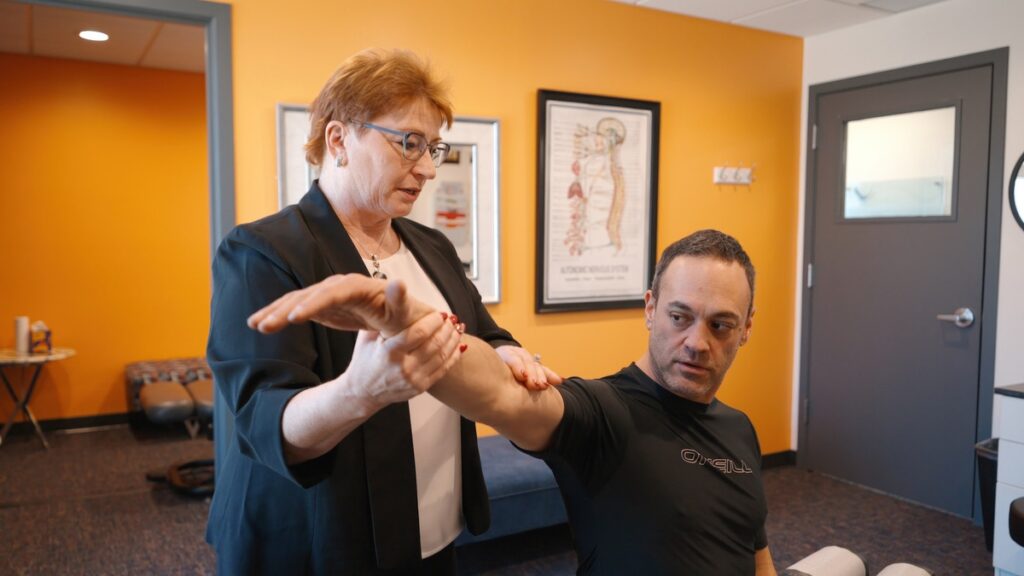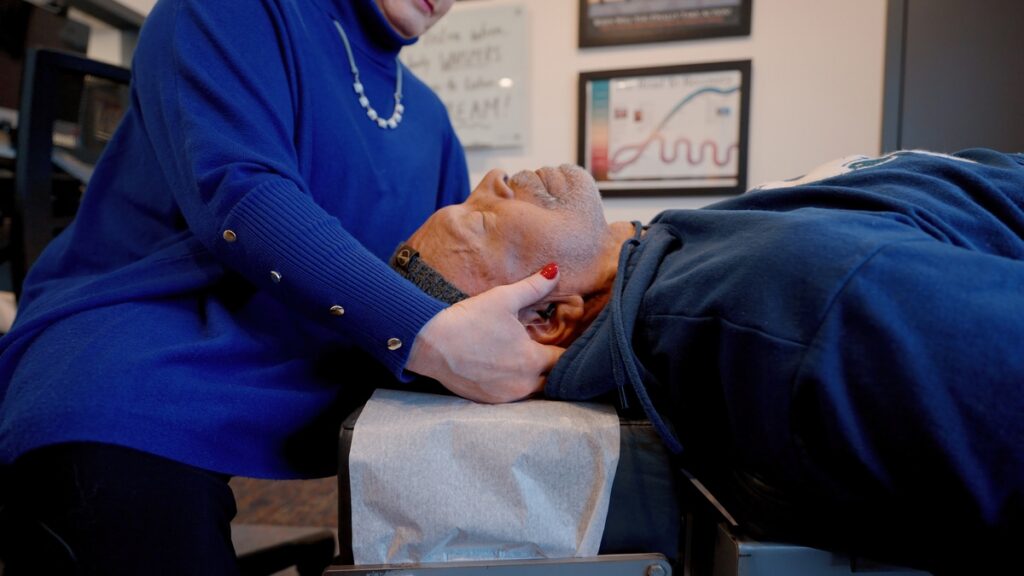
Stress can significantly impact your physical and mental well-being, leading to discomfort and tension in your body. As a chiropractor, I believe that incorporating relaxation techniques into your daily routine can be a natural and effective way to promote healing and alleviate stress. Practices such as deep breathing, mindfulness meditation, and gentle stretching not only help calm your nervous system but also support spinal health and overall wellness.
Deep breathing exercises can reduce tension in your back and neck, areas often affected by stress. By focusing on your breath, you create a mind-body connection that encourages relaxation and can even improve posture, which is essential for spinal health. Mindfulness meditation allows you to center yourself, providing clarity and reducing anxiety, which can also help prevent stress-related physical issues.
Gentle stretching is another beneficial practice that complements chiropractic care. Stretching can enhance flexibility, relieve muscle tightness, and promote better spinal alignment. It’s a simple way to incorporate movement into your day, and it pairs perfectly with chiropractic adjustments to optimize your body’s performance.
By integrating these relaxation techniques into your lifestyle, you can experience improved health and well-being. Remember, chiropractic care is an excellent choice for achieving pain relief and maintaining a balanced, healthy life. Regular visits to a chiropractor can address underlying issues and keep your spine aligned, further enhancing the benefits of relaxation techniques.
To take charge of your health, consider setting aside a few minutes each day for deep breathing, meditation, or stretching. These small steps can lead to significant improvements in how you feel, both physically and mentally. Embrace these natural methods, and your body will thank you!
Key Takeaways
- Engaging in deep breathing exercises can significantly lower your heart rate and blood pressure, fostering a calming and relaxing environment wherever you find yourself. This practice not only helps with stress relief but also complements chiropractic care by promoting overall wellness.
- Mindfulness meditation is an excellent way to enhance mental clarity and reduce tension linked to stress. By focusing your attention on your breath and gently redirecting your thoughts, you create a mental space that supports your spinal health and overall body function—an essential aspect of chiropractic care.
- Progressive muscle relaxation is a technique that systematically reduces physical tension in your body. This method increases your awareness of muscle groups and can enhance your spinal health by promoting proper alignment and function, making it a perfect complement to chiropractic treatments.
- Gentle yoga and stretching not only improve your flexibility and mobility but also help alleviate discomfort. These practices can enhance the benefits of chiropractic adjustments, ensuring your body remains relaxed and aligned, which is crucial for achieving optimal health.
- Incorporating aromatherapy into your routine, such as diffusing calming essential oils, can create a soothing atmosphere that supports relaxation and uplifts your mood. This holistic approach aligns beautifully with the principles of chiropractic care, focusing on natural healing and wellness without the need for medications or surgeries.
Remember, these techniques can be great additions to your overall health plan, especially when combined with regular chiropractic care. Embrace these practices for a healthier, more balanced life!
Deep Breathing Exercises
Deep breathing exercises are a straightforward yet powerful method to manage stress and promote relaxation, essential for maintaining overall health and wellness. As a local chiropractor, I believe that focusing on your breath is a natural way to activate your body’s relaxation response, helping to lower heart rate and blood pressure—both important factors in spinal health.
To begin, find a comfortable position, whether sitting or lying down, and gently close your eyes. Inhale deeply through your nose, allowing your abdomen to expand fully. This deep belly breathing not only calms your mind but also supports proper posture and spinal alignment. Hold this breath for a few seconds, then exhale slowly through your mouth. Repeat this process for several minutes, concentrating on the rhythm of each breath.
As you practice deep breathing, you may notice your mind becoming clearer and tension in your body easing. These exercises can be done anywhere—in the comfort of your home, at work during a break, or in a peaceful outdoor setting. By regularly incorporating deep breathing into your routine, you may find that you respond to stress with a greater sense of calm and mindfulness, which is vital for maintaining a healthy spine.
Mindfulness Meditation
While balancing various responsibilities, incorporating mindfulness meditation into your daily routine can greatly enhance your overall well-being and complement your chiropractic care.
By focusing on the present moment, you can cultivate a sense of calm and clarity, which is essential for maintaining a healthy spine and reducing stress-related tension. Here’s how to get started:
- Find a quiet space: Choose a comfortable spot where you won’t be disturbed, such as a cozy corner in your living room or a peaceful park bench. This tranquil environment will help you relax and focus on your body and breath.
- Set a timer: Begin with just five minutes of mindfulness meditation. This short duration allows you to ease into the practice without feeling overwhelmed. As you grow more comfortable, gradually increase the time to enhance your relaxation and connection to your body.
- Focus on your breath: Close your eyes and pay attention to your inhalations and exhalations. Feel the rise and fall of your chest and abdomen. If your mind starts to wander, gently redirect your focus back to your breath. This practice not only calms the mind but also helps in releasing tension from the spine and surrounding muscles.
By integrating mindfulness meditation into your routine, you’re not only promoting mental wellness but also supporting your spinal health.
Progressive Muscle Relaxation
Practicing progressive muscle relaxation (PMR) can be a fantastic way to relieve stress and tension, promoting a healthier lifestyle. This technique involves systematically tensing and relaxing various muscle groups, which enhances your awareness of bodily sensations and can complement your chiropractic care.
Here’s a straightforward guide to help you incorporate PMR into your routine:
| Muscle Group | Tension Duration | Relaxation Duration |
|---|---|---|
| Hands | 5 seconds | 10 seconds |
| Shoulders | 5 seconds | 10 seconds |
| Legs | 5 seconds | 10 seconds |
| Face | 5 seconds | 10 seconds |
Begin this practice at your feet and work your way up to your head. As you tense each muscle group, take a deep breath in, and as you relax, exhale slowly. This not only alleviates physical tension but also helps calm your mind, making it a powerful tool for stress relief.
Remember, chiropractic care focuses on the health of your spine and nervous system, which is crucial for overall wellness. Incorporating techniques like PMR can enhance your chiropractic treatments, helping you achieve optimal health and pain relief more effectively.
In addition to PMR, here are a few tips to promote a healthier lifestyle:
- Stay Hydrated: Drinking plenty of water can help reduce muscle tension and improve overall bodily function.
- Maintain Good Posture: Be mindful of your posture during daily activities to prevent unnecessary strain on your spine.
- Regular Exercise: Gentle activities like walking or yoga can keep your muscles relaxed and support spinal health.
- Prioritize Sleep: Ensure you are getting enough restorative sleep to help your body heal and recover.
Give progressive muscle relaxation a try, and consider how it can work alongside your chiropractic care for a more balanced approach to your wellness journey. Feel the difference it makes in your body and mind!
Guided Imagery
Guided imagery is a powerful tool that can enhance your journey towards optimal health and wellness, complementing the benefits of chiropractic care. By engaging your imagination, you can effectively reduce stress and promote relaxation, which are essential for maintaining a healthy spine and overall well-being. Here are three imagery techniques that can help you unwind and support your body’s natural healing process:
- Beach Scene: Imagine yourself lying on a warm, sandy beach, with the sun gently warming your skin and the sound of waves soothing your mind. Visualizing this serene environment can help alleviate tension in your muscles and enhance your body’s healing abilities.
- Mountain Retreat: Picture yourself at the top of a tranquil mountain, surrounded by tall, green trees and breathing in the fresh, crisp air. This imagery can help you feel grounded and supported, much like the adjustments you receive from chiropractic care, promoting a sense of balance and stability in your body.
- Serene Garden: Envision strolling through a vibrant garden filled with colorful flowers and the gentle sounds of nature around you. This calming visualization can help cultivate a positive mindset, reducing stress and inflammation, which can be beneficial for your spinal health.
As you immerse yourself in these vivid images, allow any tension or discomfort to melt away, inviting a sense of calm and rejuvenation into your life. Remember, guided imagery can be a simple yet effective complement to your chiropractic treatments, helping you achieve a more harmonious state of being and optimal health.
Incorporating these practices into your daily routine can lead to a healthier, more balanced life without the need for medications or invasive procedures. Embrace the power of your mind as you work towards your wellness goals!
Yoga and Stretching
Yoga and stretching can be effective ways to manage stress and promote overall wellness, but when it comes to achieving optimal health, chiropractic care stands out as a key component. By focusing on spinal health and alignment, chiropractic adjustments help alleviate pain, improve mobility, and enhance the body’s natural healing processes.
Incorporating mindful breathing techniques and relaxation poses into your routine can complement chiropractic care. These practices encourage a state of calm that allows the body to release tension. Here are some tips to enhance your well-being:
- Practice Deep Breathing: Spend a few minutes each day focusing on deep, slow breaths. This can help reduce stress and improve oxygen flow to your muscles, enhancing the effects of your chiropractic treatments.
- Stretch Regularly: Simple stretches can alleviate stiffness and improve your flexibility. Focus on areas that might be tight due to daily activities, especially if you spend long hours sitting.
- Stay Active: Engage in low-impact activities like walking, swimming, or gentle yoga. These can help maintain spinal health and reduce muscle tension, supporting the benefits of your chiropractic visits.
- Listen to Your Body: Pay attention to how your body feels. If you notice areas of discomfort or tightness, discuss these with your chiropractor, who can offer tailored advice and adjustments.
- Prioritize Sleep: Quality sleep is essential for recovery and overall health. Create a relaxing bedtime routine and ensure your sleeping environment supports spinal alignment.
By integrating these practices into your lifestyle, along with regular chiropractic care, you can achieve a greater sense of well-being and a natural approach to pain relief.
Mindful Breathing Techniques
As a chiropractor, I often see how stress and tension can impact your overall well-being, including the health of your spine. One powerful way to reduce stress and promote relaxation is through mindful breathing. By focusing on your breath, you can help alleviate tension in your body and support your spinal health.
Here are three effective techniques to incorporate mindful breathing into your daily routine:
- Deep Belly Breathing: Start by inhaling deeply through your nose, allowing your belly to expand fully while keeping your shoulders relaxed. Then, exhale slowly through your mouth, imagining any tension melting away with each breath. This technique not only calms your mind but also encourages proper posture, which is essential for spinal health.
- 4-7-8 Technique: Inhale for a count of 4 seconds, hold your breath for 7 seconds, and then exhale for 8 seconds. This rhythmic breathing pattern can help calm your nervous system and reduce stress, which is important for maintaining a healthy spine and overall wellness.
- Box Breathing: Breathe in for 4 seconds, hold for another 4 seconds, exhale for 4 seconds, and pause for 4 seconds. This technique not only fosters relaxation but also helps sharpen your focus, which can be beneficial in your daily activities, especially if you’re dealing with discomfort or pain.
Poses for Relaxation
Incorporating gentle poses into your daily routine can significantly enhance relaxation and reduce stress while also supporting your spinal health.
As a chiropractor, I recommend starting with Child’s Pose, which is excellent for releasing tension in your back and shoulders. To perform this pose, kneel and sit back on your heels, then stretch your arms forward and take deep breaths. This stretch not only promotes relaxation but also encourages proper alignment of the spine.
Another beneficial pose is Legs-Up-The-Wall Pose. This position helps improve circulation and calms the nervous system. Simply lie on your back and extend your legs up against a wall. This pose can help relieve pressure on your lower back and promote a sense of tranquility.
Don’t overlook the Cat-Cow stretch as well. This movement helps ease tightness in your spine and encourages flexibility. Gently alternate between arching your back (like a cat) and rounding it (like a cow) while taking deep, calming breaths. This rhythmic movement aids in spinal mobility and can help alleviate discomfort.
Incorporating these poses into your routine not only helps you unwind but also fosters mindfulness, which is essential for overall wellness. By dedicating just a few minutes to these stretches, you create a serene space for relaxation and stress relief.
Aromatherapy Techniques
Aromatherapy techniques can greatly enhance your stress relief routine, complementing the benefits of chiropractic care. By incorporating essential oils, you can create a calming atmosphere that promotes relaxation and supports your overall well-being. Here are three effective methods to integrate aromatherapy into your wellness routine:
- Diffusing: Use a diffuser to spread soothing scents like lavender or chamomile throughout your home. The gentle mist fills the air, creating a serene environment that can help alleviate tension, making it a perfect complement to your chiropractic adjustments.
- Inhalation: For a quick stress relief boost, place a few drops of essential oil on a tissue or cotton ball and take deep breaths. This method allows you to absorb the aroma directly, which can enhance your mood and relaxation, supporting the pain relief you may experience from chiropractic care.
- Massage: Combine essential oils with a carrier oil for a relaxing massage. The combination of therapeutic touch and calming scents can ease muscle tension and enhance your relaxation experience post-adjustment, helping to maintain mobility and comfort.
Incorporating these aromatherapy techniques into your daily routine not only helps alleviate stress but also supports your journey towards optimal health. Remember, while aromatherapy is beneficial, chiropractic care remains one of the best choices for achieving natural pain relief and overall wellness. Embrace the power of natural healing and take steps towards a healthier lifestyle!