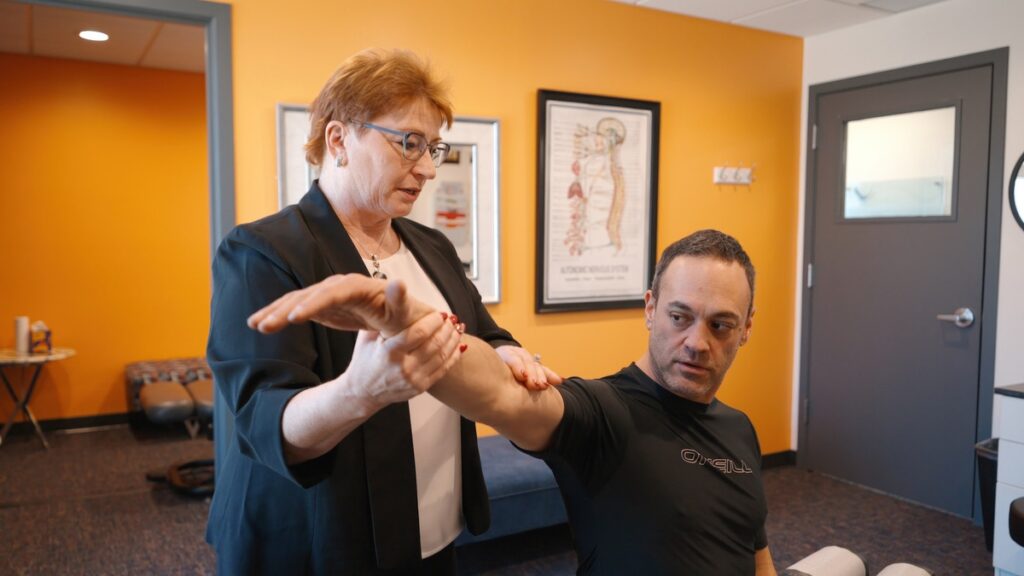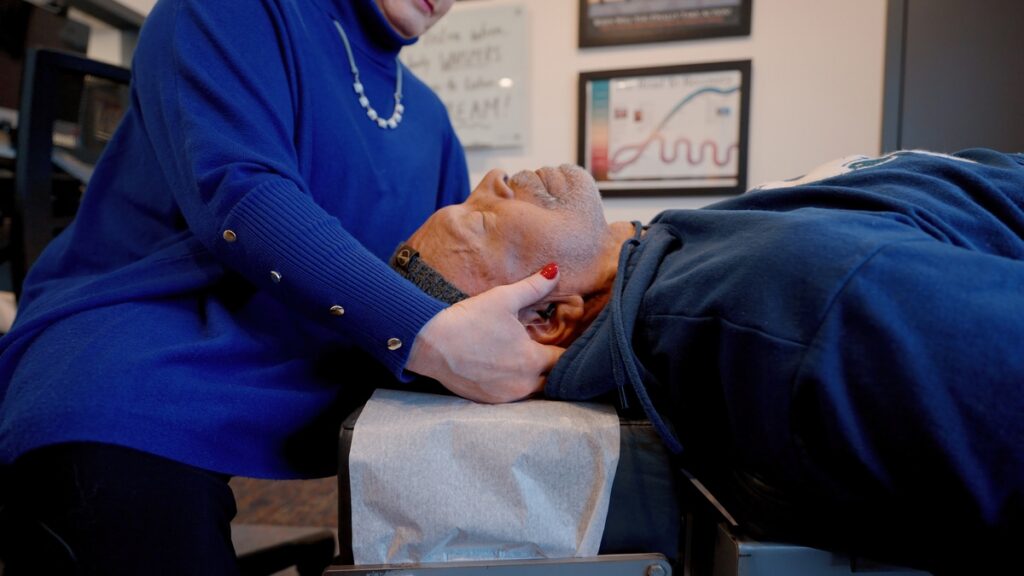
Improving your flexibility is more than just a few stretches; it’s a holistic journey that encompasses warm-ups, recovery, and your everyday habits. As a chiropractor, I believe that embracing a natural approach to health and wellness can lead to significant improvements in your flexibility and overall well-being. By integrating a few simple strategies into your daily routine, you can start to feel more limber and free in your movements. Interested in how chiropractic care can enhance your flexibility and support your journey to optimal health? Let’s dive into some essential secrets that can help you achieve your flexibility goals.
- Start with Chiropractic Care: Regular adjustments from a chiropractor can improve your spinal health, enhance your range of motion, and support better alignment, all of which are crucial for flexibility.
- Warm Up Properly: Before any stretching routine, engage in light activities that increase blood flow to your muscles. This could be a brisk walk or gentle movements to prepare your body for deeper stretches.
- Incorporate Stretching Techniques: Focus on both static and dynamic stretching. Static stretches help maintain flexibility, while dynamic stretches prepare your muscles for movement.
- Stay Hydrated: Water plays a vital role in muscle function and elasticity. Ensure you drink enough water throughout the day to keep your muscles well-hydrated.
- Listen to Your Body: Pay attention to how your body feels during stretches. Avoid pushing yourself too far, as this could lead to injury. Instead, aim for gradual improvements.
- Strengthen Your Core: A strong core supports your spine and helps improve your overall flexibility. Incorporate exercises like planks and bridges into your routine.
- Practice Mindfulness and Relaxation: Stress can lead to muscle tension. Techniques such as deep breathing, yoga, or meditation can help reduce stress and promote relaxation, allowing for better stretching.
- Regular Movement: Incorporate movement into your daily life. Simple activities like walking, dancing, or even gardening can keep your muscles flexible and engaged.
- Focus on Posture: Maintaining good posture throughout your day can prevent stiffness and encourage better alignment, which is essential for flexibility.
- Commit to Consistency: Flexibility takes time and dedication. Aim to incorporate stretching and movement into your daily routine for the best results.
By following these tips and considering chiropractic care as a cornerstone of your health and wellness journey, you can enhance your flexibility and overall quality of life. Embrace the path to a more limber you, and let chiropractic support you in achieving your flexibility goals naturally.
Key Takeaways
- Begin your journey to improved flexibility by incorporating dynamic stretching into your warm-up routine. This not only prepares your muscles for activity but also significantly reduces the risk of injury, making your workouts safer and more effective.
- To keep your flexibility journey on track, set attainable goals. For example, aim to touch your toes within a month. This allows you to measure your progress and stay motivated as you work toward your health goals.
- After your workout, don’t forget to practice static stretching. Holding each stretch for 20-30 seconds can help enhance your range of motion, allowing your body to move more freely. This is a simple yet effective way to support your overall wellness.
- Consider adding foam rolling to your routine. This technique helps release muscle tension and promotes better recovery. Focus on any tight areas, as this can lead to improved flexibility and less discomfort, making it an excellent complement to your chiropractic care.
- Remember, combining chiropractic care with your stretching routine can be incredibly beneficial. Regular adjustments support spinal alignment, which in turn enhances your overall flexibility and mobility. Embracing chiropractic care is a natural way to achieve optimal health and reduce pain without the need for medications or invasive procedures.
By following these tips, you can take significant steps toward a healthier, more flexible you!
Understand the Importance of Flexibility
Understanding the importance of flexibility is essential for anyone looking to enhance their physical performance and overall well-being, especially when it comes to spinal health. Flexibility allows your muscles and joints, including your spine, to move through their full range of motion. This can significantly improve your athletic abilities, reduce the risk of injuries, and promote quicker recovery after workouts.
When you’re flexible, everyday activities become easier—whether it’s bending down to tie your shoes or reaching for something on a high shelf, your body moves more freely and comfortably.
Incorporating flexibility into your routine can also alleviate muscle tension and support better posture, which are critical for maintaining a healthy spine. Good posture reduces discomfort and strain during physical activities, leading to a more enjoyable experience overall. As we age, maintaining flexibility is even more vital—it supports mobility, independence, and helps prevent back pain.
Prioritizing flexibility in your fitness routine not only boosts your performance but also enhances your overall quality of life. Here are some practical tips you can implement:
- Stretch Regularly: Incorporate gentle stretching exercises into your daily routine. Simple stretches for your back, hamstrings, and shoulders can improve your flexibility over time.
- Stay Hydrated: Keeping your muscles hydrated helps maintain their elasticity. Aim to drink plenty of water throughout the day.
- Practice Mindful Movements: Focus on how you move during daily activities. Being aware of your posture and movements can prevent strain on your spine.
- Consider Chiropractic Care: Regular visits to a chiropractor can help ensure your spine is aligned properly, which enhances your flexibility and overall mobility.
Incorporate Dynamic Stretching Into Your Warm-Up
Incorporating dynamic stretching into your warm-up can significantly enhance your flexibility and overall performance while also supporting your spinal health. As a chiropractor, I believe that preparing your body through movement is crucial for optimal function. Unlike static stretching, dynamic stretches engage your muscles in motion, which helps get your body ready for action and reduces the risk of injury.
Start with leg swings, which involve swinging one leg forward and backward while balancing on the other leg. This exercise not only loosens your hip joints but also warms up your hamstrings, promoting better mobility in your lower back and pelvis.
Next, consider adding walking lunges to your routine. Step forward into a lunge position and alternate legs. This dynamic movement stretches your hip flexors and engages multiple muscle groups, which can help maintain proper alignment and support your spine.
Don’t forget about your upper body! Arm circles are excellent for warming up your shoulders and promoting proper posture. Extend your arms out to the side and make small circles, gradually increasing their size. This helps to release tension in your shoulder area, which can be beneficial for maintaining a healthy spine.
Incorporating these dynamic stretches into your warm-up not only prepares your body for physical activity but also aligns with a commitment to natural wellness. Remember, regular chiropractic care can further enhance your flexibility and support a healthy lifestyle, allowing you to enjoy pain relief and overall well-being. Embrace these tips, and your body will thank you!
Practice Static Stretching After Workouts
Regularly practicing static stretching after workouts is crucial for enhancing flexibility and supporting muscle recovery, which are both important for optimal health and well-being. After you exercise, your muscles are warm and more receptive to stretching, making it the perfect time to incorporate this practice. Aim to hold each stretch for 20-30 seconds to effectively lengthen the muscles and improve your range of motion. It’s essential to target all major muscle groups, especially any areas that feel tight or fatigued.
Consider incorporating stretches for key muscle areas such as your hamstrings, quadriceps, calves, and shoulders to ensure a balanced approach to flexibility. Remember to take deep breaths and relax into each stretch; this not only helps your muscles release tension but also promotes relaxation, which is vital for overall health.
Consistency is key—making static stretching a regular part of your cool-down routine can lead to increased flexibility and reduced soreness. This means you’ll be better prepared for your next workout, and it can also help prevent injuries.
As a chiropractor, I encourage you to view these stretching practices as part of a holistic approach to health. Alongside regular chiropractic adjustments, which help maintain spinal alignment and overall body function, static stretching can enhance your physical well-being. By committing to this practice, you’re investing in a healthier lifestyle that supports pain relief and natural healing.
Utilize Foam Rolling for Muscle Recovery
Static stretching is just one part of a thorough muscle recovery routine, but let’s not overlook the powerful benefits of foam rolling. This technique can greatly enhance your flexibility and alleviate muscle soreness, making it an excellent complement to chiropractic care. Foam rolling applies gentle pressure to your muscles, helping to release tension and break up any knots or adhesions. This self-myofascial release method promotes improved blood flow, which accelerates recovery and prepares your muscles for future activities.
To begin incorporating foam rolling into your routine, select a foam roller and focus on areas that feel tight or sore. Roll slowly over each muscle group for about 30 seconds, paying special attention to any painful spots. As you roll, remember to breathe deeply; this can help relax your muscles even further and enhance the benefits.
Including foam rolling in your post-workout routine can’t only prevent stiffness but also improve your overall mobility. By making this practice a regular part of your self-care, you’ll feel more limber and ready to take on your next workout with confidence.
As a chiropractor, I emphasize the importance of combining techniques like foam rolling with regular chiropractic adjustments for optimal health. Together, these practices can help you achieve natural pain relief and promote a healthier, more active lifestyle. Remember, your body is a complex system, and taking care of it with both chiropractic care and self-myofascial release can lead to better overall wellness.
Try Yoga or Pilates for Enhanced Flexibility
If you’re looking to boost your flexibility, incorporating yoga or Pilates into your routine can be incredibly beneficial. These practices not only enhance your body’s range of motion but also promote overall wellness. However, it’s important to understand that flexibility is closely tied to spinal health. As a chiropractor, I encourage you to consider how chiropractic care can play a crucial role in achieving optimal flexibility and pain relief.
By aligning your spine and ensuring proper function of your nervous system, chiropractic adjustments can help reduce tension and improve your body’s ability to move freely. This means that while you’re working on your flexibility through yoga or Pilates, regular chiropractic care can support your progress by addressing any underlying issues that may hinder your flexibility.
Here are a few tips to enhance your flexibility journey:
- Regular Adjustments: Schedule regular chiropractic visits to maintain spinal alignment, which can significantly impact your flexibility and overall mobility.
- Mind Your Posture: Pay attention to your posture throughout the day. Proper alignment can prevent stiffness and promote better movement patterns.
- Warm-Up: Always warm up before engaging in any stretching or flexibility exercises. This can help prevent injury and prepare your muscles for movement.
- Stay Hydrated: Drinking plenty of water supports muscle function and helps keep your joints lubricated, which is essential for flexibility.
- Listen to Your Body: While pushing your limits is important, always listen to your body. If you feel pain, it’s crucial to consult with a chiropractor to address any potential issues.
Benefits of Yoga
Yoga offers incredible benefits for flexibility, making it a fantastic complement to chiropractic care for anyone looking to enhance their range of motion. By engaging in various poses, you’ll stretch and strengthen your muscles, promoting elasticity and reducing stiffness, which can be crucial for spinal health. Each session encourages deeper breathing, improving oxygen flow to your muscles and aiding in the release of tension, further supporting your chiropractic adjustments.
You’ll also notice improvements in posture and alignment, as yoga fosters mindful awareness of your body—an essential aspect of maintaining a healthy spine. Regular practice can lead to increased joint mobility, allowing for smoother movements in daily activities, which is vital for preventing pain and discomfort.
Moreover, yoga enhances the mind-body connection, promoting relaxation that helps alleviate stress. Stress can contribute to tension and tightness in the body, which may impact your spine and overall well-being. By incorporating yoga into your routine, you not only boost flexibility but also support your journey toward natural healing and optimal health.
For those looking to improve their health holistically, consider integrating chiropractic care with your yoga practice. Regular adjustments can help maintain your spine’s alignment, allowing you to enjoy the full benefits of your yoga sessions. Remember, the key to a healthier life is balance—between flexibility, strength, and relaxation. Embrace both yoga and chiropractic care to foster a healthier, more vibrant you!
Pilates Techniques Explained
Pilates techniques can be a great complement to chiropractic care, offering dynamic movements that focus on core strength, alignment, and flexibility. These exercises not only enhance your overall physical health but also support your spinal alignment, which is crucial for maintaining a pain-free lifestyle.
Incorporating movements like the Hundred and the Roll-Up allows you to engage your core while also stretching your muscles. This is beneficial for improving posture and increasing body awareness—both essential for flexibility and a healthy spine.
You might also want to try the Saw and the Spine Stretch to enhance your hamstring and spinal flexibility. As you practice these movements, you’ll likely notice an increase in your range of motion and a decrease in muscle tension, which can complement your chiropractic adjustments.
Don’t forget to focus on your breath during these exercises; it not only deepens your stretches but also fosters a connection between your mind and body, promoting relaxation and reducing stress. With consistent practice alongside your chiropractic care, you’ll find yourself moving more freely and confidently.
Class Recommendations for Beginners
To enhance your flexibility as a beginner, consider incorporating practices like yoga or Pilates into your routine. While these activities can be beneficial, it’s important to remember that chiropractic care is a natural and effective way to achieve optimal health and wellness, including improved flexibility. Here’s a quick comparison of these options, along with how chiropractic care can play a crucial role in your journey:
| Class Type | Focus Area | Benefits |
|---|---|---|
| Yoga | Mind-body balance | Reduces stress, increases body awareness |
| Pilates | Core strength | Improves posture, enhances stability |
While yoga and Pilates can help improve flexibility, they may not address underlying spinal issues that could be impacting your range of motion. Chiropractic care focuses on aligning the spine and optimizing your nervous system function, which supports your overall health and can enhance your flexibility even further.
Joining a class can provide guidance and motivation, but don’t forget the importance of regular chiropractic adjustments. These adjustments can help alleviate pain, improve mobility, and promote a healthier spine, allowing you to enjoy your flexibility journey more fully.
Focus on Breathing Techniques During Stretching
Breathing techniques are often overlooked but can significantly enhance your stretching routine and overall well-being. As a local chiropractor, I believe that integrating proper breathing with stretching not only improves flexibility but also fosters relaxation and mindfulness—key components of natural healing. Let’s explore three effective breathing techniques you can easily incorporate into your routine.
- Diaphragmatic Breathing: Start by inhaling deeply through your nose, allowing your diaphragm to expand rather than your chest. This method promotes better oxygen exchange and helps you relax into your stretches, which is essential for reducing tension in the body. By practicing diaphragmatic breathing, you can enhance your body’s natural ability to heal and recover.
- Exhale on the Stretch: When you ease into a deeper stretch, focus on exhaling slowly. This technique helps to release muscle tension, making it easier to deepen your stretch without risking injury. By exhaling during each stretch, you create a more comfortable experience that encourages your body to let go of tightness, aligning with the principles of chiropractic care.
- Count Your Breaths: Establish a rhythm by counting your inhales and exhales (for example, inhale for four counts, exhale for six). This practice not only keeps you centered and focused but also encourages a steady flow of breath throughout your routine. Consistent breathing patterns can enhance your overall stretching experience, promoting relaxation and better spinal alignment.
Incorporating these breathing techniques into your stretching can transform your experience, leading to greater flexibility and overall wellness. Remember, chiropractic care is an excellent way to support your body’s natural healing processes and achieve optimal health.
Set Realistic Goals and Track Your Progress
Setting realistic goals and tracking your progress are key steps in enhancing your flexibility and overall health. As a chiropractor, I encourage you to focus on specific areas of improvement, such as your hamstrings or shoulders, which can contribute to better spinal alignment and reduced discomfort. Instead of aiming for an extreme split overnight, set achievable milestones, like being able to touch your toes within a month. This not only makes your goals more attainable but also promotes a healthier spine by increasing your range of motion.
Once you’ve set your flexibility goals, consider keeping a stretching journal. In this journal, document your stretching routine, noting the exercises you perform and how your body feels afterward. Tracking your progress provides motivation and helps you discover which stretches work best for your body.
Make it a habit to regularly review your journal to see how far you’ve come. This won’t only boost your confidence but also allow you to adjust your goals as needed. Celebrate the small victories along the way, as each step forward is a reason to stay motivated on your flexibility journey. Remember, progress takes time, and by setting realistic goals and tracking your journey, you’ll be more focused and committed to improving your flexibility and overall wellness.
In addition, consider incorporating chiropractic care into your routine. Regular adjustments can help improve your posture, reduce tension, and enhance your overall flexibility, making it easier to reach your goals. As you work on your flexibility, remember that chiropractic care is a natural and effective way to support your body’s healing process, helping you achieve optimal health and wellness.
Stay Consistent With Your Stretching Routine
Maintaining a consistent stretching routine is crucial for achieving your flexibility goals and supporting your overall spinal health. Regular stretching not only enhances your flexibility but also plays a significant role in reducing the risk of injuries, particularly in the back and surrounding muscles. Here are three simple strategies to help you stay committed to your stretching routine:
- Set a Schedule: Designate specific days and times for your stretching sessions. Think of these as important appointments for your health that you can’t skip. Consistency is key, and having a routine will make it easier for your body to adapt and benefit from the stretches.
- Keep It Short: You don’t need to dedicate hours to stretching. Even just 10-15 minutes a day can lead to impressive results. Short, focused sessions are more manageable and can easily fit into your daily routine. Remember, every little bit helps, especially when it comes to maintaining a healthy spine.
- Track Your Progress: Consider keeping a journal or using an app to log your stretches and any improvements you notice. Tracking your progress can be incredibly motivating and will encourage you to continue prioritizing your stretching routine. You may be surprised at how quickly you see benefits, not just in flexibility but also in your overall well-being.
By incorporating these strategies into your daily life, you can improve your flexibility and enhance your spinal health naturally. Remember, chiropractic care is an excellent complement to your stretching routine, helping to ensure that your spine is aligned and functioning optimally.
Combining regular stretching with chiropractic adjustments can lead to greater relief from discomfort and a healthier, more active lifestyle.
Listen to Your Body and Avoid Overstretching
Listening to your body is crucial for improving flexibility and avoiding overstretching, especially when you’re seeking natural ways to enhance your overall wellness. Paying close attention to the signals your body sends during stretching is key. If you experience sharp pain or discomfort, it’s a clear indication to ease back. Stretching should feel challenging, but it should never cause pain. Always start with a warm-up to prepare your muscles and reduce the risk of injury—this is an important step that chiropractic care can help you with, as it aligns your spine and ensures your body is functioning optimally.
Take your time with each stretch, holding it for 15 to 30 seconds while focusing on your breathing. Flexibility is a gradual process, so don’t rush or push yourself too hard. Remember, it’s all about progress, not perfection. If you notice tightness in a specific area, gently stretching that muscle can be beneficial.
Being mindful of your body’s limits won’t only enhance your flexibility but also support your overall health. Incorporating regular chiropractic adjustments into your routine can further aid in achieving optimal health and wellness. A chiropractor can help ensure your spine is aligned, allowing you to move freely and comfortably. By combining these mindful stretching practices with chiropractic care, you can create a more enjoyable and sustainable wellness routine.
Mix Up Your Stretching Routine to Keep It Engaging
To keep your stretching routine fresh and engaging, consider incorporating different techniques that not only challenge your body but also promote spinal health.
As a chiropractor, I encourage you to explore dynamic movements that can improve flexibility and mobility, while also supporting proper alignment of your spine.
Regular stretching sessions are crucial for maintaining a healthy spine and preventing discomfort.
Remember, stretching should be a part of your overall wellness routine, complementing the benefits of chiropractic care.
By aligning your spine through gentle adjustments, you can enhance the effectiveness of your stretching exercises.
Here are a few tips to help you mix up your routine:
- Incorporate Dynamic Stretches: Try movements like arm circles or leg swings before your workouts. These not only warm up your muscles but also help in maintaining a healthy range of motion in your joints.
- Focus on Your Breathing: Deep breathing during stretching can help relax your muscles, making it easier to reach further and hold your stretches longer.
- Schedule Regular Sessions: Just as you’d for your chiropractic appointments, set aside specific times for stretching to build consistency and motivation.
- Listen to Your Body: Pay attention to how your body feels during stretches. If you notice any discomfort, it may be a sign to consult with your chiropractor for guidance on proper techniques or adjustments.
Explore Different Stretching Techniques
Mixing up your stretching routine can keep things fresh and engaging, helping you stay motivated on your journey to improved flexibility and overall health. As a chiropractor, I believe that incorporating different stretching techniques can’t only enhance your flexibility but also support your spine and overall wellness.
Here are three techniques to consider integrating into your routine, all of which align beautifully with chiropractic care principles:
- Static Stretching: This technique involves holding each stretch for 15-30 seconds. It’s a great way to gradually lengthen your muscles, which can help alleviate tension and improve flexibility over time. Remember, stretching should feel good—not painful! If you ever feel discomfort, ease off the stretch and consult with your chiropractor for guidance.
- Ballistic Stretching: This method uses gentle bouncing movements to push your limits. While it can help you reach greater flexibility, it’s important to approach this technique with caution, especially if you’re just starting out. Excessive bouncing can lead to strain, so always listen to your body. If you’re unsure, your chiropractor can provide you with safer alternatives that suit your needs.
- PNF Stretching: Proprioceptive Neuromuscular Facilitation (PNF) stretching is often done with a partner. It involves contracting and relaxing your muscles to increase flexibility. This technique can be very effective, but it’s essential to have proper guidance, which your chiropractor can offer. They can help you understand how to perform these stretches safely and effectively.
Incorporating these techniques into your routine can complement your chiropractic care, supporting your journey toward pain relief and enhanced wellness.
Incorporate Dynamic Movements
Incorporating dynamic movements into your stretching routine can significantly enhance your overall health and wellness. As a chiropractor, I encourage you to swap out static stretches for more fluid movements like leg swings, arm circles, and torso twists. These dynamic exercises not only warm up your muscles but also promote better spinal alignment and flexibility, which are essential for maintaining a healthy body.
For example, engaging in walking lunges or high knees can effectively activate your lower body while also encouraging proper posture and spinal support. By moving through stretches, you elevate your heart rate and improve circulation, which can lead to better muscle recovery and reduced discomfort.
It’s important to integrate these dynamic stretches into your routine, whether before workouts or throughout your day. This approach not only keeps your regimen fresh and enjoyable but also aligns with the principles of chiropractic care, which emphasizes natural movement and wellness. By making these small adjustments, you’re more likely to stay committed to your health journey and experience lasting improvements in your flexibility and overall well-being.
Schedule Regular Stretching Sessions
Regularly scheduling stretching sessions is a fantastic way to keep your body engaged and enhance your flexibility, both of which are vital for overall wellness and spinal health. As a chiropractor, I encourage you to commit to a routine that not only improves your range of motion but also supports your spine’s health. Here are three helpful tips to make your stretching sessions enjoyable and effective:
- Explore Different Techniques: Mix it up with various stretching methods, such as static stretches (holding a position), dynamic stretches (moving through a range), and PNF (proprioceptive neuromuscular facilitation) stretching. This variety targets different muscle groups and keeps your routine exciting, which can help you stay motivated.
- Set Realistic Goals: Focus on specific, attainable goals, such as improving your ability to touch your toes or achieving a deeper squat. Tracking your progress can provide a sense of accomplishment, which is important for maintaining motivation and can lead to reduced tension in your spine.
- Participate in Group Classes: Joining a yoga or Pilates class is a great way to learn new stretches while connecting with others who share similar health goals. These classes often emphasize proper form and alignment, which are essential for maintaining a healthy spine.
By staying consistent with your stretching routine, you’ll not only enhance your flexibility but also support your overall health and well-being.