If you’re experiencing chronic tension headaches, it’s crucial to pinpoint what might be triggering them. Keeping a journal of your symptoms can help you identify patterns, such as certain foods or stressors that could be contributing to your discomfort. By recognizing these triggers, you can take proactive steps to avoid them and regain control over your health.
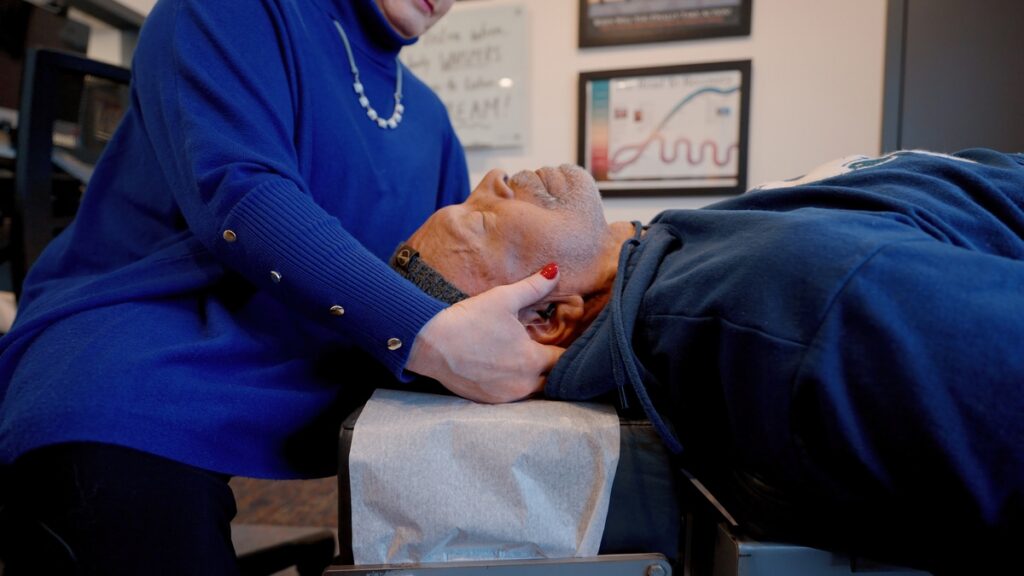
In addition to tracking your symptoms, making simple lifestyle changes can lead to significant improvements. Regular chiropractic care is one of the best ways to address the root causes of tension headaches. A chiropractor can help align your spine, relieve muscle tension, and improve your overall posture, which can have a profound impact on headache frequency and intensity.
Here are some effective strategies to help alleviate your discomfort:
- Stay Hydrated: Dehydration can lead to increased tension and headaches. Make sure to drink plenty of water throughout the day.
- Practice Good Posture: Be mindful of your posture, especially if you’re sitting for long periods. Proper alignment can reduce strain on your neck and back.
- Incorporate Relaxation Techniques: Techniques such as deep breathing, yoga, or meditation can help reduce stress and tension in your body.
- Get Regular Exercise: Engaging in regular physical activity can help relieve tension and promote overall wellness. Aim for activities you enjoy to make it more sustainable.
- Schedule Chiropractic Adjustments: Regular visits to your chiropractor can help maintain spinal health and prevent the onset of tension headaches.
- Limit Caffeine and Alcohol: Both can contribute to dehydration and may trigger headaches in some individuals. Moderation is key.
- Prioritize Sleep: Ensure you’re getting adequate rest each night. Lack of sleep can exacerbate tension and lead to headaches.
- Use Heat or Cold Therapy: Applying a warm compress or an ice pack to your head or neck can provide relief from tension.
- Maintain a Balanced Diet: Eating a healthy diet rich in fruits, vegetables, and whole grains can support your overall health and reduce headache triggers.
- Stay Socially Connected: Engaging with friends and family can provide emotional support, which is essential in managing stress levels.
By incorporating these tips into your daily routine and seeking regular chiropractic care, you can work towards relieving your tension headaches and enhancing your overall well-being. Remember, your journey to better health and pain relief starts with understanding your body and making informed choices.
Key Takeaways
- Keep a headache diary to pinpoint what triggers your tension headaches. This may include stress, sleep patterns, and certain foods. Understanding these triggers can help you make lifestyle changes that may reduce headache frequency and severity.
- Staying properly hydrated is essential for overall health and can help prevent headaches. Aim to drink at least eight 8-ounce glasses of water daily. Dehydration can lead to tension headaches, so keeping your body well-hydrated can be a simple yet effective prevention method.
- Good posture is crucial for spinal health and can significantly reduce neck and shoulder strain, which often contributes to tension headaches. Pay attention to your posture while sitting and standing. Make adjustments as needed to support your spine and avoid additional stress on your body.
- Incorporating relaxation techniques into your daily routine can be incredibly beneficial. Practices like deep breathing, yoga, or mindfulness meditation can help lower stress levels and provide relief from headache symptoms. These methods promote relaxation and can complement chiropractic care for a holistic approach to wellness.
- Regular exercise, such as aerobic activities or stretching, not only improves overall fitness but also helps reduce the frequency of headaches. Engaging in physical activity helps release endorphins, which are natural pain relievers. Coupled with chiropractic adjustments, exercise can enhance your body’s ability to manage and prevent tension headaches.
Incorporating these tips into your lifestyle, alongside regular chiropractic care, can lead to optimal health and well-being while providing natural relief from chronic tension headaches.
Identify and Avoid Triggers
To effectively manage chronic tension headaches, it’s essential to identify and avoid your personal triggers. A great starting point is to keep a headache diary. This simple tool allows you to track when your headaches occur, their severity, and any possible contributing factors. You may discover patterns that suggest stress, lack of sleep, or specific foods are influencing your headaches.
Take a closer look at your daily habits as well. Are you maintaining good posture at your desk, or spending long hours in front of screens? Poor posture and extended screen time can lead to muscle tension, which may contribute to headaches.
Once you’ve pinpointed your triggers, you can take proactive steps to avoid them. If stress emerges as a significant factor, consider managing it through effective time management and establishing healthy boundaries in your life. If you notice certain foods causing your headaches, think about reducing or eliminating them from your diet.
In addition to these strategies, consider incorporating regular chiropractic care into your routine. Chiropractic adjustments can help alleviate muscle tension, improve spinal alignment, and enhance your overall wellness—making it an excellent choice for those seeking natural pain relief. By recognizing and steering clear of your specific triggers, combined with the benefits of chiropractic care, you can significantly reduce the frequency and intensity of your tension headaches, paving the way for a healthier, pain-free life.
Practice Relaxation Techniques
Incorporating relaxation techniques into your daily routine can greatly enhance your overall well-being and help alleviate chronic tension headaches. As a chiropractor, I emphasize the importance of natural healing and maintaining a healthy spine, which plays a crucial role in how your body responds to stress.
Start with deep breathing exercises. Simply inhale deeply through your nose, hold for a few seconds, and then exhale slowly through your mouth. This practice not only helps reduce stress and tension but also encourages proper oxygen flow, which can be beneficial for spinal health.
Another effective method is progressive muscle relaxation. This technique involves tensing and then relaxing each muscle group in your body, starting from your toes and working your way up to your head. By consciously releasing physical tension, you can promote relaxation and support your spine’s alignment.
Mindfulness meditation is also a great option. Spend a few minutes each day clearing your mind and focusing on the present moment. You can use guided meditation apps or simply sit quietly and observe your breath. This practice can help you manage stress and enhance your body’s natural healing processes.
Gentle yoga or stretching is another excellent way to relieve tension and improve circulation, which is vital for reducing headache discomfort. These activities can help keep your spine flexible and support overall health.
Maintain a Consistent Sleep Schedule
Getting enough quality sleep is essential for managing chronic tension headaches, and establishing a consistent sleep schedule is a simple yet powerful way to enhance your overall wellness. Aim to go to bed and wake up at the same time every day, including weekends. This routine helps regulate your body’s internal clock, which can lead to better sleep quality. When you adhere to a schedule, you’ll likely find it easier to drift off to sleep and wake up feeling refreshed, both of which can support your body’s natural healing processes.
Creating a calming bedtime routine can further signal to your body that it’s time to wind down. Consider activities that promote relaxation, such as reading a book or practicing deep breathing exercises. It’s best to avoid screens and stimulants like caffeine in the hours leading up to sleep, as these can interfere with your ability to relax and rest.
If you find it tough to fall asleep, be mindful of daytime naps; keeping them to 20-30 minutes can help prevent disruptions to your nighttime sleep. By prioritizing a consistent sleep schedule, you’re not just improving your rest—you’re also taking an important step toward reducing the frequency and intensity of tension headaches.
Stay Hydrated
Staying hydrated is a vital aspect of overall health and wellness, especially when it comes to preventing tension headaches. As a chiropractor, I often see patients who experience headaches due to dehydration. When your body lacks sufficient water, you may feel fatigued, dizzy, or even experience increased pain. Staying well-hydrated not only helps to ease headache frequency and intensity but also supports your spinal health and overall well-being.
To keep your body properly hydrated, aim to drink at least eight 8-ounce glasses of water a day. It’s also helpful to incorporate hydrating foods into your diet, such as fruits and vegetables. Remember, even mild dehydration can lead to discomfort, so keep a water bottle handy and sip throughout the day.
In addition to hydration, consider regular chiropractic adjustments to help manage tension and promote natural healing in your body. Proper spinal alignment can enhance your body’s ability to cope with stress and tension, reducing the likelihood of headaches.
Take these simple steps to enhance your wellness: drink plenty of water, eat hydrating foods, and prioritize regular chiropractic care. By doing so, you’re taking an important step towards achieving optimal health and a pain-free life.
Importance of Water Intake
One important aspect of alleviating chronic tension headaches is maintaining proper hydration. When you’re well-hydrated, your body can function at its best, which can help reduce the likelihood of headaches.
Here’s why water intake is crucial for your overall health and wellness, especially when considering chiropractic care:
- Enhances blood flow: Staying hydrated improves circulation, allowing oxygen and nutrients to reach your brain more effectively. This can support your spinal health and overall body function.
- Regulates temperature: Proper hydration helps maintain your body’s temperature, preventing overheating that can lead to tension headaches. This is essential for keeping your nervous system functioning optimally.
- Supports overall health: Drinking enough water aids in digestion and reduces fatigue, both of which can contribute to tension headaches. A well-functioning body is key to achieving balance and wellness, which is where chiropractic care can play a vital role.
Make it a habit to sip water throughout the day. Aim for at least eight glasses daily, but feel free to adjust based on your activity level.
Signs of Dehydration
Dehydration can often sneak up on us and may not show obvious signs right away. As our bodies lose water, we may start to notice symptoms such as a dry mouth, fatigue, or a slight headache. It’s important to pay attention to these early warning signs! A decrease in urine output or darker urine are clear indicators that your body is in need of hydration. Feeling dizzy or lightheaded? That’s your body’s way of signaling that it’s craving fluids.
Even mild dehydration can worsen tension headaches, which can be particularly troublesome. As a chiropractor, I understand the connection between hydration and overall wellness, including spinal health. Maintaining proper hydration can help support your body’s natural healing processes and may even alleviate some discomfort you experience.
To help prevent dehydration, keep a water bottle close by and take sips throughout your day. Make it a habit to drink water regularly, not just when you’re thirsty. Remember, staying hydrated isn’t just about quenching your thirst; it’s crucial for your overall health and can help reduce headache triggers.
In addition to hydration, incorporating regular chiropractic care can enhance your wellness journey. Chiropractic adjustments can help optimize your nervous system function, which is essential for your body to efficiently use nutrients and stay hydrated. By prioritizing hydration and chiropractic care, you can take significant steps towards achieving optimal health and natural pain relief. Stay healthy, stay hydrated!
Incorporate Regular Exercise
Regular exercise plays a vital role in managing chronic tension headaches, and as a chiropractor, I can’t emphasize enough the benefits of staying active for your overall health and well-being.
Engaging in physical activity not only helps to alleviate headache symptoms but also supports spinal health and promotes natural healing. When you exercise, your body releases endorphins—natural painkillers that can significantly reduce the frequency and intensity of headaches.
Furthermore, staying active improves circulation and encourages relaxation, which can lead to fewer headaches over time.
Here are some types of exercises you can incorporate into your routine to support your health and reduce headache occurrences:
- Aerobic Activities: Simple exercises like walking, jogging, or cycling can enhance your overall fitness level and reduce stress, which is often a trigger for tension headaches.
- Stretching and Yoga: These practices are fantastic for increasing flexibility and promoting relaxation. They can help relieve muscle tension, particularly in the neck and shoulders, which are common areas where tension headaches originate.
- Strength Training: Building muscle through strength exercises not only supports better posture but also helps maintain a healthy spine. Good posture is crucial for reducing headache triggers, as it alleviates unnecessary strain on your neck and back.
To reap the benefits of exercise, aim for at least 30 minutes of moderate activity most days of the week.
Remember, consistency is key! By incorporating regular exercise into your lifestyle, you’ll not only enhance your physical health but also create a natural defense against chronic tension headaches.
As you embark on your wellness journey, don’t forget that chiropractic care is an excellent option to complement your exercise routine. Regular visits to a chiropractor can help align your spine, improve your posture, and support your body’s natural healing processes.
Together, exercise and chiropractic care can lead you toward a healthier, headache-free life.
Utilize Proper Posture
Maintaining proper posture is crucial for overall health and can significantly alleviate chronic tension headaches. As a local chiropractor, I encourage everyone to cultivate habits that promote proper alignment in your daily activities. By doing so, you can support your spine and overall well-being, reducing discomfort and enhancing your quality of life.
Here are some simple tips to help you achieve and maintain proper posture whether you’re sitting, standing, or walking:
Quick Reference Guide to Proper Posture
| Position | Posture Tips |
|---|---|
| Sitting | Keep your feet flat on the floor and your back straight. Use a chair that supports your lower back. |
| Standing | Stand tall with your weight evenly distributed on both feet. Keep your shoulders relaxed and avoid locking your knees. |
| Walking | Engage your core, keep your chin parallel to the ground, and take even strides. |
| Using a Computer | Ensure your screen is at eye level, your elbows are bent at about 90 degrees, and take regular breaks to stretch. |
Apply Heat or Cold Therapy
When it comes to managing chronic tension headaches, many people find that applying heat or cold therapy can be incredibly helpful. As a chiropractor, I often recommend these natural methods to help alleviate discomfort and promote healing.
Using heat can be particularly effective for relaxing tense muscles in your neck and shoulders, which are often contributors to headache pain. You might consider using a warm compress or a heating pad for around 15-20 minutes to help soothe those tight areas.
On the other hand, cold therapy can provide immediate relief by numbing the pain and reducing inflammation. A cold pack applied to your forehead or the back of your neck can be refreshing and effective. Just be sure to wrap the cold pack in a cloth to protect your skin.
For some individuals, combining both heat and cold treatments can yield the best results. Start with heat to relax the muscles, and then switch to cold to help reduce any swelling or pain.
Remember, while these therapies can be beneficial, they work best alongside regular chiropractic care. Chiropractic adjustments can help address the underlying issues that contribute to tension headaches, ensuring that your spine and nervous system are functioning optimally.
This holistic approach not only helps relieve pain but also supports your overall well-being.
Incorporating simple lifestyle changes, such as staying hydrated, practicing good posture, and managing stress through relaxation techniques, can also make a significant difference in preventing tension headaches. Always listen to your body and consult with your chiropractor for personalized advice tailored to your specific needs. Together, we can work towards achieving lasting relief and a healthier, more vibrant life!
Benefits of Heat Therapy
Applying heat therapy can be a powerful tool in managing the discomfort associated with chronic tension headaches. When you use heat, it helps relax tight muscles and improve blood circulation, which can significantly alleviate pain.
Here are some benefits of using heat therapy that you may find helpful:
- Muscle Relaxation: The soothing warmth works wonders on tense muscles, helping to reduce stiffness and discomfort that can contribute to headaches.
- Increased Blood Flow: Heat encourages better circulation, which delivers vital oxygen and nutrients to the affected area, supporting natural healing and recovery.
- Stress Relief: The comforting sensation of heat can help melt away stress, promoting relaxation and contributing to overall headache relief.
While heat therapy can be beneficial, it’s important to remember that chiropractic care is an excellent approach to not only manage headaches but also to address the underlying causes. A chiropractor can help identify and correct spinal misalignments, which may be contributing to your tension headaches.
By focusing on your spine and overall wellness, you can achieve a more holistic approach to pain relief.
Incorporating heat therapy into your routine can complement your chiropractic care. Whether you opt for a warm towel, heating pad, or a hot shower, these simple strategies can help enhance your well-being and manage headaches more effectively.
Cold Therapy Techniques
Cold therapy is a valuable technique that can help alleviate chronic tension headaches, and when combined with chiropractic care, it may enhance your overall wellness.
By applying a cold compress to your forehead or the back of your neck, you can numb pain and reduce inflammation, offering a natural way to find relief. You can easily create a cold compress using a gel pack, a bag of frozen vegetables, or even a simple towel soaked in cold water. Just be sure to wrap ice packs in a cloth to protect your skin from frostbite.
It’s beneficial to apply the compress for about 15-20 minutes at a time, allowing breaks in between. Additionally, splashing cold water on your face or immersing your hands in cold water can also provide soothing relief.
While these methods can help ease headache symptoms, remember that chiropractic care addresses the underlying issues that may contribute to your headaches. Regular chiropractic adjustments can improve spinal alignment and reduce tension in your body, promoting better overall health.
Combining Both Treatments
Cold therapy can be a useful method for managing chronic tension headaches, but combining it with heat therapy may offer even greater relief. As a chiropractor, I often recommend a holistic approach to pain management that can help you achieve optimal health without the need for medications or invasive procedures. By alternating between hot and cold treatments, you can more effectively target the pain while promoting relaxation of tense muscles.
Here are some simple tips to get started with this combination approach:
- Begin with cold therapy: Apply a cold pack to your forehead or the back of your neck for 15-20 minutes. This can help numb the pain and reduce inflammation, giving you a sense of relief.
- Transition to heat: After the cold therapy, switch to a warm compress or heating pad. Apply it for another 15-20 minutes to help relax tight muscles and enhance blood flow, promoting healing and comfort.
- Tune in to your body: It’s important to listen to how your body responds. Adjust the duration and intensity of each treatment based on your comfort level. If something feels too intense, it’s okay to modify your approach.
Incorporating chiropractic care into your routine can further enhance your natural healing journey. Regular adjustments can help align your spine, improve nerve function, and support your overall wellness. By focusing on these natural methods, you can take steps toward a healthier, pain-free life.
Always remember, your body knows best, so take the time to discover what works for you!
Consider Over-the-Counter Pain Relief
Many people experience chronic tension headaches, and while over-the-counter pain relief options like ibuprofen or acetaminophen may provide temporary relief, they often don’t address the root cause of the problem. As a chiropractor, I believe in the power of natural healing and the importance of understanding how our bodies work.
Chronic tension headaches can often be linked to spinal misalignments, muscle tension, and stress. Chiropractic care focuses on restoring proper alignment to the spine, which can relieve pressure on nerves and help alleviate headache symptoms. By addressing the underlying issues rather than just masking the pain with medication, chiropractic adjustments can lead to long-lasting relief.
In addition to regular chiropractic care, you can also take proactive steps to manage your headaches. Consider incorporating relaxation techniques such as deep breathing exercises, yoga, or meditation into your daily routine. Staying hydrated and maintaining good posture can also help prevent tension buildup.
Keeping track of your headache patterns and identifying potential triggers—such as stress, lack of sleep, or certain foods—can empower you to make lifestyle changes that promote overall wellness. Remember, the goal isn’t just to relieve pain but to achieve optimal health through natural means. If your headaches persist, I encourage you to consult with a chiropractor who can provide personalized care tailored to your needs. Embrace the journey toward a healthier, pain-free life!
Explore Alternative Therapies
Chiropractic care is a powerful solution for alleviating chronic tension headaches, and it’s important to consider how complementary therapies can further enhance your relief and overall well-being. These therapies often focus on the mind-body connection, which can help promote relaxation and reduce stress—two key factors that contribute to headaches.
Here are some alternative approaches that can work beautifully alongside chiropractic care:
- Acupuncture: This ancient technique involves the careful placement of thin needles at specific points on the body. It can help alleviate pain and restore balance, making it a great adjunct to your chiropractic treatment.
- Massage Therapy: Regular massage can effectively relieve muscle tension and improve blood flow, providing quick relief from headache symptoms. It’s a wonderful way to complement the spinal adjustments you receive from chiropractic care.
- Yoga and Meditation: Incorporating yoga and meditation into your daily routine can be incredibly beneficial. These practices help to lower stress levels, improve flexibility, and promote a sense of calm, which may help prevent headaches from coming back.
While exploring these options, remember that chiropractic care remains one of the most effective ways to address the root causes of headaches by ensuring proper spinal alignment and function. By focusing on your spine and overall wellness, you’re taking a significant step towards a healthier, headache-free life.
As you integrate these therapies into your routine, here are some general tips to keep in mind:
- Stay hydrated, as dehydration can be a common trigger for headaches.
- Maintain good posture throughout your day to reduce unnecessary strain on your neck and spine.
- Consider keeping a headache diary to track what may be triggering your headaches, so you can discuss it with your chiropractor.
Seek Professional Help
If you find that chronic tension headaches keep bothering you despite trying various home remedies, it’s important to seek professional help.
A chiropractor can assess your condition and identify any issues related to your spine and nervous system that may be contributing to your headaches. They can recommend a personalized treatment plan focused on natural healing, which often includes spinal adjustments, exercises, and lifestyle advice.
If headaches are affecting your daily life, don’t hesitate to consult a chiropractor. These specialists can provide valuable insights into managing headaches through natural methods that promote overall wellness.
Techniques like chiropractic adjustments can help relieve tension and improve spinal alignment, which may reduce headache frequency and intensity.
You might also benefit from incorporating exercises that strengthen your neck and shoulder muscles, which can help alleviate tension. Remember to communicate openly about your symptoms and any past treatments you’ve tried. By working closely with your chiropractor, you can explore effective strategies for headache relief and enhance your quality of life.
Seeking chiropractic care is a proactive step toward better health and wellness. It’s all about finding natural solutions that work for you!