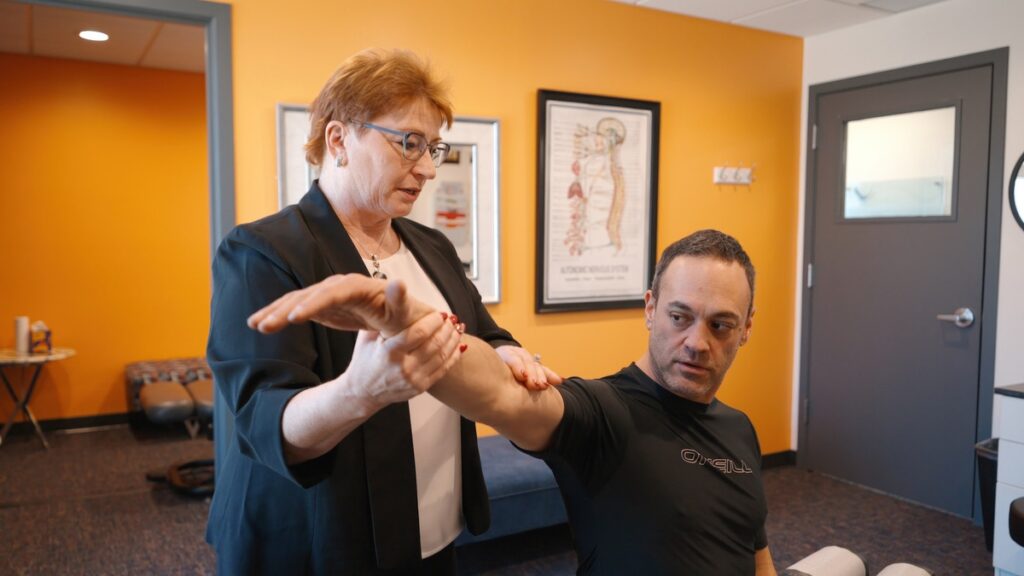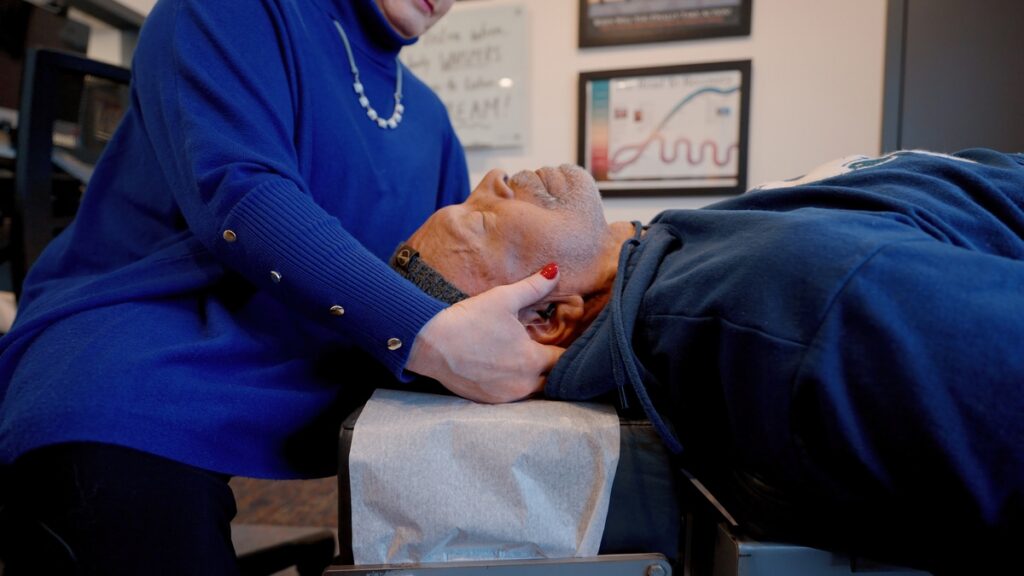
Lower back pain can be a frustrating issue that disrupts your daily life, making it difficult to find comfort at work or enjoy your favorite activities. As a local chiropractor, I want to share some effective strategies you can implement today to help ease that discomfort naturally. Chiropractic care is a powerful tool for achieving optimal health and relieving pain, and it can play a key role in your journey to wellness.
Here are some practical solutions you can try to provide relief for your lower back pain:
- Posture Check: Ensure your workspace is ergonomically designed. Adjust your chair, desk, and computer screen to promote good posture. Keeping your spine aligned can reduce strain and prevent discomfort.
- Gentle Stretching: Incorporate simple stretches into your daily routine. Gentle movements can help relieve tension in your lower back and improve flexibility. Consider stretches like knee-to-chest or seated hamstring stretches.
- Stay Active: Engage in low-impact activities such as walking or swimming. Regular movement supports spinal health and can alleviate stiffness and pain.
- Chiropractic Care: Regular visits to a chiropractor can provide significant relief from lower back pain. Chiropractic adjustments help realign the spine, improve mobility, and reduce inflammation, leading to a natural healing process.
- Mind Your Lifting Techniques: When lifting heavy objects, remember to bend at your knees and keep the item close to your body. This technique helps protect your back from strain.
- Heat Therapy: Applying heat to your lower back can soothe tight muscles and improve circulation. A warm compress or heating pad can be an effective tool for pain relief.
- Stay Hydrated: Drinking plenty of water is essential for maintaining healthy spinal discs. Proper hydration can reduce the risk of injury and promote overall spinal health.
By incorporating these tips into your daily routine, you can take proactive steps toward alleviating lower back pain and enhancing your overall well-being. Remember, chiropractic care is always a supportive option for those seeking relief and a path to a healthier lifestyle. Your journey to wellness starts with simple, natural solutions that empower you to live your best life.
Key Takeaways
- Prioritize maintaining good posture when sitting. Use a supportive chair and keep your feet flat on the floor. This simple adjustment can significantly reduce strain on your lower back and promote a healthier spine.
- Incorporate gentle stretches into your daily routine, such as the Cat-Cow pose and hamstring stretches. These movements can help relieve tension, improve flexibility, and support the health of your lower back.
- Consider applying heat therapy for 15–20 minutes to soothe tight muscles and improve blood circulation in your back. Alternatively, cold therapy can be useful for reducing inflammation and numbing pain, providing natural relief.
- If you find yourself sitting for long periods, remember to take frequent breaks. Stand up, stretch, and move around to encourage healthy blood flow and prevent stiffness in your back.
- Explore the benefits of chiropractic care for spinal adjustments. Chiropractic treatments are a natural, drug-free approach to relieving pain and enhancing mobility. By addressing underlying issues in your spine, chiropractic care can support your overall health and well-being.
By following these tips and considering chiropractic care, you can take proactive steps towards a healthier, pain-free life.
Practice Good Posture
Practicing good posture is vital for alleviating lower back pain and promoting overall wellness. When you maintain proper alignment while sitting or standing, you significantly reduce the strain on your spine and the muscles surrounding it. As a chiropractor, I encourage you to make it a habit to keep your shoulders back and your head aligned with your spine.
If you’re sitting, choose a chair that supports your lower back, and keep your feet flat on the floor. It’s important for your knees to be at a 90-degree angle, and try to avoid crossing your legs. This simple adjustment can make a world of difference in how your body feels.
While standing, remember to distribute your weight evenly between both feet. Engaging your core muscles will also provide additional support for your back. Be mindful that slouching or leaning forward can put unnecessary pressure on your spine, leading to discomfort. If you find yourself sitting for long periods, take frequent breaks to readjust your position.
By consciously maintaining good posture throughout your day, you can experience a significant reduction in discomfort and enhance your overall well-being. Chiropractic care complements these practices by focusing on spinal alignment and natural healing, helping you achieve optimal health without the need for surgeries or medications.
Prioritize your posture, and you’ll be on your way to a healthier, pain-free life!
Incorporate Stretching Exercises
Incorporating stretching exercises into your daily routine can significantly enhance your flexibility and alleviate lower back pain, paving the way for a healthier, more active life. As a chiropractor, I can attest that regular stretching helps maintain muscle elasticity, which is vital for supporting your spine and reducing tension throughout your body. By integrating specific stretches aimed at your hamstrings, hip flexors, and lower back, you can build a solid foundation for your spinal health.
Here’s a simple table to guide you through some effective stretches that can be beneficial for your lower back:
| Stretch Name | Duration (Seconds) | Frequency (Times/Week) |
|---|---|---|
| Hamstring Stretch | 30 | 3 |
| Cat-Cow Stretch | 30 | Daily |
| Child’s Pose | 30 | 3 |
| Seated Forward Bend | 30 | 2 |
It’s crucial to listen to your body while performing these stretches. If you experience any pain, ease back and modify your approach. Consistency is key—set aside a few minutes each day for these stretches, and you’ll likely notice significant improvements in your lower back discomfort over time.
Use Heat and Cold Therapy
When it comes to alleviating lower back pain, heat and cold therapy can be incredibly effective tools in your wellness toolkit. As a local chiropractor, I believe in the power of natural healing methods to support your body’s recovery. Heat therapy works wonders by relaxing tense muscles and boosting blood circulation, which can help your spine and surrounding tissues feel more comfortable. On the other hand, cold therapy is fantastic for reducing inflammation and numbing sharp pains, giving your body a chance to heal.
Incorporating both heat and cold therapy into your recovery routine can enhance your overall wellness and complement your chiropractic care. Here are some simple tips to get the most out of these therapies:
- Heat Therapy: Use a warm towel, heating pad, or take a warm bath to soothe your lower back. Aim for about 15-20 minutes of heat application. This can be particularly effective after you’ve seen your chiropractor, as it helps to relax your muscles further.
- Cold Therapy: Apply an ice pack wrapped in a cloth to the affected area for 10-15 minutes at a time. This is especially helpful immediately after any activity that aggravates your pain, as it can help reduce swelling.
- Alternate Methods: Don’t hesitate to alternate between heat and cold therapy. Start with cold to reduce inflammation, then switch to heat to relax and soothe the muscles.
- Pay Attention to Your Body: Everyone’s body responds differently, so it’s essential to listen to how your body reacts to these therapies. If something feels uncomfortable, adjust your approach.
- Combine with Chiropractic Care: Regular visits to your chiropractor can help address the underlying issues causing your back pain, while heat and cold therapy can provide immediate pain relief. Together, they create a powerful approach to wellness.
Benefits of Heat Therapy
Heat therapy is a fantastic natural way to relieve lower back pain, and as a chiropractor, I often recommend it as part of a holistic approach to wellness. Applying heat increases blood flow to the affected area, which helps to relax tense muscles and supports the healing process. You can easily experience these benefits at home by using a heating pad, a hot water bottle, or even indulging in a warm bath.
This method is especially beneficial for chronic pain, as it not only soothes discomfort but also enhances flexibility, making daily activities easier. Furthermore, heat therapy can boost your overall sense of well-being, contributing to a more positive outlook on life.
When incorporating heat therapy into your routine, remember to apply it for about 15-20 minutes at a time. Always protect your skin by placing a cloth between the heat source and your skin to prevent burns.
In addition to heat therapy, regular chiropractic adjustments can help address the root causes of your pain and improve your spinal health. By focusing on your spine, we can promote better alignment and function, which is key to achieving optimal health.
Advantages of Cold Therapy
Cold therapy is a powerful tool that often goes unnoticed, but it can provide significant relief for lower back pain. As a chiropractor, I want to emphasize that incorporating cold therapy into your wellness routine can be incredibly beneficial. By applying ice packs or cold compresses, you can help reduce inflammation and numb sharp pain, making everyday movements easier.
When you experience a flare-up, using cold therapy within the first 48 hours can be especially effective. The cold works by constricting blood vessels, which helps limit swelling and slows down nerve signals that cause pain. This means you can experience instant relief when you need it most.
To get the most out of cold therapy, aim to apply it for 15-20 minutes at a time. Make sure to allow your skin to warm up between sessions for added comfort. A helpful tip is to always wrap ice packs in a cloth before applying them to your skin to avoid frostbite and protect your delicate skin.
Remember, cold therapy should be part of a comprehensive approach to managing pain. Pair it with regular chiropractic adjustments, which can help align your spine and improve your overall functionality. By combining these methods, you can enhance your ability to manage pain and improve your overall comfort.
Incorporating these simple practices into your routine can lead you to a healthier, pain-free life. Always listen to your body and consult with a chiropractor for personalized advice tailored to your specific needs. Together, we can help you achieve optimal health and wellness naturally!
Invest in an Ergonomic Chair
Investing in an ergonomic chair can significantly enhance your comfort and productivity, particularly if you spend long hours sitting. As a chiropractor, I often see the effects of poor seating on spinal health. An ergonomic chair is designed with adjustable features that allow you to customize the fit to your body, which can promote proper sitting posture and help prevent common issues like lower back pain.
When your chair supports your spine correctly, it reduces strain on your muscles and ligaments, making it easier to maintain a healthy posture throughout the day. This simple adjustment can lead to lasting benefits for your overall well-being.
In addition to choosing the right chair, here are a few general tips to keep your spine healthy while working at a desk:
- Take Frequent Breaks: Stand up, stretch, and move around every 30-60 minutes to keep your muscles engaged and your blood flowing.
- Maintain Good Posture: Keep your feet flat on the floor, your knees at a right angle, and your back pressed against the chair. Your screen should be at eye level to avoid straining your neck.
- Stay Hydrated: Drinking plenty of water can help keep your spinal discs hydrated and healthy.
- Use a Lumbar Support: If your chair doesn’t have built-in lumbar support, consider using a small cushion or rolled-up towel to support the natural curve of your lower back.
- Practice Mindfulness: Pay attention to how you sit and make adjustments as needed. Being aware of your posture can help you prevent discomfort before it starts.
Benefits of Ergonomic Design
As a local chiropractor, I want to emphasize the importance of proper support for your spine, especially if you’re dealing with lower back pain. An ergonomic chair can significantly contribute to your overall comfort and health. These chairs are designed to support your natural posture, helping to promote proper alignment and reduce strain on your spine. By investing in an ergonomic chair, you not only enhance your comfort during long hours of sitting but also support your journey toward better spinal health.
Here’s a quick overview of the benefits:
| Benefit | Description |
|---|---|
| Improved Posture | Encourages natural spinal alignment, which is crucial for overall health. |
| Enhanced Comfort | Provides cushioned support, making long sitting more bearable. |
| Reduced Strain | Less pressure on the lower back can lead to less discomfort and pain. |
| Increased Productivity | When you’re comfortable, your focus improves, allowing for better work or study sessions. |
| Long-Term Health | Regular use of ergonomic furniture can help prevent chronic back issues, reducing the need for treatments. |
While ergonomic chairs are beneficial, remember that they are just one part of maintaining a healthy spine. Regular chiropractic care can complement the use of these chairs by addressing any existing misalignments and promoting overall wellness. Here are some general tips to keep in mind:
- Take Breaks: Stand up and stretch every 30-60 minutes to relieve tension.
- Adjust Your Chair: Ensure that your chair supports your lumbar curve and allows your feet to rest flat on the floor.
- Practice Good Posture: Sit back in your chair and keep your shoulders relaxed while maintaining a neutral spine position.
- Stay Active: Incorporate physical activity into your daily routine to keep your muscles strong and support your spine.
Adjustable Features Importance
When selecting an ergonomic chair, it’s essential to consider adjustable features that can significantly enhance your seating experience and support your spinal health. As a chiropractor, I emphasize the importance of proper posture and alignment for overall wellness. Look for chairs that allow you to adjust the seat height, which can help you maintain a comfortable position at your desk, reducing strain on your back and neck.
Adjustable armrests are another key feature to look for. They should support your arms without forcing your shoulders to hunch, which can lead to tension and discomfort. A chair with good lumbar support is crucial as well, as it helps maintain the natural curve of your spine, promoting better posture throughout your workday.
Additionally, consider a chair with a reclining backrest. This allows you to shift your posture occasionally, which is important for preventing stiffness and promoting circulation. By making these adjustments, you empower yourself to create a workspace that minimizes discomfort and supports your spinal health.
Investing in an ergonomic chair with these features can lead to significant improvements in your comfort and well-being, especially if you’re dealing with lower back pain. Remember, however, that while a good chair can help, it’s also important to incorporate regular movement into your day. Simple tips like standing up to stretch or taking short walks can further support your spine and enhance your overall health.
Chiropractic care is an excellent complement to these efforts, helping to address any underlying issues and promoting natural healing. By prioritizing your spinal health through ergonomic choices and chiropractic adjustments, you can achieve a higher level of comfort and wellness in your daily life.
Proper Sitting Posture
Maintaining proper sitting posture is crucial for preventing lower back pain, especially if you find yourself spending long hours at a desk. One of the best investments you can make for your health is an ergonomic chair. These chairs are designed to support the natural curve of your spine, promoting a healthier position which can lead to significant improvements in your comfort and overall well-being.
Here’s a breakdown of important features of ergonomic chairs and how they contribute to your health:
| Feature | Benefits | Importance |
|---|---|---|
| Adjustable Height | Ensures your feet are flat on the floor | This reduces strain on your back and promotes proper posture. |
| Lumbar Support | Provides support to your lower back | This helps maintain spinal alignment, reducing the chances of discomfort. |
| Armrests | Minimizes tension in your shoulders | This enhances overall comfort and can help prevent stiffness. |
| Seat Depth Adjustment | Ensures proper support for your legs | This improves circulation, keeping your limbs healthy and energetic. |
In addition to using a supportive chair, here are some general tips to help you maintain a healthy sitting posture:
- Take Frequent Breaks: Stand up, stretch, and walk around every 30 minutes to keep your muscles engaged and blood flowing.
- Use a Footrest: If your feet don’t comfortably reach the floor, use a footrest to support them. This can help you maintain a good posture and reduce pressure on your back.
- Align Your Screen: Position your computer screen at eye level to avoid straining your neck.
- Stay Hydrated: Drinking enough water can keep your muscles and joints lubricated, which is essential for overall spinal health.
Stay Active With Low-Impact Activities
To effectively manage lower back pain, staying active with low-impact activities is essential for your overall health and well-being. As a chiropractor, I recommend engaging in exercises such as walking, swimming, or cycling. These activities not only help to strengthen and maintain the flexibility of your muscles but also minimize the strain on your back, allowing for natural healing.
Incorporating movement into your daily routine can be simple and rewarding. Consider taking short walks during breaks, swimming laps at your local pool, or cycling around your neighborhood. It’s important to listen to your body; if any activity causes discomfort, stop and switch to something that feels better for you.
Gentle stretching and yoga can also be incredibly beneficial for improving flexibility and posture. These practices help to relieve tension in your back and promote relaxation, which is crucial for recovery. Remember, staying active isn’t about pushing your limits; it’s about finding a comfortable balance that keeps you moving while honoring your body’s needs.
Chiropractic care is an excellent partner in your journey to optimal health. Regular adjustments can help align your spine, relieve pain, and enhance your mobility, making it easier for you to engage in low-impact activities. Together with these lifestyle changes, chiropractic care can support your body’s natural healing processes and lead you toward a healthier, pain-free life.
Maintain a Healthy Weight
Maintaining a healthy weight is essential not only for overall well-being but also for effectively managing lower back pain. When we carry extra weight, it adds unnecessary stress to our spine and muscles, leading to discomfort and mobility issues. By keeping your weight within a healthy range, you can alleviate this strain and promote better spinal health.
As your local chiropractor, I want to share some simple yet effective tips to help you manage your weight naturally and support your spine:
- Focus on Whole Foods: Incorporate a variety of fruits, vegetables, lean proteins, and whole grains into your diet. These foods provide essential nutrients that support your body’s functions and help maintain a healthy weight.
- Stay Hydrated: Drinking plenty of water throughout the day is vital for your metabolism and overall health. Proper hydration can aid in digestion and help control hunger.
- Get Moving: Regular exercise is key! Try to include aerobic activities, such as walking or swimming, along with strength training exercises. This combination helps burn calories and build muscle, which can also support your spine.
- Be Mindful of Portions: Paying attention to portion sizes can prevent overeating. Consider using smaller plates and listening to your body’s hunger cues to avoid unnecessary calorie intake.
- Prioritize Sleep: Quality sleep is crucial for weight management and recovery. Aim for 7-9 hours of restful sleep each night to support your overall health and wellness.
Remember, chiropractic care is an excellent way to support your journey to a healthier weight. Regular adjustments can help align your spine, improve your mobility, and relieve any discomfort that may be hindering your ability to exercise and maintain a healthy lifestyle.
Let’s work together to achieve your health goals!
Consider Professional Help
When you’re dealing with persistent lower back pain, turning to a chiropractor can truly make a significant difference in your journey to recovery. As a local chiropractor, I can offer you personalized care that focuses on understanding and addressing the root cause of your pain. By using natural healing techniques such as spinal adjustments, we can work together to alleviate discomfort and help you regain mobility.
Chiropractic care is centered around the health of your spine and overall wellness, making it an excellent choice for those seeking a drug-free approach to pain relief. Here’s a quick overview of how chiropractic care stands out:
| Professional | Specialization | Benefit |
|---|---|---|
| Chiropractor | Spinal adjustments | Alleviates pain and improves mobility without medication or surgery |
Don’t hesitate to reach out for help. Investing in your health now can lead to long-term relief and a better quality of life.
In addition to chiropractic care, here are some general tips for managing lower back pain:
- Stay Active: Gentle stretches and low-impact activities like walking can help keep your back strong and flexible.
- Maintain Good Posture: Be mindful of how you sit, stand, and lift objects. Proper posture can prevent strain on your back.
- Heat and Ice Therapy: Applying heat or ice to the affected area can provide temporary relief from pain and inflammation.
- Stay Hydrated: Drinking plenty of water helps keep your discs hydrated and supports overall spinal health.