When you experience a sports injury, knowing how to manage it effectively can truly make a difference in your recovery. Start with the fundamental steps: rest, ice, compression, and elevation. These initial measures are crucial for reducing swelling and alleviating pain. However, it’s important to recognize that there’s more to effective recovery than just these basics.
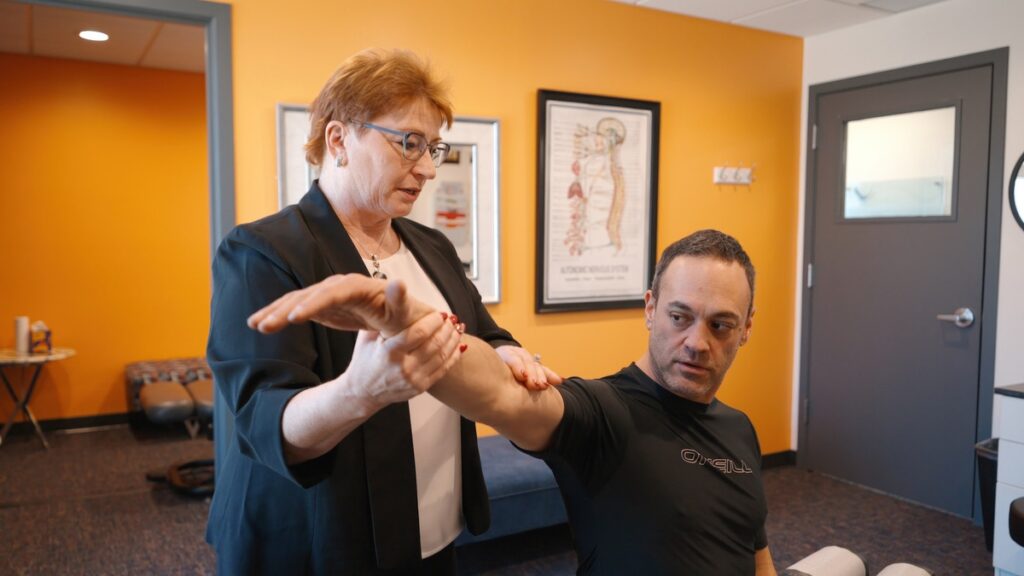
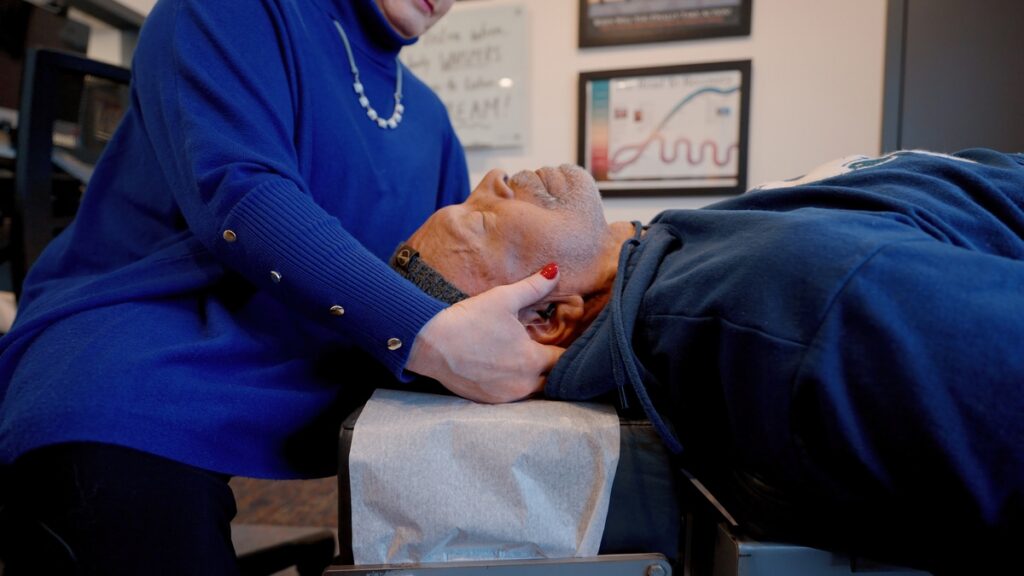
As a chiropractor, I encourage you to consider an all-encompassing approach that includes targeted therapies and strategies for optimal healing. Chiropractic care is a natural and holistic way to address sports injuries, focusing on the root cause of pain rather than just masking the symptoms. Spinal adjustments can help restore proper alignment, improve mobility, and promote your body’s natural healing processes.
In addition to chiropractic adjustments, here are some general tips you can implement to enhance your recovery and prevent future injuries:
- Stay Hydrated: Proper hydration is essential for muscle recovery and overall health. Drink plenty of water to keep your body functioning optimally.
- Gentle Stretching: Incorporate gentle stretching to maintain flexibility and prevent stiffness. Be sure to listen to your body and avoid overexertion.
- Strengthening Exercises: Once you’re feeling better, consider incorporating strengthening exercises into your routine. This will help support your muscles and joints, making you less prone to injuries in the future.
- Mind Your Posture: Maintaining good posture, whether you’re playing sports or sitting at a desk, can significantly impact your spinal health and reduce the risk of injuries.
- Consult with Your Chiropractor: Regular visits to your chiropractor can keep your spine in alignment and help you stay on track with your recovery. They can provide personalized advice and techniques tailored to your specific needs.
Remember, chiropractic care is a powerful tool for achieving optimal health and wellness, especially when it comes to sports injuries. By taking a proactive approach to your recovery and incorporating these tips, you can not only relieve pain but also enhance your overall well-being.
Key Takeaways
- Always prioritize rest and recovery to support your body’s natural healing process and rebuild strength after an injury. Your body needs time to repair tissue, and rest is key to that.
- In the first 48 hours after an injury, applying ice can be a simple yet effective way to reduce inflammation and numb pain. Just be sure to wrap the ice in a cloth to protect your skin.
- Using compression techniques, like a snug bandage, can help control swelling and improve blood circulation, which is crucial for recovery. This is where chiropractic care can shine, as many chiropractors can provide guidance on proper compression methods.
- Consider chiropractic care as a vital part of your recovery journey. Chiropractors provide targeted adjustments that not only alleviate pain but also enhance mobility, allowing you to return to your favorite activities sooner.
- Gentle stretching and low-impact exercises can be beneficial, but it’s best to consult with a chiropractor for personalized guidance. They can help you incorporate movements that promote flexibility and support the healing process without risking further injury.
Remember, taking a natural approach to healing with chiropractic care can lead to optimal health and wellness, helping you feel better and get back to doing what you love!
Rest and Recovery
Rest and recovery from a sports injury are crucial for your body’s healing journey, and chiropractic care can play a significant role in this process. When you experience an injury, your body requires time to repair damaged tissues and regain strength. Skipping this vital step may lead to a longer recovery and a higher chance of re-injury.
Listening to your body is key. If you’re feeling pain or discomfort, it’s essential to take the necessary time off. This doesn’t mean you need to be completely inactive; gentle movements or stretches can be beneficial in maintaining flexibility without putting too much strain on your body. Chiropractic adjustments can also help alleviate pain and improve mobility during recovery.
Consider modifying your activities to avoid stressing the injured area further. Switching to low-impact exercises, such as swimming or cycling, can keep you active while allowing your injury to heal. Chiropractic care can provide guidance on safe exercises tailored to your condition.
Getting plenty of sleep is vital for recovery, as it allows your body to heal effectively. Staying hydrated and eating a balanced diet rich in nutrients will support your healing process, too. Chiropractic care often emphasizes the importance of nutrition and wellness in achieving optimal health.
Ice Therapy
Ice therapy is a simple yet effective way to manage sports injuries and can be a great complement to chiropractic care. As a chiropractor, I want to share with you the benefits of this technique, along with some tips for proper application and usage.
Ice therapy helps to reduce inflammation and numb pain, making it a valuable tool for anyone recovering from a sports-related injury. When combined with chiropractic adjustments, which focus on aligning the spine and enhancing overall wellness, you may find that your recovery is faster and more effective.
Here are some easy tips for using ice therapy:
- How to Apply: Use an ice pack wrapped in a cloth or a bag of frozen peas to avoid direct contact with your skin. Apply it to the injured area for about 15-20 minutes at a time.
- Frequency: You can apply ice therapy every hour as needed, especially during the first 48 hours post-injury. This is when inflammation is likely to be at its peak.
- Long-term Benefits: Regular chiropractic care can help improve your body’s overall function and resilience, reducing the likelihood of future injuries. When combined with ice therapy, you’re taking proactive steps toward a healthier, pain-free lifestyle.
- Listen to Your Body: If you notice increased pain or discomfort, it’s important to consult with your chiropractor. They can provide personalized advice and treatment options tailored to your specific needs.
Benefits of Ice Therapy
Ice therapy is often overlooked, yet it plays a vital role in managing sports injuries and promoting overall wellness.
When you apply ice to an injury, it helps reduce swelling and inflammation, which can significantly alleviate pain. The cooling effect constricts blood vessels, limiting fluid flow to the affected area and preventing further damage. This means you can enjoy immediate relief, allowing you to continue with your daily activities more comfortably.
Incorporating ice therapy into your routine after workouts can also aid in speeding up recovery. This is important for anyone looking to get back to their favorite sports or activities quickly. Remember, using ice is a simple, natural way to support your healing process without relying on medications or invasive procedures.
As a chiropractor, I emphasize the importance of holistic approaches to health. Regular chiropractic care can enhance your body’s ability to heal and maintain optimal performance. By addressing spinal health and ensuring proper alignment, you can improve your overall well-being and reduce the likelihood of injuries.
Here are a few general tips to consider when using ice therapy:
- Timing: Apply ice for 15-20 minutes at a time, several times a day, especially within the first 48 hours after an injury.
- Protection: Always wrap ice or ice packs in a cloth to protect your skin from frostbite.
- Listen to Your Body: If the area becomes too uncomfortable or painful, remove the ice and give your body time to recover.
Incorporating both ice therapy and chiropractic care into your wellness routine can be a game-changer, helping you stay active and injury-free in the long run.
Proper Application Techniques
To enhance your recovery and overall wellness, using ice therapy effectively is crucial. Here’s how you can do it safely and efficiently:
- Prepare Your Ice: Begin by wrapping ice or a cold pack in a thin towel. This simple step protects your skin from the cold and helps prevent any discomfort.
- Apply to the Injury: Gently position the wrapped ice on the injured area. This localized cooling can help reduce inflammation and alleviate pain.
- Time It Right: Keep the ice in place for about 15-20 minutes. This duration is ideal for maximizing the benefits without risking any skin damage.
- Monitor Your Skin: After a few minutes, check the area for any signs of redness or discomfort. It’s important to listen to your body and ensure you’re not overdoing it.
- Elevate the Area: If possible, elevate the injured part of your body. This can further help in lowering swelling and promoting better circulation, which is essential for healing.
Here’s a visual summary of these steps to make it easier for you:
| Step | Action |
|---|---|
| 1. Prepare Ice | Wrap ice in a thin towel |
| 2. Position | Place on the injury |
| 3. Duration | Apply for 15-20 minutes |
| 4. Check Skin | Look for redness or discomfort |
| 5. Elevate | Raise the injured area |
Frequency and Duration Guidelines
When dealing with sports injuries, understanding how to effectively use ice therapy can play a crucial role in your recovery process. As a chiropractor, I emphasize the importance of natural healing methods, and ice therapy is a simple yet effective tool to alleviate pain and reduce swelling.
For optimal results, apply ice to the injured area for 15 to 20 minutes, ideally every hour, especially during the first 48 hours after your injury. This frequency not only helps numb the pain but also minimizes swelling, allowing your body to heal more efficiently. It’s essential to take breaks between icing sessions to let your skin return to its normal temperature, which helps prevent any risk of frostbite.
If at any point during the application you experience discomfort, be sure to remove the ice right away. Remember, your body knows best, so listen to it and adjust your ice therapy as needed.
In addition to ice therapy, consider incorporating chiropractic care into your recovery plan. Chiropractic adjustments can help align your spine, optimize your nervous system function, and promote a faster healing process.
Compression Techniques
In the realm of sports injuries, understanding how to manage pain and swelling is vital for a swift recovery. One effective way to support your healing process is through compression techniques. These methods not only help alleviate discomfort but also enhance blood circulation, promoting natural healing. Here are three simple compression techniques that can aid in your recovery:
- Elastic Bandages: Using elastic bandages is a straightforward approach to provide gentle pressure to the injured area. Make sure to wrap it snugly, but not so tightly that it restricts blood flow. This adjustable method is beneficial as your injury improves, allowing for consistent support as you heal.
- Compression Garments: Consider incorporating specially designed sleeves or socks into your recovery routine. These garments deliver steady pressure, which can be incredibly supportive during your healing phase. They also help prevent re-injury, allowing you to stay active while your body recovers.
- Cold Compression Therapy: For an added boost, combine cold packs with compression wraps. The cold helps numb any pain, while the compression works to reduce swelling. This dual approach can provide much-needed relief and expedite your healing journey.
Incorporating these compression techniques into your recovery can enhance your overall healing process and help you return to your favorite activities more quickly. Remember, chiropractic care is also an excellent resource for addressing pain and promoting natural wellness. By focusing on holistic approaches, you can achieve optimal health and well-being without the need for invasive treatments.
Elevation Strategies
In addition to using compression techniques, elevating the injured area is a key strategy for managing swelling and pain during your recovery. By keeping the injured limb elevated above the level of your heart, you can help reduce blood flow to the area, which in turn can minimize swelling. This is particularly important in the first 48 hours after an injury occurs.
To comfortably elevate your injury, you can use pillows or cushions to prop up the affected limb. Aim to maintain this elevation for at least 15 to 30 minutes every few hours throughout the day. For leg or ankle injuries, lying down with your leg elevated on a chair or couch can be very effective. If you’re dealing with an upper body injury, sitting in a reclined position will also work well.
It’s important to remember that elevation should go hand-in-hand with rest and ice for the most effective healing. These natural methods not only promote recovery but also align perfectly with the philosophy of chiropractic care, which focuses on supporting your body’s innate ability to heal itself.
Physical Therapy
When recovering from sports injuries, chiropractic care can be an essential part of your healing journey. It focuses on promoting natural healing, restoring balance to your body, and enhancing your overall well-being. A skilled chiropractor will design a personalized treatment plan that addresses your unique needs and goals, allowing you to get back to your favorite activities safely.
Here are three important elements you can expect during your chiropractic sessions:
- Comprehensive Assessment: Your chiropractor will thoroughly evaluate your injury and assess your overall spinal health. This helps identify any misalignments or restrictions that may be contributing to your pain and limiting your movement.
- Targeted Adjustments: You’ll receive gentle spinal adjustments and manipulations aimed at restoring proper alignment. This not only alleviates pain but also improves your body’s function and mobility, enabling you to perform at your best.
- Holistic Approach: In addition to adjustments, your chiropractor may incorporate techniques like soft tissue therapy and stretching exercises. These methods help reduce tension, enhance flexibility, and support your body’s natural healing process.
Takeaway Tips:
- Prioritize good posture throughout your day to reduce strain on your spine.
- Stay active with low-impact exercises to maintain your strength and flexibility.
- Listen to your body; if something feels off, seek chiropractic care to address it before it turns into a bigger issue.
Pain Management Medications
When it comes to sports injuries, managing pain effectively is crucial for your recovery, and chiropractic care can be a powerful ally in this process.
Rather than relying on over-the-counter medications or stronger prescription drugs, which often come with side effects and potential complications, consider the natural healing benefits that chiropractic care offers.
Chiropractic adjustments can help realign the spine and improve your body’s function, promoting better healing and reducing pain without the need for medications.
By focusing on the root cause of your discomfort, chiropractic care aims to restore balance and enhance your overall well-being.
Here are some helpful tips for managing sports injuries naturally:
- Stay Active: Gentle movement is essential for recovery. Engage in low-impact activities like walking or swimming to keep your body moving and promote circulation.
- Rest and Recovery: Give your body the time it needs to heal. Listen to your body and avoid pushing through excessive pain.
- Use Ice and Heat: Applying ice can help reduce swelling in the initial stages of an injury, while heat can soothe tense muscles later on.
- Stay Hydrated: Drinking plenty of water supports overall health and can aid in the healing process.
- Consider Regular Chiropractic Care: Regular adjustments can help maintain spinal health, reduce tension, and prevent future injuries.
By choosing chiropractic care, you’re opting for a holistic approach that focuses on your body’s natural ability to heal itself.
Together, we can work towards achieving optimal health and a pain-free lifestyle!
Over-the-Counter Options
As a chiropractor, I understand that many athletes experience discomfort from sports injuries and often seek quick relief. While over-the-counter (OTC) medications like ibuprofen, acetaminophen, and aspirin can provide temporary pain management, I want to emphasize the benefits of chiropractic care for achieving optimal health and long-term wellness.
Chiropractic care focuses on addressing the root cause of pain and discomfort, rather than just masking symptoms.
Here are a few reasons why you might consider chiropractic care as a natural and effective alternative for pain relief:
- Holistic Approach: Chiropractic care looks at your entire body, ensuring that all systems work together harmoniously. By addressing spinal alignment and overall body function, we can promote natural healing and recovery.
- Pain Relief without Medications: Chiropractors use hands-on spinal manipulation and other techniques to relieve pain and improve mobility. This approach helps you avoid potential side effects from medications and promotes a healthier lifestyle.
- Personalized Treatment Plans: Every individual is unique, and a chiropractor will create a tailored plan to suit your specific needs. This may include adjustments, exercises, and recommendations for lifestyle changes that support your health journey.
Incorporating some general tips can also enhance your recovery and wellness:
- Stay Active: Gentle stretching and light exercise can help maintain flexibility and strength, which are crucial for injury recovery.
- Practice Good Posture: Being mindful of your posture can prevent additional strain on your spine and promote better alignment.
- Listen to Your Body: Pay attention to how your body feels during activities. If something doesn’t feel right, it’s essential to take a step back and assess before pushing through.
Always consult with a qualified chiropractor to explore your options and determine the best course of action for your health.
Prescription Medications Overview
While over-the-counter options may offer some temporary relief, it’s important to recognize that chiropractic care can effectively manage pain from sports injuries in a more natural and holistic way. As a chiropractor, my goal is to help you achieve optimal health without the need for prescription medications.
Chiropractic adjustments focus on restoring proper alignment to your spine and improving overall function, which can significantly reduce pain and inflammation. By addressing the root cause of your discomfort, we can help your body heal itself naturally.
In addition to spinal adjustments, I recommend incorporating some simple lifestyle changes to support your recovery. Staying hydrated, practicing gentle stretching, and engaging in low-impact exercises can enhance your healing process.
If muscle spasms are an issue, techniques such as massage therapy or specific stretching exercises can also provide relief without the need for muscle relaxants.
Side Effects Considerations
While chiropractic care offers numerous benefits for pain relief and overall wellness, some individuals may still contemplate using pain management medications. It’s important to understand the potential side effects associated with these treatments as they can impact your health. Here are three considerations to keep in mind:
- Gastrointestinal concerns: Medications like nonsteroidal anti-inflammatory drugs (NSAIDs) can cause stomach issues, including ulcers or bleeding, especially if used over an extended period. Instead, consider natural anti-inflammatory options such as turmeric and omega-3 fatty acids, which can help reduce pain without the side effects.
- Risk of dependency: Opioids can be effective for severe pain, but they also carry a significant risk of addiction. Instead of turning to these medications, chiropractic adjustments can help address the root cause of pain, promoting healing and reducing reliance on drugs.
- Drowsiness and dizziness: Some pain medications can make you feel drowsy or dizzy, which can interfere with daily activities like driving or exercising. Chiropractic care, on the other hand, can enhance your energy levels and improve your overall functionality without the risk of these side effects.
As you explore options for managing pain, remember that chiropractic care focuses on natural healing and restoring balance to your body. Always consult with a healthcare professional, but consider embracing a holistic approach to health that prioritizes your body’s natural ability to heal.
Simple lifestyle changes, such as regular exercise, proper hydration, and a balanced diet, can also contribute to pain relief and overall wellness.