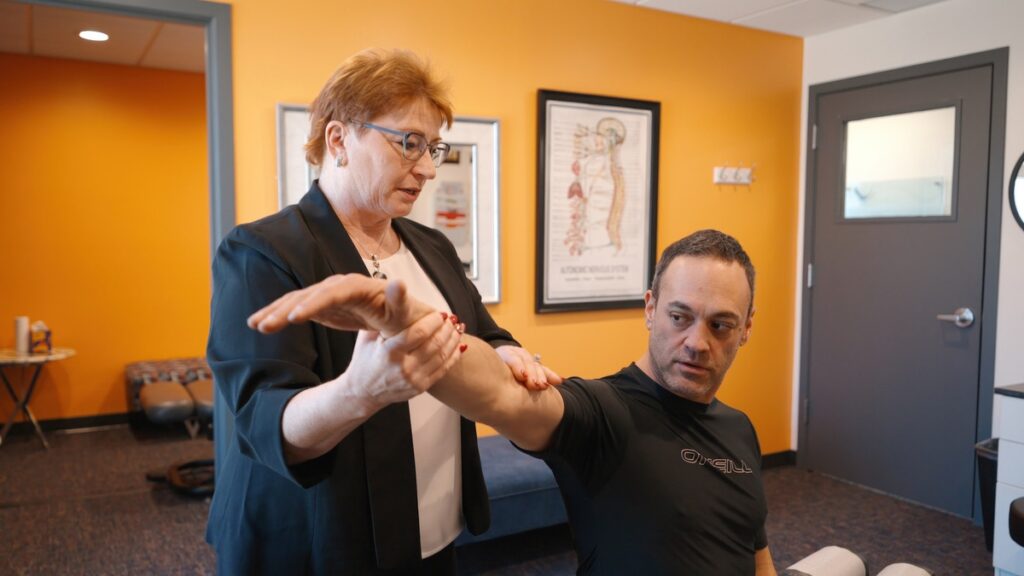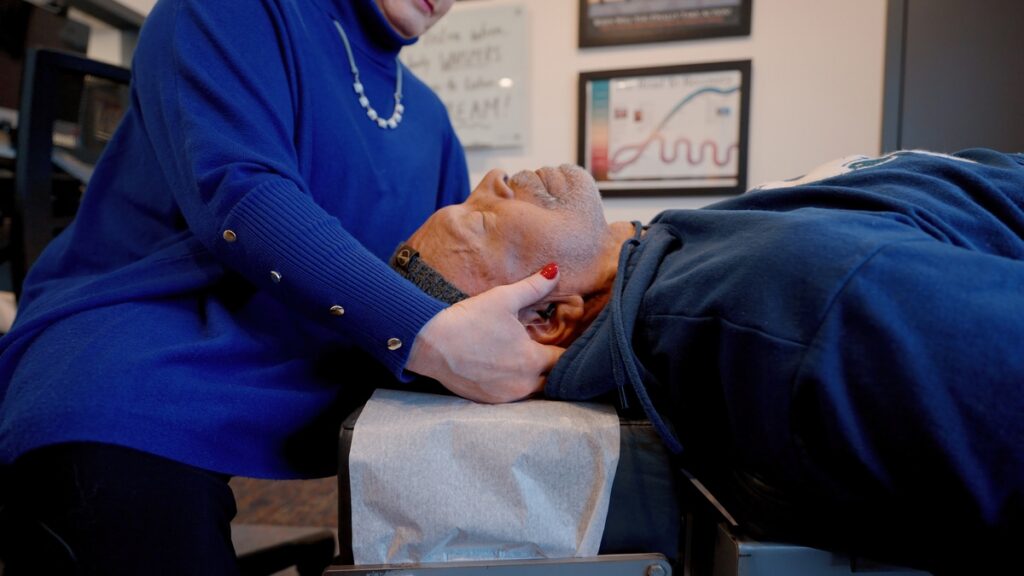
If you’ve ever experienced lower back pain, you understand how it can disrupt your daily activities and overall well-being. As a local chiropractor, I believe that understanding effective relief techniques is crucial for managing discomfort and preventing future issues. There are numerous strategies to explore, but chiropractic care stands out as one of the best approaches to promote natural healing and restore your back health.
Common causes of lower back pain can range from poor posture to muscle strain, and it’s important to address these issues at their source. Chiropractic adjustments can help realign your spine, alleviate pressure on nerves, and improve your overall mobility. This not only helps relieve pain but also enhances your body’s ability to heal itself.
In addition to chiropractic adjustments, there are several simple techniques you can incorporate into your daily routine to support your back health:
- Maintain Good Posture: Pay attention to your posture while sitting, standing, and even sleeping. Keeping your spine aligned can significantly reduce strain on your back.
- Stay Active: Engage in low-impact exercises, such as walking or swimming. Regular movement strengthens your back muscles and improves flexibility.
- Stretch Regularly: Gentle stretching can help relieve tension and increase your range of motion. Focus on stretches that target the lower back, hips, and legs.
- Use Supportive Seating: Choose chairs that provide good lumbar support, especially if you spend long hours sitting. Consider using cushions to maintain proper spinal alignment.
- Practice Mindfulness: Stress can contribute to muscle tension in your back. Incorporating relaxation techniques, such as deep breathing or meditation, can help alleviate stress and promote healing.
By prioritizing chiropractic care and integrating these simple tips into your routine, you can take control of your back health and enhance your overall wellness. Remember, your spine is the foundation of your health, and caring for it naturally through chiropractic can lead to a pain-free, healthier life.
Key Takeaways
Lower back pain can be a frustrating and disruptive issue, but there are effective ways to find relief and improve your spinal health naturally. Here are some simple yet powerful strategies you can incorporate into your daily routine:
- Stay Active: Engaging in regular physical activity and low-impact exercises, such as walking, swimming, or cycling, can help promote spinal health. These activities not only strengthen your muscles but also enhance flexibility, which is vital for a healthy back.
- Mind Your Posture: Maintaining good posture while sitting, standing, and moving is crucial for minimizing strain on your lower back. Be mindful of how you position your body—try to keep your spine aligned, whether you’re at your desk or on the go.
- Stretch Daily: Incorporating a daily stretching routine can be incredibly beneficial. Focus on areas like your lower back, hamstrings, and hip flexors to relieve tension and improve mobility. Gentle stretches can alleviate discomfort and enhance your overall well-being.
- Strengthen Your Core: A strong core provides essential support for your spine. Incorporate exercises like planks and bird-dogs into your routine to build core strength. This not only stabilizes your spine but also helps prevent injuries in the long run.
- Seek Chiropractic Care: If you’re experiencing severe pain, symptoms that radiate, or any unexplained issues that affect your daily activities, professional help from a chiropractor is a great option. We specialize in understanding the spine and can provide personalized care to address your specific needs. Chiropractic adjustments can help realign your spine, relieve tension, and promote natural healing.
By adopting these practices, you can take significant steps toward relieving lower back pain and achieving optimal health naturally. Remember, chiropractic care is a holistic approach that focuses on your overall wellness, making it a fantastic choice for anyone seeking to enhance their health and quality of life.
Common Causes of Lower Back Pain
Lower back pain can arise from a variety of causes, and understanding these can guide you towards effective relief through natural methods.
One of the most common issues is muscle strain, which often occurs when lifting heavy objects or making sudden movements.
Maintaining good posture is crucial, especially if you find yourself sitting for extended periods; poor posture can significantly contribute to discomfort.
Another factor to consider is a herniated disc. This happens when the cushioning between your vertebrae shifts out of place, potentially pressing on nearby nerves.
Additionally, arthritis in the lower back can lead to chronic pain due to inflammation and stiffness.
Conditions like sciatica can also cause radiating pain down your legs, stemming from nerve compression.
Lifestyle choices play a significant role in your spinal health as well. Being overweight or living a sedentary lifestyle can exacerbate lower back issues.
To promote a healthier back, it’s essential to engage in regular physical activity, focus on maintaining a balanced diet, and practice good ergonomics at your workstation.
Chiropractic care is an excellent option for addressing lower back pain naturally.
By visiting a chiropractor, you can receive personalized treatment plans that focus on spinal adjustments and exercises tailored to your specific needs.
This holistic approach not only targets the source of your pain but also promotes overall wellness.
If you’re experiencing lower back pain, here are some general tips to help alleviate discomfort:
- Stay Active: Incorporate gentle exercises, like walking or stretching, into your daily routine to keep your back strong and flexible.
- Maintain Good Posture: Be mindful of your posture when sitting or standing. Consider using ergonomic furniture that supports your spine.
- Listen to Your Body: If you feel pain while lifting or twisting, stop and reassess your technique. It’s important to avoid movements that could strain your back.
- Practice Relaxation Techniques: Stress can contribute to muscle tension. Techniques like deep breathing, yoga, or meditation can help reduce tension in your body.
Identifying the root cause of your pain is essential for effective treatment.
By choosing chiropractic care, you can target the problem directly, leading to lasting relief and a healthier, more active lifestyle.
Stretching Exercises for Relief
Stretching exercises can be a powerful ally in relieving lower back pain and enhancing your overall wellness. As a local chiropractor, I believe that incorporating effective stretching techniques into your routine can significantly improve your flexibility and comfort, all while supporting your spine’s health. Let’s delve into some key stretches and helpful tips to guide you on your path to natural relief.
First and foremost, it’s essential to listen to your body. Gentle stretching can help alleviate tension, but it’s crucial to avoid pushing yourself too hard. Aim to incorporate stretching into your daily routine, holding each stretch for about 15-30 seconds and repeating it a few times. Consistency is key, so try to stretch at least a few times a week.
Here are a few effective stretches that can help ease lower back discomfort:
- Knees-to-Chest Stretch: Lie on your back and gently pull your knees toward your chest. This stretch helps relax your lower back muscles and can alleviate tightness.
- Cat-Cow Stretch: Get on your hands and knees, alternating between arching your back upward (Cat) and lowering it while lifting your head (Cow). This movement can enhance flexibility and relieve tension in your spine.
- Child’s Pose: Kneel on the floor, sit back on your heels, and stretch your arms forward while lowering your torso. This calming pose stretches the lower back and promotes relaxation.
- Seated Hamstring Stretch: While sitting, extend one leg out and reach for your toes. This stretch targets the hamstrings and can help prevent lower back strain.
Remember, while stretching can offer immediate relief, it’s essential to address the underlying causes of your pain. Regular chiropractic care is a natural and effective way to maintain spinal health and prevent future discomfort. A chiropractor can provide personalized adjustments and guidance tailored to your unique needs, ensuring you stay on the path to optimal health.
Incorporating these stretches along with regular chiropractic visits can empower you to take charge of your wellness journey. Prioritize your spine, and you’ll find that a healthier, pain-free life is within reach!
Effective Stretching Techniques
Finding relief from lower back pain often begins with effective stretching techniques that target tight muscles and enhance flexibility. As a chiropractor, I want to emphasize that incorporating these stretches into your daily routine can significantly improve your comfort and well-being. Here are some stretches that can help alleviate back pain and support your overall spinal health:
- Cat-Cow Stretch: This dynamic movement is excellent for mobilizing your spine. It encourages flexibility and helps relieve tension in your back, making it a fantastic addition to your daily routine.
- Child’s Pose: This gentle position isn’t only a great way to stretch the lower back but also promotes relaxation. It allows your spine to decompress and can help you feel more at ease after a long day.
- Hamstring Stretch: Tight hamstrings can put extra strain on your lower back, leading to discomfort. By regularly performing this stretch, you can help alleviate some of that pressure and improve your overall flexibility.
- Knee-to-Chest Stretch: This stretch is a wonderful way to ease tension in your lower back. By bringing your knees to your chest, you can gently stretch the surrounding muscles and promote better spinal alignment.
In addition to these stretches, remember to listen to your body. If you experience pain while stretching, take a step back and consult with a chiropractor who can guide you on the best practices for your specific situation.
Regular chiropractic adjustments can also complement these stretching techniques, helping to align your spine and enhance your overall health. Together, these approaches can lead you toward a pain-free and healthier life. Prioritizing your spinal health is an essential part of achieving optimal wellness.
Frequency and Duration Tips
Consistent stretching is essential for alleviating lower back pain and enhancing your overall well-being. Incorporating a daily stretching routine into your life, even if it’s just for 15-30 minutes, can significantly improve your flexibility and reduce muscle tension. As a chiropractor, I encourage you to start with gentle stretches and gradually increase their intensity as your body becomes accustomed to them.
Here’s a straightforward guide to help you integrate these stretches into your routine:
| Stretch Type | Frequency |
|---|---|
| Hamstring Stretch | 2-3 times a week |
| Cat-Cow Stretch | Daily |
| Child’s Pose | Daily |
| Piriformis Stretch | 2-3 times a week |
| Forward Bend | Daily |
Strengthening Exercises to Support the Back
To truly support your lower back, incorporating strengthening exercises is essential, and as your local chiropractor, I’m here to guide you on this journey to better health.
Core stability exercises, combined with flexibility and resistance training, can significantly enhance your overall back health.
These techniques not only help you build a stronger back but also promote natural healing and wellness throughout your body.
Let’s dive into some simple exercises and tips that can help you create a robust support system for your lower back.
1. Core Strengthening: Focus on exercises that engage your core muscles, such as planks or bridges.
A strong core helps stabilize your spine, reducing the risk of injury and pain.
2. Flexibility: Incorporate gentle stretching into your routine.
Stretching improves flexibility in your muscles and joints, which can help alleviate tension in the lower back.
3. Resistance Training: Utilize light weights or resistance bands to strengthen your back muscles.
Strong back muscles can help support your spine and maintain a healthy posture.
4. Posture Awareness: Be mindful of your posture throughout the day.
Whether sitting or standing, maintaining good posture can prevent unnecessary strain on your back.
5. Regular Chiropractic Care: Alongside your exercise routine, regular visits to your chiropractor can enhance your spine’s health.
Chiropractic adjustments can help align your spine, relieve pain, and improve your overall well-being.
By integrating these exercises and tips into your daily life, you can foster a healthier back and a more resilient body.
Remember, the path to optimal health is a journey, and chiropractic care is a vital part of that process.
Let’s work together to achieve a pain-free and healthier life!
Core Stability Exercises
Strengthening your core is crucial for maintaining stability and support for your lower back, which is foundational for overall health and wellness.
A strong core not only helps reduce pain but also plays a key role in preventing injuries.
As a chiropractor, I encourage you to incorporate these four effective core stability exercises into your daily routine to enhance your spinal health naturally:
1. Planks: Find a comfortable space and hold a plank position on your elbows and toes for 20-30 seconds. Keep your body in a straight line from head to heels.
This exercise engages multiple muscle groups, providing excellent support for your spine.
2. Bird-Dog: Start on all fours with your hands beneath your shoulders and knees under your hips. Extend one arm and the opposite leg while ensuring your hips stay level.
Hold for a few seconds, then switch sides. This exercise promotes balance and coordination, which are essential for a healthy spine.
3. Dead Bug: Lie on your back with your arms pointing toward the ceiling and knees bent at a 90-degree angle. Slowly lower one arm and the opposite leg towards the ground, then return to the starting position.
This movement helps stabilize your core while protecting your lower back.
4. Pelvic Tilts: Lie on your back with your knees bent and feet flat on the floor. Gently tilt your pelvis upward, engaging your core muscles.
This exercise is simple yet effective for improving flexibility and strength in your lower back.
Incorporating these exercises into your routine can significantly enhance your back health and overall wellness.
Remember, chiropractic care is a fantastic way to support your journey to optimal health.
Regular adjustments can help ensure your spine is aligned, allowing you to get the most benefit from your core strengthening efforts.
Embrace these natural healing practices, and you’ll be on your way to a healthier, pain-free life!
Flexibility and Stretching
Incorporating flexibility and stretching into your daily routine can greatly enhance your lower back health, and chiropractic care can help you achieve that.
Regular stretching not only improves your range of motion but also reduces stiffness, which can alleviate pain in your lower back. Focus on gentle stretches that target your hamstrings, hip flexors, and lower back. Simple movements like the cat-cow stretch or child’s pose can relieve tension and promote relaxation, making them excellent additions to your routine.
As a chiropractor, I encourage you to consider activities like yoga or Pilates. These practices emphasize flexibility and not only build strength but also support your spine’s health. Aim to dedicate at least 10-15 minutes each day to stretching. Remember to listen to your body—never push yourself too hard, as gentle progress is key.
With consistent effort and chiropractic care, you’ll likely notice increased flexibility, improved posture, and a significant reduction in lower back discomfort. By prioritizing your spinal health through natural methods like stretching and chiropractic adjustments, you can pave the way for a healthier, pain-free life.
Resistance Training Benefits
Building on the flexibility you’ve developed through stretching, resistance training is essential for supporting your lower back and overall spinal health. By incorporating strength-building exercises, you can enhance your stability, reduce pain, and promote natural healing.
Here are some key benefits of resistance training for your back, along with tips to maximize your results:
- Improved Muscle Support: Strengthening the muscles around your spine provides better support, leading to less strain during daily activities. Consider exercises like bridges and planks that target your core muscles.
- Enhanced Posture: Good posture is crucial for minimizing lower back strain. Resistance training can help you maintain proper alignment. Practice exercises that focus on your shoulders and back, such as rows or reverse flys, to improve your posture.
- Increased Flexibility: While resistance training builds strength, it can also promote flexibility in your core and back muscles, enhancing your range of motion. Incorporate dynamic stretches before workouts and static stretches afterward to keep your muscles pliable.
- Pain Reduction: Engaging in regular resistance training can lead to decreased discomfort over time. Aim for low-impact exercises that are easy on your joints, like bodyweight exercises or resistance bands, to ensure you’re building strength without exacerbating any existing pain.
Integrating these resistance training exercises into your daily routine, alongside regular chiropractic care, can lead to a stronger, healthier back and improved overall well-being.
The Role of Posture in Back Health
The Importance of Posture for Back Health: A Chiropractor’s Perspective
Many people underestimate how much posture influences their back health. As a chiropractor, I want to emphasize that maintaining proper alignment can significantly reduce lower back pain. Every time you sit, stand, or walk, your spine depends on the balanced support provided by your muscles and ligaments. Slouching or leaning forward puts unnecessary strain on your lower back, which can lead to discomfort and pain.
Here are some simple tips to help you improve your posture throughout the day:
- Sitting Smart: When you sit, keep your feet flat on the floor and your back straight. If possible, opt for ergonomic chairs that support your spine’s natural curves, promoting better alignment.
- Standing Strong: When standing, distribute your weight evenly between both feet. Engaging your core muscles can help support your spine and maintain proper posture.
- Mind Your Movements: Whether you’re walking or bending, be conscious of your posture. Keep your shoulders back and your head level to prevent straining your neck and back.
Being mindful of your posture not only helps ease any existing pain but also works to prevent future issues. Small adjustments in your daily habits can lead to remarkable improvements in your back health, allowing you to enjoy a more active and pain-free life.
Chiropractic care is a natural and effective way to achieve optimal health. By focusing on spinal alignment and overall wellness, you can pave the way for a healthier lifestyle.
Alternative Therapies for Pain Management
Alternative therapies for pain management are becoming increasingly sought after by individuals looking for relief from chronic discomfort. Among these methods, chiropractic care stands out as a leading option for achieving optimal health and wellness. As a local chiropractor, I want to share insights on how chiropractic care can be the best choice for pain relief and overall well-being.
- Chiropractic Adjustments: By focusing on spinal alignment and manipulation, chiropractic care helps relieve pressure on nerves and restore proper function to your body. This can significantly reduce back pain, neck pain, and other discomforts, allowing you to move freely and live more comfortably.
- Holistic Approach: Chiropractic care treats the body as a whole, addressing not just the symptoms of pain but also the underlying causes. This holistic approach promotes natural healing and encourages the body to function optimally.
- Complementary Techniques: In addition to spinal adjustments, chiropractors often incorporate techniques such as massage therapy and stretching exercises. These methods can enhance circulation, reduce muscle tension, and promote relaxation, all of which contribute to effective pain management.
- Mind-Body Connection: Practices like yoga and meditation can complement chiropractic care by helping you manage stress and improve your mental well-being. When your mind is calm, you may find that your experience of pain is lessened.
- Takeaway Tips: To further support your health, consider these simple tips:
- Maintain good posture throughout the day to reduce strain on your spine.
- Stay active with gentle exercises and stretches to keep your muscles strong and flexible.
- Listen to your body; if something doesn’t feel right, consult with your chiropractor for guidance.
Lifestyle Changes to Prevent Recurrence
Making lifestyle changes is crucial for reducing the risk of back pain recurrence after you’ve experienced relief through chiropractic care. As your local chiropractor, I want to share some simple yet effective strategies to help you maintain a healthy spine and overall well-being.
First, incorporate regular physical activity into your daily routine. Low-impact exercises such as walking, swimming, or yoga are fantastic choices. These activities not only strengthen your core muscles but also enhance flexibility, which is essential for back health.
Pay special attention to your posture, whether you’re sitting at your desk or lifting objects. Using ergonomic furniture and practicing proper lifting techniques can significantly support your spine and prevent strain.
Maintaining a healthy weight is another important factor. Extra pounds can put undue pressure on your back. Focus on a balanced diet rich in nutrients, especially calcium and vitamin D, which are vital for bone health.
Don’t underestimate the power of quality sleep. Invest in a supportive mattress and pillow that help keep your spine aligned during the night.
Lastly, managing stress is key. Techniques like mindfulness and meditation can help you relax, as tension can lead to muscle tightness and discomfort in your back.
When to Seek Professional Help
Knowing when to seek professional help for lower back pain is crucial in maintaining your overall health and wellness. As a chiropractor, I believe that early intervention can make a significant difference in your recovery.
If you’re experiencing any of the following symptoms, it’s a good idea to consult with a chiropractor:
- Severe Pain: If your pain is intense and doesn’t improve with rest or simple home remedies, it’s time to seek professional guidance. Chiropractors specialize in understanding the spine and can help identify the root cause of your discomfort.
- Radiating Pain: If your pain travels down your legs, especially if it’s accompanied by numbness or tingling, this could indicate pressure on your nerves. A chiropractor can provide gentle adjustments to alleviate this pressure and restore proper function.
- Loss of Function: If you find it difficult to move or perform daily activities due to pain, don’t hesitate to reach out for help. Chiropractic care focuses on restoring mobility and improving your quality of life without relying on medications or invasive procedures.
- Unexplained Symptoms: If you notice unusual symptoms like unexplained weight loss, fever, or issues with bowel or bladder control alongside your back pain, it’s essential to consult a professional. While these symptoms may not always be directly related to your spine, a chiropractor can help you understand the connection and guide you towards the right path for healing.
Remember, your health is your greatest asset! Seeking chiropractic care early on can’t only lead to a quicker recovery but can also help you avoid long-term complications.
Here are some tips you can incorporate into your daily routine to support your spine:
- Practice good posture while sitting and standing to reduce strain on your back.
- Stay active with gentle exercises or stretches that promote flexibility and strength.
- Use ergonomic furniture and tools to create a supportive environment.
- Pay attention to your body’s signals and take breaks when needed.
Chiropractic care is a natural and effective approach to pain relief and wellness. Your well-being matters, and I’m here to support you on your journey to optimal health!