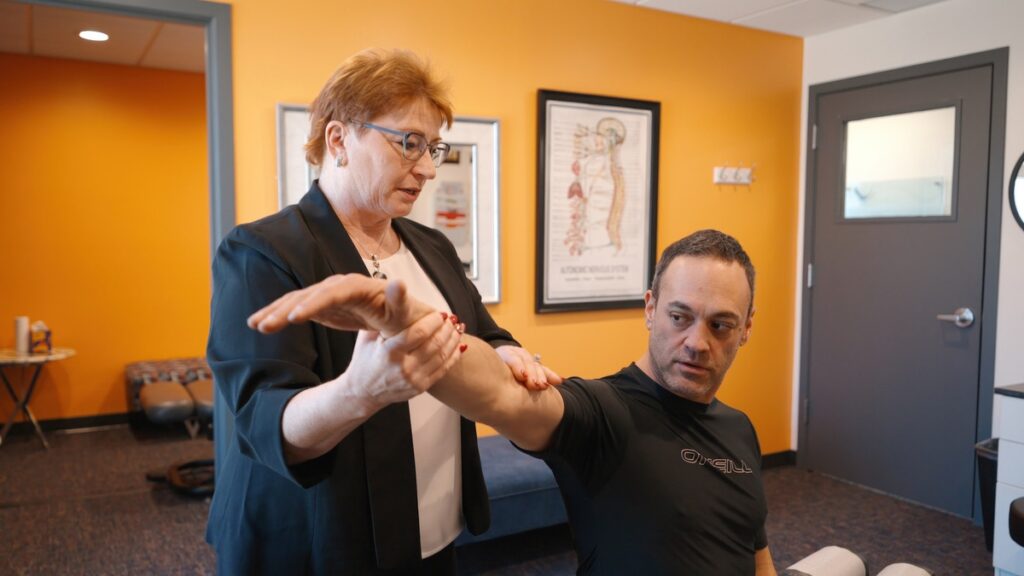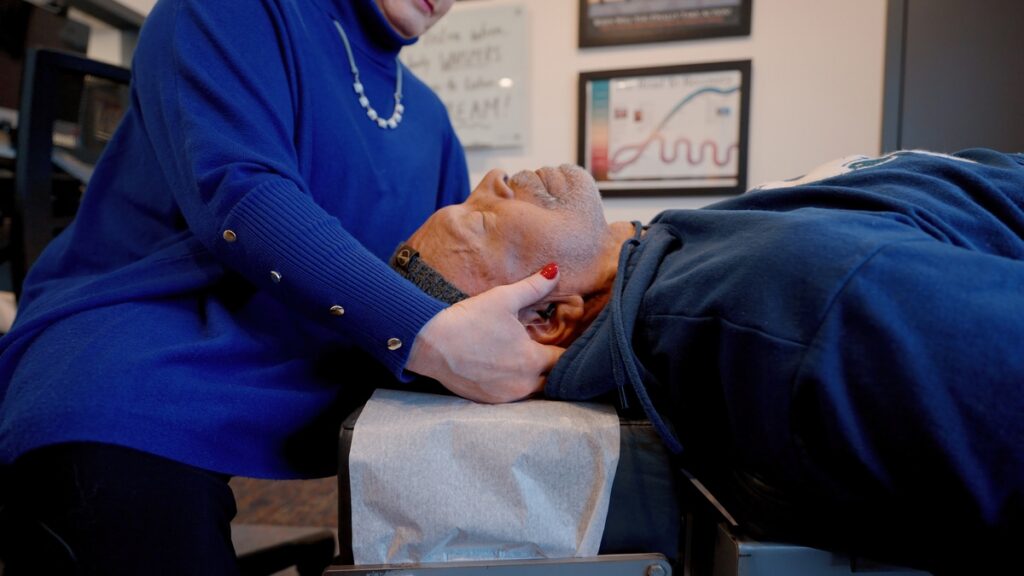
Unlocking your body’s flexibility potential is more achievable than you might think—and chiropractic care plays a vital role in this journey. By visiting your chiropractor regularly, you can not only relieve pain but also enhance your overall flexibility and well-being. Consistent stretching and mindful practices are essential, but when combined with chiropractic adjustments, the results can be even more remarkable.
To improve your flexibility, focus on key areas like your hips and shoulders, where tension often accumulates. Your chiropractor can provide personalized stretches and exercises tailored to your needs, ensuring you target these areas effectively. Remember to incorporate warm-ups and cool-downs into your routine; these are crucial steps that can prevent injury and promote better mobility.
You might be surprised to learn that small changes in your daily routine can lead to significant improvements in flexibility. For instance, take breaks throughout the day to stretch and move your body. Simple activities, like rotating your shoulders or bending at your hips, can make a big difference over time.
In addition to chiropractic care, consider incorporating gentle yoga or Pilates into your routine. These practices not only enhance flexibility but also support spinal health. Always consult with your chiropractor before starting new exercises to ensure they align with your specific health needs.
Let’s embrace a holistic approach to wellness together. With the right chiropractic care and mindful practices, you can achieve lasting flexibility and enjoy a pain-free, healthier life.
Key Takeaways
Unlock Your Body’s Flexibility Potential Today with Chiropractic Care
- Start your day with daily static and dynamic stretching routines to enhance flexibility and mobility. These simple movements can significantly improve your overall health.
- Always prioritize a proper warm-up before stretching to prepare your muscles and reduce the risk of injury. This is crucial for a safe and effective stretching routine.
- Pay special attention to tight areas in your body, such as the back, hips, and shoulders. These areas often hold tension, and focusing on them can lead to targeted improvements in flexibility and comfort.
- Incorporate deep breathing techniques during your stretches. This not only promotes relaxation but also enhances the effectiveness of your stretches. Remember, a calm mind leads to a more flexible body.
- Consider regular chiropractic care as a natural way to support your flexibility journey. A chiropractor can help align your spine, relieve tension, and improve your overall well-being, making it easier for you to achieve your flexibility goals.
By integrating these simple tips into your routine and embracing chiropractic care, you can unlock your body’s full potential for flexibility and wellness. Remember, a healthier spine leads to a healthier you!
Understanding Flexibility and Its Importance
When you think about flexibility, it’s important to recognize its crucial role in both physical and mental well-being. Flexibility isn’t just about reaching your toes; it’s a key factor in maintaining your overall health and enhancing your daily life. When your muscles and joints can move freely, you not only reduce your risk of injury but also improve your performance in physical activities. This wider range of motion allows you to participate in various activities with ease, which is essential for staying active and enjoying life.
From a mental perspective, flexibility is equally important. It helps you adapt to stress and change, promoting resilience and better coping skills when facing life’s challenges. By incorporating flexibility into your routine through gentle stretches or chiropractic adjustments, you invest in both your body and mind. This commitment leads to improved posture, reduced tension, and greater emotional balance.
As a chiropractor, I encourage you to embrace flexibility as a pathway to a healthier and more dynamic you. Regular chiropractic care can enhance your flexibility and overall well-being, setting a solid foundation for pain relief and natural wellness.
Here are some simple tips you can incorporate into your daily life:
- Stretch Regularly: Set aside a few minutes each day to perform gentle stretches. Focus on areas where you feel tightness, such as your back, hips, and shoulders.
- Stay Active: Engage in activities that promote flexibility, like yoga or tai chi. These practices not only improve your range of motion but also help reduce stress.
- Posture Awareness: Be mindful of your posture throughout the day. Proper alignment can significantly influence your flexibility and overall health.
- Chiropractic Care: Regular visits to your chiropractor can help maintain your spinal health and enhance your flexibility, allowing you to move freely and comfortably.
The Science Behind Flexibility
Flexibility is much more than just being able to touch your toes; it plays a crucial role in how your body moves and feels. At the heart of flexibility is the amazing cooperation between your muscles, tendons, and ligaments. When you stretch, you’re not just lengthening your muscles; you’re also communicating with your nervous system. This communication helps your body understand its limits and adapt for better movement over time.
Several factors influence your flexibility, including age, genetics, and how active you are. As we get older, the collagen in our tissues can become stiffer, which might limit how freely we can move. Genetics also play a part in how flexible we’re naturally. But here’s the good news: regular stretching can help improve your flexibility and enhance your overall mobility.
By prioritizing a consistent stretching routine, you can unlock your body’s full potential. This not only leads to better performance in daily activities but also reduces the risk of injuries. As a chiropractor, I encourage you to consider how chiropractic care can support your flexibility journey. Adjustments can help align your spine and improve your range of motion, making it easier for you to stretch effectively and maintain your flexibility.
Here are some simple tips to help you on your path to better flexibility:
- Incorporate Daily Stretching: Set aside a few minutes each day to stretch your major muscle groups. Gentle stretches can enhance blood flow and reduce muscle stiffness.
- Focus on Alignment: Ensure your body is properly aligned. Misalignments can hinder your ability to stretch effectively. Regular chiropractic adjustments can help keep your spine in check.
- Listen to Your Body: Pay attention to how your body responds to stretching. If something feels uncomfortable, ease off and find a position that feels good for you.
- Stay Active: Engage in regular physical activity that includes a mix of strength, balance, and flexibility exercises. Activities like yoga or Pilates can be particularly beneficial.
- Stay Hydrated: Proper hydration supports muscle function and flexibility, so drink plenty of water throughout the day.
Types of Stretching Techniques
When it comes to enhancing your flexibility and overall well-being, understanding different stretching techniques is vital. As a chiropractor, I believe that incorporating these techniques into your routine can support your spinal health and promote natural healing.
Static stretching, which involves holding a stretch for a period of time, offers unique benefits. It helps to lengthen your muscles and improve flexibility, making it a valuable practice after your chiropractic adjustments.
On the other hand, dynamic stretching, which involves controlled movements that gently take you through your range of motion, is fantastic for warming up your body before any physical activity, helping to prevent injuries and prepare your spine for movement.
Here are some simple tips you can incorporate into your daily routine for better flexibility and spinal health:
- Listen to Your Body: Pay attention to how your body feels during stretches. If something doesn’t feel right, ease off. Chiropractic care can help you identify any underlying issues that may affect your flexibility.
- Consistency is Key: Make stretching a regular part of your routine. Even a few minutes each day can make a significant difference in how you feel.
- Combine Stretching with Chiropractic Care: Regular visits to your chiropractor can enhance the benefits of stretching. Adjustments can help align your spine, allowing for better movement and flexibility.
- Warm Up First: Always warm up your muscles before stretching, especially with dynamic stretches. This can be as simple as taking a brisk walk or doing some light aerobic activity.
- Stay Hydrated: Drinking plenty of water supports muscle health and flexibility. Dehydration can lead to muscle tightness and discomfort.
Static Stretching Benefits
Static stretching can be a valuable addition to your wellness routine, especially for those looking to enhance their flexibility and overall health. As a chiropractor, I believe that incorporating static stretches can complement your chiropractic care and help you achieve optimal wellness.
Here are some remarkable benefits of static stretching:
- Increased Flexibility: Holding stretches can help lengthen your muscles and tendons, which improves your range of motion. This is particularly important for maintaining a healthy spine and overall body function.
- Reduced Muscle Tension: Static stretching helps relax tight muscles, which can alleviate discomfort and promote a sense of relaxation. When your muscles are less tense, it can lead to better spinal alignment and reduce strain on your joints.
- Enhanced Posture: Regular stretching can address muscle imbalances, which is essential for maintaining good posture. Proper alignment can prevent unnecessary stress on your spine and decrease the risk of pain.
- Injury Prevention: By preparing your muscles for activity, static stretching can help reduce the risk of injuries. This is crucial for anyone looking to stay active and healthy, as injuries often arise from tight or unprepared muscles.
Incorporating these stretches into your daily routine can unlock your body’s full flexibility potential and support your overall health. Remember to listen to your body and stretch gently, ensuring you don’t push yourself too far.
As you focus on your health journey, consider regular chiropractic adjustments to further enhance your flexibility and support a pain-free lifestyle. These adjustments work hand-in-hand with stretching to promote natural healing and optimal wellness.
Stay proactive about your health, and embrace the benefits of both chiropractic care and stretching for a healthier, happier you!
Dynamic Stretching Techniques
Dynamic stretching techniques are often overlooked but are essential for preparing your body for physical activity. These gentle movements increase blood flow, improve range of motion, and activate your muscles, setting the stage for a more effective workout. By incorporating dynamic stretches into your warm-up routine, not only can you enhance your performance, but you also lower your risk of injury—an important consideration for anyone looking to maintain a healthy lifestyle.
As a chiropractor, I believe that proper preparation is key to achieving optimal health and wellness. Here’s a quick overview of effective dynamic stretching techniques that you can easily incorporate into your routine:
| Stretch Type | Purpose |
|---|---|
| Leg Swings | Loosens hip flexors and hamstrings, promoting mobility in the lower body. |
| Arm Circles | Increases shoulder mobility, helping to reduce tension and improve your range of motion. |
| Walking Lunges | Engages lower body muscles, enhancing strength and stability for activities like walking or running. |
Integrating these stretches into your warm-up routine can make a significant difference in how you feel during your workouts. You’ll likely notice that you feel more agile and ready to tackle any physical challenges.
Incorporating Flexibility Exercises Into Your Routine
Incorporating flexibility exercises into your daily routine can greatly enhance your overall mobility and well-being. As a chiropractor, I emphasize the importance of consistent stretching habits, particularly as part of your warm-up before any physical activity.
Stretching not only prepares your muscles for movement but also plays a crucial role in preventing injuries. By maintaining flexibility, you can support your spine’s health and improve your range of motion.
Here are some simple tips to help you get started with flexibility exercises:
- Set a Routine: Aim to stretch at least 5-10 minutes daily. Consistency is key to seeing improvements in flexibility.
- Focus on Major Muscle Groups: Pay special attention to areas that often become tight, such as your back, hips, and legs. Gentle stretches for these areas can relieve tension and support spinal alignment.
- Listen to Your Body: Stretching should feel comfortable, not painful. If you feel discomfort, ease off a bit. Your body will benefit from gentle, sustained stretches rather than forcing yourself into a position.
- Incorporate Deep Breathing: While stretching, take deep breaths. This helps relax your muscles and enhances the effectiveness of the stretch.
- Consider Chiropractic Care: Regular visits to a chiropractor can help maintain your spinal health and improve your overall flexibility. Chiropractic adjustments can relieve tension in your muscles and joints, making it easier to incorporate stretching into your routine.
By prioritizing flexibility exercises and considering chiropractic care, you can take significant steps toward achieving optimal health and a more active lifestyle.
Daily Stretching Habits
Daily stretching habits can significantly enhance your flexibility and overall well-being, complementing the benefits of chiropractic care. By incorporating simple stretches into your daily routine, you’ll not only notice an improvement in your mobility but also experience reduced muscle tension, which is essential for maintaining a healthy spine.
Here are four effective ways to make stretching a habit that aligns with your journey toward optimal health:
- Set a Schedule: Establish a specific time each day for your stretching routine—whether it’s in the morning to wake up your body or before bed to unwind and relieve tension. Consistency is key, and making stretching part of your daily schedule can help reinforce its importance.
- Start Small: If you’re new to stretching, begin with just 5-10 minutes each day. Focus on gentle movements and gradually increase your stretching time as you become more comfortable. This approach can help prevent injury and make stretching a more enjoyable part of your routine.
- Focus on Major Muscle Groups: Pay special attention to areas that often hold tension, such as your back, hamstrings, and shoulders. Stretching these muscle groups can provide comprehensive benefits, including improved posture and reduced discomfort, which are vital for spinal health.
- Use Reminders: To help you remember to stretch each day, consider setting alarms on your phone or placing sticky notes in visible areas. These gentle reminders can encourage you to prioritize your stretching routine and support your overall wellness.
Incorporating these small changes into your daily life can lead to significant improvements in your flexibility and overall health. Remember, chiropractic care plays an essential role in addressing pain and promoting natural healing, and combining it with regular stretching can further enhance your well-being.
Embrace these practices for a healthier, more active life!
Warm-Up Importance
While many individuals tend to overlook the warm-up phase, it plays a crucial role in preparing your body for physical activity and enhancing overall flexibility. As a chiropractor, I can’t stress enough how important it’s to get your muscles ready before diving into any workout. A proper warm-up increases blood flow to your muscles, making them more pliable and reducing the risk of injury.
Incorporating dynamic stretching exercises into your warm-up routine can significantly enhance your range of motion. Consider adding movements like leg swings, arm circles, and torso twists. These exercises engage multiple muscle groups and help to wake up your body. Aim to spend at least 5-10 minutes on your warm-up, focusing on the areas you plan to work on that day. This not only boosts your performance but also sets a positive tone for your entire workout.
Best Practices for Stretching Safely
To ensure you get the most out of your stretching routine while prioritizing your health and wellness, it’s essential to practice safe stretching techniques.
Stretching can significantly enhance your flexibility and overall physical well-being, but improper techniques can lead to injuries. As a local chiropractor, I’d like to share some best practices for safe stretching that can complement your journey towards optimal health through chiropractic care:
- Warm Up First: Before you start stretching, it’s important to warm up your body. A gentle warm-up increases blood flow to your muscles and prepares them for the stretches ahead. This can be as simple as a brisk walk or some light movements.
- Listen to Your Body: Your body is your best guide. Pay attention to how you feel during each stretch. If you experience pain, it’s a sign to ease off. Stretching should feel good and not cause discomfort.
- Hold, Don’t Bounce: When stretching, hold each position for 15-30 seconds. Avoid bouncing, as this can lead to muscle strain and injuries. Gentle, sustained stretches are more effective and safer for your body.
- Stay Hydrated: Proper hydration is key to keeping your muscles functioning well. Drink water before and after your stretching session to support muscle health and overall well-being.
Incorporating these safe stretching practices into your routine can enhance your flexibility and support your chiropractic care.
Tips for Overcoming Flexibility Plateaus
As you work towards improving your flexibility, you may encounter plateaus that can feel discouraging. However, with the right approach, you can overcome these challenges and enhance your overall well-being. One effective way to break through these plateaus is to diversify your stretching routine. Incorporating various types of stretching—such as dynamic, static, and proprioceptive neuromuscular facilitation (PNF)—can engage your muscles in new ways and promote better flexibility.
Additionally, focusing on your breathing is crucial. Deep, controlled breaths can help you relax, allowing your body to stretch further. This connection between breath and movement can significantly enhance your flexibility practice.
Don’t forget the importance of strength training, as building muscle not only supports your joints but can also improve your flexibility. Remember, it’s essential to give your muscles time to recover. Rest is a vital component of any fitness routine, so listen to your body and avoid pushing yourself too hard.
As you continue your journey, be patient and set achievable goals. Celebrate small milestones to maintain your motivation. Progress may take time, but with persistence and a creative approach to your routine, you can overcome these plateaus and achieve greater flexibility.
Consider incorporating chiropractic care into your wellness journey. Chiropractic adjustments can help ensure that your spine is aligned, which plays a significant role in overall flexibility and mobility. A well-aligned spine can enhance your body’s ability to move freely, reducing tension and discomfort that may hinder your progress. By choosing chiropractic care, you’re opting for a natural, holistic approach to health that can support your goals in flexibility and overall wellness.
The Role of Warm-Up and Cool-Down in Flexibility
Achieving greater flexibility isn’t just about the stretches you do; how you prepare your body is crucial. As a chiropractor, I want to emphasize the importance of warm-ups and cool-downs for your flexibility journey. Here’s why you shouldn’t overlook these essential steps:
- Increased Blood Flow: Warming up raises your heart rate and boosts circulation, which helps make your muscles more pliable and ready for movement. This is especially important for maintaining a healthy spine and preventing discomfort.
- Reduced Injury Risk: A dynamic warm-up preps your muscles and joints, significantly lowering the chances of strains or tears. This is vital for anyone looking to enhance their flexibility while keeping their body safe and sound.
- Enhanced Muscle Performance: Cooling down is just as important as warming up. It helps your muscles recover and adapt, promoting greater flexibility over time. This recovery process is essential for overall wellness and maintaining a healthy spine.
- Mental Preparation: Both warm-ups and cool-downs allow you time to focus and set a positive mindset for your practice. This mental aspect can enhance your overall experience and keep you motivated on your journey to better flexibility and health.
Incorporating these essential steps into your routine won’t just help you stretch more effectively but also support your overall fitness and wellness goals.
Tracking Your Progress and Staying Motivated
Tracking your progress is vital for maintaining motivation on your journey to better flexibility and overall wellness. As a chiropractor, I emphasize the importance of understanding your body and recognizing the small improvements you make. Keeping a log of your stretches and any enhancements in your flexibility can be incredibly beneficial. You might consider using a simple journal or a mobile app to record your daily routines, the duration of each stretch, and any new poses you have successfully integrated. This practice not only helps you stay organized but also reinforces your commitment to a healthier lifestyle.
Celebrate small victories along the way. Did you finally touch your toes or achieve a deeper lunge? Recognizing these milestones is important; reward yourself with a healthy treat or a well-deserved rest day. Sharing your goals and progress with friends or joining a supportive community can also be incredibly motivating. Their encouragement can keep you accountable and help you stay on track.