Lower back pain is a common issue that many people experience, often due to poor posture or a lack of movement. Fortunately, you can find relief through simple adjustments to your daily routine. One of the most effective ways to support your spine is by incorporating stretches and strengthening exercises that focus on your core and lower back. These movements can help alleviate discomfort and promote better alignment.
In addition to physical exercises, embracing mindfulness techniques can also reduce tension and improve your overall well-being. Practices such as deep breathing or gentle yoga can help you reconnect with your body and release stress.
So, what specific strategies can you implement for lasting relief? Here are some practical tips to consider:
- Posture Awareness: Pay attention to your posture, especially when sitting or standing for long periods. Try to keep your back straight and shoulders relaxed.
- Regular Movement: Make it a habit to take short breaks to stretch and move throughout your day. This can prevent stiffness and promote better spinal health.
- Strengthening Exercises: Focus on exercises that strengthen your core muscles, which provide support to your lower back. Simple movements like planks or bridges can make a big difference.
- Gentle Stretches: Incorporate gentle stretching routines that target your lower back and hamstrings. Simple stretches can improve flexibility and reduce pain.
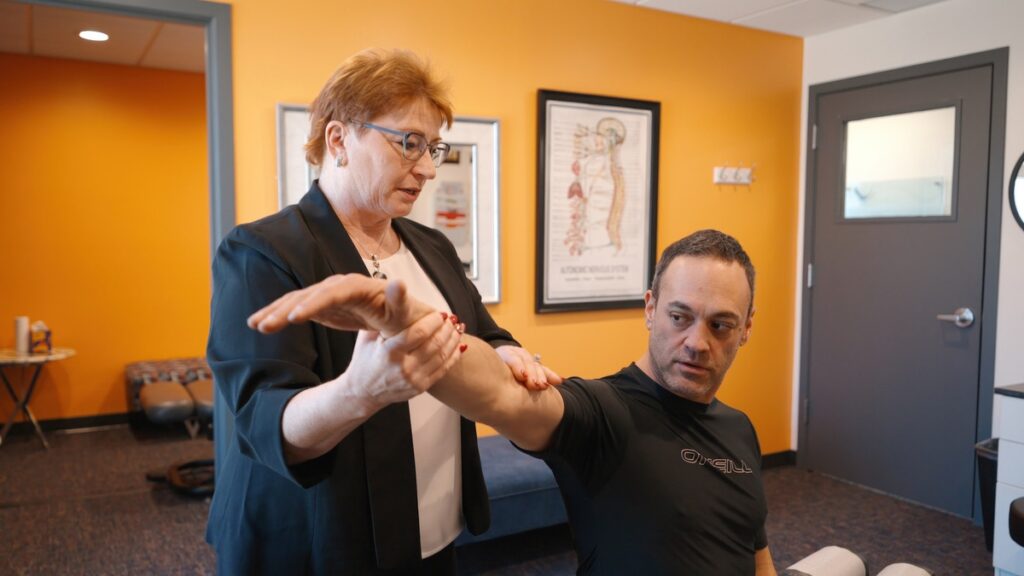
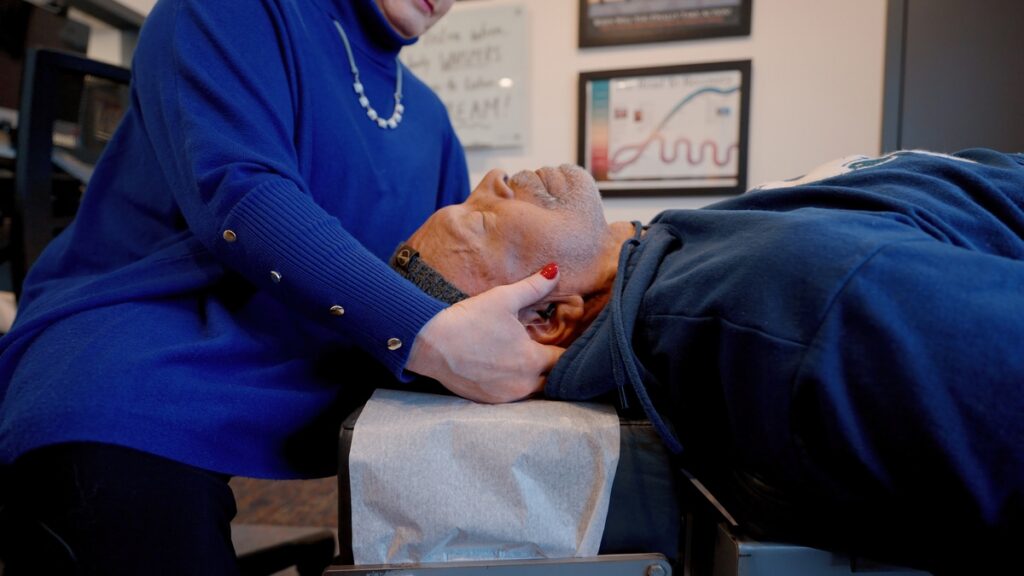
- Chiropractic Care: Consider visiting a chiropractor for personalized care. Chiropractic adjustments can help restore proper alignment and function to your spine, providing natural relief from pain.
Remember, chiropractic care is a powerful tool for achieving optimal health and wellness. By taking proactive steps to support your spine and overall well-being, you can effectively manage lower back pain and enhance your quality of life. Let’s work together towards a healthier, pain-free future!
Key Takeaways
- To support your lower back health, it’s crucial to maintain proper posture. Sit and stand up straight with relaxed shoulders. This simple adjustment can significantly reduce strain on your lower back.
- Incorporating regular stretching and core-strengthening exercises into your routine, such as planks and bridges, can greatly benefit your spinal health. These exercises help build a strong foundation that can alleviate pain and enhance your overall well-being.
- Using ergonomic furniture and practicing proper lifting techniques is essential. Always bend at the knees and keep objects close to your body when lifting. This approach can help prevent injuries and maintain a healthy spine.
- Consider seeking chiropractic care for a personalized treatment plan tailored to your specific needs. Chiropractors use spinal adjustments and manual therapies that can effectively address pain and restore optimal function to your body.
- Don’t underestimate the power of mindfulness and deep breathing. These practices can reduce muscle tension and promote relaxation, which is vital for pain relief and recovery. As you incorporate these techniques into your daily routine, you’ll find that managing lower back pain becomes more achievable.
By focusing on these natural and holistic approaches, you can take charge of your health and wellness while positioning chiropractic care as your best ally in achieving a pain-free life.
Understanding the Causes of Lower Back Pain
When you experience lower back pain, it often arises from several common causes that can be addressed naturally. One major contributor is poor posture during daily activities, such as sitting at a desk or standing for extended periods. This can strain your back muscles and lead to discomfort. Additionally, lifting heavy objects without using the right technique increases the risk of injury. Other factors, like being overweight or not getting enough exercise, can weaken your muscles and create imbalances that make your back ache even more.
Sometimes, your pain may be connected to underlying conditions like herniated discs or arthritis, which can benefit from chiropractic care. It’s important to recognize that stress and emotional issues can also manifest physically, leading to tension in your back. By understanding these causes, you can take proactive steps to manage your discomfort and improve your overall well-being.
Here are some helpful tips to keep your back healthy:
- Practice Good Posture: Keep your back straight and shoulders relaxed whether you’re sitting, standing, or lifting. Use ergonomic furniture if possible.
- Engage in Regular Exercise: Incorporate activities that strengthen your core and back muscles. Simple exercises like walking, stretching, and yoga can make a big difference.
- Lift with Care: Always bend at your knees and keep the object close to your body when lifting to protect your back.
- Stay Hydrated: Drinking enough water helps maintain the elasticity of your spinal discs.
- Consider Chiropractic Care: Regular adjustments can help align your spine, relieve pain, and promote natural healing.
Effective Stretches for Relief
Effective Stretches for Lower Back Relief and Enhanced Mobility
As a chiropractor dedicated to your health and wellness, I understand how lower back pain can affect your daily life. Fortunately, effective stretches can provide significant relief and improve your overall mobility. By incorporating these simple movements into your routine, you can alleviate discomfort and enhance flexibility without the need for medications or invasive procedures. Here are four stretches that I recommend:
- Knees-to-Chest Stretch: Start by lying on your back. Gently pull your knees toward your chest and hold this position for 20-30 seconds. This stretch is fantastic for releasing tension in your lower back and promoting relaxation.
- Child’s Pose: Kneel on the floor and sit back on your heels. Extend your arms forward on the ground, feeling the gentle stretch along your spine. Hold this position for 30 seconds. It’s a calming stretch that helps to elongate your back and release any tightness.
- Cat-Cow Stretch: Position yourself on all fours. As you arch your back up (like a cat), exhale and feel the stretch along your spine. Then, dip your back down (like a cow) while inhaling. Repeat this movement for 1-2 minutes. This dynamic stretch is excellent for mobilizing your spine and improving overall flexibility.
- Seated Forward Bend: Sit with your legs extended in front of you. Reach out towards your toes and hold this position for 20-30 seconds. This stretch not only targets your hamstrings but also helps to relieve tension in your lower back.
Incorporating these stretches into your daily routine can lead to lasting relief and improved mobility. Remember, regular movement and stretching are key components of maintaining a healthy spine. While these stretches can be very beneficial, consider visiting your chiropractor for personalized care and to address any underlying issues contributing to your discomfort.
Strengthening Exercises to Support Your Back
To support your back effectively, it’s essential to incorporate core stability workouts into your daily routine. These exercises not only strengthen your core but also enhance flexibility and mobility, which are crucial for maintaining good posture. When you focus on building a strong core, you can significantly lower your risk of experiencing lower back pain.
As a chiropractor, I recommend that you consider these simple yet effective exercises to support your spine naturally. Engaging in activities like planks, bridges, and gentle stretching can work wonders for your back health. Additionally, incorporating regular chiropractic adjustments can help align your spine, ensuring that your body functions optimally and is less prone to pain.
Core Stability Workouts
Building core stability is crucial for anyone looking to alleviate lower back pain and promote overall wellness. Strong core muscles play a vital role in supporting your spine and improving your posture, which in turn can help reduce strain on your lower back. As a chiropractor, I believe that strengthening your core is an excellent way to support your spine naturally and enhance your overall health.
Here are four effective core stability workouts you can easily add to your routine:
- Plank: Begin in a plank position, making sure to engage your abdominal muscles while keeping your body in a straight line from head to heels. This exercise builds endurance in your core and helps stabilize your spine.
- Bird-Dog: Start on all fours with your hands directly under your shoulders and knees under your hips. Extend one arm forward and the opposite leg back while maintaining balance. This movement encourages coordination and stability in your core, which is essential for spinal health.
- Dead Bug: Lie on your back with your legs raised and knees bent at a 90-degree angle. Slowly lower one arm and the opposite leg toward the ground, then return to the starting position and switch sides. This exercise helps improve core strength while keeping your spine in a safe, neutral position.
- Bridge: Lie on your back with your knees bent and feet flat on the floor. Lift your hips towards the ceiling while engaging your glutes and core. This exercise not only strengthens your core but also helps alleviate tension in your lower back.
Incorporating these exercises into your daily routine can significantly strengthen your core, support your spine, and promote a healthier, more active lifestyle. Remember that regular chiropractic care can also enhance your core stability and overall wellness, helping you achieve optimal health naturally.
Take charge of your health today, and consider these core exercises as part of your journey towards a stronger, pain-free back.
Flexibility and Mobility Routines
While strengthening your core is crucial for alleviating lower back pain, integrating flexibility and mobility routines can significantly enhance your overall back health. As a chiropractor, I emphasize the importance of maintaining a well-aligned spine, and regular stretching and mobility exercises can help you achieve that.
By practicing movements such as hip flexor stretches, hamstring stretches, and gentle spinal twists, you can improve your range of motion and relieve tension in your back. These exercises work to lengthen tight muscles and promote better alignment, which is essential for spinal health.
Incorporating activities like yoga or Pilates can also be beneficial, as they not only enhance flexibility but also build strength simultaneously. Remember, it’s vital to listen to your body—never push into pain. Instead, focus on gentle movements that feel comfortable for you. Consistency is key; aim to include these routines in your daily practice for the best results.
Chiropractic care complements these efforts by addressing misalignments in the spine that can contribute to discomfort. By visiting a chiropractor, you can receive personalized adjustments that help restore your body’s natural balance and promote healing.
With a commitment to both flexibility and chiropractic care, you’re taking proactive steps toward supporting your back and achieving lasting relief from discomfort. Here’s to a healthier, more mobile you!
Mindfulness and Relaxation Techniques
When it comes to managing lower back pain, incorporating mindfulness and relaxation techniques can be incredibly beneficial alongside chiropractic care. As a chiropractor, I often emphasize the importance of a holistic approach to wellness, and these techniques are a perfect complement to spinal adjustments that promote optimal health.
One simple yet effective technique is deep breathing exercises. By taking slow, deep breaths, you can help calm your mind and reduce tension in your body. This not only aids in relaxation but also supports your spine by promoting better posture and reducing stress on your muscles.
Guided meditation practices are another fantastic option. These can help you focus your mind and promote a sense of peace, which contributes to overall well-being. By reducing stress and anxiety, you may find that your body feels more relaxed, allowing the chiropractic adjustments to work more effectively.
In addition to these techniques, remember that maintaining a healthy lifestyle is key. Regular physical activity, proper hydration, and a balanced diet can significantly impact your spinal health. If you’re experiencing lower back pain, consider incorporating these mindful practices into your daily routine, and always consult with your chiropractor for personalized advice tailored to your specific needs.
Deep Breathing Exercises
Deep breathing exercises might be simple, but they can be a powerful tool for managing lower back pain. As a chiropractor, I often emphasize the importance of holistic approaches to health and wellness. By focusing on your breath, you can promote relaxation, alleviate tension in your back muscles, and support your overall well-being. Here’s a straightforward guide to get you started:
- Find a Comfortable Position: Choose a spot where you feel at ease—whether sitting in a chair with good back support or lying down on a flat surface.
- Inhale Deeply: Slowly breathe in through your nose, allowing your abdomen to rise as you fill your lungs completely. Picture your spine lengthening with each breath.
- Hold for a Moment: Take a brief pause, allowing the air to settle in your body. This moment of stillness can help center your thoughts and reduce stress.
- Exhale Fully: Gently release your breath through your mouth. As you do, consciously let go of any tension you may be holding in your back or body.
Repeat this process several times, ideally in a quiet environment. Not only does this exercise help ease discomfort, but it also promotes a sense of calm and mindfulness.
Remember, incorporating deep breathing into your daily routine can enhance the benefits of chiropractic care. Regular adjustments can help align your spine and improve overall function, while deep breathing fosters the relaxation needed for optimal healing.
Embrace these natural techniques as part of your journey toward a healthier, pain-free life!
Guided Meditation Practices
Building on the calming effects of deep breathing, guided meditation practices can be a valuable tool in your journey to manage lower back pain naturally. By focusing your mind and relaxing your body, these techniques can help reduce tension, promote healing, and support overall spinal health.
To get started, find a quiet space where you can be free from distractions. You can use a guided meditation app or video, or simply follow a script that leads you through visualization techniques. Imagine yourself in a peaceful environment, allowing your mind to release stress and tension.
As you meditate, take a moment to pay attention to any sensations in your back. Acknowledge any discomfort you feel without judgment. This mindful awareness is key; recognizing your body’s signals can empower you to release tension and regain control over your pain.
Incorporating these meditation sessions into your routine can complement the benefits of chiropractic care, helping you to achieve optimal health. Remember, regular chiropractic adjustments can improve your spinal alignment, enhance your overall well-being, and work in harmony with practices like meditation to facilitate natural healing.
For a holistic approach to managing your lower back pain, consider these tips:
- Practice deep breathing exercises daily to reduce stress.
- Take breaks throughout the day to stretch and move your body.
- Maintain good posture—whether sitting or standing—to support your spine.
- Stay hydrated and nourish your body with healthy foods to promote healing.
Ergonomic Adjustments for Daily Comfort
Making ergonomic adjustments in your daily environment can greatly enhance your comfort and significantly reduce the risk of lower back pain. As a chiropractor, I believe that these simple changes can lead to a healthier, more balanced lifestyle while positioning chiropractic care as a natural solution for pain relief and wellness. Here are four easy adjustments you can implement today:
- Chair Height: Ensure your chair is at the correct height so your feet rest flat on the ground, creating a 90-degree angle at your knees. This adjustment helps maintain proper posture and supports your spine’s natural alignment, preventing unnecessary strain.
- Desk Setup: Position your computer screen at eye level to avoid straining your neck and back. If your monitor is too low or high, consider using a monitor stand. Proper screen height encourages good posture and can alleviate discomfort, making it easier for you to focus on your work.
- Keyboard and Mouse Placement: Keep your keyboard and mouse close to your body so that your shoulders can remain relaxed. Your elbows should also be at a 90-degree angle. This positioning helps to reduce tension in your upper body and minimizes the risk of repetitive strain injuries.
- Foot Support: If your feet don’t reach the floor comfortably, use a footrest. This simple tool can help you maintain proper posture and alleviate strain on your lower back, supporting your overall spinal health.
By implementing these ergonomic tips, you can make a significant difference in your daily comfort and well-being.
When to Seek Professional Help
Even with ergonomic adjustments in your workspace, some individuals may still find themselves dealing with persistent lower back pain.
If your discomfort lingers for more than a few weeks or seems to get worse, it’s important to seek professional help. Ignoring symptoms like numbness, tingling, or weakness in your legs isn’t advisable, as these could signal underlying issues that deserve immediate attention.
Chiropractic care is an excellent option when it comes to addressing these concerns naturally.
A chiropractor can provide a comprehensive assessment of your spine and overall health, helping to identify the root cause of your pain. They’ll work closely with you to develop a personalized treatment plan that may include spinal adjustments, exercises, and lifestyle modifications aimed at promoting healing and long-term wellness.
Additionally, if your pain is affecting your daily activities—such as walking, sleeping, or lifting—consulting a chiropractor is essential.
They can guide you through effective strategies to alleviate your discomfort and enhance your quality of life.
Here are some general tips for maintaining a healthy back:
- Practice Good Posture: Be mindful of your posture while sitting, standing, and lifting. Keeping your spine aligned can help prevent pain.
- Take Breaks: If you sit for long periods, stand up and stretch regularly. Simple stretches can help relieve tension in your back.
- Stay Active: Engage in regular physical activity like walking, swimming, or yoga to strengthen your muscles and improve flexibility.
- Use Supportive Furniture: Invest in a chair with good lumbar support to promote a healthy sitting posture.
- Listen to Your Body: If you experience pain, don’t push through it. Take the time to rest and seek chiropractic care to address any underlying issues.
Remember, chiropractic care focuses on natural healing and wellness, making it a great choice for those looking to achieve optimal health and relieve pain without the need for invasive procedures or medications.
Your journey to a pain-free life can start with a visit to your local chiropractor!