When it comes to back pain, a personalized approach is essential—one size definitely doesn’t fit all. Your path to recovery is influenced by various factors, including your lifestyle, daily activities, and specific pain triggers. Recognizing these individual nuances is crucial. That’s where a customized back pain plan comes into play, and it can significantly enhance your healing journey.
So, what does a tailored back pain plan involve, and how can it help you? Let’s dive into some key components that highlight the importance of chiropractic care in achieving pain relief and optimal wellness.
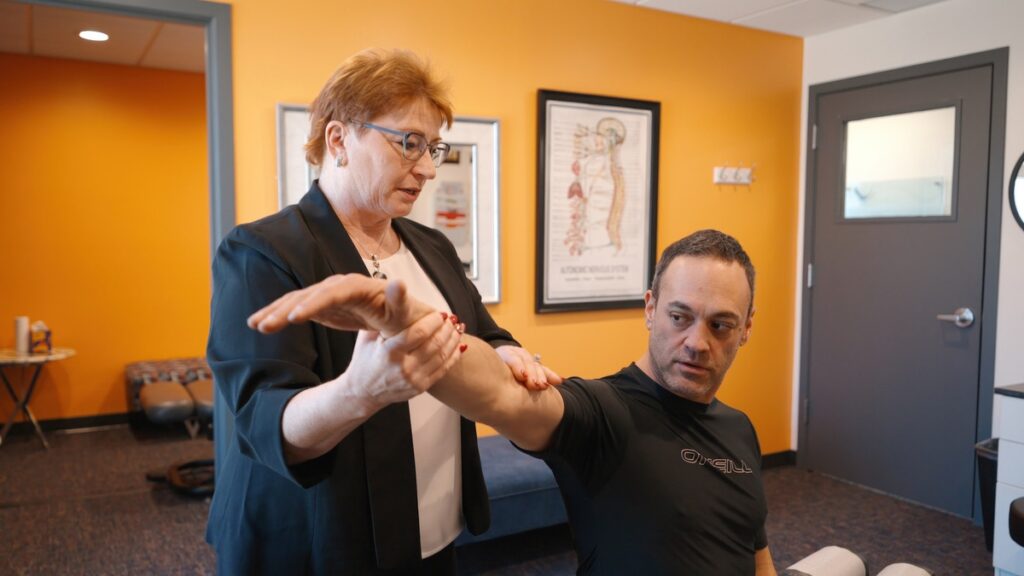
- Comprehensive Assessment: A personalized back pain plan begins with an in-depth evaluation of your spine and overall health. As a chiropractor, I will assess your posture, range of motion, and any areas of discomfort to understand the root cause of your pain.
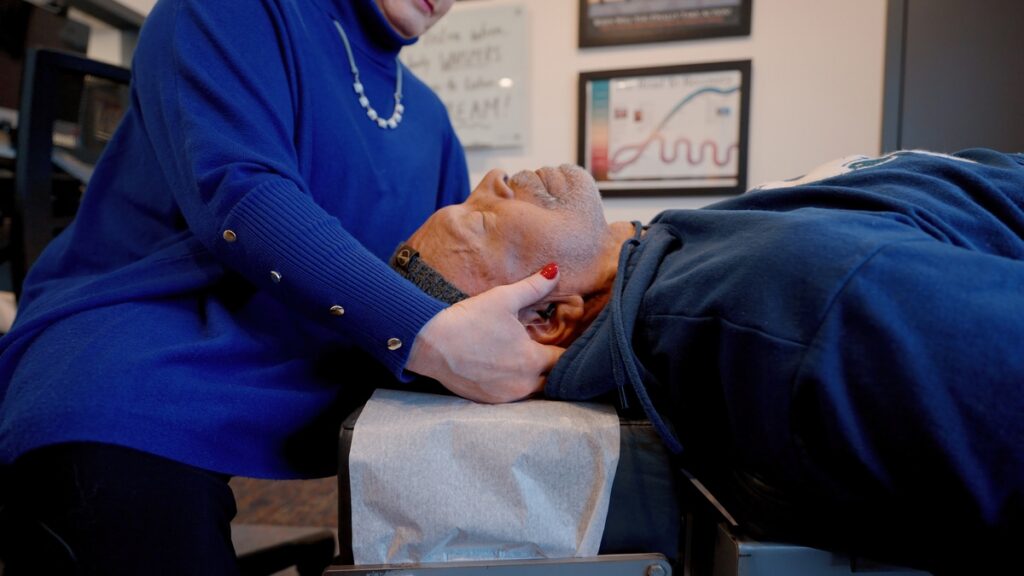
- Customized Treatment Techniques: Based on the assessment, I will craft a treatment plan specifically for you. This may include spinal adjustments, which can help realign your spine and relieve pressure on nerves, ultimately reducing pain and enhancing mobility.
- Holistic Lifestyle Recommendations: Alongside chiropractic adjustments, I’ll provide you with tips for healthier living. This can include exercises to strengthen your back, stretches to improve flexibility, and advice on ergonomics to prevent further strain on your spine.
- Natural Healing Focus: Chiropractic care emphasizes natural healing. By aligning your spine, we can stimulate your body’s innate ability to heal itself without the need for medications or invasive procedures.
- Ongoing Support and Education: Recovery is a journey, and I’m here to support you every step of the way. I will educate you about your spine and the importance of maintaining good posture, which will empower you to take control of your health.
By opting for a personalized back pain plan that focuses on chiropractic care, you can not only find relief from pain but also improve your overall health and well-being. Remember, every body is unique, and your back pain treatment should be too. If you’re ready to take the next step towards a healthier, pain-free life, let’s work together to create a plan that’s just right for you!
Key Takeaways
Personalized back pain plans are essential because they focus on your unique pain triggers and everyday habits, leading to more effective treatment outcomes. As a chiropractor, I emphasize the importance of tailored assessments that pinpoint specific spinal issues and consider your individual health history. This customized approach is crucial because it avoids the limitations of one-size-fits-all solutions, ultimately enhancing your recovery and overall well-being.
Regular monitoring is also a key component of these personalized plans. By checking in on your progress, we can make necessary adjustments to ensure that the plan continues to meet your needs and stays effective. Additionally, setting realistic recovery goals can help you stay motivated and allow us to celebrate your improvements along the way.
Here are some tips to help you manage back pain and promote a healthier lifestyle:
- Stay Active: Gentle exercises like walking, stretching, or yoga can strengthen your back and improve flexibility.
- Practice Good Posture: Be mindful of how you sit, stand, and lift objects. Proper posture can significantly reduce strain on your back.
- Use Heat and Cold Therapy: Applying heat can relax tight muscles, while cold packs can reduce inflammation and numb pain.
- Stay Hydrated: Drinking plenty of water supports overall health and helps keep your spinal discs hydrated.
- Listen to Your Body: Pay attention to what activities or positions worsen your pain, and try to modify them.
Chiropractic care stands out as the best choice for pain relief and natural wellness. By focusing on your specific needs and providing a holistic approach to treatment, we can work together towards achieving optimal health and a pain-free life.
Understanding Back Pain: The Basics
When you experience back pain, it’s important to understand what’s happening in your body. Your spine is made up of vertebrae, discs, muscles, and nerves that work together to support your movements. Pain can arise from various sources, such as muscle strain, herniated discs, or even poor posture. By identifying the type of pain you’re experiencing—whether it’s sharp, dull, or radiating—you can begin to understand its cause.
You may notice that certain activities or positions make your back pain worse. This is your body signaling that something isn’t quite right. Paying attention to these signals is vital. Additionally, factors like stress, weight, and age can contribute to your discomfort.
By recognizing these elements, you can take proactive steps toward relief.
Incorporating chiropractic care into your wellness routine is one of the best ways to address back pain and promote overall health. Chiropractors focus on aligning your spine, which can relieve pressure on nerves and improve your body’s function. This natural approach not only helps alleviate pain but also encourages your body to heal itself.
Here are some general tips to help manage back pain and enhance your well-being:
- Maintain Good Posture: Pay attention to how you sit and stand. Keeping your spine aligned can prevent additional strain.
- Stay Active: Engage in gentle exercises, like walking or stretching, to keep your muscles strong and flexible.
- Use Heat or Cold Therapy: Applying heat can relax tense muscles, while cold packs can reduce inflammation.
- Practice Stress-Relief Techniques: Activities like yoga or meditation can help reduce stress, which may contribute to muscle tension.
- Stay Hydrated and Eat Well: A balanced diet and proper hydration support your overall health and can help keep your muscles and joints functioning optimally.
Understanding the basics of back pain helps you navigate your symptoms and find an effective recovery plan. By considering chiropractic care, you’re taking a significant step towards achieving optimal health and wellness naturally.
If you’re struggling with back pain, consider reaching out to a chiropractor who can provide personalized care and support tailored to your needs.
The Importance of Individual Assessment
When it comes to managing your back pain, individual assessment is absolutely essential. As a chiropractor, I believe that understanding your unique pain triggers and reviewing your complete health history is the key to discovering effective treatment options tailored just for you. This personalized approach ensures you’re not stuck with a one-size-fits-all solution, but rather, you’re addressing your specific needs for lasting relief.
Chiropractic care stands out as an exceptional choice for pain relief and overall wellness. By focusing on spinal health and alignment, we can help your body heal naturally. Instead of relying on medications, which may only mask the pain, chiropractic adjustments target the root cause of your discomfort, promoting your body’s innate ability to heal itself.
Here are some general tips you can incorporate into your daily routine to support your back health:
- Stay Active: Engage in low-impact exercises like walking or swimming to strengthen your back muscles and improve flexibility.
- Practice Good Posture: Whether you’re sitting at your desk or standing, maintaining good posture can significantly reduce strain on your spine.
- Stretch Regularly: Incorporate gentle stretching into your day to keep your muscles flexible and alleviate tension.
- Listen to Your Body: Pay attention to how your body feels during different activities and adjust accordingly to avoid aggravating pain.
- Stay Hydrated: Drinking plenty of water helps maintain the health of your discs and keeps your body functioning optimally.
Tailored Treatment Options
Understanding your unique situation is crucial for developing an effective plan for managing back pain. Since each person experiences pain differently, a personalized approach tends to yield the best results. By assessing your specific symptoms, daily activities, and overall health, we can identify the most suitable chiropractic treatments tailored just for you.
Chiropractic care focuses on restoring proper alignment and function to the spine, which can significantly alleviate pain and enhance your mobility. Techniques such as spinal adjustments, soft tissue therapy, and gentle exercises can work together to promote natural healing and improve your quality of life.
Additionally, it’s important to consider factors like any past injuries and your lifestyle habits. Engaging in regular physical activity, maintaining good posture, and practicing stress-reducing techniques can also support your recovery and overall wellness.
Unique Pain Triggers
Identifying unique pain triggers is essential in tailoring your personalized back pain management plan. Each person’s experience with back pain is unique, and understanding what worsens your discomfort can empower you to implement more effective relief strategies. As a chiropractor, I emphasize natural healing methods that promote optimal health without the need for medications or surgeries.
Here are some common triggers of back pain along with practical solutions that can be integrated into your daily routine:
| Common Triggers | Possible Solutions |
|---|---|
| Poor posture | Make ergonomic adjustments to your workspace. Consider using a chair that supports your lower back and keep your feet flat on the floor. A chiropractor can provide personalized guidance on maintaining good posture throughout the day. |
| Lack of exercise | Engage in a tailored fitness routine that focuses on strengthening your core and improving flexibility. Gentle exercises like yoga or stretching can be very beneficial for your spine. A chiropractor can help design a program that suits your individual needs. |
| Stress and anxiety | Incorporate mindfulness practices into your daily life. Techniques such as deep breathing, meditation, and gentle yoga can help alleviate stress, which in turn can reduce tension in your back. Regular chiropractic adjustments can also enhance your body’s ability to manage stress. |
| Improper lifting | Learn safe lifting techniques to protect your back. Always bend at the knees, not at the waist, and keep the object close to your body. A chiropractor can teach you these techniques to prevent injury and improve your lifting mechanics. |
Comprehensive Health History
Understanding your complete health history is crucial for developing an effective and personalized back pain management plan. As a chiropractor, I believe that exploring your past medical conditions, injuries, and treatments can reveal important insights into the factors contributing to your discomfort. This individual assessment enables us to create a tailored approach to your care, focusing on your unique needs rather than following a generic treatment path.
In addition to your medical history, it’s important to consider your lifestyle, exercise habits, and emotional well-being. Each person’s experience with back pain is distinct, and having a comprehensive understanding of your situation allows us to implement targeted strategies that can enhance your quality of life. The more information you share, the better equipped I’ll be to help you manage and alleviate your back pain naturally.
Here are some general tips to keep in mind for back pain relief and overall wellness:
- Stay Active: Engage in regular, gentle exercises like walking, stretching, or yoga to keep your spine flexible and strong.
- Maintain Good Posture: Be mindful of your posture whether sitting, standing, or lifting. Proper alignment can help reduce strain on your back.
- Ergonomic Adjustments: Make sure your workspace is set up to support your spine. Use chairs that promote good posture and take frequent breaks to move around.
- Hydration and Nutrition: Stay hydrated and eat a balanced diet rich in anti-inflammatory foods. This can support overall health and help your body heal.
- Stress Management: Incorporate mindfulness practices, like meditation or deep breathing exercises, to reduce stress, which can contribute to muscle tension and pain.
- Chiropractic Care: Regular visits to a chiropractor can help realign your spine, improve mobility, and reduce pain through natural, drug-free methods.
Components of a Personalized Back Pain Plan
Creating a personalized back pain plan begins with a thorough assessment to truly understand your unique needs. As a chiropractor, I focus on evaluating your spinal health and identifying any areas that may be causing discomfort. Once we’ve a clear picture, we can develop a customized exercise routine that’s specifically designed for you, helping to strengthen your back and improve flexibility.
In addition to tailored exercises, we’ll also incorporate chiropractic adjustments into your plan. These gentle, hands-on techniques are aimed at aligning your spine, relieving pressure on nerves, and promoting your body’s natural healing processes. This approach not only addresses your current pain but also works to prevent future issues.
Ongoing progress monitoring is essential to ensure your plan continues to meet your evolving needs. Regular check-ins allow us to adjust your exercises, make necessary spinal adjustments, and keep your healing journey on track.
Individualized Assessment Techniques
Back pain can arise from a variety of sources, but understanding your unique situation is key to finding relief. As a chiropractor, I believe in the importance of individualized evaluation techniques to create an effective treatment plan that aligns with your body’s needs.
To begin, it’s crucial to conduct a thorough assessment that includes a deep dive into your medical history and lifestyle habits. This information helps us identify specific triggers for your pain. During a physical examination, we’ll check your range of motion and muscle strength. This evaluation is essential as it guides us in determining the most beneficial chiropractic adjustments and therapies for you.
In some cases, diagnostic imaging, such as X-rays or MRIs, may be recommended to uncover any underlying issues. However, our focus will always be on natural healing methods. We also utilize questionnaires to assess your pain levels and how they impact your daily activities. This insight is invaluable for understanding your condition better.
By combining these individualized techniques, we can develop a clear picture of your back pain and tailor a personalized treatment plan that focuses on chiropractic care. Here are a few general tips you can incorporate into your daily routine to support your back health:
- Practice Good Posture: Whether sitting, standing, or lifting, maintaining good posture can alleviate strain on your back.
- Stay Active: Regular, low-impact exercises like walking or swimming can help strengthen your back and improve flexibility.
- Use Heat and Cold Therapy: Applying heat or cold packs can provide temporary relief from pain and inflammation.
- Stay Hydrated: Drinking plenty of water helps maintain the health of your spinal discs.
- Focus on Ergonomics: Adjust your workspace to ensure your computer screen is at eye level and your chair supports your back.
Chiropractic care is a holistic approach to achieving optimal health and wellness. By focusing on natural healing techniques, we can help you manage your back pain effectively and improve your overall quality of life. Remember, the right care can make all the difference!
Tailored Exercise Regimens
When it comes to managing back pain, incorporating tailored exercise regimens can significantly enhance your recovery journey, especially when combined with chiropractic care. These regimens are specifically designed to address your individual condition, focusing on strengthening the muscles that support your spine and improving your overall flexibility.
Gentle stretches, core strengthening exercises, and low-impact activities are excellent ways to ease discomfort and promote healing.
As a chiropractor, I emphasize the importance of working with a professional who understands your unique needs. This way, they can guide you through appropriate exercises that complement your chiropractic adjustments.
By committing to a personalized exercise plan, you not only aid your recovery but also build long-term resilience against future pain.
A few tips to keep in mind:
- Stay Consistent: Regularly perform your exercises to see the best results.
- Listen to Your Body: Pay attention to how your body responds and adjust your regimen as needed. If something doesn’t feel right, consult your chiropractor.
- Incorporate Movement: Even simple activities like walking can be beneficial. Aim for low-impact movements that keep you active without straining your back.
- Focus on Breathing: Proper breathing techniques during exercises can enhance relaxation and improve overall effectiveness.
Ongoing Progress Monitoring
Monitoring your progress is a key part of ensuring your personalized back pain plan is effective and that you’re moving towards optimal health. Regularly evaluating your pain levels, mobility, and overall well-being allows you to see what’s working and what may need some adjustment. Keeping a daily journal to track your symptoms and how you respond to chiropractic care can be incredibly beneficial. This practice not only helps you stay accountable but also provides valuable insights for your chiropractor.
It’s important to have regular check-ins with your chiropractor to discuss what you’ve observed. They can help you refine your care plan based on your progress, ensuring it meets your evolving needs. By consistently monitoring your condition, you empower yourself to make informed decisions about your health. This proactive approach increases the chances of reducing pain and improving your functionality over time.
Here are some general tips to help you stay engaged in your healing journey:
- Stay Active: Gentle movements and stretches can keep your spine flexible and reduce stiffness.
- Practice Good Posture: Pay attention to your posture while sitting, standing, and moving to minimize strain on your back.
- Stay Hydrated: Drinking plenty of water supports overall health and can aid in muscle recovery.
- Listen to Your Body: If something doesn’t feel right, it’s important to communicate that to your chiropractor.
- Prioritize Sleep: Quality sleep is essential for healing. Make sure you have a comfortable sleeping environment.
How Lifestyle Factors Influence Back Pain
Often overlooked, lifestyle factors significantly influence the severity and frequency of back pain. Your daily habits can either worsen discomfort or support your healing journey. For example, poor posture while working or lifting heavy objects incorrectly can put a lot of unnecessary strain on your back. On the other hand, maintaining a healthy weight and staying active can help relieve stress on your spine and contribute to overall wellness.
As a chiropractor, I want to share some essential insights on how different lifestyle choices can impact your back health. Here are a few factors to consider:
| Lifestyle Factor | Impact on Back Pain | Recommended Action |
|---|---|---|
| Sedentary Behavior | Increases stiffness | Make a point to move regularly—try short walks or stretching breaks throughout your day. |
| Poor Posture | Strains muscles | Focus on practicing ergonomic sitting—ensure your workspace promotes good posture. |
| Obesity | Adds pressure on spine | Embrace a balanced diet and engage in regular physical activity to maintain a healthy weight. |
| Smoking | Reduces blood flow to muscles | Consider quitting smoking—this can improve circulation and overall health. |
Incorporating these lifestyle changes can make a significant difference in how you feel. Chiropractic care is a natural and effective approach to managing back pain and enhancing your quality of life. By addressing the root causes of discomfort and supporting your body’s healing processes, chiropractic treatments can help you achieve optimal health and well-being.
The Role of Physical Therapy in Tailored Plans
Incorporating chiropractic care into your back pain management plan can significantly enhance your recovery and help prevent future issues.
As a local chiropractor, I focus on assessing your specific spinal condition and developing a personalized approach to strengthen not just your back but your entire body.
Chiropractic adjustments can address the root causes of your pain, ensuring that you’re not just masking symptoms but promoting natural healing.
By focusing on spinal alignment and overall wellness, chiropractic care helps improve your posture and flexibility, which are crucial for long-term health.
During your visits, you’ll also learn how to safely perform daily activities, reducing the risk of re-injury.
I’ll closely monitor your progress and adjust your treatment plan as necessary, keeping you on the path to optimal health.
Here are some general tips to support your journey towards wellness:
- Maintain good posture while sitting, standing, and walking.
- Incorporate gentle stretches into your daily routine to improve flexibility.
- Stay active with low-impact exercises, such as walking or swimming, to keep your back strong.
- Practice stress-reduction techniques like deep breathing or meditation, as stress can contribute to tension in your back.
Integrating Mind-Body Approaches
Chiropractic care provides a strong foundation for recovery from back pain, and when you combine it with mind-body approaches, you can experience even greater relief and enhance your overall well-being.
These techniques focus on the vital link between your mental and physical health, supporting a more holistic path to healing.
Here are some easy mind-body strategies you can incorporate into your daily routine alongside your chiropractic care:
- Meditation: Simple and effective, meditation can help reduce stress and improve how you perceive pain. Even just a few minutes a day can make a difference.
- Yoga: This practice not only increases flexibility but also strengthens your core muscles, which can alleviate strain on your back. Plus, it promotes relaxation and mindfulness.
- Deep Breathing Exercises: Taking deep breaths can help lower tension and promote relaxation, making it easier for you to cope with pain. Try taking slow, deep breaths whenever you feel discomfort.
- Visualization Techniques: Picture a positive outcome for your health. Visualizing your body healing can help reinforce a positive mindset and aid in managing discomfort.
- Mindfulness Practices: Being aware of your body and how it feels can empower you to respond to pain more effectively. Simple mindfulness exercises can help you stay connected to your body and its needs.
Incorporating these mind-body strategies into your routine not only complements your chiropractic care but can also lead to a healthier, more balanced life.
Monitoring Progress and Adjusting Plans
Monitoring Your Recovery Progress with Chiropractic Care
Keeping track of your recovery from back pain is crucial for optimizing your healing journey, and chiropractic care can play a vital role in this process. By regularly monitoring your symptoms, activities, and how your body responds to chiropractic adjustments, you can better understand what works for you and what may need changing.
Here’s a simple table to help guide your monitoring process. Feel free to fill this out weekly to keep a clear record of your progress:
| Date | Symptom Severity (1-10) | Activity Level (Low/Medium/High) |
|---|---|---|
| Week 1 | 7 | Low |
| Week 2 | 5 | Medium |
| Week 3 | 3 | High |
| Week 4 | 2 | High |
Regularly assessing these factors not only keeps you engaged in your recovery but also helps you recognize patterns in your progress. If you notice any significant changes in your symptoms or activity levels, it’s a good idea to consult with your chiropractor. They can adjust your treatment plan based on your feedback, ensuring that your recovery is as effective as possible.
Chiropractic care focuses on natural healing, helping to align your spine and restore proper function. Here are a few general tips to support your recovery:
- Stay Active: Gentle movements and exercises can promote healing. Your chiropractor can suggest specific stretches and exercises to help strengthen your back.
- Maintain Good Posture: Being mindful of your posture—whether sitting, standing, or lifting—can reduce strain on your back.
- Apply Heat or Cold: Using a heating pad or ice pack can alleviate pain and inflammation. Just remember to wrap them in a cloth to protect your skin.
- Stay Hydrated: Drinking plenty of water supports overall health and helps keep your discs hydrated.
- Listen to Your Body: If something doesn’t feel right, don’t push through the pain. This is your body signaling that it needs attention.
Success Stories: Real-Life Transformations
Many individuals have successfully transformed their lives with the help of personalized chiropractic care for back pain, uncovering a new sense of freedom from discomfort. Their stories can serve as powerful inspiration, demonstrating how tailored chiropractic strategies can lead to remarkable improvements in health and wellness.
Here are some highlights from their experiences:
- Regained Mobility: Clients who once faced challenges with everyday activities now enjoy walking freely and participating in the hobbies they love, thanks to targeted chiropractic adjustments.
- Reduced Pain: Many have experienced a significant decrease in pain levels, leading to better sleep and a more enjoyable life. Chiropractic care focuses on addressing the root causes of pain, promoting natural healing.
- Enhanced Strength: Through customized exercises and chiropractic techniques, individuals have built core strength, providing essential support for their spines and reducing the risk of future injuries.
- Improved Mental Health: Relief from chronic pain has positively impacted the mental well-being of several clients, reducing feelings of anxiety and depression. Chiropractic care recognizes the connection between physical health and mental health, helping to create a holistic approach to wellness.
- Empowered Choices: Understanding what works for their bodies has given clients the confidence to make informed decisions about their health and well-being. Chiropractic care empowers individuals to take charge of their health naturally.
These transformations highlight the effectiveness of personalized chiropractic care in making a difference in people’s lives.
If you’re seeking relief from back pain or striving for optimal health, consider these general tips:
- Stay Active: Incorporate gentle exercises and stretches into your daily routine to maintain mobility and support spinal health.
- Posture Awareness: Be mindful of your posture, whether sitting, standing, or lifting. Good posture can significantly reduce strain on your back.
- Hydration: Drink plenty of water to keep your discs hydrated and support overall spinal health.
- Regular Chiropractic Visits: Regular adjustments can help maintain spinal alignment and prevent pain from returning.
- Listen to Your Body: Pay attention to how your body feels and communicate any concerns with your chiropractor.
Steps to Get Started on Your Personalized Plan
Getting started on your personalized back pain relief journey is simpler than you might expect, especially when you take the right steps to set yourself up for success. The first step is to identify your pain triggers and any limitations you may have. Keeping a journal can be incredibly helpful; jot down what activities or situations worsen or alleviate your discomfort. This will not only increase your awareness but also provide valuable insights that can be shared with a chiropractor.
Once you’ve gathered your observations, it’s time to consult with a qualified chiropractor. They are experts in spinal health and can help tailor a plan specifically for your needs, focusing on natural healing methods that promote overall wellness.
Here’s a quick overview of essential steps to take:
| Step | Emotion Evoked |
|---|---|
| Identify triggers | Awareness |
| Keep a pain journal | Reflection |
| Consult a chiropractor | Hope |
| Set realistic goals | Motivation |
| Track progress | Empowerment |
Remember, chiropractic care focuses on restoring proper alignment and function to your spine, which can lead to significant pain relief and improved health. As you set realistic goals for your recovery, think about integrating gentle exercises and stretches that your chiropractor may recommend, as these can enhance your healing process. Tracking your progress not only empowers you but also keeps you motivated on your path to a healthier, pain-free life.