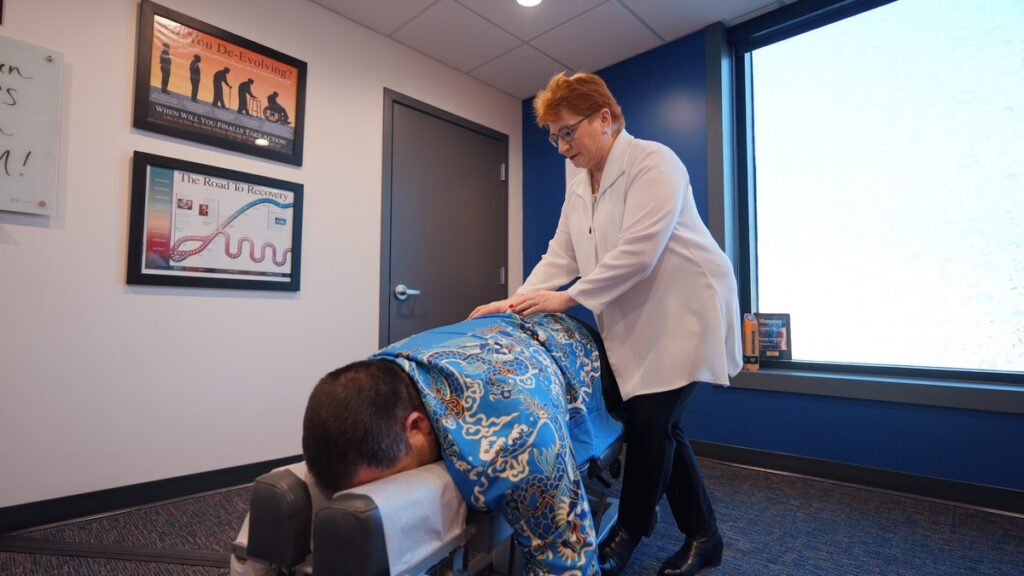
If you’re dealing with neck pain, I understand how overwhelming it can feel to find natural relief. But with a dedicated approach over the next 30 days, you can make real strides toward feeling better. One of the best ways to tackle neck pain is through chiropractic care, which focuses on aligning your spine and supporting your body’s natural healing processes.
Incorporating posture correction is essential; maintaining good posture can significantly reduce strain on your neck. Gentle stretches and specific strength training exercises can help as well, but chiropractic adjustments can take this a step further by ensuring your spine is in the best position for healing.
Beyond these strategies, consider adding heat or cold therapy to your routine. Applying a warm compress or an ice pack can soothe sore muscles and reduce inflammation. Staying hydrated and maintaining a balanced diet rich in anti-inflammatory foods can also support your recovery.
Remember, chiropractic care is not just about relieving pain—it’s about improving your overall health and well-being. By working with a chiropractor, you can develop a personalized plan that addresses your unique needs and helps you reclaim comfort in your daily life. Let’s take this journey together towards natural healing and wellness!
Key Takeaways
- Begin incorporating daily neck stretches, such as neck tilts and chin tucks, to improve flexibility and strengthen the muscles in your neck. These simple movements can help alleviate tension and promote better alignment, making them ideal for maintaining a healthy spine.
- Ensure that your workspace is ergonomic, as this supports proper posture and minimizes strain on your neck during everyday activities. Adjust your chair height and computer screen to eye level to foster a healthier sitting position.
- Consider using heat therapy to relax tight muscles and cold therapy to alleviate inflammation and pain following any injuries. These natural methods can complement chiropractic adjustments and enhance your healing process.
- Engage in gentle exercises like yoga or swimming, which are excellent for improving overall mobility and providing support to your neck muscles. These activities promote flexibility and strength, further contributing to a healthy spine.
- Don’t forget to take regular breaks from screens. This practice helps realign your posture and relieve built-up tension in your neck, which is essential for maintaining spinal health. Remember, chiropractic care can help you address underlying issues and ensure your body is functioning optimally.
By following these tips, you can take proactive steps toward natural neck pain relief while supporting your overall wellness. Remember, chiropractic care is a highly effective choice for achieving and maintaining optimal health.
Understanding Neck Pain: Causes and Symptoms
Understanding neck pain is crucial for your overall health, as it can arise from various sources and affect your daily life in many ways.
Common causes include poor posture, such as slouching at your desk or spending too much time looking down at your phone. Additionally, muscle strain from overuse, stress, or an awkward sleeping position can contribute to that persistent discomfort. If you’ve experienced an accident, whiplash may be a factor, leading to stiffness and reduced mobility.
The symptoms of neck pain can differ greatly from person to person. You might feel sharp pain, dull aches, or even tingling sensations that travel down your arms. It’s important to listen to your body and recognize these signs, as they may indicate issues like nerve compression or herniated discs.
Identifying the root cause of your discomfort is the first step toward finding effective relief.
As a chiropractor, I believe that chiropractic care is one of the best ways to address neck pain naturally. By focusing on spinal alignment and overall wellness, we can help restore your body’s balance and improve your quality of life.
Here are some simple tips to help you manage neck pain and promote healing:
- Practice Good Posture: Be mindful of your posture throughout the day. Sit up straight, keep your shoulders back, and adjust your workstation ergonomically to reduce strain on your neck.
- Take Breaks: If you work at a desk or spend a lot of time on your phone, make sure to take regular breaks. Stand up, stretch, and move around to relieve tension in your neck and shoulders.
- Sleep Smart: Choose a supportive pillow and try to sleep on your back or side. Avoid sleeping on your stomach, as it can strain your neck.
- Stay Active: Engage in gentle exercises or stretches that promote neck mobility and strength. Activities like yoga or tai chi can be beneficial.
- Hydrate: Drink plenty of water to keep your muscles hydrated and functioning properly.
By incorporating these practices into your daily routine and considering chiropractic care, you can take significant steps toward a pain-free neck and improved overall wellness.
Stretching Exercises for Neck Relief
Stretching your neck can provide immediate relief from tension and discomfort, and it’s a great way to support your overall spinal health.
Incorporating simple neck stretches into your daily routine can help ease stiffness and improve flexibility, enhancing your well-being without the need for medications or invasive procedures.
Here are some effective stretches that you can easily do at home:
- Neck Tilt: Gently tilt your head to one side, allowing the weight of your head to stretch the muscles on the opposite side. Hold this position for 15-30 seconds before switching to the other side. This can help release tightness and improve mobility.
- Chin Tucks: Pull your chin back toward your throat, as if you’re making a double chin. Hold this position for a few seconds. This exercise strengthens the neck muscles and helps improve posture, which is essential for spinal health.
- Shoulder Shrugs: Raise your shoulders toward your ears, then relax them back down. Repeat this movement 10 times. Shoulder shrugs can relieve tension in the neck and upper back, making you feel more relaxed.
- Neck Rotation: Slowly turn your head to one side, holding for a few seconds to feel the stretch along your neck. Then, switch to the other side. This movement helps maintain a full range of motion and can alleviate discomfort from daily activities.
- Forward Stretch: Drop your chin to your chest and hold for 15-30 seconds. This stretch targets the back of your neck, helping to relieve tension and improve flexibility.
Regular practice of these stretches can significantly enhance your neck comfort and overall well-being.
However, for persistent pain or discomfort, consider visiting a chiropractor. Chiropractic care is a natural, effective way to address underlying issues and promote optimal health.
Strengthening Your Neck and Upper Back
To build a strong and resilient neck and upper back, incorporating targeted exercises into your routine is essential. These exercises not only help strengthen your muscles but also support your spine, promoting better posture and overall well-being.
Begin with neck isometrics, where you gently press your head against your hands in various directions—forward, backward, and side to side. This method helps build strength without putting excessive strain on your neck. Next, include shoulder shrugs; simply lift your shoulders toward your ears and hold for a few seconds before releasing. This exercise can help relieve tension and improve shoulder mobility.
Chin tucks are another great exercise to consider. By gently pulling your chin toward your neck, you strengthen the muscles that support your head and help align your spine.
Don’t overlook the power of rows, which can be done using resistance bands or weights. This exercise effectively targets your upper back and is crucial for maintaining balance in your muscle development. Aim for two to three sets of 10 to 15 repetitions for each exercise, and remember that consistency is key—try to incorporate these movements into your routine at least three times a week.
While these exercises can significantly enhance your neck and upper back strength, it’s important to consider chiropractic care as a complementary approach. Regular visits to a chiropractor can help ensure your spine is aligned, which is vital for overall health and can enhance the benefits of your exercise regimen.
Incorporating these exercises and considering chiropractic care will provide essential support, helping you alleviate pain and improve your posture naturally. Remember, taking care of your spine is crucial for a healthier and more active life.
The Role of Posture in Neck Pain
Your posture is crucial in how you feel and manage neck pain. With many of us spending increased time in front of screens, creating an ergonomic workspace is key to preventing unnecessary strain on your neck. Simple adjustments, like ensuring your computer screen is at eye level and your chair supports your back, can make a significant difference.
In addition to setting up your workspace correctly, incorporating specific exercises into your daily routine can greatly improve your posture and alleviate discomfort. Gentle stretching can help release tension, while strengthening exercises can support your neck and spine.
As a chiropractor, I believe that maintaining a healthy spine is essential for overall wellness. Regular chiropractic adjustments can help align your spine, reduce pain, and improve your posture. If you’re experiencing neck pain, consider scheduling a visit to discuss how chiropractic care can be an effective, natural solution for relief and long-term health.
Importance of Ergonomic Setup
As a chiropractor, I understand the significant impact that an ergonomic setup can have on your overall health, especially when it comes to preventing neck pain. A well-designed workspace not only supports your body’s natural alignment but also plays a vital role in promoting good posture and reducing discomfort. Here are some simple yet effective tips to help you create an ergonomic workspace that supports your well-being:
- Chair Height: Ensure that your chair is adjustable so your feet can rest flat on the ground. This will help maintain proper support and reduce strain on your spine.
- Monitor Position: Position your computer screen at eye level. This helps prevent you from tilting your head, which can lead to neck tension over time.
- Keyboard Placement: Keep your keyboard at elbow height, allowing your shoulders to remain relaxed. This can significantly decrease the strain on your upper back and neck.
- Frequent Breaks: Make it a habit to stand up and stretch regularly throughout the day. Taking short breaks can relieve tension and improve circulation, keeping your body feeling fresh.
- Supportive Accessories: Consider using cushions or lumbar support for your lower back. These can enhance comfort and help maintain the natural curvature of your spine.
Remember, regular chiropractic care can also play a crucial role in managing and preventing neck pain. By addressing misalignments and improving your spinal health, chiropractic adjustments can help you achieve optimal wellness and enhance your overall quality of life.
Prioritizing an ergonomic setup in conjunction with chiropractic care is a natural, effective way to support your body and feel your best.
Impact of Screen Time
Often, people overlook how screen time can contribute to neck pain, but the way you position your body during those hours is crucial for your spinal health. When you hunch over your device or extend your neck forward, you create unnecessary stress on your cervical spine. This poor posture can lead to discomfort and potentially chronic pain if not addressed properly. It’s important to understand that the alignment of your head plays a significant role in the health of your entire spine.
To support your neck and spine, aim to maintain a neutral head position, where your ears are aligned with your shoulders. This simple adjustment can greatly reduce strain on your neck. Furthermore, incorporating regular breaks into your screen time is essential. Stand up, stretch, and take a moment to realign your body—these practices aren’t only beneficial but can also help alleviate any tension that may have built up.
As a chiropractor, I encourage you to pay close attention to your posture while using screens. Implementing these tips and being mindful of your body can help you avoid discomfort and promote overall wellness. Remember, chiropractic care is an excellent way to maintain your spinal health and relieve pain naturally. If you’re experiencing persistent neck issues, don’t hesitate to consult your local chiropractor for personalized care and guidance. Your neck and spine will thank you!
Exercises for Better Posture
Improving your posture is essential for overall spinal health and can significantly relieve neck pain. As a chiropractor, I believe that targeted exercises can play a crucial role in enhancing your posture and well-being. By focusing on strengthening and stretching key muscle groups, you can achieve a balanced alignment that minimizes strain on your neck. Here are some effective exercises that I recommend incorporating into your daily routine:
- Chin Tucks: This simple exercise helps to strengthen your neck muscles and aligns your head over your spine. By drawing your chin back gently, you reduce forward head posture, which can lead to neck pain.
- Shoulder Blade Squeezes: By squeezing your shoulder blades together, you promote strength in your upper back and open up your chest. This exercise counters the slouching posture many of us develop from prolonged sitting.
- Wall Angels: Stand with your back against a wall and move your arms up and down while keeping contact with the wall. This encourages proper shoulder positioning and enhances mobility, helping to prevent stiffness.
- Neck Stretches: Simple neck stretches can help relieve tension in your neck and shoulders. Try gently tilting your head to each side and holding the stretch for a few seconds to ease tightness.
- Plank Holds: This core-strengthening exercise not only builds your abdominal muscles but also supports better posture by stabilizing your spine.
Incorporating these exercises into your daily routine can lead to a noticeable reduction in neck pain and enhance your overall health.
Remember, chiropractic care is a fantastic way to support these efforts. Regular adjustments can align your spine properly, complementing your exercise routine and promoting natural healing.
Embrace a healthier lifestyle and take charge of your well-being through these simple yet effective practices!
Incorporating Heat and Cold Therapy
When it comes to alleviating neck pain, incorporating heat and cold therapy can be an effective part of your holistic healing journey. As a chiropractor, I believe in the power of natural methods to support your body’s healing processes. Heat therapy is wonderful for increasing blood flow and relaxing tight muscles, making it an excellent choice for easing discomfort. On the other hand, cold therapy is beneficial for reducing inflammation and numbing pain, which can be particularly helpful after a recent strain or injury.
To harness the benefits of both therapies, consider these simple tips:
- Heat Therapy: Use a warm compress or heating pad on your neck for about 15-20 minutes. This can help loosen tight muscles and promote relaxation. Just be sure the heat is warm, not too hot, to avoid burns.
- Cold Therapy: Apply a cold pack wrapped in a cloth to your neck for 10-15 minutes. This can help reduce swelling and numb any sharp pain. Remember to give your skin a break between applications to prevent frostbite.
- Combining Therapies: Sometimes alternating between heat and cold can provide the best relief. Try using heat for muscle relaxation followed by cold to decrease any inflammation.
- Chiropractic Care: While heat and cold therapies can be effective, consider incorporating regular chiropractic adjustments into your routine. Chiropractic care addresses the root cause of your neck pain, helping to restore proper alignment and function to your spine, which can lead to long-term relief and improved wellness.
- Lifestyle Tips: Maintain good posture when sitting or using devices, incorporate gentle stretches into your daily routine, and stay hydrated to support overall muscle health.
Benefits of Heat Therapy
Heat therapy is a wonderful way to find relief for neck pain, as it helps to relax tight muscles and boost blood circulation. Incorporating heat into your routine can support your healing journey and enhance your overall well-being.
Here are some key benefits of using heat therapy for neck pain:
- Muscle Relaxation: Applying heat can significantly ease the tension and discomfort in your neck. This relaxation is crucial for promoting healing.
- Increased Blood Flow: The warmth from heat therapy enhances circulation, which is essential for delivering nutrients to the affected areas and speeding up recovery.
- Pain Relief: Heat can help dull pain signals, making it easier for you to manage discomfort without relying on medications or invasive procedures.
- Improved Flexibility: By loosening stiff muscles, heat therapy can increase your range of motion, making daily activities more comfortable.
- Stress Reduction: The soothing effects of warmth can help alleviate stress, which is beneficial for your overall health and wellness.
As a chiropractor, I believe that heat therapy can be an excellent complement to your chiropractic care. Together, they can create a powerful approach to managing neck pain naturally.
Remember, it’s important to listen to your body and incorporate these techniques into your daily routine for the best results. Consider alternating heat therapy with gentle stretches or chiropractic adjustments to maximize your pain relief and promote a healthier lifestyle.
Always consult with your chiropractor to tailor a plan that suits your individual needs and supports your path to optimal health.
Advantages of Cold Therapy
While heat therapy is often celebrated for its benefits in alleviating neck pain, I want to emphasize the significant role cold therapy can play in your recovery journey as well. Applying cold packs to your neck is a simple yet effective way to reduce inflammation and numb sharp pain, offering you immediate relief. This method is especially useful after an injury or during flare-ups, helping you regain comfort and function.
Cold therapy works by constricting blood vessels, which decreases swelling and limits the pain signals your body sends to your brain. What’s great about this approach is that it pairs wonderfully with heat therapy. You can start with cold packs to tackle inflammation and then transition to heat to relax tense muscles, creating a well-rounded treatment strategy.
When using cold therapy, remember to apply it for about 15-20 minutes at a time, and allow your skin to warm up between sessions. This simple practice can greatly enhance your overall healing process and is a natural way to support your body.
As a chiropractor, I encourage you to explore these methods as part of your journey to optimal health. Embracing both cold and heat therapy can complement your chiropractic care, providing you with a holistic approach to pain relief and wellness. Always listen to your body and consult with your chiropractor to tailor a plan that’s right for you. Your path to a healthier, pain-free life is just a few steps away!
Nutritional Approaches to Reduce Inflammation
Incorporating specific nutritional strategies can significantly aid in reducing inflammation and alleviating neck pain, which is essential for maintaining a healthy spine. As a chiropractor, I believe that supporting your body with the right foods can enhance your overall wellness and complement your chiropractic care. Here are some simple dietary adjustments that may lead to meaningful relief:
- Fatty Fish: Include fatty fish like salmon and mackerel in your meals. These fish are rich in omega-3 fatty acids, which are known to help reduce inflammation in the body.
- Leafy Greens: Don’t forget to add leafy greens such as spinach and kale to your diet. They’re packed with antioxidants and nutrients that can support your overall health.
- Berries: Snack on berries like blueberries and strawberries. These fruits aren’t only delicious but are also powerful anti-inflammatory foods that can help soothe your body.
- Olive Oil: Use olive oil as your go-to source for healthy fats. It contains compounds that can reduce inflammation and support heart health.
- Nuts: Add nuts, especially walnuts and almonds, to your meals or snacks. They provide healthy fats and are great for overall wellness.
Remember, while these dietary changes can be beneficial, they work best in conjunction with regular chiropractic care. By focusing on both nutrition and spinal health, you can achieve optimal wellness and effectively manage pain.
Always consult with your chiropractor for personalized advice on how to integrate these dietary strategies with your chiropractic treatment plan. Your journey to a healthier spine starts with the choices you make every day!
The Benefits of Mindfulness and Relaxation Techniques
Mindfulness and relaxation techniques can significantly enhance your overall well-being, especially when it comes to managing neck pain.
By focusing on the present moment, you can reduce the stress and tension that often worsen discomfort. Simple practices like deep breathing and meditation help you reconnect with your body, allowing you to identify areas of tightness in your neck and shoulders.
Incorporating mindfulness into your daily routine can also improve your pain threshold and emotional resilience.
You may find that you feel more in control of your body, which can lessen the overwhelming effects of pain. Additionally, relaxation techniques such as progressive muscle relaxation can effectively release built-up tension, offering much-needed relief.
Regularly practicing these techniques can lead to better sleep and an improved mood—both vital for your overall health.
As you learn to manage stress through mindfulness, you may notice a reduction in your neck pain. This newfound comfort can empower you to engage in daily activities with greater ease.
While these techniques are beneficial, chiropractic care stands out as a powerful option for achieving optimal health and pain relief.
Regular chiropractic adjustments can help align your spine, reduce tension, and enhance your body’s natural healing abilities. By working with a chiropractor, you can address the root causes of your neck pain and support your journey toward wellness.
Here are some general tips to integrate into your routine:
- Practice Deep Breathing: Take a few moments each day to focus on your breath. Inhale deeply through your nose, hold for a few seconds, and exhale slowly through your mouth. This can help reduce stress and promote relaxation.
- Engage in Gentle Stretching: Incorporate gentle neck and shoulder stretches into your day to alleviate tightness and improve flexibility.
- Establish a Relaxation Routine: Set aside time each day for mindfulness practices, whether it’s meditation, yoga, or simply enjoying a quiet moment.
- Stay Hydrated: Drinking plenty of water supports overall health and can help reduce muscle tension.
- Consult Your Chiropractor: Regular visits to your chiropractor can help maintain spinal health and prevent neck pain from returning.
Exploring Alternative Therapies: Acupuncture and Massage
When it comes to relieving neck pain, chiropractic care stands out as one of the most effective and holistic options available. Unlike acupuncture and massage, which can provide temporary relief, chiropractic adjustments address the root cause of your discomfort by aligning the spine and improving overall function.
As a chiropractor, I often see how misalignments can lead to tension and pain in the neck. By focusing on spinal adjustments, we can restore proper alignment, which not only alleviates neck pain but also enhances circulation and promotes natural healing in your body.
In addition to regular chiropractic visits, there are simple tips you can incorporate into your daily routine to support your neck health. Practicing good posture while sitting or standing, taking breaks from screens to stretch, and using ergonomic supports can help reduce strain on your neck.
Benefits of Acupuncture
When it comes to finding relief for neck pain, many people are exploring various options, and while acupuncture may offer some temporary benefits, chiropractic care stands out as a comprehensive solution for long-term wellness.
Chiropractic treatment focuses on the spine and its relationship to the nervous system, which plays a crucial role in overall health. Here are some ways chiropractic care can help with neck pain:
- Realignment of the spine: Chiropractors use specific adjustments to correct misalignments in the spine, which can significantly reduce neck pain and improve function.
- Enhanced mobility: Chiropractic adjustments can help restore proper movement in the neck, allowing you to move freely and comfortably.
- Muscle relaxation: By addressing spinal alignment, chiropractic care helps relieve tension in the muscles surrounding the neck, promoting relaxation and reducing discomfort.
- Pain management without medication: Chiropractic care provides a natural approach to pain relief, helping to alleviate neck pain without the use of medications that may have unwanted side effects.
- Holistic wellness: Chiropractors look at your overall health, not just the symptoms. This holistic approach can help identify underlying issues contributing to your neck pain, leading to a more thorough healing process.
In addition to chiropractic adjustments, here are some general tips for managing neck pain at home:
- Practice good posture: Be mindful of your posture, especially when sitting at a desk or using electronic devices. Make sure your screen is at eye level and take regular breaks to stretch.
- Stay active: Gentle exercises and stretches can strengthen neck muscles and improve flexibility. Consider incorporating activities like yoga or swimming into your routine.
- Apply heat or cold: Using a heating pad or ice pack on your neck can help reduce inflammation and ease discomfort.
- Stay hydrated: Proper hydration is essential for maintaining healthy muscles and joints.
Choosing chiropractic care can be a valuable step in your journey to relief from neck pain.
It not only addresses the immediate discomfort but also promotes a healthier lifestyle overall.
Don’t hesitate to reach out to your local chiropractor to discuss how they can help you achieve optimal health and wellness.
Massage Techniques for Relief
Many people discover that combining massage techniques with chiropractic care can significantly enhance relief from neck pain.
While chiropractic adjustments focus on aligning the spine and improving overall function, massage plays a vital role in targeting muscle tension and boosting circulation, which helps to alleviate discomfort and foster relaxation.
You may want to explore various massage styles to find what works best for you.
For instance, Swedish massage employs long, flowing strokes to release tension, while deep tissue massage focuses on deeper muscle layers, providing targeted relief.
Another great option is trigger point therapy, which applies pressure to specific areas to help release tightness and pain.
If you’re interested in self-massage, simply use your fingers to gently knead tight areas in your neck and shoulders.
Regularly incorporating these techniques—whether through professional sessions or self-care—can significantly improve your neck health.
To maximize the benefits of massage and chiropractic care, consider integrating stretches and maintaining good posture into your daily routine.
This combination can lead to greater relief and enhanced mobility, helping you achieve optimal health naturally.
Ergonomic Adjustments for Your Workspace
Making ergonomic adjustments to your workspace can significantly alleviate neck pain and enhance your overall comfort, which is essential for maintaining a healthy spine. As a chiropractor, I see firsthand how small changes in your environment can lead to big improvements in your well-being. Here are some simple tips to optimize your workspace for better spinal health:
- Monitor Positioning: Start by placing your computer monitor at eye level. This prevents unnecessary strain on your neck, allowing you to keep your spine in a more neutral position. Your eyes should naturally gaze slightly downward when you look at the screen.
- Chair Support: Use a chair that provides good support for your lower back. This encourages proper posture, which is crucial for spinal health. Look for a chair that allows your back to rest comfortably against it, maintaining the natural curve of your spine.
- Foot Placement: Keep your feet flat on the floor, with your knees bent at about a 90-degree angle. If your chair is too high, consider using a footrest to ensure your legs are properly supported.
- Avoid Cradling Your Phone: For phone calls, using a headset is a great way to avoid cradling your phone between your shoulder and ear. This can help prevent tension in your neck and shoulders.
- Keep Essentials Close: Arrange your workspace so that frequently used items are within reach. This minimizes the need for twisting or stretching, which can lead to discomfort and strain.
- Regular Breaks: Don’t forget to take regular breaks! Standing up, stretching, and moving around can relieve built-up tension in your muscles and help maintain good spinal health.
- Footrest Usage: If your chair is too high and your feet can’t comfortably reach the floor, consider incorporating a footrest. This will ensure that your legs are supported, preventing strain on your lower back.
By implementing these ergonomic adjustments, not only can you experience significant relief from discomfort, but you can also boost your productivity. Remember, chiropractic care is an excellent option for addressing pain and promoting natural wellness.
If you’re struggling with neck pain or other discomfort, I encourage you to explore the benefits of chiropractic adjustments as a path to achieving optimal health. Your spine will thank you!
Creating a Sustainable Self-Care Routine
Regularly prioritizing self-care is essential for managing neck pain and enhancing your overall well-being, and chiropractic care can be a key part of that routine.
As a chiropractor, I encourage you to establish a daily regimen that includes gentle stretches and neck exercises designed to improve flexibility and strength. These movements can complement the alignment and adjustments you receive in chiropractic sessions, promoting better spinal health.
Incorporating mindfulness techniques, like deep breathing or meditation, can also be beneficial. These practices help to reduce tension and stress, which are common contributors to neck pain. Remember, a calm mind supports a healthy body.
Creating a consistent sleep schedule is vital as well. Aim for 7-9 hours of quality sleep each night to allow your body the chance to recover. I recommend investing in a supportive pillow that keeps your neck aligned, as this can enhance the effectiveness of the adjustments you receive in the office.
Nourishing your body with balanced meals and staying hydrated are also important for muscle function and overall health.
To support your spine and prevent discomfort, schedule regular breaks during your workday to stand up, move around, and reset your posture. This simple practice can greatly reduce the strain on your neck and back.