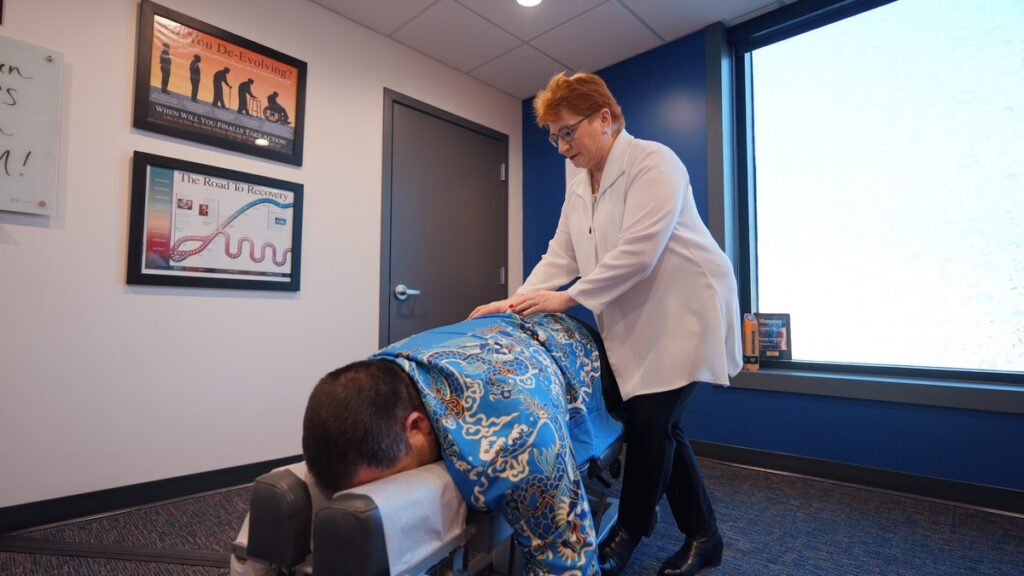
Stress impacts everyone in unique ways, and effectively managing it is crucial for your overall well-being. Choosing chiropractic care specifically focused on stress relief allows you to address both the physical and emotional symptoms that may be weighing you down. Techniques such as spinal adjustments and mindfulness practices can significantly aid in this journey toward a healthier, more balanced life.
Chiropractic care works by ensuring that your spine is properly aligned, which is essential for your nervous system to function optimally. When your spine is misaligned, it can lead to tension and discomfort throughout your body, contributing to increased stress levels. Regular adjustments can help alleviate those physical symptoms, allowing you to feel more relaxed and at ease.
Mindfulness practices, which complement chiropractic care, can help you manage your stress on an emotional level. Simple techniques such as deep breathing, meditation, and staying present in the moment can enhance the benefits of your chiropractic sessions. Together, these approaches create a powerful combination for reducing stress and improving your quality of life.
Here are a few general tips to incorporate into your daily routine for stress relief:
- Practice Deep Breathing: Take a few moments each day to inhale deeply and exhale slowly. This can help calm your nervous system and reduce tension.
- Stay Active: Regular physical activity can be a great stress reliever. Aim for at least 30 minutes of movement each day, whether it’s walking, yoga, or another form of exercise you enjoy.
- Maintain Good Posture: Poor posture can lead to discomfort and stress. Be mindful of how you sit and stand throughout the day.
- Schedule Regular Chiropractic Visits: Regular adjustments can help keep your spine aligned and reduce stress-related tension.
- Prioritize Sleep: Good quality sleep is essential for managing stress. Aim for 7-9 hours of restful sleep each night.
By focusing on chiropractic care for stress relief, you’re choosing a natural, effective approach that can lead to a healthier, happier life. Embrace the journey towards optimal health and wellness—your body and mind will thank you!
Key Takeaways
Choosing chiropractic care for stress relief offers a holistic approach to enhancing your overall well-being. Here’s how chiropractic can help:
- Chiropractic adjustments can relieve physical tension and discomfort often linked to stress. When your spine is aligned, your body functions better, which promotes relaxation and helps you manage stress more effectively.
- Incorporating mindfulness techniques into your daily routine can further enhance your emotional balance. By focusing on your breath and being present, you can reduce anxiety and find more peace of mind.
- Regular physical activity is crucial for building resilience. Simple exercises, like walking or stretching, can boost your mood and improve your ability to cope with life’s challenges. Pair these activities with chiropractic care, and you’ll feel even more energized and balanced.
- A comprehensive care plan that includes support from friends and family can make a big difference. When you have a strong support system, it encourages accountability and enhances your efforts to reduce stress.
- Prioritizing your mental health through effective stress management will not only improve your relationships but also lead to greater satisfaction in life and increased productivity. Chiropractic care focuses on natural healing, helping you achieve optimal health without the need for medications or surgeries.
Remember, taking care of your spine is taking care of your overall health. A few simple tips to keep in mind: stay active, practice mindfulness daily, and seek regular chiropractic adjustments to support your body and mind in managing stress. Your journey to a healthier, stress-free life starts here!
Understanding Stress and Its Impact on Well-Being
Stress is a natural response your body has to challenging situations, but when it becomes chronic, it can significantly impact your overall well-being. You might experience physical symptoms like headaches, fatigue, or muscle tension. Emotionally, stress can lead to irritability, anxiety, and even feelings of depression. This stress can interfere with your ability to focus and enjoy life, affecting your relationships and productivity.
As a chiropractor, I want to emphasize that understanding the root causes of your stress is essential. Whether it’s work pressures, family responsibilities, or financial worries, identifying these triggers helps you manage your reactions effectively.
It’s also important to recognize how stress affects your body and mind. Chronic stress can lead to misalignments in the spine, which can contribute to more pain and discomfort.
Chiropractic care offers a natural and effective approach to managing stress and its physical manifestations. By aligning the spine and ensuring proper nervous system function, chiropractic adjustments can help alleviate tension, reduce pain, and improve your overall mood. This holistic approach not only addresses the symptoms but also promotes better health and wellness.
To enhance your well-being, prioritize self-care habits that support a healthy lifestyle. Incorporate regular physical activity, practice mindfulness or meditation, and ensure you get enough rest.
These practices, along with chiropractic care, can make a significant difference in how you manage stress and its effects on your life.
The Role of Mindfulness in Stress Management
Mindfulness can be an excellent ally in your journey toward stress management and overall wellness. As a chiropractor, I often emphasize the importance of a holistic approach to health, and incorporating mindfulness techniques can greatly complement your chiropractic care.
Practices like mindful breathing can help you quickly find calm during chaotic moments, providing a natural way to relieve stress without relying on medications or surgeries.
By integrating mindfulness into your daily routine, you not only enhance your mental well-being but also support your body’s natural healing processes. This practice can help you become more aware of your body, which is essential for maintaining proper spinal alignment and overall health.
When you’re more in tune with your physical state, you’re better equipped to make choices that promote a healthier spine and, consequently, a healthier life.
Here are some simple tips to incorporate mindfulness into your day:
- Mindful Breathing: Take a few moments each day to focus on your breath. Inhale deeply through your nose and exhale slowly through your mouth. This simple act can help reduce tension and promote relaxation.
- Body Scan: Spend a few minutes lying down and mentally scan your body from head to toe. Notice any areas of tension or discomfort. This awareness can help you identify where you may need chiropractic care.
- Posture Check: While sitting or standing, take a moment to check your posture. Are your shoulders relaxed? Is your spine straight? Being mindful of your posture can help prevent pain and promote spinal health.
- Gratitude Practice: Each day, take a moment to reflect on what you’re grateful for. This positive mindset can help reduce stress and improve your overall well-being.
By fostering a mindful approach to your daily life, you can enhance the benefits of your chiropractic care.
Understanding Mindfulness Techniques
When you embrace mindfulness techniques, you open the door to a powerful way to manage stress, which can significantly impact your overall health and wellness, especially when it comes to maintaining a healthy spine. Mindfulness involves focusing on the present moment, enabling you to observe your thoughts and feelings without judgment. This practice can be particularly beneficial for those experiencing discomfort or tension in their bodies, as it helps create a deeper awareness of how stress affects you physically.
Simple techniques like meditation, body scanning, or mindful walking can be easily integrated into your daily routine. For example, during a body scan, you can check in with different parts of your body, noticing areas of tension or discomfort, which can help you become more aware of how stress manifests physically. This awareness can empower you to respond more effectively, perhaps through gentle stretching, chiropractic adjustments, or other natural healing methods.
Incorporating mindfulness into your day doesn’t require hours of your time; even just a few minutes can make a difference. Consider taking a moment to practice deep breathing or a brief meditation before or after your chiropractic appointment. This can enhance the benefits of your treatment and promote a sense of calm that supports your journey to optimal health.
As you engage with mindfulness, you may find greater clarity and peace, ultimately transforming how you handle stress and its physical effects.
Benefits of Mindful Breathing
Embracing mindful breathing can significantly enhance your ability to manage stress and support overall wellness. This straightforward yet impactful practice not only helps center your thoughts and calm your mind, but it also complements the holistic approach of chiropractic care.
Here are four key benefits of mindful breathing that can work hand-in-hand with chiropractic adjustments:
- Reduces Anxiety: By focusing on your breath, you can alleviate feelings of anxiety and cultivate a sense of peace. This tranquility can enhance the effectiveness of your chiropractic treatments, allowing your body to relax and heal.
- Improves Focus: Mindful breathing sharpens your concentration, making it easier to tackle daily tasks. Maintaining focus is essential, especially when working towards a healthier lifestyle, including regular chiropractic visits.
- Enhances Emotional Regulation: Slowing your breath gives you better control over your emotions, helping to prevent reactive responses. This emotional balance can enhance the outcomes of chiropractic care by promoting a more positive mindset during your healing journey.
- Promotes Relaxation: Deep, intentional breaths activate your body’s relaxation response, easing tension and stress. When combined with chiropractic adjustments, this relaxation can lead to improved spinal health and overall well-being.
Incorporating mindful breathing into your daily routine can transform your approach to stress management and support your chiropractic care.
By focusing on your breath, you’re not only fostering a more balanced life but also optimizing your body’s natural healing processes.
Incorporating Mindfulness Daily
Incorporating mindfulness into your daily routine can be a transformative approach for managing stress and supporting overall wellness, especially in conjunction with chiropractic care. Start small by dedicating just a few minutes each day to mindful practices.
Consider activities like gentle stretches, mindful walking, or simply focusing on your breath, as these can complement your chiropractic adjustments by promoting relaxation and alignment.
As you enhance your awareness of thoughts and feelings, you’ll find it easier to navigate stress, which can often manifest as tension in the body. Setting reminders to practice mindfulness throughout the day—perhaps during your lunch break or while commuting—can help reinforce these beneficial habits.
Over time, integrating mindfulness with your chiropractic care can cultivate resilience and improve your overall well-being.
Remember, the key is consistency; even a few minutes daily can lead to significant improvements in your stress levels and mental clarity.
Therapeutic Approaches to Alleviating Stress
When it comes to alleviating stress, chiropractic care can play a significant role in your overall wellness journey. By focusing on spinal health, we can help improve your body’s natural ability to cope with stress. A well-aligned spine supports a healthy nervous system, which is essential for managing stress and maintaining balance in your life.
In addition to chiropractic adjustments, incorporating mindfulness and meditation techniques can further enhance your stress relief efforts. These practices help center your thoughts and promote relaxation. Pairing these techniques with regular chiropractic visits allows your body to function at its best.
Physical activities are also beneficial for boosting your mood and relieving tension. Whether it’s a gentle walk, yoga, or stretching, moving your body helps release endorphins, which are your body’s natural feel-good hormones.
Together, these strategies create a powerful toolkit for managing stress effectively.
Mindfulness and Meditation Techniques
As you seek effective ways to relieve stress, incorporating mindfulness and meditation techniques can be a powerful addition to your wellness routine. These practices not only help to calm your mind but also enhance your overall well-being, supporting your journey to optimal health.
Here are four simple techniques to consider:
- Breath Awareness: Start by focusing on your breath. Inhale deeply through your nose, allowing your abdomen to rise, hold for a brief moment, and then exhale slowly through your mouth. This practice can help reduce tension and promote relaxation, which is beneficial for your spine and overall posture.
- Body Scan: Find a comfortable position, either lying down or sitting, and mentally scan your body from head to toe. Notice any areas of tension and consciously relax them. This technique can help you become more aware of how stress affects your body, allowing for better posture and spinal health.
- Guided Imagery: Picture a peaceful scene or a fond memory. Immerse yourself in the sights, sounds, and feelings associated with it. This mental escape can provide a soothing effect, which is essential for reducing stress that may contribute to discomfort in your back and neck.
- Mindful Walking: Take a slow walk outdoors, paying close attention to each step and the sensations around you. This practice not only encourages physical activity, which is vital for spinal health, but also connects you with your environment, helping to clear your mind.
By integrating these mindfulness and meditation techniques into your daily life, you can enhance your natural healing process and support your chiropractic care.
Physical Activity and Exercise
Engaging in regular physical activity is one of the most effective ways to alleviate stress and improve your mood, and it can also support your spinal health. When you exercise, your body releases endorphins, natural mood lifters that can help with anxiety and tension. Whether you prefer jogging, dancing, or even a brisk walk, movement not only clears your mind but also promotes a healthy spine.
It’s important to remember that it’s not just about intense workouts; even light physical activity can have a positive impact on your overall well-being. Aim for at least 30 minutes of movement most days to help reduce stress and enhance your mood. Incorporating exercises that promote flexibility and strength can also benefit your spine, making it less prone to pain and injury.
Setting and achieving fitness goals can boost your self-esteem and encourage a healthier lifestyle. Remember to listen to your body and choose activities that feel good to you. Activities like yoga or stretching can be particularly beneficial for spinal health and can complement your chiropractic care.
So, lace up those sneakers and find an activity you enjoy—your mind, body, and spine will thank you!
And always consider incorporating chiropractic care into your wellness routine for natural pain relief and to support your journey towards optimal health.
Holistic Practices for Comprehensive Stress Relief
In today’s fast-paced world, many of us feel the weight of stress weighing heavily on our shoulders. As a chiropractor, I want to share how holistic practices can complement spinal health and contribute to overall wellness. By nurturing both your mind and body, you can achieve a greater sense of balance and relief from the stresses of everyday life.
Here are some effective holistic practices to consider:
- Meditation: Take just a few minutes each day to focus on your breath. This practice can help clear your mind and reduce tension, allowing your body to relax and support spinal alignment.
- Yoga: Incorporating gentle movements and stretches can enhance your flexibility and promote relaxation. Yoga not only helps relieve stress but also encourages proper posture, which is essential for spinal health.
- Aromatherapy: Utilize calming essential oils like lavender or chamomile in your environment. These scents can create a soothing atmosphere, helping to ease both your mind and body.
- Mindfulness: Practicing mindfulness means being fully present in the moment. By appreciating the small joys around you, you can reduce anxiety and tension, which can positively impact your spinal health.
Incorporating these holistic practices into your daily routine can significantly reduce stress and improve your overall well-being.
Remember, chiropractic care is a fantastic way to support your journey towards optimal health. Regular adjustments can help keep your spine aligned, alleviate pain, and enhance your body’s natural ability to heal.
Building Resilience Through Self-Care
Building resilience is essential for managing stress effectively and enhancing your overall well-being, and chiropractic care can play a vital role in this journey. By prioritizing your spinal health and overall wellness, you equip yourself to handle life’s challenges with greater ease. Start by incorporating chiropractic adjustments into your routine, which can help align your spine and improve your body’s function, ultimately aiding in stress relief.
Establishing a daily routine that includes time for relaxation, exercise, and healthy eating is also important. Regular physical activity not only strengthens your body but also releases endorphins, which can boost your mood. Additionally, focusing on your posture, especially if you work at a desk, can greatly impact your physical and emotional well-being.
Mindfulness practices, such as meditation or journaling, can help you stay grounded and focused. When paired with chiropractic care, these practices can enhance your ability to process thoughts and emotions effectively.
It’s also important to set boundaries to protect your time and energy; learning to say no can be a vital part of self-care. Engaging in activities that bring you joy—whether it’s pursuing a hobby, enjoying nature, or spending time with loved ones—also bolsters your resilience.
The Importance of Social Support in Stress Reduction
When it comes to reducing stress, having a strong social support system can significantly enhance your well-being, especially when it comes to your spinal health and overall wellness. You don’t have to tackle life’s challenges on your own; your friends and family can be invaluable allies during tough times. Here are some ways social support contributes to stress management and how it ties into your journey towards optimal health:
- Emotional Comfort: Engaging with someone who understands your experiences can provide relief and reassurance. This emotional connection not only helps reduce stress but can also positively impact your posture and spinal alignment, as tension often manifests physically.
- Practical Help: Friends can lend a hand with daily tasks, lightening your load during stressful periods. This support allows you to focus on maintaining a healthy lifestyle, which is essential for spinal health. Consider inviting a friend for a walk or a gentle stretching session to promote both social interaction and physical well-being.
- Perspective: Sharing your worries can bring fresh insights and solutions that you mightn’t see on your own. Sometimes, a simple conversation can lead to discovering new ways to care for your body and mind, reinforcing the importance of regular chiropractic visits to keep your spine in optimal condition.
- Motivation: A supportive network encourages you to stay engaged and pursue healthy habits. Whether it’s attending a yoga class together or exploring new forms of exercise, having a buddy can make it easier to stick to routines that bolster your spinal health and overall wellness.
Incorporating chiropractic care into your routine can further enhance the benefits of social support. Regular adjustments can help alleviate stress-related tension in your body, allowing you to fully engage with your loved ones and enjoy life more.
Creating a Personalized Care Plan for Stress Relief
Building a strong social support system is essential for managing stress effectively, and when combined with a personalized care plan, it can significantly enhance your overall well-being. As a chiropractor, I believe that addressing both physical and emotional stressors is key to achieving optimal health.
Let’s explore how you can create a tailored approach to stress relief while incorporating the benefits of chiropractic care.
First, take time to identify your personal stress triggers. Understanding what causes you tension is crucial for developing a plan that works for you.
Next, think about how you cope with stress. Do you find relief through physical activities, mindfulness practices, or creative outlets? Incorporating these coping mechanisms into your care plan can help you manage stress more effectively.
Setting realistic goals is another important step. Break them down into smaller, manageable tasks to prevent feeling overwhelmed. Regularly assess your progress and be open to adjusting your plan as needed.
Remember to include self-care activities that bring you joy—whether it’s reading, gardening, or spending quality time with loved ones. These activities can complement the benefits of chiropractic care, which focuses on natural healing and overall wellness.
One of the best ways to enhance your stress relief journey is through chiropractic adjustments. Regular visits to your chiropractor can help alleviate physical tension in your body, improve your posture, and enhance your body’s ability to cope with stress.
Additionally, maintaining good spinal health is essential for your nervous system, which plays a vital role in how your body responds to stress.
Lastly, share your care plan with your support network. Communicating your goals can foster accountability and keep you motivated.
By integrating chiropractic care into your personalized care plan for stress relief, you empower yourself to navigate stress more effectively and promote a healthier, more balanced lifestyle.
Long-Term Benefits of Embracing Care for Mental Health
Embracing care for mental health goes hand in hand with achieving overall wellness, especially when you consider the integral role that a healthy spine plays in our emotional well-being. By prioritizing both your mental health and spinal health, you can enjoy a range of lasting benefits that empower you to face life’s challenges with a clear mind and a strong body.
- Improved Emotional Regulation: Chiropractic care helps align your spine, which can enhance your nervous system function. This improved communication between your brain and body can assist you in managing your emotions better, reducing impulsivity, and making clearer decisions.
- Stronger Relationships: When your body is functioning optimally, you’ll feel more energized and engaged, allowing you to connect better with those around you. This can lead to deeper, more supportive relationships, as you’re able to be present and attentive to others.
- Increased Productivity: A healthy spine contributes to a clearer mind. With chiropractic adjustments, you may find it easier to focus and stay organized, enhancing your productivity both at home and at work. This means more accomplishments and a greater sense of satisfaction in your daily life.
- Enhanced Coping Skills: Regular chiropractic care can promote relaxation and reduce tension in your body, which may help you develop better coping mechanisms for stress. As you become more adaptable to life’s ups and downs, you’ll feel more equipped to handle whatever comes your way.
General Tips for Mental and Spinal Health:
- Incorporate regular chiropractic visits into your wellness routine to keep your spine aligned and your nervous system functioning well.
- Practice mindfulness and relaxation techniques, such as deep breathing or meditation, to support your mental health.
- Stay active with gentle exercises that promote spinal health, like walking or yoga.
- Prioritize sleep, as proper rest is essential for both mental clarity and physical recovery.
- Maintain a balanced diet rich in nutrients to support your overall health and well-being.
Conclusion
Incorporating chiropractic care into your stress relief routine can significantly enhance your overall well-being. By focusing on spinal health and promoting natural healing, you not only alleviate stress but also build resilience for the future. Chiropractic adjustments help restore balance to your body, which can lead to reduced tension and improved mood.
Remember, self-care and social support are crucial in this journey, and chiropractic care is a fundamental aspect of that. By addressing spinal misalignments, you can improve not just your physical health but also your mental clarity and emotional stability.
Creating a personalized chiropractic care plan ensures that you meet your unique needs, leading to long-term mental health benefits. Simple practices like maintaining good posture, staying active, and managing stress through regular adjustments can make a big difference. So, take the first step today—prioritize chiropractic care for a more balanced, fulfilling life free from pain and stress.